Close Menu
  • Home
  • United States
  • World
  • Politics
  • Business
  • Lifestyle
  • Entertainment
  • Health
  • Science
  • Tech
  • Sports
  • More
    • Web Stories
    • Editor’s Picks
    • Press Release

Subscribe to Updates

Get the latest USA news and updates directly to your inbox.

What's On
Expert Weighs In on Missing High School Football Coach Travis Turner as Case Nears 1-Year Mark

Expert Weighs In on Missing High School Football Coach Travis Turner as Case Nears 1-Year Mark

November 18, 2026
Emma Hayes reveals her role in USMNT head coach search: ‘Very thorough process’

Emma Hayes reveals her role in USMNT head coach search: ‘Very thorough process’

November 18, 2026
Flu activity rises to high levels across 6 US states: CDC says

Flu activity rises to high levels across 6 US states: CDC says

November 18, 2026
Facebook X (Twitter) Instagram
Trending
  • Expert Weighs In on Missing High School Football Coach Travis Turner as Case Nears 1-Year Mark
  • Emma Hayes reveals her role in USMNT head coach search: ‘Very thorough process’
  • Flu activity rises to high levels across 6 US states: CDC says
  • AI assistants are the future of the workforce, new survey suggests
  • American billionaire unveils incredible plans for futuristic floating metropolis: ‘Manifest destiny’
  • Expert criticizes Obama-era Housing First policy after LAHSA funding cut
  • Parents Arrested After Allegedly Refusing to Call 911 as Their 6-Year-Old’s Health Rapidly Declined
  • Geno Smith plans to play against Chargers despite lingering ankle injury
  • Privacy
  • Terms
  • Advertise
  • Contact Us
Join Us
USA TimesUSA Times
Newsletter Login
  • Home
  • United States
  • World
  • Politics
  • Business
  • Lifestyle
  • Entertainment
  • Health
  • Science
  • Tech
  • Sports
  • More
    • Web Stories
    • Editor’s Picks
    • Press Release
USA TimesUSA Times
Home » Neanderthal genes linked to lower risk of schizophrenia in modern humans
Neanderthal genes linked to lower risk of schizophrenia in modern humans
Science

Neanderthal genes linked to lower risk of schizophrenia in modern humans

News RoomBy News RoomNovember 18, 20260 ViewsNo Comments


Follow us

Add us as a preferred source on Google


Subscribe to our newsletter


A newfound genetic variant inherited from Neanderthals may shrink a part of modern-human brains without having any meaningful effects on mental ability, and it might also reduce the risk of schizophrenia, a new study finds.

“Genetic differences between Neanderthals and modern humans still influence our brains today,” study co-author Hugo Zeberg, an evolutionary geneticist at the Max Planck Institute for Evolutionary Anthropology in Germany, told Live Science. Zeberg and his colleague Svante Pääbo detailed their findings Nov. 16 in the journal PNAS.

Before they went extinct around 40,000 years ago, Neanderthals were among the closest relatives of modern humans. More than a decade of research has shown that Neanderthals and modern humans once interbred. Most people not of sub-Saharan ancestry living today possess about 2% Neanderthal ancestry.

Latest Videos FromLive Science

Neanderthals’ skulls were larger and more elongated than modern humans’. One reason for the differences has to do with the occipital lobe, the smallest of the brain’s four lobes, which sits in the back of the skull. The occipital lobe houses the visual cortex, which helps process signals from the eyes. This area was relatively larger in Neanderthals than it is in modern humans.

In the new study, the researchers analyzed modern-human genomes for genetic variants that are related to occipital lobe size and were also likely inherited from Neanderthals. They discovered one such variant associated with the DAAM1 gene, which a 2019 study linked with brain development. This genetic variant was found only in modern humans outside Africa and was seen in five Neanderthal genomes.


You may like

Curiously, the Neanderthal variant the scientists detected in modern-human genomes led to an approximately 0.05-cubic-inch (0.85 cubic centimeters) reduction in occipital lobe size per copy of the variant in an individual. This means that the Neanderthal gene was linked to a slightly smaller brain size in modern humans.

A Neanderthal variant can have a relatively strong effect on brain anatomy without affecting intelligence, while also reducing schizophrenia risk.

Hugo Zeberg, an evolutionary geneticist at the Max Planck Institute for Evolutionary Anthropology in Germany

This effect is the opposite of what experts expected based on Neanderthals’ large skull size, Tony Capra, an evolutionary geneticist at the University of California, San Francisco, who was not involved in the research, told Live Science.

Get the world’s most fascinating discoveries delivered straight to your inbox.

However, it’s important to remember that this one gene variant “does not reflect the full set of variations that might have been present in Neanderthals that might have affected the shape and size of their brain structures,” Capra noted.

Zeberg and Pääbo also discovered that having two copies of the DAAM1 gene variant was associated with a nearly 10% reduction in the chances of having schizophrenia in modern humans. But there was no apparent link between the variant and intelligence in modern humans.

“A Neanderthal variant can have a relatively strong effect on brain anatomy without affecting intelligence, while also reducing schizophrenia risk,” Zeberg said.

Symptoms of schizophrenia can include altered perceptions of reality, such as visual hallucinations and problems with processing visual signals. This makes it “tempting to speculate” that this Neanderthal gene variant’s effects on schizophrenia might be associated with the visual cortex. However, there is currently no evidence for such a link, Zeberg said.

Future research along these lines could analyze how other Neanderthal genetic variants influenced modern humans, Capra said, “to see if they had a consistent effect on us.” Looking into Neanderthal variants that are missing from modern-human genomes could “show us what makes us modern humans as opposed to them,” Capra added.

This article is for informational purposes only and is not meant to offer medical advice.

Zeberg, H., & Pääbo, S. (2026). A Neandertal-derived genetic variant reduces occipital brain volume in present-day humans. Proceedings of the National Academy of Sciences, 123(48). https://doi.org/10.1073/pnas.2624837123


How much do you know about our closest relatives? Find out with our Neanderthal quiz!

Share. Facebook Twitter LinkedIn Telegram WhatsApp Email

Keep Reading

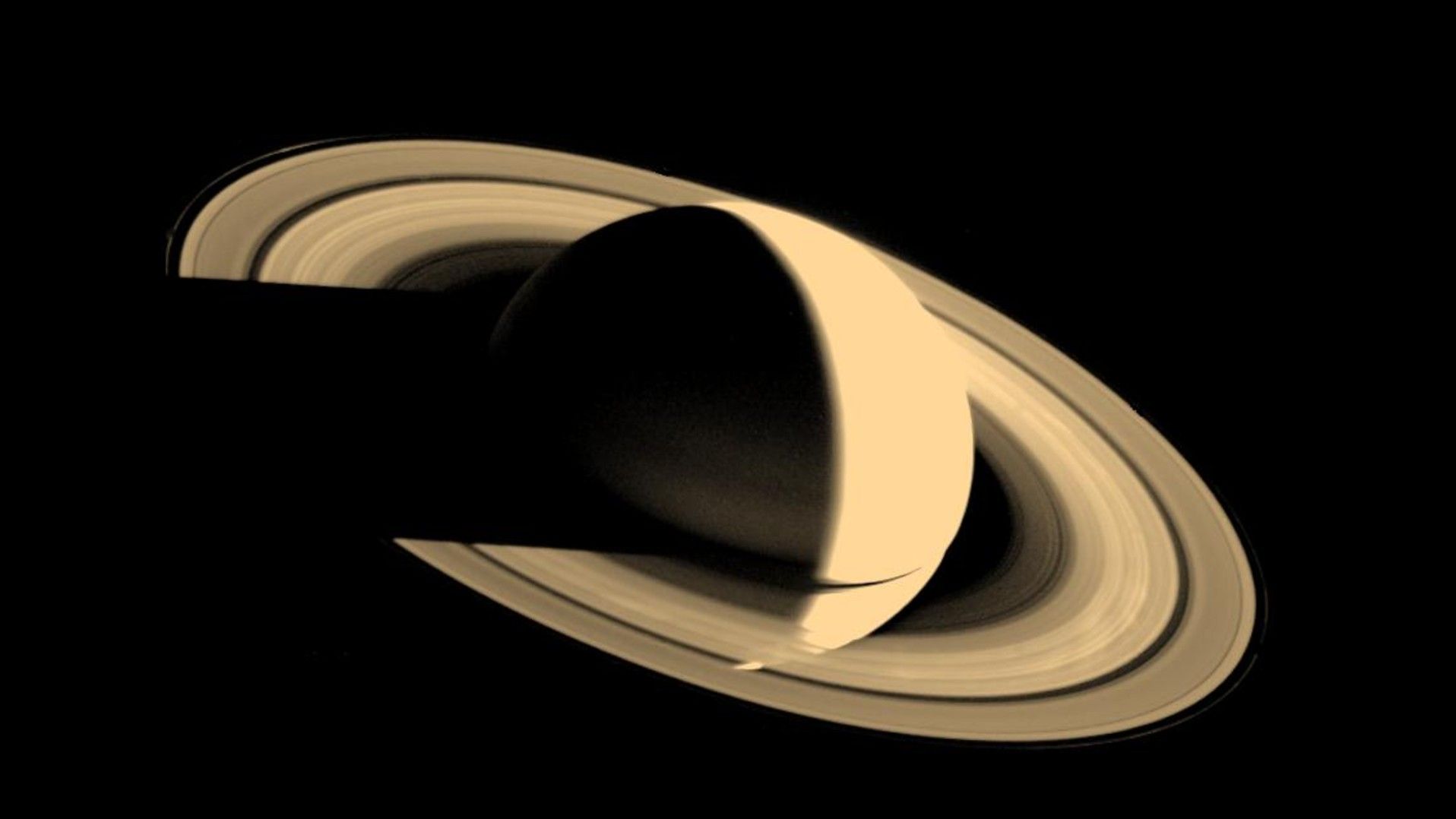
Voyager 1’s light-day milestone: Celebrate 50 years of amazing solar system discoveries in NASA photos

Voyager 1’s light-day milestone: Celebrate 50 years of amazing solar system discoveries in NASA photos

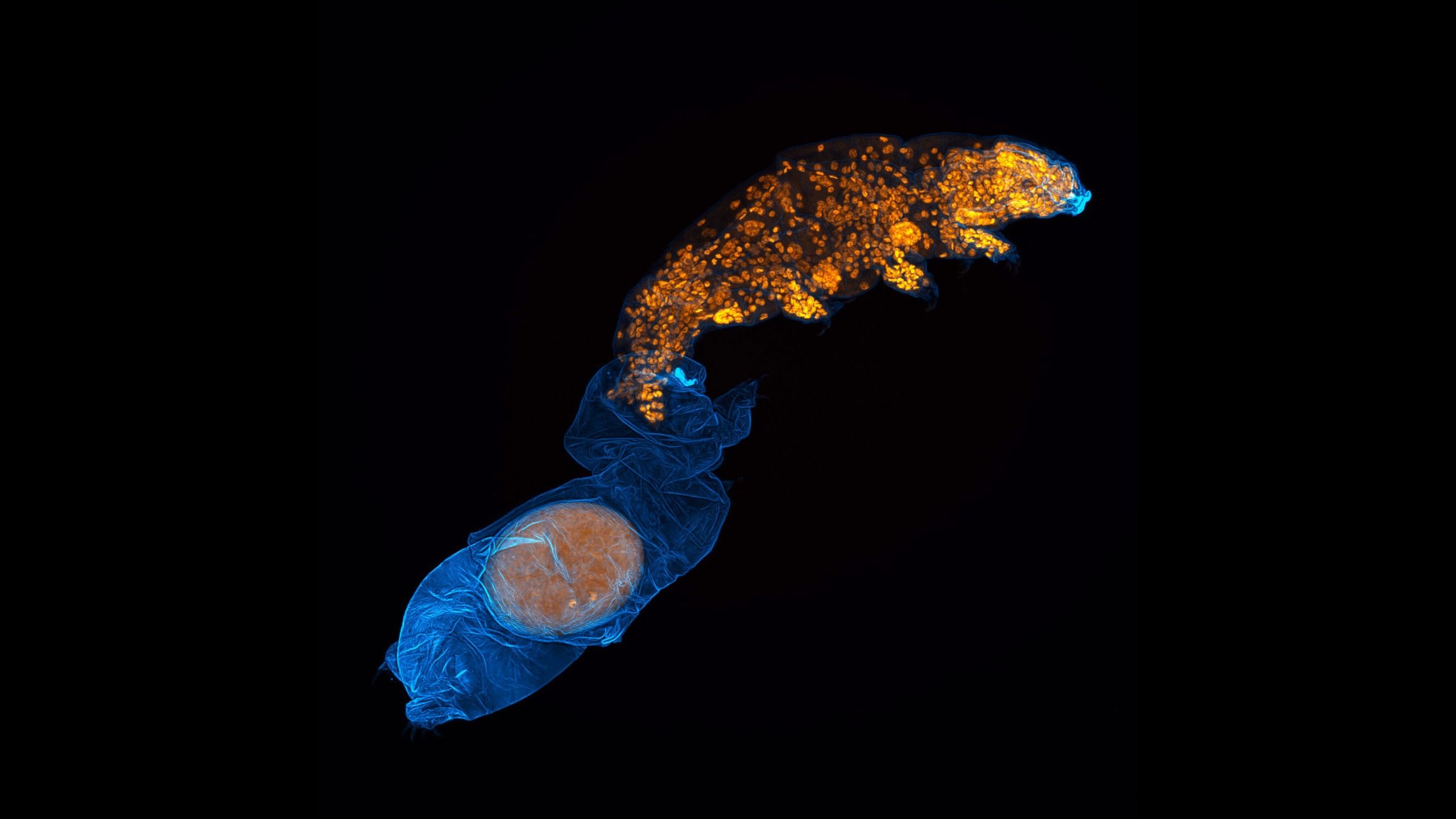
Striking photo shows tardigrade laying egg in its discarded skin — ‘incredibly beautiful and unexpected’

Striking photo shows tardigrade laying egg in its discarded skin — ‘incredibly beautiful and unexpected’

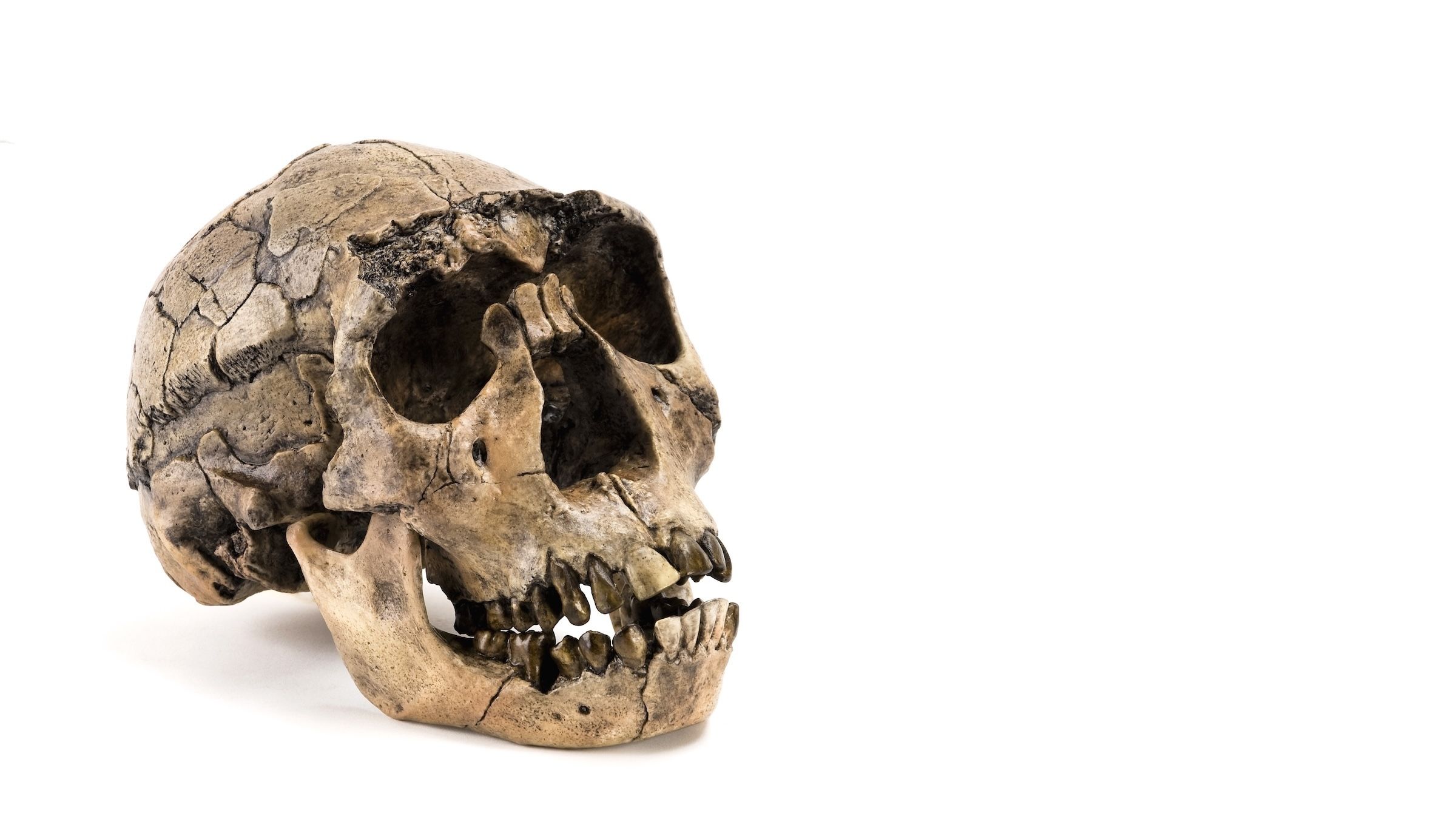
​​Homo erectus and Denisovans may have lived alongside each other in China, study suggests

​​Homo erectus and Denisovans may have lived alongside each other in China, study suggests

2,000-year-old tomb of an elite nomad in Mongolia contained a Roman glass cup and Han-dynasty-inspired jade decorations

2,000-year-old tomb of an elite nomad in Mongolia contained a Roman glass cup and Han-dynasty-inspired jade decorations

Man’s ‘silly experiment’ at work led to a fatal ‘rectal explosion’ — Diagnostic dilemma

Man’s ‘silly experiment’ at work led to a fatal ‘rectal explosion’ — Diagnostic dilemma

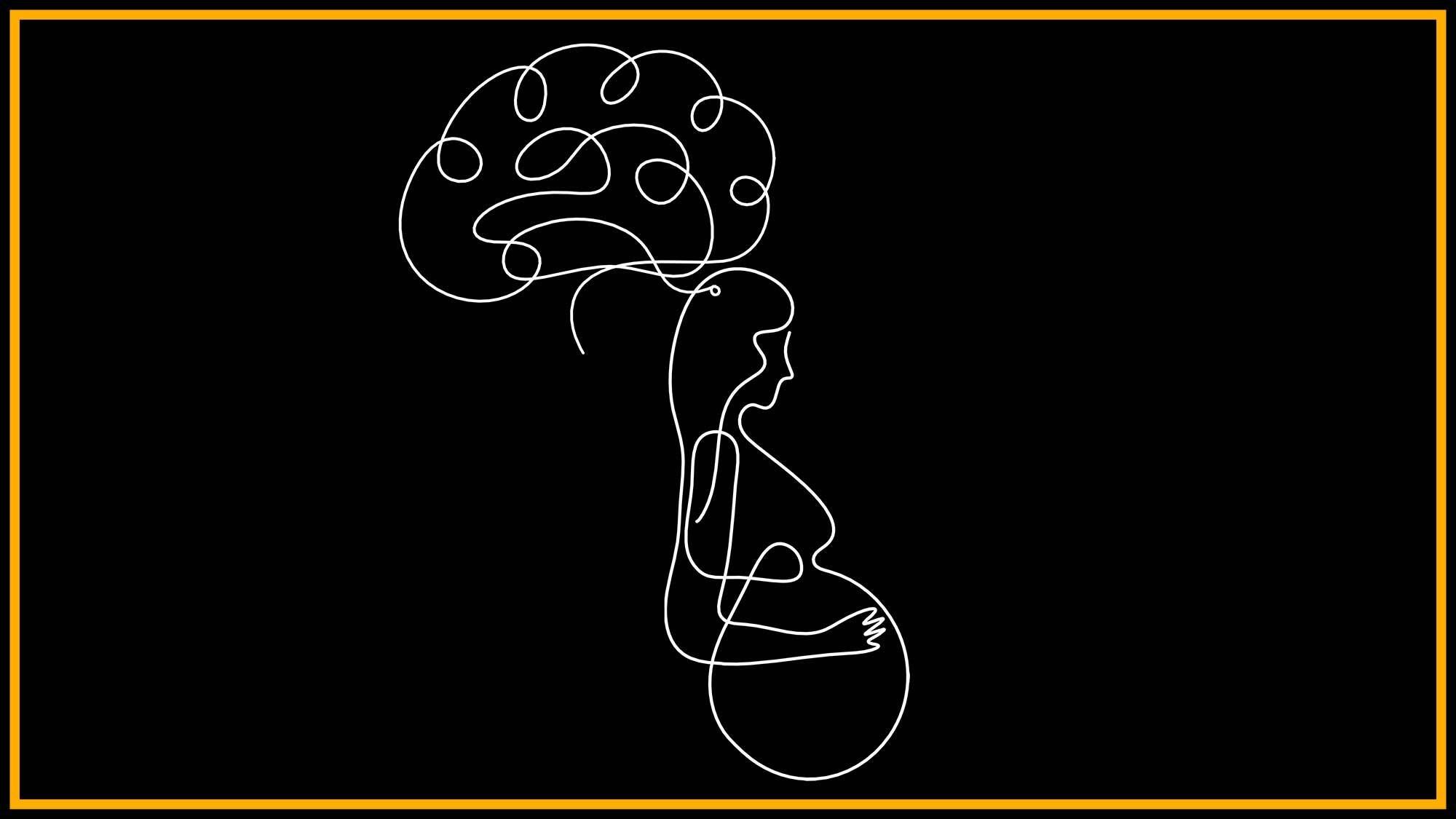
For centuries, we drew the pregnant body without a head. Now we need to fill in what we left blank: how motherhood affects the brain. | Susana Carmona

For centuries, we drew the pregnant body without a head. Now we need to fill in what we left blank: how motherhood affects the brain. | Susana Carmona

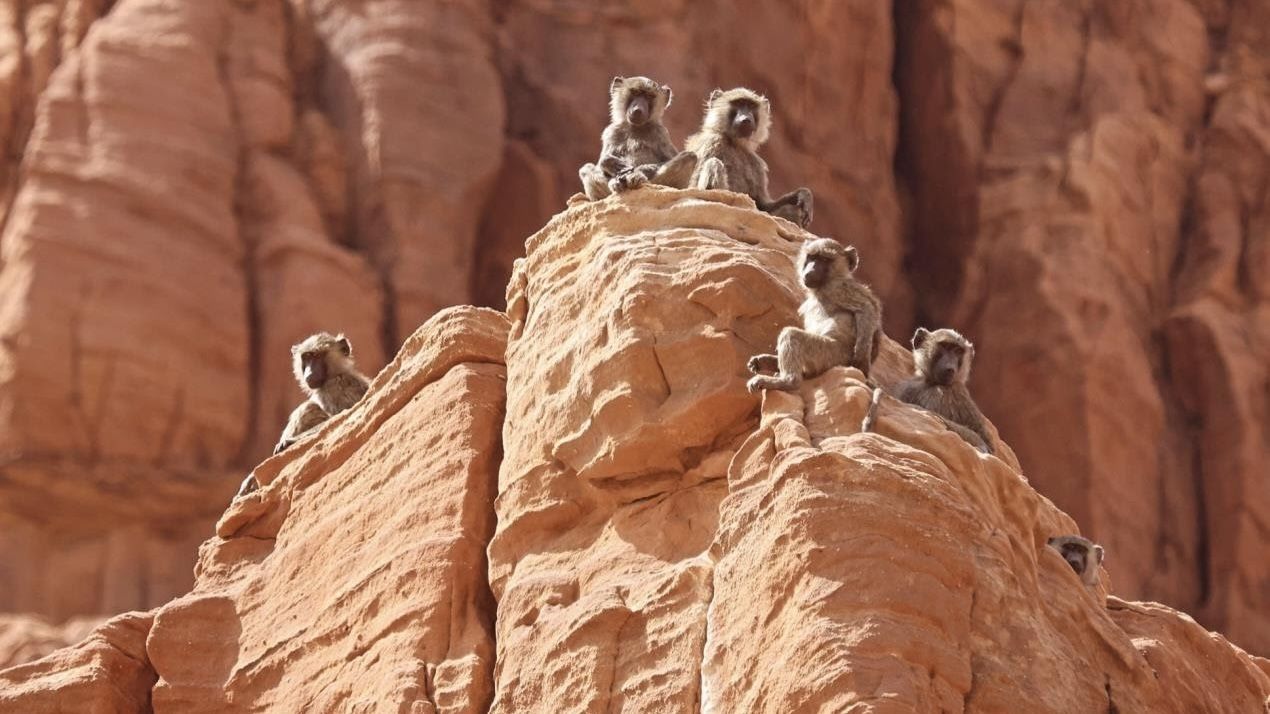
Eagles hunt baboons weighing up to 60 pounds, raising questions about whether birds of prey hunted ancient humans

Eagles hunt baboons weighing up to 60 pounds, raising questions about whether birds of prey hunted ancient humans

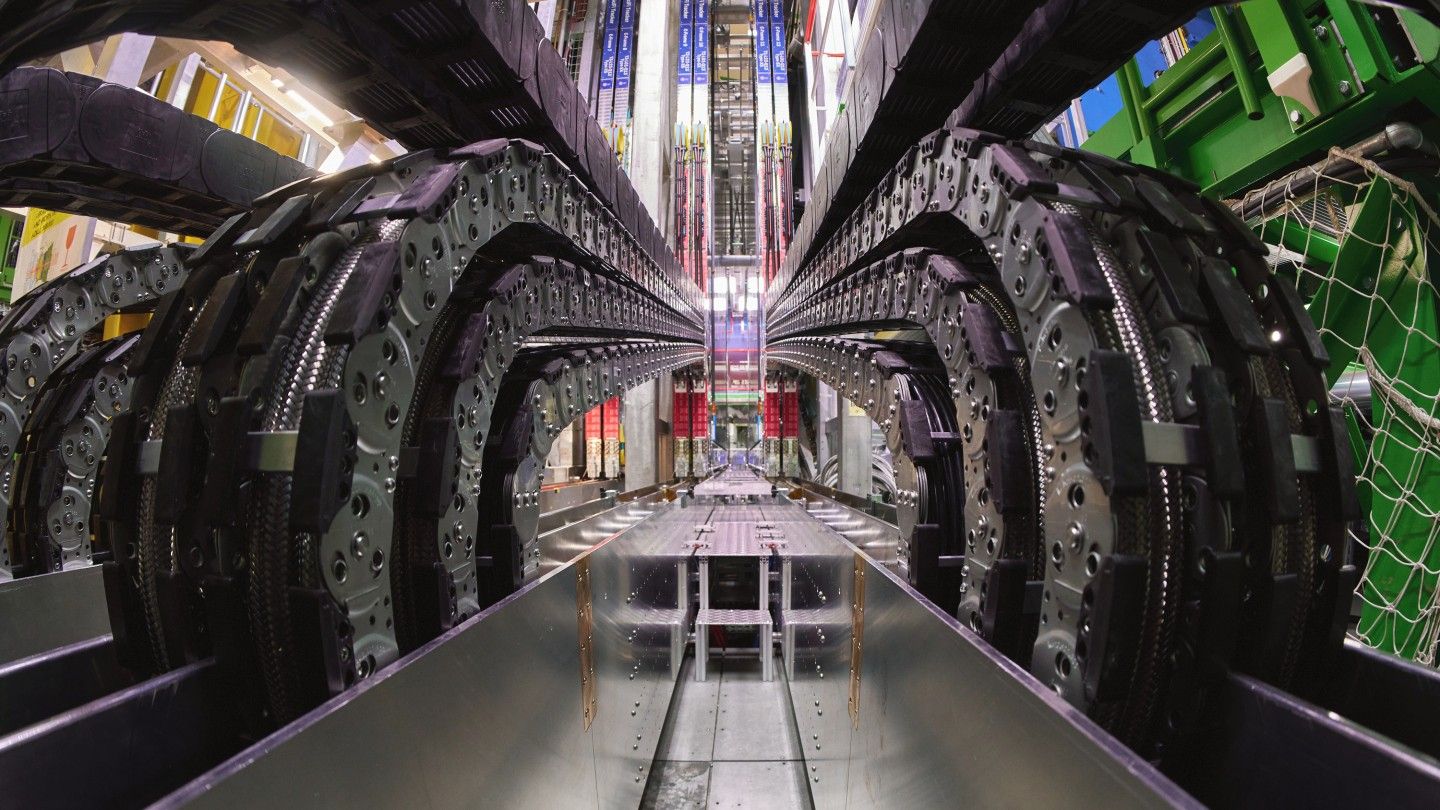
CERN physicists measure particles at the smallest scale ever, opening window to the ‘zeptoverse’

CERN physicists measure particles at the smallest scale ever, opening window to the ‘zeptoverse’

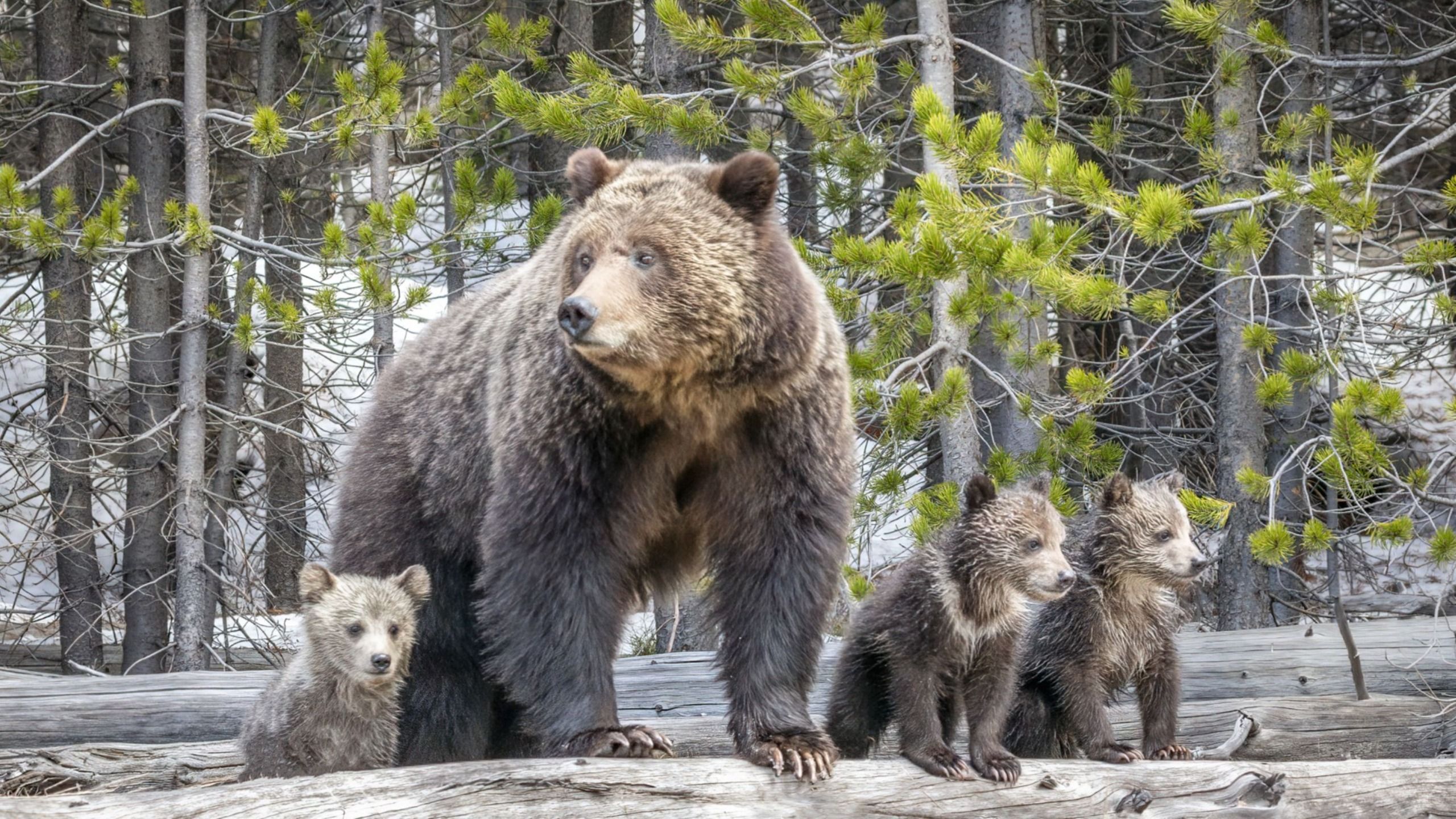
Grizzly bears could thrive in California — so why aren’t we reintroducing them?

Grizzly bears could thrive in California — so why aren’t we reintroducing them?

Add A Comment
Leave A Reply Cancel Reply

Editors Picks

Emma Hayes reveals her role in USMNT head coach search: ‘Very thorough process’

Emma Hayes reveals her role in USMNT head coach search: ‘Very thorough process’

November 18, 2026
Flu activity rises to high levels across 6 US states: CDC says

Flu activity rises to high levels across 6 US states: CDC says

November 18, 2026
AI assistants are the future of the workforce, new survey suggests

AI assistants are the future of the workforce, new survey suggests

November 18, 2026
American billionaire unveils incredible plans for futuristic floating metropolis: ‘Manifest destiny’

American billionaire unveils incredible plans for futuristic floating metropolis: ‘Manifest destiny’

November 18, 2026

Subscribe to News

Get the latest USA news and updates directly to your inbox.

Latest News
Expert criticizes Obama-era Housing First policy after LAHSA funding cut

Expert criticizes Obama-era Housing First policy after LAHSA funding cut

November 18, 2026
Parents Arrested After Allegedly Refusing to Call 911 as Their 6-Year-Old’s Health Rapidly Declined

Parents Arrested After Allegedly Refusing to Call 911 as Their 6-Year-Old’s Health Rapidly Declined

November 18, 2026
Geno Smith plans to play against Chargers despite lingering ankle injury

Geno Smith plans to play against Chargers despite lingering ankle injury

November 18, 2026
Facebook X (Twitter) Pinterest WhatsApp TikTok Instagram
© 2026 USA Times. All Rights Reserved.
  • Privacy Policy
  • Terms
  • Advertise
  • Contact

Type above and press Enter to search. Press Esc to cancel.