




Using drugs to induce a hypothermia-like state may slow stroke-related brain damage, according to a new study involving lab animals and human patients.
The study used two existing drugs: the antipsychotic chlorpromazine and the sedative promethazine, called “C+P” when they’re used together. This drug combo induced hypothermia and protected brain tissue in mouse and monkey models of stroke.
Additionally, an infusion of C+P was safe in an early trial including 32 human stroke patients, causing no notable side effects. However, no significant improvements in stroke outcomes were reported in a paper describing the results, which was published June 17 in the journal Science Translational Medicine.
More research is needed to determine what benefits C+P treatment may offer stroke patients. But the research sheds new light on the metabolic dynamics believed to be responsible for hypothermia’s therapeutic effects, said Dr. Eric Landsness, an assistant professor of neurology at the Washington University School of Medicine in St. Louis who was not involved in the work.
“What’s exciting about this study is that it’s clear that it’s not just the hypothermia, but it’s the hypometabolism,” said Landsness, who reviewed the paper before it was published.
Brain freeze?
The researchers tested C+P as a therapy for acute ischemic stroke, in which blood flow to the brain is blocked. Ischemic strokes are the most common form of stroke, accounting for over 85% of cases; “acute ischemic stroke” specifically refers to the medical emergency brought about by a sudden loss of blood flow to the brain and corresponding loss of neurologic function.
When blood flow is restored through a therapy called reperfusion treatment, “you can get significant injury from a lot of processes that were set in motion during the ischemia,” said Dr. Patrick Lyden, a professor of physiology and neuroscience, neurology, and neurosurgery at the University of Southern California Keck School of Medicine who was not involved in the study.
Get the world’s most fascinating discoveries delivered straight to your inbox.
To protect brain tissue from this double whammy of ischemia and reperfusion injury, some researchers have tried to harness hypothermia, which is “one of the most powerful ways of protecting the brain that we’ve ever studied in lab animals,” Lyden told Live Science. “It’s the standard by which all other brain protectants are measured.”
In hypothermia, body temperature drops below 95 degrees Fahrenheit (35 degrees Celsius). Under normal circumstances, this can be very dangerous because the cold can slow down the heart and nervous system to the point that the body’s cardiac and respiratory systems fail.
But one of the biggest theories for why hypothermia works in a therapeutic context is that it slows down our metabolism, similar to what’s seen in animals during hibernation, Lyden said. “Because the metabolism is slowed, the death process in the brain is also slowed down.”
Therapeutic hypothermia can protect the human brain following cardiac arrest, and it is also sometimes used to treat newborns with hypoxic ischemic encephalopathy, an injury that blocks blood and oxygen to the brain around the time of birth. However, studies of hypothermia in adult stroke patients have been less successful, Lyden said.
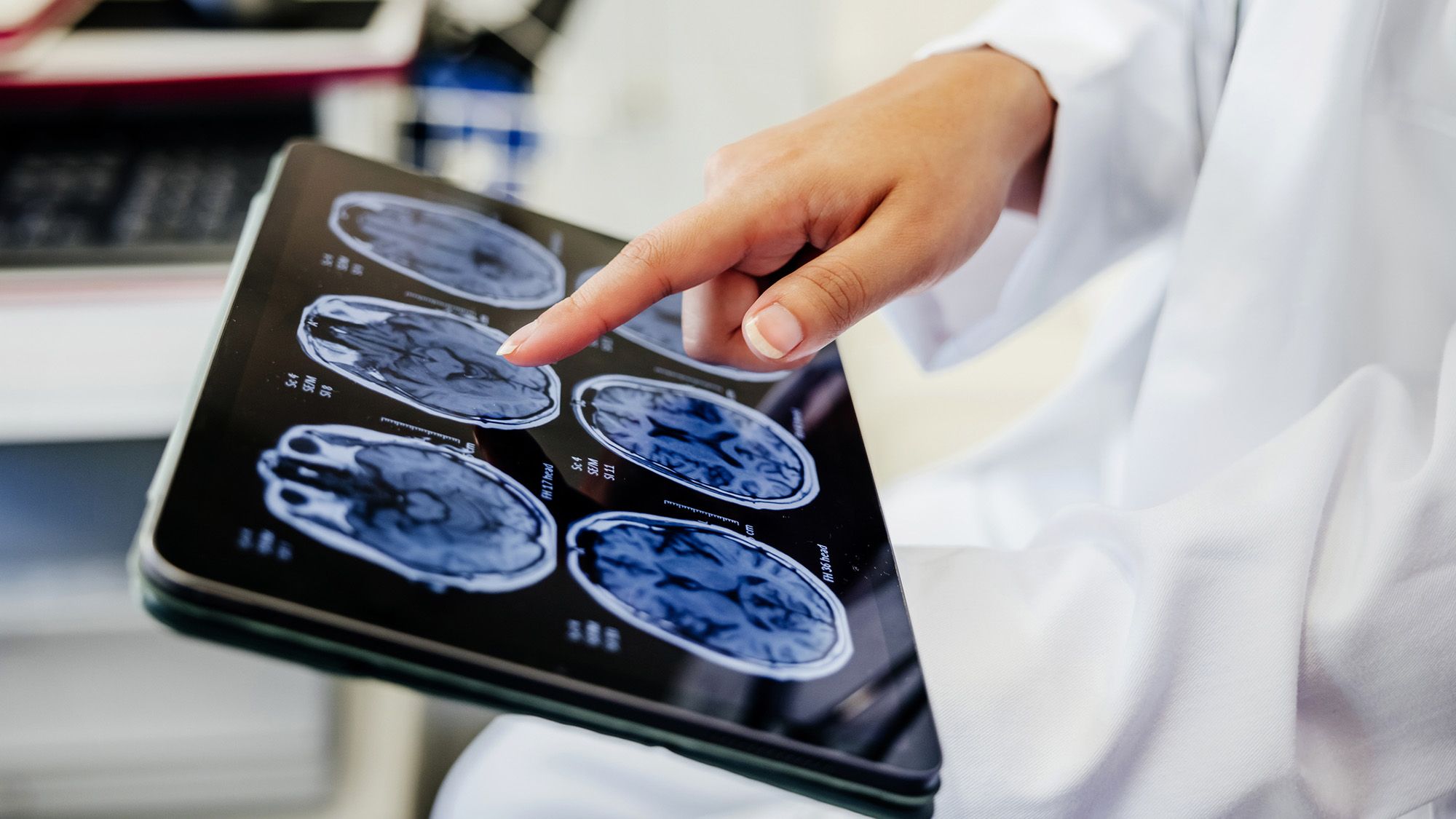
Acute ischemic strokes damage brain tissue by cutting off blood flow to part of the organ, but reintroducing blood to the brain can also trigger injury.
(Image credit: Douglas Sacha via Getty Images)
The C+P approach may be a more effective way to slow metabolism in stroke patients, the researchers hypothesized. In previous experiments, C+P reduced neuroinflammation in rodent models of stroke, possibly through changes in metabolic activity independent of hypothermia.
In the new study, the treatment was compared with two other methods of reducing core temperature in mice: a different drug, called adenosine 5′-monophosphate, and surface cooling using cold water and ice packs. While all three approaches induced hypothermia in the mice, only C+P treatment reduced their overall oxygen consumption and energy expenditure, two important indicators of slowed metabolism.
The paper highlights metabolism as more than a mere secondary effect of hypothermia, Landsness said; it’s a process worth studying in its own right.
In mice, C+P treatment reduced the burning of sugar by the brain and brown fat, which burns fuel to generate heat. The treatment was also associated with less brain tissue damage and lactate accumulation, which can drive cell death, after stroke. These effects were also observed in rhesus monkeys treated with C+P.
According to the small safety trial with humans, the metabolic effects of C+P appear to extend to people.
The researchers measured lower levels of metabolism-associated proteins in the blood of patients who received the highest dose of the treatment tested. These were also the only patients to experience a significant decrease in body temperature at four hours after treatment, although their temperatures never dipped into true hypothermia. (Temperatures did fall that dramatically in the mice and monkeys.)
In people, C+P infusion did not reduce the degree of brain damage seen 72 hours after treatment, nor did it affect the participants’ ability to perform daily activities without assistance after 90 days. Alongside the C+P treatment, the patients had also received standard reperfusion therapies.
The study authors, based at Capital Medical University in Beijing, did not respond to Live Science’s request for comment. In their paper, they wrote that future trials could potentially establish the protective value of the C+P treatment in stroke.
In the current study, C+P did not trigger notable side effects in humans, but Lyden worried that the medications may still pose a risk of worrying effects. The two drugs could potentially interact in ways that cause symptoms like muscle spasms, seizures or changes in heart rhythm, for example. For that reason, it may be best to find different drugs that still slow metabolism but don’t come with those risks, Lyden suggested.
To find an alternative to the C+P regimen, researchers will need a better sense of how the drugs exert their effects. The new paper “happened to fall upon a drug [combo] that happens to induce hypothermia and hypometabolism, but we don’t necessarily know why,” Landsness said. His lab is studying the neural circuits involved in hypothermia and hypometabolism, which could reveal new therapeutic targets.
This article is for informational purposes only and is not meant to offer medical advice.
See how much you know about the most complex organ in the human body with our brain quiz!