



A photograph of Earth glowing in deep space, the moon’s cratered horizon stretching across its foreground, caught many people’s eyes in April 2026. Astronauts captured the image while aboard NASA’s Artemis II mission, and like the famous Apollo 8 “Earthrise” image, the picture felt instantly real and inspiring for many.
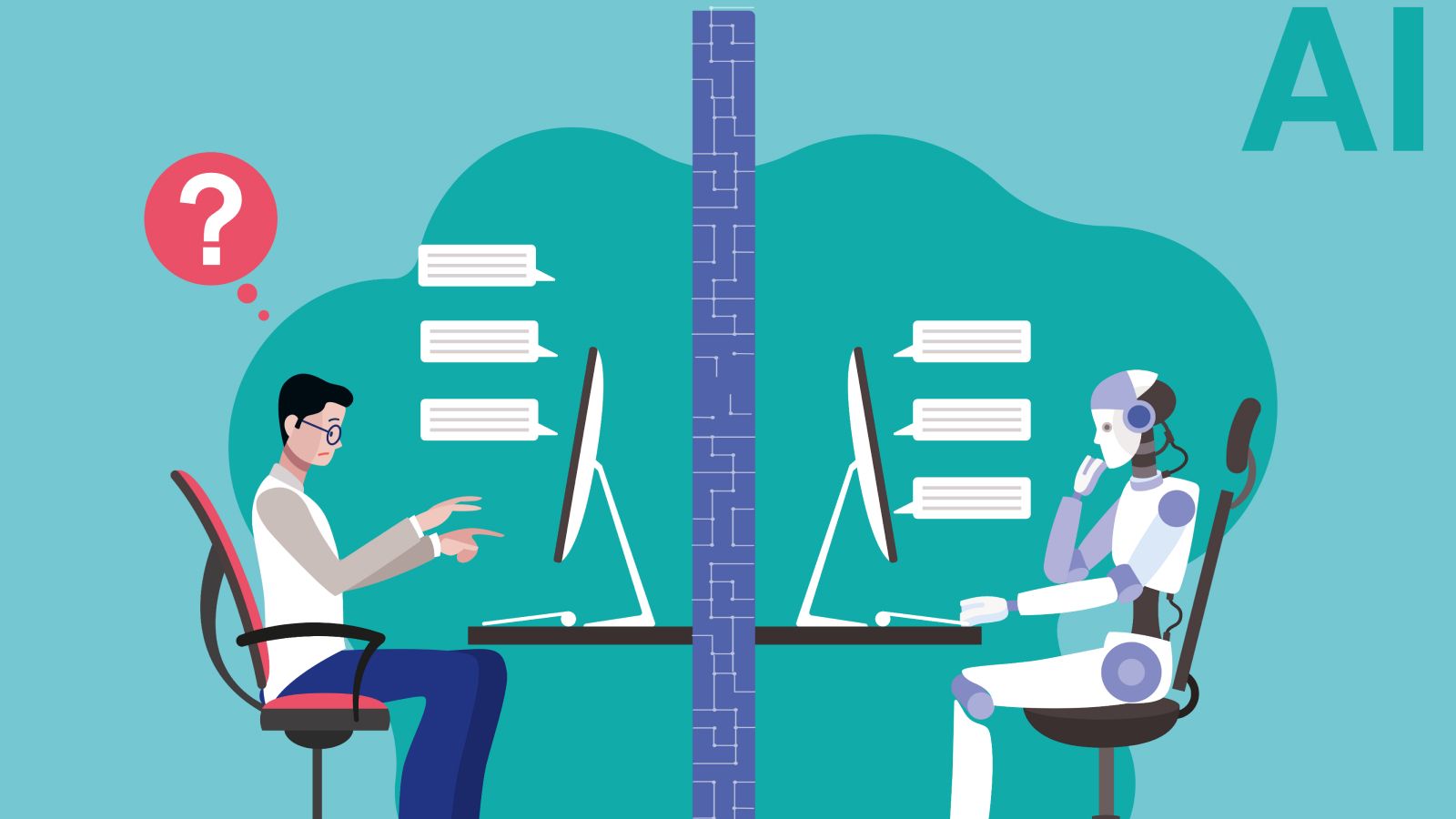
But when almost anyone can fabricate a visually similar image in seconds from a text prompt using artificial intelligence, how do people decide which image is real?
AI-generated images infiltrate science
AI tools are already changing how scientific visuals are created, shared and publicized.
Researchers use them to generate illustrations, create synthetic data, edit lab images and produce materials for education and public outreach.
While AI can help scientists communicate complicated ideas more creatively and efficiently, these same tools blur the lines between illustration, enhancement and fabrication.
In 2024, two papers were retracted after publishing AI-generated figures posessing biologically impossible structures. In April 2026, the New England Journal of Medicine retracted a paper after discovering that a clinical image had been manipulated with AI. These are just cases that came to mass public attention and are likely just the tip of the iceberg. Researchers have warned that AI-generated visuals pose growing threats in fields that depend heavily on visual evidence, such as materials science.
Get the world’s most fascinating discoveries delivered straight to your inbox.
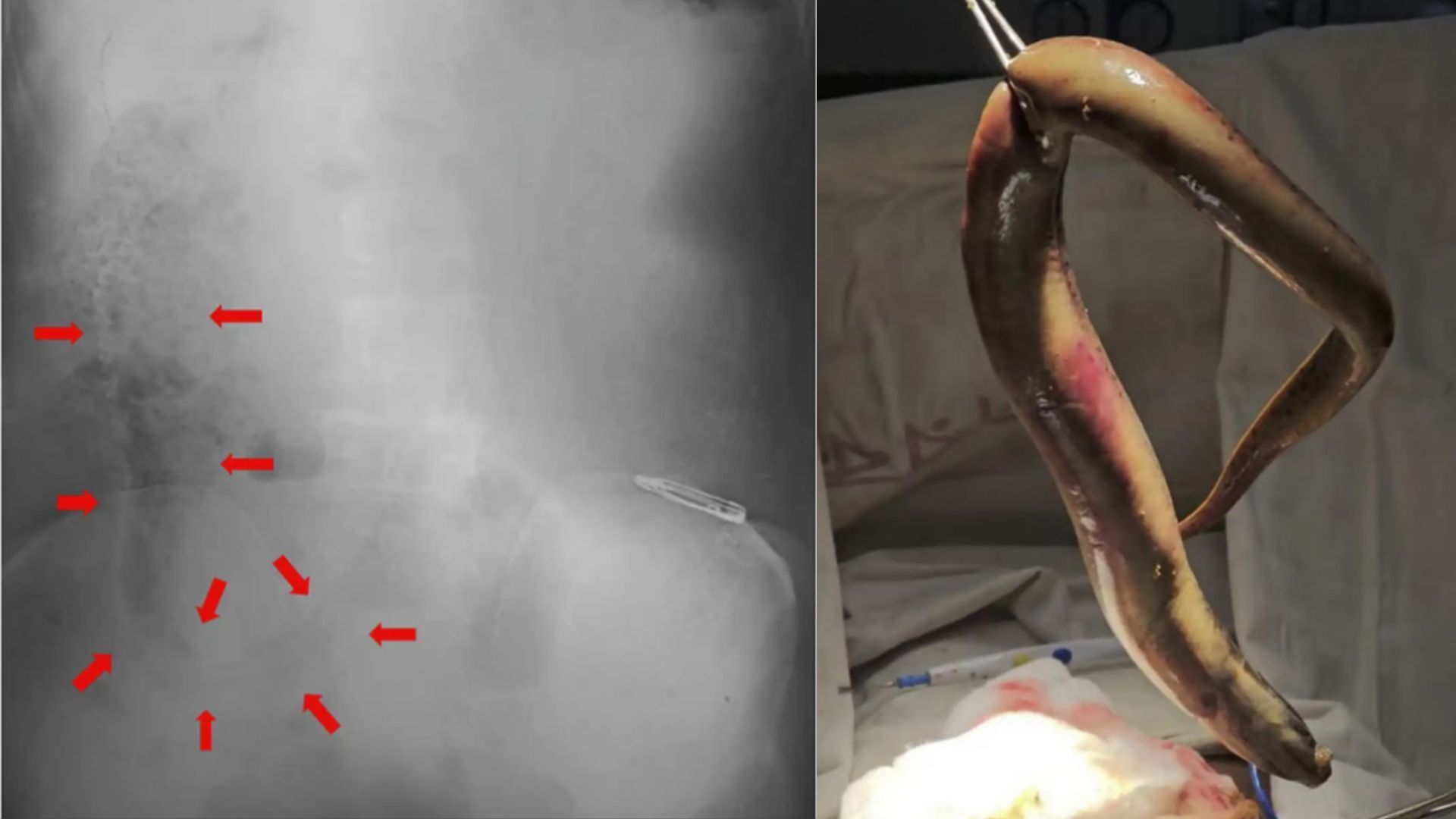
NEJM Images in Clincal Medicine from last week retracted due to AI image manipulation. Look at the numbers on the ruler🤦🏻♂️https://t.co/lafNw15Kao pic.twitter.com/c66u5ZX8PkMay 2, 2026
Academic publishers are beginning to adopt AI-detection tools. However, systems designed to detect fake images will almost always lag behind systems designed to create them. Many detectors can identify only image patterns they were trained to recognize. As new AI models emerge, developers must constantly obtain new data and retrain detectors to catch up.
The biggest concern are realistic-looking visuals that subtly distort scientific details while remaining believable enough to pass initial review.
Trust in scientific images
For decades, scientific images carried authority partly because they were difficult to produce. Creating microscope images, climate graphs and space photographs required expensive equipment, institutional resources and specialized expertise. Most people assumed such images represented true observations because very few people could make them.
Research in science communication, including my own, suggests that people judge scientific visuals using a few mental shortcuts. Does the image look technically sophisticated? Does it come from a trusted institution? Does it match what I already believe? Generative AI is undermining all three of these heuristics, or mental shortcuts.
Today, anyone can create a polished, scientific-looking image from a text prompt. Images are also detached from their original source when circulating online. When visual quality and institutional attribution become unreliable cues for judging the credibility of science images, people tend to fall back on something else: their own prior beliefs.
This image of the Earth taken from the Artemis II mission in April 2026 is very much real. Does everyone believe it?
(Image credit: NASA)
As a result, authentic scientific images that challenge someone’s existing beliefs can now be dismissed as AI-generated, whereas fabricated images that confirm them are easily accepted as evidence. AI, in this way, may amplify motivated reasoning — that is, people’s tendency to accept what they already agree with and question what they do not.
This shift matters because visuals have long served as evidence for scientific claims. Nonexpert audiences rely on images not only to see what scientists have discovered but also to develop an emotional connection and perceive credibility in the science being presented.
If audiences stop trusting visual evidence altogether, science loses one of its most powerful tools for public communication.
Transparency, not restriction
AI tools offer real benefits for researchers communicating their work to diverse audiences. The challenge is using these tools without quietly transferring AI’s credibility deficit onto the science the images are meant to convey.
One practical path forward is for researchers to treat image provenance — where an image came from and how it was created — with the same seriousness they already apply to data provenance.
Scientists routinely disclose funding resources, study methodologies and conflicts of interest. Similar standards may now be necessary for scientific images. Was AI used to generate or modify this image? Is it a direct observation, a simulation or an illustration? What exactly does the image represent, and how was it verified? Can it be replicated by other researchers?
My colleagues and I found that people’s familiarity with AI significantly shapes how they judge the credibility of AI-generated visuals. Those familiar with AI tools were more likely to view AI disclosure as a sign of transparency, and some rated clearly labeled AI-generated content as more credible than unlabeled content.
Transparency gives audiences the necessary context to evaluate what they are seeing, but it may not resolve every dispute about how images are made. Responsible use of AI-generated scientific images will require honesty, adherence to professional norms and the collective development of evidence-based standards across fields.
Why authentic images remain powerful
The original Apollo 8 “Earthrise” photograph of 1968 carries significant emotional impact. So do the Artemis II images of 2026.
What makes them meaningful is not simply their beauty. It is their traceable connection to scientific reality. When people look at these photographs of planets, they also know there are astronauts, physical cameras, documented missions and verifiable observations behind the images. In this sense, authenticity is a documented relationship between an image and the world.
In the age of generative AI, scientific institutions can no longer assume audiences will automatically trust their visuals. Trust now depends on transparency, documentation and clear communication about how visual evidence is produced.
Without guidelines and standards, science risks entering a world where every image can be questioned and no image carries inherent credibility.
This edited article is republished from The Conversation under a Creative Commons license. Read the original article.