




The fat your grandmother fried chicken in is having a moment. Beef tallow, once pushed out of American kitchens by cheaper seed oils, is back on grocery shelves, fast-food menus and wellness influencer feeds, and the comeback has as much to do with culture as it does with cooking.
Driving the revival are three overlapping forces. The MAHA (Make America Healthy Again) movement has branded beef tallow as “real food” uncorrupted by corporate agriculture. Wellness influencers are aggressively vilifying seed oils as inflammatory and highly processed. And fast-food chains, long associated with vegetable oil fryers, are quietly reformulating with grass-fed tallow to court trend-conscious diners.
Why Beef Tallow Is Suddenly Everywhere
Scroll TikTok or X and you’ll see the same story on repeat. Influencers urge a return to the animal fats their great-grandparents cooked with, warning that industrial seed oils are driving modern disease. The MAHA movement has made that message political, framing ancestral fats as a rebuke to processed food.
Snack brands and fast-food chains have taken notice. Several have updated recipes to feature grass-fed beef tallow, pitching it to health-conscious shoppers and nostalgia-driven eaters who remember when fries tasted different.
What Beef Tallow Actually Is
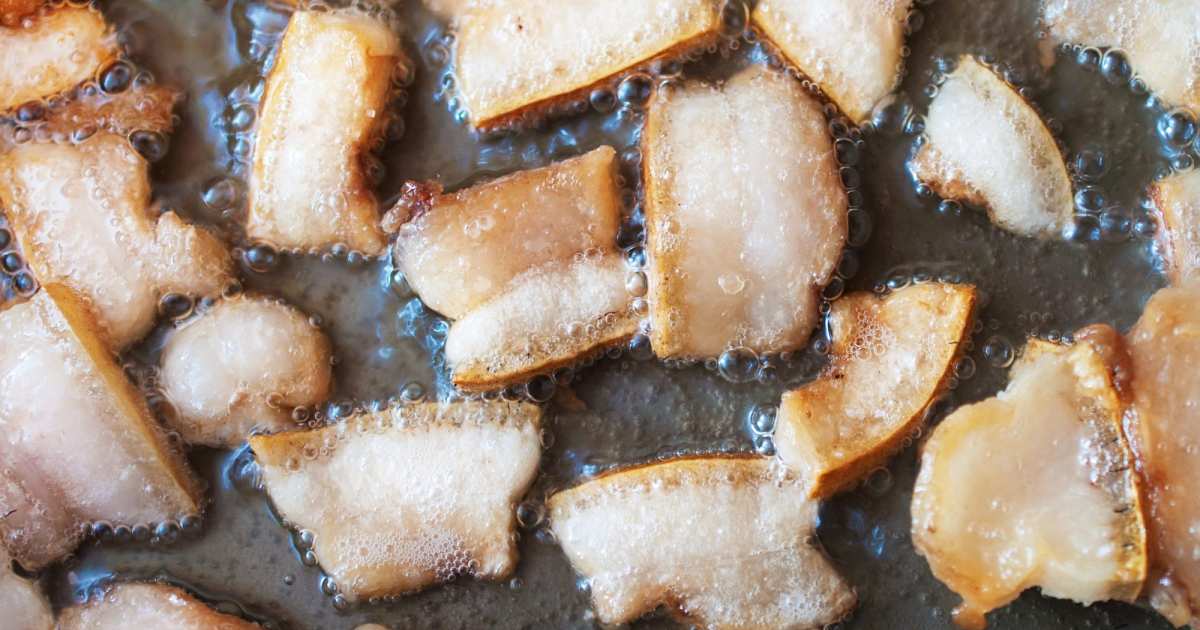
Strip away the social media noise and the product itself is straightforward. In an explainer for Martha Stewart, Bridget Shirvell describes it as a rendered form of beef fat known for its rich flavor and high smoke point of 400 degrees Fahrenheit. Traditionally, she notes, it was used in European and American kitchens for frying, roasting, and even pastry making, where it would give everything from flaky pie crusts to hand-cut fries a deep, savory taste and a crispy texture.
That high smoke point is part of why cooks like it for deep-frying. It also means the fat holds up for searing steaks, roasting potatoes and crisping breaded foods without breaking down.
How Chefs and Home Cooks Are Using It
Jesse Konig, chef and co-founder of frozen fry brand Jesse and Ben’s, told MarthaStewart.com that his weeknight go-to is a one-pan fajita bowl. “I like to sauté thinly sliced peppers and onions in beef tallow until they’re soft and slightly caramelized. Then I add a pound of ground beef right into the same pan, let it all cook together, and serve it over rice with some avocado on the side. It’s quick, flavorful, and the tallow adds a rich depth that ties everything together,” he wrote.
Home cooks are reaching for it in similar ways. A small spoonful in a hot cast-iron pan helps build a crust on ribeye, sirloin or burgers. Tossed with salt, garlic powder and rosemary, it turns roasted potatoes and homemade fries extra crispy. It’s also a traditional choice for deep-frying chicken, chicken tenders and breaded fish.
Greg Hozinsky, corporate chef for Coast Packing Co., a supplier of beef tallow and other animal fats, told Food Processing that the biggest draw is sensory. “Perhaps the most advantageous property of using beef tallow, however, is the flavor and texture it provides. Foods fried in beef tallow are less greasy, creating a crispy exterior without the oily feel often associated with seed oils,” he said.
Hozinsky also notes tallow doubles as a shortening in sweet and savory baking, working in everything from pie crusts and breads to cakes, tortillas and even frosting bases.
Where You’re Seeing It Next
Expect the trend to keep spilling into the mainstream. As fast-food chains tout tallow fryers and jars of rendered beef fat crowd oil aisles, the question for most home cooks won’t be whether they’ve heard of tallow. It’ll be whether they want to try cooking with it.
Ultimately, beef tallow’s return is about more than what’s in the frying pan. It represents a renewed appetite for traditional ingredients, a growing interest in how food is made and a willingness to reconsider the cooking staples that once defined American kitchens.