

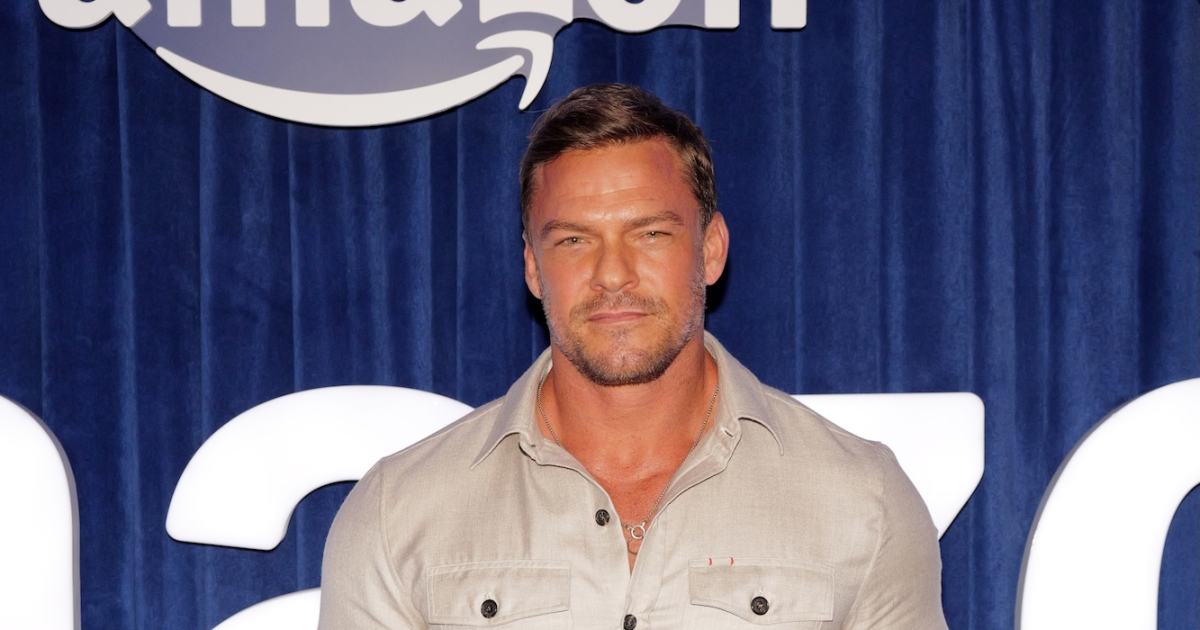

Reacher star Alan Ritchson has become one of Hollywood’s most visible advocates for testosterone replacement therapy, framing it not as a shortcut but as medical recovery after he pushed his body past its limits. As Amazon’s hit series eyes a long run, Ritchson’s openness is beginning to shift a conversation that has largely lived in men’s-health forums and locker rooms.
What’s Happening in the Testosterone Replacement Therapy Space
Ritchson, 6-foot-3 and now roughly 235 pounds, gained 30 pounds between his casting and the February 2022 premiere of Reacher, the Amazon Prime Video adaptation of Lee Child’s novels. He has said the transformation left him with a broken acromioclavicular joint that required surgery and, by the end of season 1, essentially no measurable testosterone.
A month after season 1 wrapped, his doctor recommended testosterone replacement therapy. Season 2 arrived in December 2023, and across interviews with Men’s Health, GQ and Military.com, Ritchson has returned to the same message: the therapy is medical, not cosmetic, and men over 40 should know it exists.
“Getting on testosterone was huge for me,” he told Men’s Health. “I had none by the time I was done with season 1, due to the stress and the fatigue and what I had done to my body.”
Why It’s Happening
Three forces are pushing Ritchson’s story into mainstream fitness and wellness conversation.
Production reality is the first. Ritchson has said a Skydance Television executive called after season 1 to tell him he had lost too much weight, and that a studio note before season 2 was blunt: “We’re not happy with your size.” A seven-day shoot schedule, he said, made it nearly impossible to sustain a two-hour daily gym plan on his own.
Physical cost is the second. Ritchson told Men’s Health he “ravaged” his body during the initial bulk, straining muscles and working through injuries because he didn’t have time to heal. He now trains roughly 30 minutes a day and credits TRT for making the maintenance sustainable — describing his dose as clinical and low, and explicitly saying he has never taken anything close to 600 milligrams a week.
Stigma is the third. Ritchson told GQ he heard TRT described as “steroids with a doctor’s note” and had to reckon with that framing publicly, insisting the hormone was simply missing from his bloodwork and needed to be replaced.
“I want to do Reacher for 15 years … I don’t want to have to have surgery after every season, and testosterone helps.”
— Alan Ritchson, star of Reacher, Amazon Prime Video
What Could Be Next for TRT Advocacy
Ritchson’s advocacy is arriving as TRT moves from a niche men’s-health topic into celebrity-driven discussion — and his platform is only growing as Reacher continues on Amazon. Expect three shifts in the months ahead.
A louder celebrity-endorsed TRT conversation. Ritchson has told both Men’s Health and GQ that he considers himself “a big advocate” of TRT, particularly for men in their 40s and older, and that he sees it as a potential mood stabilizer — not just a muscle aid. That framing, hormone replacement as general middle-aged wellness rather than bodybuilding, is the version most likely to travel. Reader action: if you’re weighing TRT, ask a physician for a full hormone panel first. Ritchson’s own decision followed bloodwork showing depletion, not a cosmetic goal.
More transparency from action stars about physical transformations. Ritchson has openly corrected the record with GQ, saying his 30-pound gain was not all lean muscle, that he went from 205 to 235 pounds in eight months and that he was “eating a tonne.” He has also pushed back on the studio pressure that shaped season 2 and on online criticism after a stunt-double running shot went viral. Reader action: treat single-season body transformations as production choices, not achievable templates. Ritchson has been explicit that the pace of his first bulk was, in his own words, something that “shouldn’t happen that fast.”
A longer, quieter Reacher era. Ritchson has said he wants to play the character for 15 years and has restructured his training and hormone regimen around durability rather than short-burst gains. That points to a physique that stays consistent season to season rather than swinging up and down, and to a star who will keep talking publicly about the medical side of the job. Reader action: watch how season 4 marketing frames his physique. A stable presentation would confirm the maintenance-first approach he has described.
The clear takeaway: Ritchson has made TRT part of his professional infrastructure, and his willingness to name it is likely to reshape how leading men talk about the physical cost of on-screen size.
THREE SIGNALS TO WATCH
1. The premiere date and promotional imagery for Reacher season 4 on Amazon Prime Video.
2. Ritchson’s next long-form interview about training, dosing or recovery.
3. Any public follow-up from Skydance Television or Amazon on physical expectations for future seasons.