




Rising temperatures around the globe are contributing to a range of health risks, from infectious disease to food insecurity and wildfire smoke. Extreme heat is another major public health concern, as climate change drives up both average temperatures and the frequency of extremely hot days. This August was the world’s hottest on record, and it drove upticks in heat-related emergency visits and deaths in various U.S. states.
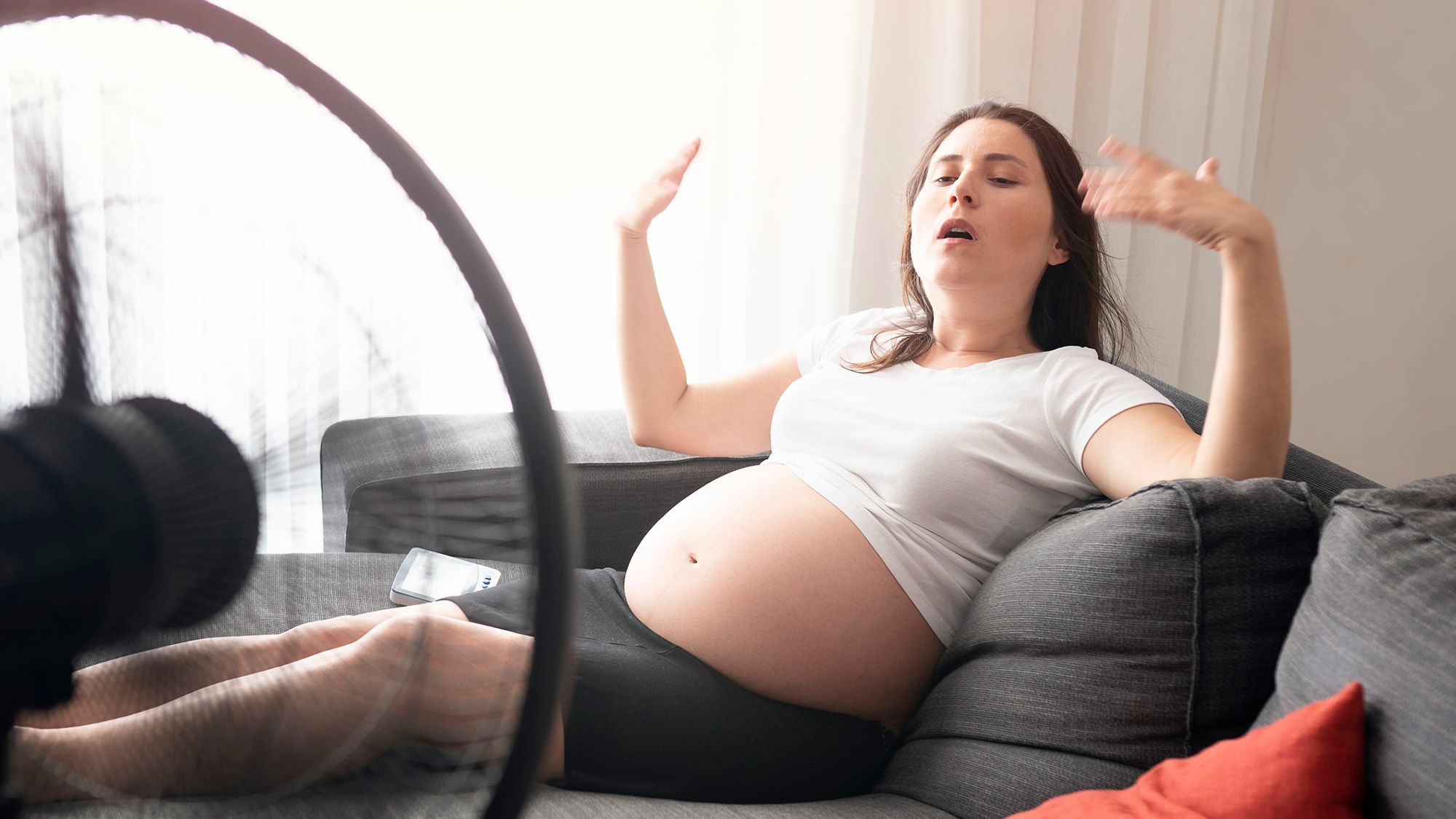
Hotter weather is expected to pose dangerous health risks for millions, and pregnant people are especially vulnerable to its impacts, experts caution.
“Pregnant people are physiologically more vulnerable to heat,” Dr. Susanna Esposito, a pediatrician at the University of Parma in Italy, told Live Science. “Climate adaptation should treat pregnant people as a priority population.”
Extreme heat is linked to adverse birth outcomes that can be fatal for both mothers and newborns. Heat can also hinder fetuses’ development, contributing to long-term health and cognitive effects.
Scientists and public health experts are working to identify the thresholds between safe and dangerous heat for maternal and prenatal health. As the planet warms, how will that affect the risks associated with pregnancy? And how can those risks be countered?
Low birth weight
When the body tries to cool down, blood moves to the extremities to dissipate heat through the skin’s surface. Some studies suggest that, in a pregnant person, this may reduce blood flow to the placenta, which in turn reduces the organ’s supply of oxygen and nutrients. This is thought to contribute to low birth weight, which is associated with a heightened risk of illness and death shortly after birth, as well as cognitive and mental-health challenges later in life.
Heat stress may also spike the body’s levels of cortisol beyond what they should be in a healthy pregnancy, studies in lab animals suggest. This may expose developing fetuses to more cortisol than usual, affecting some aspects of development and functions of the placenta. This mechanism is not fully understood in humans yet, though.
That said, several studies in humans support the notion of a link between heat exposure and low birth weight. Mothers who were pregnant during a 2003 heat wave in France were more than twice as likely to have a baby of low birth weight than mothers whose pregnancies did not coincide with the extreme heat. The trend was especially strong when the heat wave hit during a person’s first trimester.
In a study conducted in Arizona, hotter temperatures during the third trimester were also associated with lower birth weight, said study co-author Kristin Mickelson, a sociologist who studies public health at the Arizona State University.
Exposure to extreme heat has been linked to a higher chance of babies being born at a low weight. The reasons why are still being studied, however.
(Image credit: Jose Luis Pelaez Inc via Getty Images)
Preterm and early birth
Preterm delivery — before 37 weeks of gestation — is one of the most concerning health outcomes that’s been linked to heat, Esposito told Live Science. The risk of neurological and developmental disabilities is higher in preterm babies than in full-term babies.
“If you’re born preterm, you have a heightened risk of all sorts of adversities throughout infancy, but then also extending into childhood and even longer term,” said Clara Heil, health researcher at Lund University in Sweden.
Severe heat may make preterm birth more likely. A review of 70 studies suggests that the chance of preterm birth is 16% higher when a multiday heat wave hits during the final weeks of pregnancy. Regarding average temperatures across an entire pregnancy, each additional 1.8 degrees Fahrenheit (1 degree Celsius) boosts the risk of preterm birth by 5%, the same review found.
High temperatures have also been tied to early births, which occur after 37 weeks of pregnancy but before 39 completed weeks. Early birth is associated with an increased risk of hospitalizations through childhood and slower neurologic development.
A study analyzing 56 million U.S. births across two decades suggested there was about 1 more early birth per 100,000 pregnancies on days with a maximum temperature above 90 F (32.2 C), compared to 60 to 70 F (15 to 21 C). Deliveries on hot days were typically about six days earlier than anticipated, but some were up to two weeks early.
With average temperatures continuing to rise, early and premature births could become more common. The United Nations predicts that the world is set to cross the 1.5 C (2.7 F) threshold of warming compared with pre-industrial levels, likely within the next five years, and we may even surpass the 2 C (3.6 F) threshold in that timeframe.
“We can probably expect to see these temperatures, or worse, in the upcoming years,” Lizbeth Burgos Ochoa, statistician at Tilburg University in the Netherlands, told Live Science.
Preeclampsia, heart defects and other risks
Maternal heat exposure has also been associated with an increased risk of preeclampsia, a pregnancy complication related to blood pressure that can be fatal. In a 2011 study conducted in France, hotter temperatures during the first trimester were associated with a slightly increased risk of severe preeclampsia, although more research is needed to understand why.
Heat exposure has also been linked to other conditions of pregnancy, including gestational diabetes and hypertension, as well as increased emergency hospital admissions during pregnancy, overall.
Additional studies have highlighted potential risks for developing fetuses and newborns. For example, following a heat wave in Canada, the risk of a baby being born with critical heart defects was 6% higher, one study found. Babies with the highest risk had been exposed to temperatures of 86 F (30 C) or higher for at least 15 days during the first trimester of pregnancy.
Extreme heat waves may also raise the chance of stillbirth, according to a study conducted across six U.S. states. Four consecutive unusually hot days — exceeding the 97.5th percentile of temperature for a given county — in the last week of pregnancy was linked to a 3% increase in the risk of stillbirth.
These studies are observational, so they show links between heat and pregnancy outcomes but cannot directly show that the heat spurred the increased risks. They also don’t take into account study participants’ home environments or strategies for cooling off, so they don’t provide a full picture of how much heat they were exposed to.
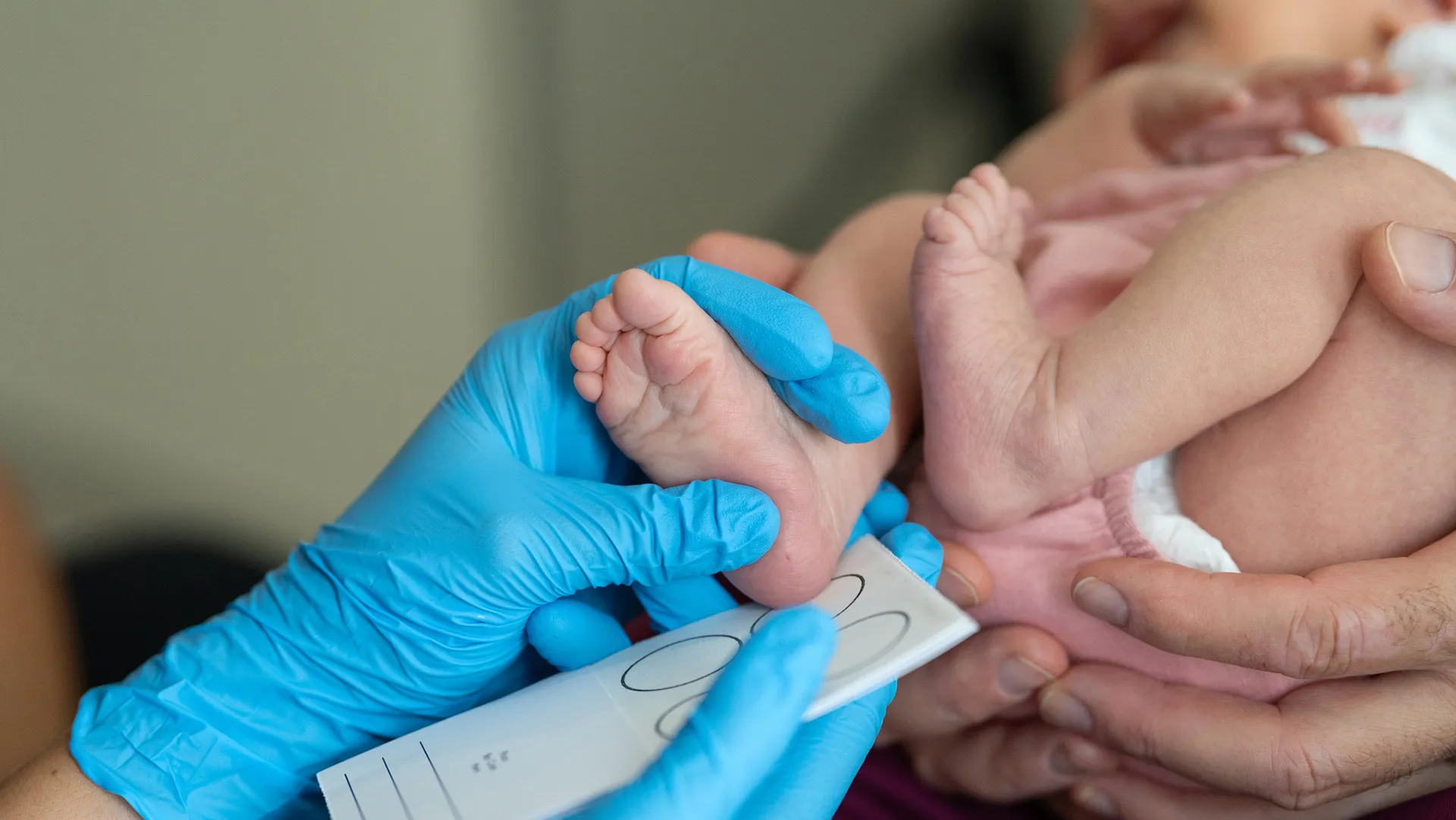
Studies suggest that both maternal, prenatal and newborn health can be negatively impacted by exposure to extreme heat during pregnancy.
(Image credit: Abraham Gonzalez Fernandez viaGetty Images)
Caring for pregnant people and the next generation
Researchers are still working to understand what temperatures pregnant people should be most concerned about.
“It would be [helpful] to understand what level of heat becomes dangerous to women,” Heil said. “Is there a threshold where it becomes difficult for the body to dissipate heat? And especially for the pregnant body, which is different from the non-pregnant body, to cope with that heat?”
Heil and her research team synthesized over 100 studies on heat and poor birth outcomes, such as stillbirth, preterm birth, placental abruption and preeclampsia. The studies varied considerably in that they covered different timeframes, focusing on just one trimester or all three, for instance. But in general, their results converged on a pattern: The risk of poor outcomes rose as temperatures hit about 87 F (30.5 C). At 102 F (39 C), the combined risk of poor outcomes rose by 20%.
This summer, daytime maximum temperatures in the continental U.S. averaged a record-breaking 88.6 F (31.4 C). The number of days per year over 105 F (35 C) is expected to triple in the U.S. by midcentury.
Exclusive to Live Science Pro
Heat’s detrimental effects on birth outcomes are even more extreme for those with disadvantaged socioeconomic conditions, Burgos Ochoa noted. People with lower incomes are less likely to have air conditioning, and neighborhoods with a lower median income tend to have less green space, which contributes to trapped heat in their immediate surroundings. Expanding green spaces and adding bodies of water can help cool down neighborhoods and mitigate heat impacts on health, she said.
Heil’s research team has developed a phone app for pregnant people and those who have recently given birth that forecasts the risk of heat stress and suggests actions to take to mitigate those risks, such as hydrating or changing clothing. Heil is hopeful that the app and similar early-warning systems can make a difference.
“Maternal health should be at the top [of our concerns], because it is about the next generation,” Mickelson said. “If we don’t take care of the mothers that are giving birth to the next generation, that’s going to have long-term consequences down the road.”
This article is for informational purposes only and is not meant to offer medical advice.
Help us improve Live Science Pro: We’re always trying to make our content better. Leave us feedback about Pro here.