


Close Menu
  • Home
  • United States
  • World
  • Politics
  • Business
  • Lifestyle
  • Entertainment
  • Health
  • Science
  • Tech
  • Sports
  • More
    • Web Stories
    • Editor’s Picks
    • Press Release

Subscribe to Updates

Get the latest USA news and updates directly to your inbox.

What's On
Trump suggests Iran war could last ‘another two weeks,’ ‘maybe three weeks’

Trump suggests Iran war could last ‘another two weeks,’ ‘maybe three weeks’

May 5, 2026
Prince Harry looks as sad as the Duke of Windsor did after royal exit: author

Prince Harry looks as sad as the Duke of Windsor did after royal exit: author

May 5, 2026
More Than a Dozen Women Accuse Ex-Congressman Eric Swalwell of Misconduct as He Championed Victims

More Than a Dozen Women Accuse Ex-Congressman Eric Swalwell of Misconduct as He Championed Victims

May 5, 2026
Facebook X (Twitter) Instagram
Trending
  • Trump suggests Iran war could last ‘another two weeks,’ ‘maybe three weeks’
  • Prince Harry looks as sad as the Duke of Windsor did after royal exit: author
  • More Than a Dozen Women Accuse Ex-Congressman Eric Swalwell of Misconduct as He Championed Victims
  • Miami’s Super Bowl drought set to hit a decade over ‘requirements and demands’ issue
  • Experimental hair loss pill just cleared a major hurdle — when it could hit shelves
  • Ron DeSantis making moves for 2028 White House bid — but will MAGA embrace Trump’s former foe?
  • Trump presses Kansas City BBQ restaurant owner on whether Patrick Mahomes will start Week 1 of NFL season
  • The Secret to Martha Stewart’s Airbrushed Makeup Is This Setting Spray Loved by Shoppers
  • Privacy
  • Terms
  • Advertise
  • Contact Us
Join Us
USA TimesUSA Times
Newsletter Login
  • Home
  • United States
  • World
  • Politics
  • Business
  • Lifestyle
  • Entertainment
  • Health
  • Science
  • Tech
  • Sports
  • More
    • Web Stories
    • Editor’s Picks
    • Press Release
USA TimesUSA Times
Home » ‘The brain consistently moved upward and backward’: Astronauts’ brains physically shift in their heads during spaceflight
‘The brain consistently moved upward and backward’: Astronauts’ brains physically shift in their heads during spaceflight
Science

‘The brain consistently moved upward and backward’: Astronauts’ brains physically shift in their heads during spaceflight

News RoomBy News RoomFebruary 15, 20261 ViewsNo Comments

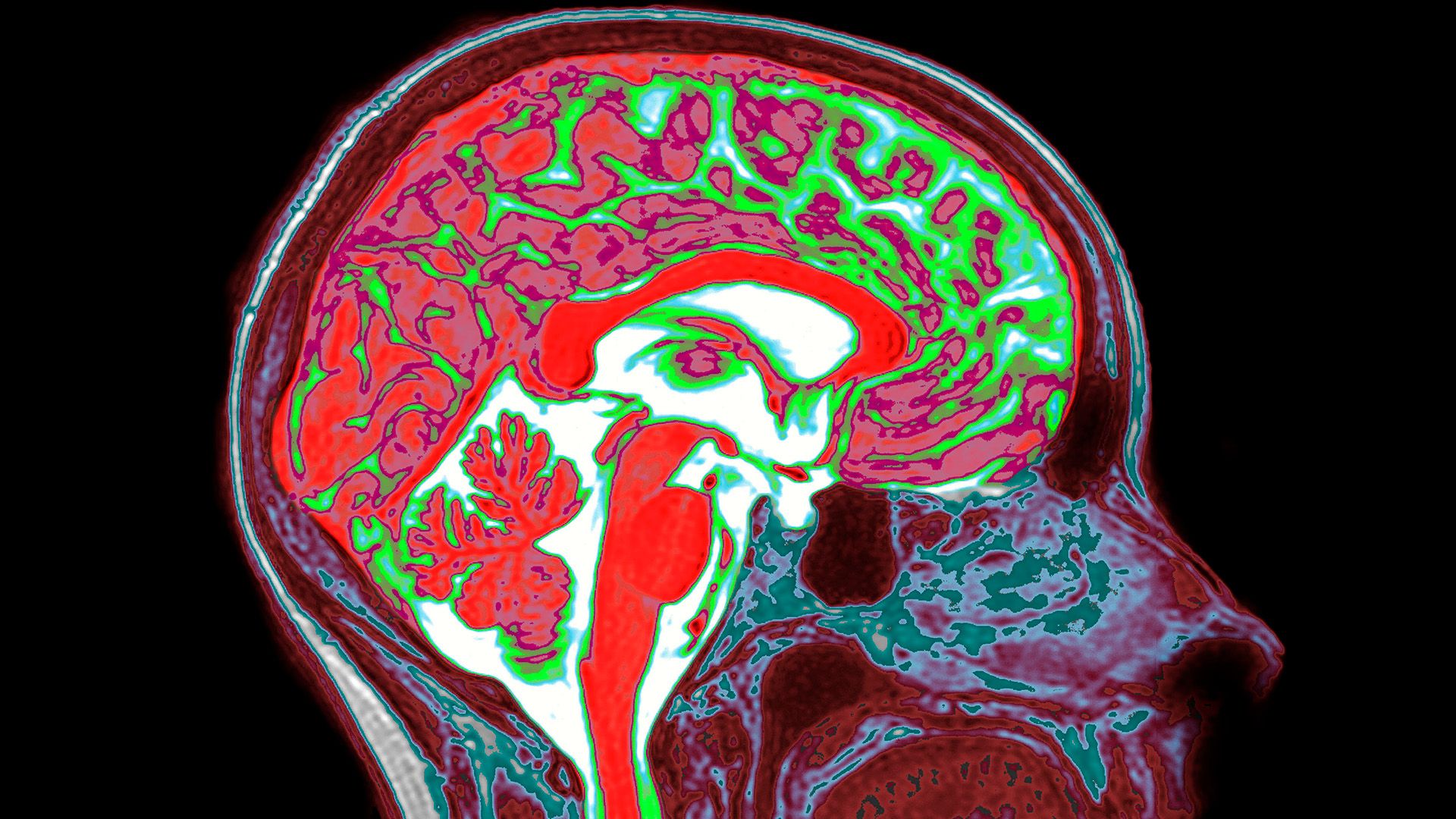
Going to space is harsh on the human body, and as a new study from our research team finds, the brain shifts upward and backward and deforms inside the skull after spaceflight.

The extent of these changes was greater for those who spent longer in space. As NASA plans longer space missions, and space travel expands beyond professional astronauts, these findings will become more relevant.

Why it matters

On Earth, gravity constantly pulls fluids in your body and your brain toward the center of the Earth. In space, that force disappears. Body fluids shift toward the head, which gives astronauts a puffy face. Under normal gravity, the brain, cerebrospinal fluid and surrounding tissues reach a stable balance. In microgravity, that balance changes.


You may like

Without gravity pulling downward, the brain floats in the skull and experiences various forces from the surrounding soft tissues and the skull itself. Earlier studies showed that the brain appears higher in the skull after spaceflight. But most of those studies focused on average or whole brain measures, which can hide important effects within different areas of the brain.

Our goal was to look more closely.

What Happens To The Human Body In Space – YouTube


Watch On

How we do our work

We analyzed brain MRI scans from 26 astronauts who spent different lengths of time in space, from a few weeks to over a year. To focus on the brain’s movement, we aligned each person’s skull across scans taken before and after spaceflight.

That comparison allowed us to measure how the brain shifted relative to the skull itself. Instead of treating the brain as a single object, we divided it into more than 100 regions and tracked how each one had shifted. This approach enabled us to see patterns that were missed when looking at the whole brain, on average.

Get the world’s most fascinating discoveries delivered straight to your inbox.

We found that the brain consistently moved upward and backward when comparing postflight to preflight. The longer someone stayed in space, the larger the shift. One of the more striking findings came from examining individual brain regions.

In astronauts who spent about a year aboard the International Space Station, some areas near the top of the brain moved upward by more than 2 millimeters, while the rest of the brain barely moved. That distance may sound small, but inside the tightly packed space of the skull, it is meaningful.

Areas involved in movement and sensation showed the largest shifts. Structures on the two sides of the brain moved toward the midline, which means they moved in the opposite direction for each brain hemisphere. These opposing patterns cancel each other out in whole brain averages, which explains why earlier studies missed them.


You may like

Most of the shifts and deformations gradually returned to normal by six months after return to Earth. The backward shift showed less recovery, likely because gravity pulls downward rather than forward, so some effects of spaceflight on brain position may last longer than others.

What’s next

NASA’s Artemis program will mark a new era of space exploration. Understanding how the brain responds will help scientists assess long-term risks and develop countermeasures.

Our findings don’t mean that people should not travel to space. While we found that larger location shifts of a sensory-processing brain region correlated with postflight balance changes, the crew members did not experience overt symptoms — such as headaches or brain fog — related to brain position shifts.

Our findings do not reveal immediate health risks. Knowing how the brain moves in spaceflight and subsequently recovers allows researchers to understand the effects of microgravity on human physiology. It can help space agencies to design safer missions.

This edited article is republished from The Conversation under a Creative Commons license. Read the original article.

Share. Facebook Twitter LinkedIn Telegram WhatsApp Email

Keep Reading

‘They weren’t burned by accident’: Mysterious green rocks discovered high in Pyrenees reveal ancient copper-smelting camp

‘They weren’t burned by accident’: Mysterious green rocks discovered high in Pyrenees reveal ancient copper-smelting camp

Estrogen in both the male and female brain shapes responses to trauma, study suggests

Estrogen in both the male and female brain shapes responses to trauma, study suggests

NASA just released 12,000 more Artemis II photos ‪—‬ here are a dozen of our favorites

NASA just released 12,000 more Artemis II photos ‪—‬ here are a dozen of our favorites

Hantavirus infects at least 1 on cruise ship, while 5 others fall ill: Here’s what we know

Hantavirus infects at least 1 on cruise ship, while 5 others fall ill: Here’s what we know

‘Moved to tears when we saw them’: Why archaeologists re-created gorgeous outfits from centuries-old Christian Nubian murals

‘Moved to tears when we saw them’: Why archaeologists re-created gorgeous outfits from centuries-old Christian Nubian murals

Athena bowl: A silver and gold vessel of the goddess and her owl, buried in a German forest 2,000 years ago

Athena bowl: A silver and gold vessel of the goddess and her owl, buried in a German forest 2,000 years ago

‘Sacrifice zones’ around critical mineral mines are rife with pollution, child workers and birth defects

‘Sacrifice zones’ around critical mineral mines are rife with pollution, child workers and birth defects

The Eta Aquariid meteor shower peaks this week: How to see ‘shooting stars’ dropped by Halley’s Comet

The Eta Aquariid meteor shower peaks this week: How to see ‘shooting stars’ dropped by Halley’s Comet

Scientists detect an enormous halo around the iconic Sombrero Galaxy — Space photo of the week

Scientists detect an enormous halo around the iconic Sombrero Galaxy — Space photo of the week

Add A Comment
Leave A Reply Cancel Reply

Editors Picks

Prince Harry looks as sad as the Duke of Windsor did after royal exit: author

Prince Harry looks as sad as the Duke of Windsor did after royal exit: author

May 5, 2026
More Than a Dozen Women Accuse Ex-Congressman Eric Swalwell of Misconduct as He Championed Victims

More Than a Dozen Women Accuse Ex-Congressman Eric Swalwell of Misconduct as He Championed Victims

May 5, 2026
Miami’s Super Bowl drought set to hit a decade over ‘requirements and demands’ issue

Miami’s Super Bowl drought set to hit a decade over ‘requirements and demands’ issue

May 5, 2026
Experimental hair loss pill just cleared a major hurdle — when it could hit shelves

Experimental hair loss pill just cleared a major hurdle — when it could hit shelves

May 5, 2026

Subscribe to News

Get the latest USA news and updates directly to your inbox.

Latest News
Ron DeSantis making moves for 2028 White House bid — but will MAGA embrace Trump’s former foe?

Ron DeSantis making moves for 2028 White House bid — but will MAGA embrace Trump’s former foe?

May 5, 2026
Trump presses Kansas City BBQ restaurant owner on whether Patrick Mahomes will start Week 1 of NFL season

Trump presses Kansas City BBQ restaurant owner on whether Patrick Mahomes will start Week 1 of NFL season

May 5, 2026
The Secret to Martha Stewart’s Airbrushed Makeup Is This Setting Spray Loved by Shoppers

The Secret to Martha Stewart’s Airbrushed Makeup Is This Setting Spray Loved by Shoppers

May 5, 2026
Facebook X (Twitter) Pinterest WhatsApp TikTok Instagram
© 2026 USA Times. All Rights Reserved.
  • Privacy Policy
  • Terms
  • Advertise
  • Contact

Type above and press Enter to search. Press Esc to cancel.