

Close Menu
  • Home
  • United States
  • World
  • Politics
  • Business
  • Lifestyle
  • Entertainment
  • Health
  • Science
  • Tech
  • Sports
  • More
    • Web Stories
    • Editor’s Picks
    • Press Release

Subscribe to Updates

Get the latest USA news and updates directly to your inbox.

What's On
Taylor Frankie Paul Says Last 40 Days ‘Felt Like Hell on Earth’ Amid Domestic Violence Claims

Taylor Frankie Paul Says Last 40 Days ‘Felt Like Hell on Earth’ Amid Domestic Violence Claims

April 6, 2026
Mike Washington Jr. hopes his ‘ million run’ inspires others overlooked on NFL draft path

Mike Washington Jr. hopes his ‘$1 million run’ inspires others overlooked on NFL draft path

April 6, 2026
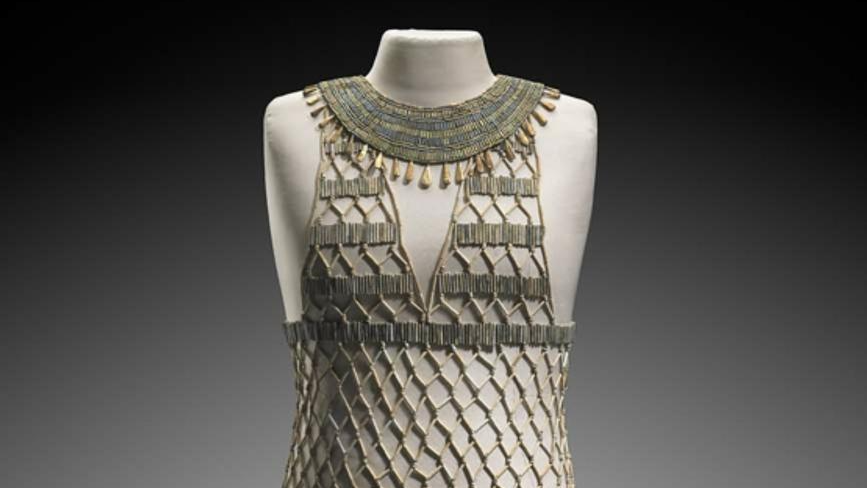
Beadnet dress: A 4,500-year-old ancient Egyptian funeral ‘gown’ that was in vogue during the Old Kingdom

Beadnet dress: A 4,500-year-old ancient Egyptian funeral ‘gown’ that was in vogue during the Old Kingdom

April 6, 2026
Facebook X (Twitter) Instagram
Trending
  • Taylor Frankie Paul Says Last 40 Days ‘Felt Like Hell on Earth’ Amid Domestic Violence Claims
  • Mike Washington Jr. hopes his ‘$1 million run’ inspires others overlooked on NFL draft path
  • Beadnet dress: A 4,500-year-old ancient Egyptian funeral ‘gown’ that was in vogue during the Old Kingdom
  • Exclusive | Anthropic backers fret over AI giant’s volatile CEO Dario Amodei as billions hang in the balance: ‘Cannot control his emotions’
  • Construction workers unearth 300-year-old cast-iron cannon in Hull, UK
  • Britney Spears Enjoys ‘Fun Afternoon’ With Diane Warren and Molly Shannon After DUI Arrest
  • Luke Kennard must step up for Lakers without Luka Doncic and Austin Reaves
  • Blue states plot exit taxes to trap fleeing millionaires as tax revolt spreads
  • Privacy
  • Terms
  • Advertise
  • Contact Us
Join Us
USA TimesUSA Times
Newsletter Login
  • Home
  • United States
  • World
  • Politics
  • Business
  • Lifestyle
  • Entertainment
  • Health
  • Science
  • Tech
  • Sports
  • More
    • Web Stories
    • Editor’s Picks
    • Press Release
USA TimesUSA Times
Home » One of the last Siberian shamans was an 18th-century woman whose parents were related, DNA study reveals
One of the last Siberian shamans was an 18th-century woman whose parents were related, DNA study reveals
Science

One of the last Siberian shamans was an 18th-century woman whose parents were related, DNA study reveals

News RoomBy News RoomJanuary 7, 20262 ViewsNo Comments

The centuries-old mummified remains of Indigenous Siberians are revealing secrets about their genetics over a vast period — before, during and after Russia’s conquest of their land — including that a female shaman buried in a red woolen dress had closely related parents, a new study finds.

Archaeologists recovered the naturally mummified remains of more than 100 Indigenous Yakuts who were buried in Siberia between the 14th and 19th centuries. Their DNA analysis of the bodies shows that the Yakuts resisted Russian attempts at conquest and Christianization in a way that typically isn’t seen in Indigenous populations.

The researchers detailed their archaeogenetic investigations in Yakutia (also called the Sakha Republic), the northeastern part of Siberia and one of the coldest regions on the planet, in a study published Wednesday (Jan. 7) in the journal Nature. After nearly 16 years of archaeological excavation, researchers had uncovered 122 individuals from four regions of Yakutia dated to before and after the Russian Empire began its conquest of Siberia in 1632. The research team then analyzed the Indigenous Yakuts’ DNA to test whether Russian conquest changed their genetics.


You may like

They found that the genetic origins of the modern Yakuts dated back to the 12th to 13th centuries, which confirms the Yakuts’ oral histories. But unlike what happened in other colonial conquests — such as the Hispanic conquest of the Americas — the researchers did not find strong evidence of population decline or intermixing between Russians and Yakuts.

“The analyses show that Yakut genetic heritage has remained stable from the 16th century to today,” study co-author Perle Guarino-Vignon, a postdoctoral researcher at the Saint-Antoine Research Center in Paris, said in a statement. “There was therefore no conquest through demographic replacement, possibly due to the logistical difficulties of settling in such an extreme environment.”

The researchers also investigated the Yakuts’ oral microbiome — the community of microorganisms that lives in a person’s mouth — by analyzing the mummies’ teeth and dental plaque. Although the scientists hypothesized that the microbiome would change over time due to Russian settlers’ introduction of foods like barley, rye and tobacco, the analysis revealed that the Yakuts’ microbiome was strikingly stable in spite of the Russian conquest.

Shamanism in Siberia

The Yakut graves also revealed that traditional shamanism was practiced well into the late 18th century, long after Russia had attempted to Christianize the Yakuts. The last Yakut shaman, a woman who was in her 30s when she died over 250 years ago, also held a DNA surprise: Her parents were second-degree relatives, which could mean they were half-siblings, uncle and niece or aunt and nephew, or grandparent and grandchild, study co-author Ludovic Orlando, a molecular geneticist at the French National Center for Scientific Research (CNRS), told Live Science in an email.

Get the world’s most fascinating discoveries delivered straight to your inbox.

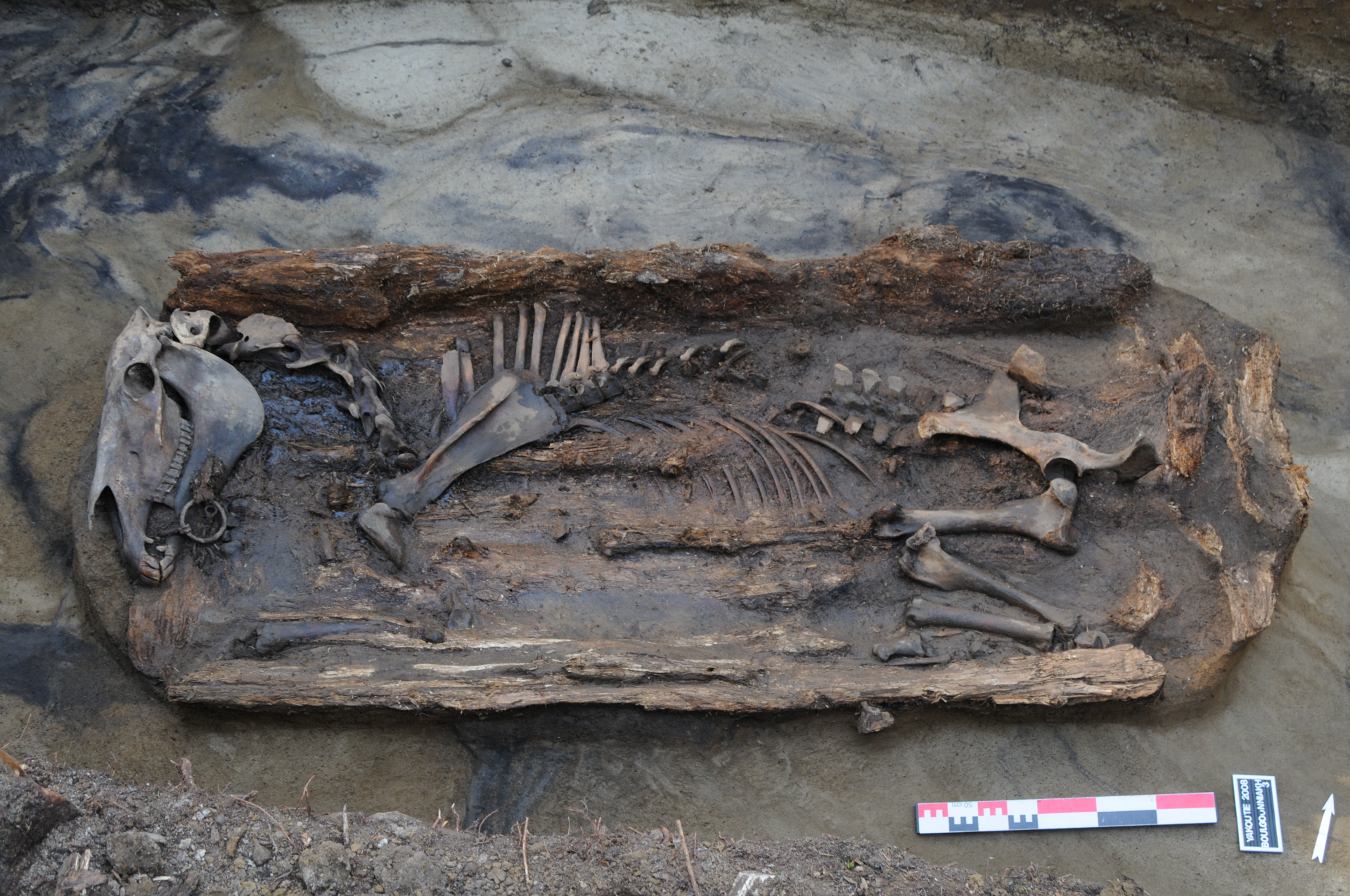
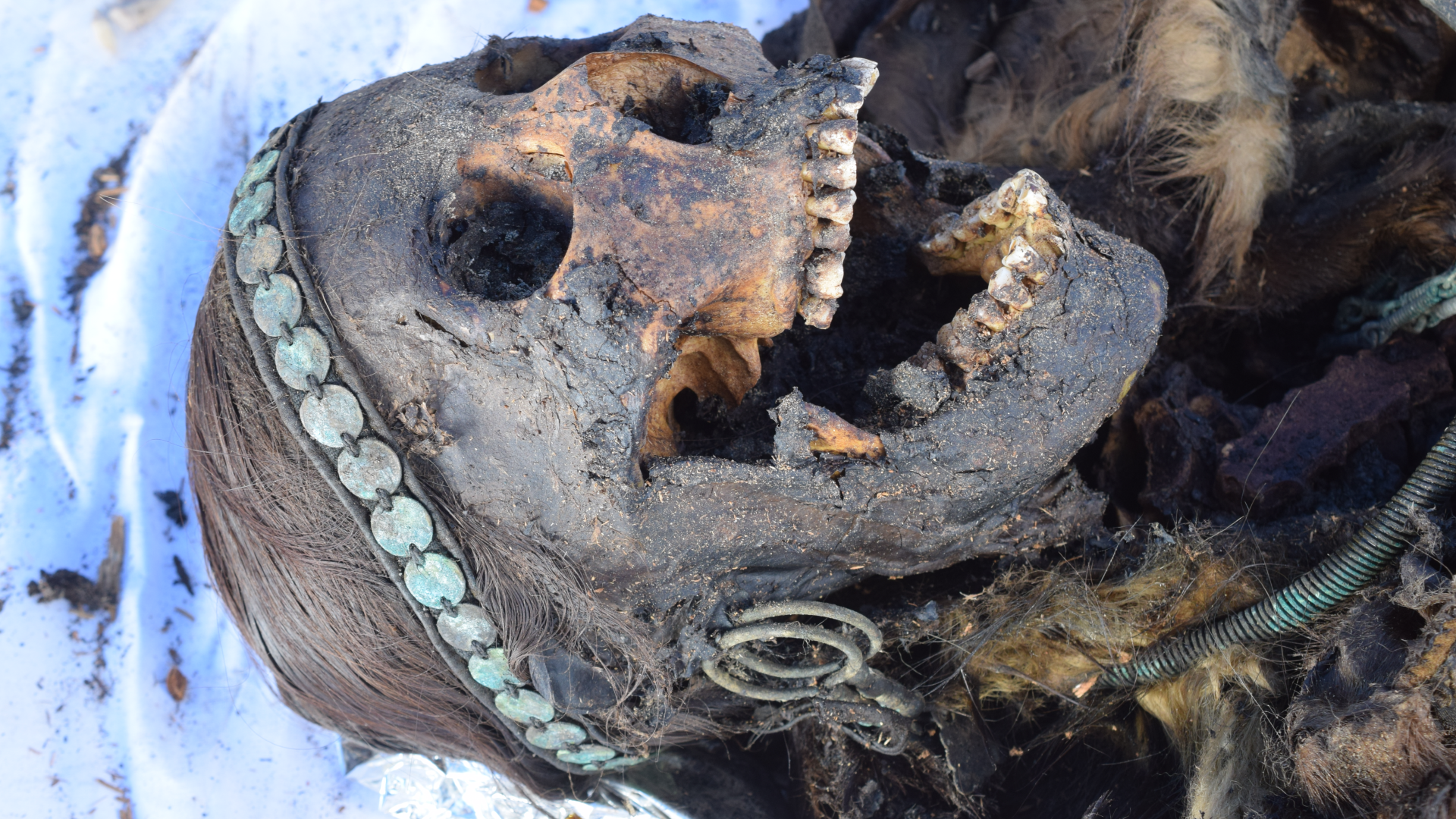
The last Yakut shamaness was discovered in central Yakutia at a site called Us Sergue, and the researchers refer to her as UsSergue1. She was buried in a tree-trunk coffin and wore several layers of clothing, including a traditional Yakut ushanka hat and leather thigh-high leg warmers. Although she wore a red woolen dress made from imported blankets, she also had characteristics of Indigenous shamans, including a “bride’s belt” accessory. Nearby, archaeologists found a pit with three horse skeletons, one of which had accessories with designs matching the woman’s dress.

Image 1 of 6
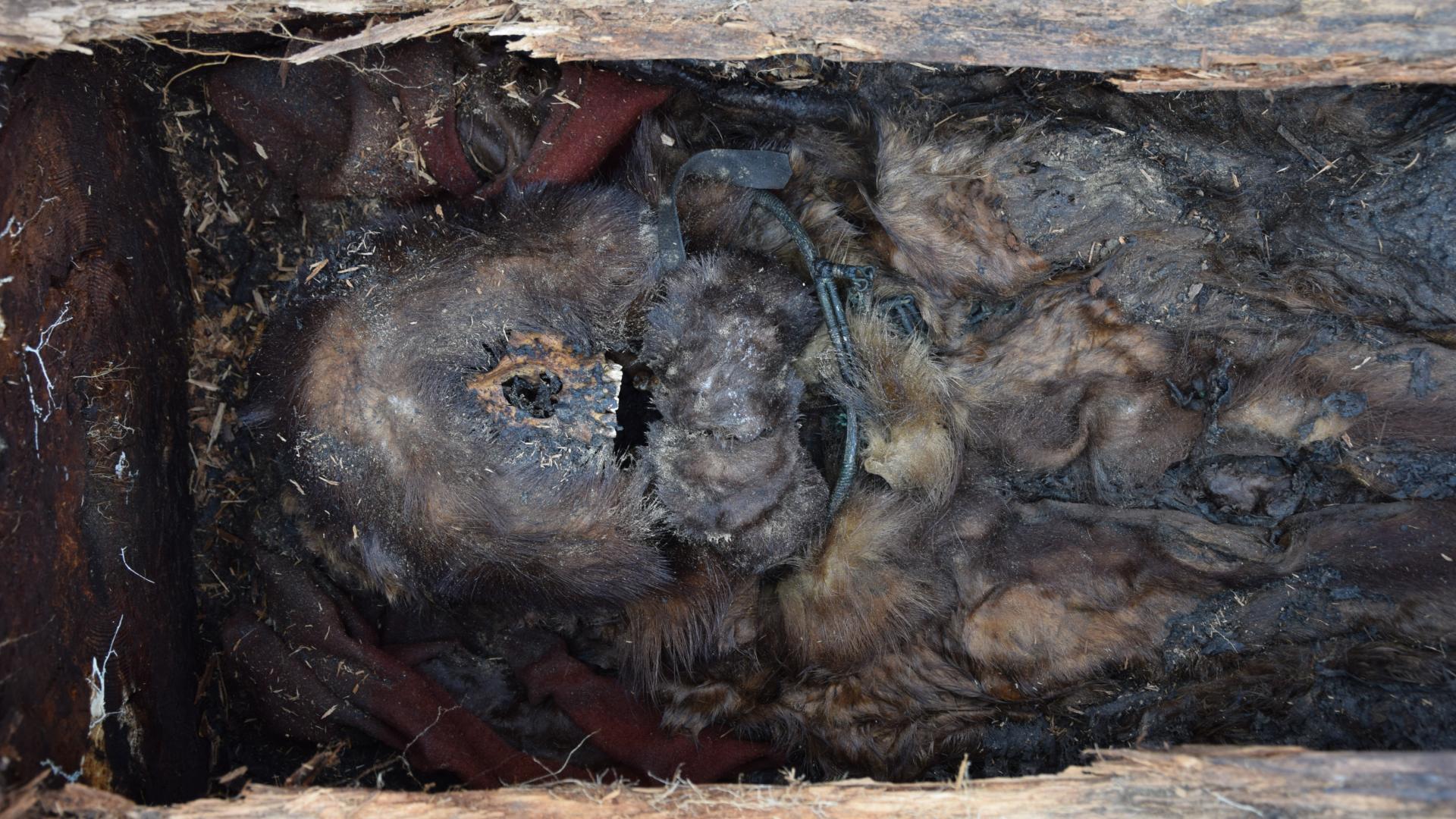
(Image credit: © Patrice Gérard-CNRS)

Archaeologists open the wooden coffin of UsSergue1, an 18th-century female shaman from Yakutia.

images of artifacts preserved in permafrost
(Image credit: © Patrice Gérard-CNRS)

The mummified remains of UsSergue1, an 18th-century female shaman from Yakutia, after archaeologists opened the coffin.

images of artifacts preserved in permafrost
(Image credit: © Patrice Gérard-CNRS)

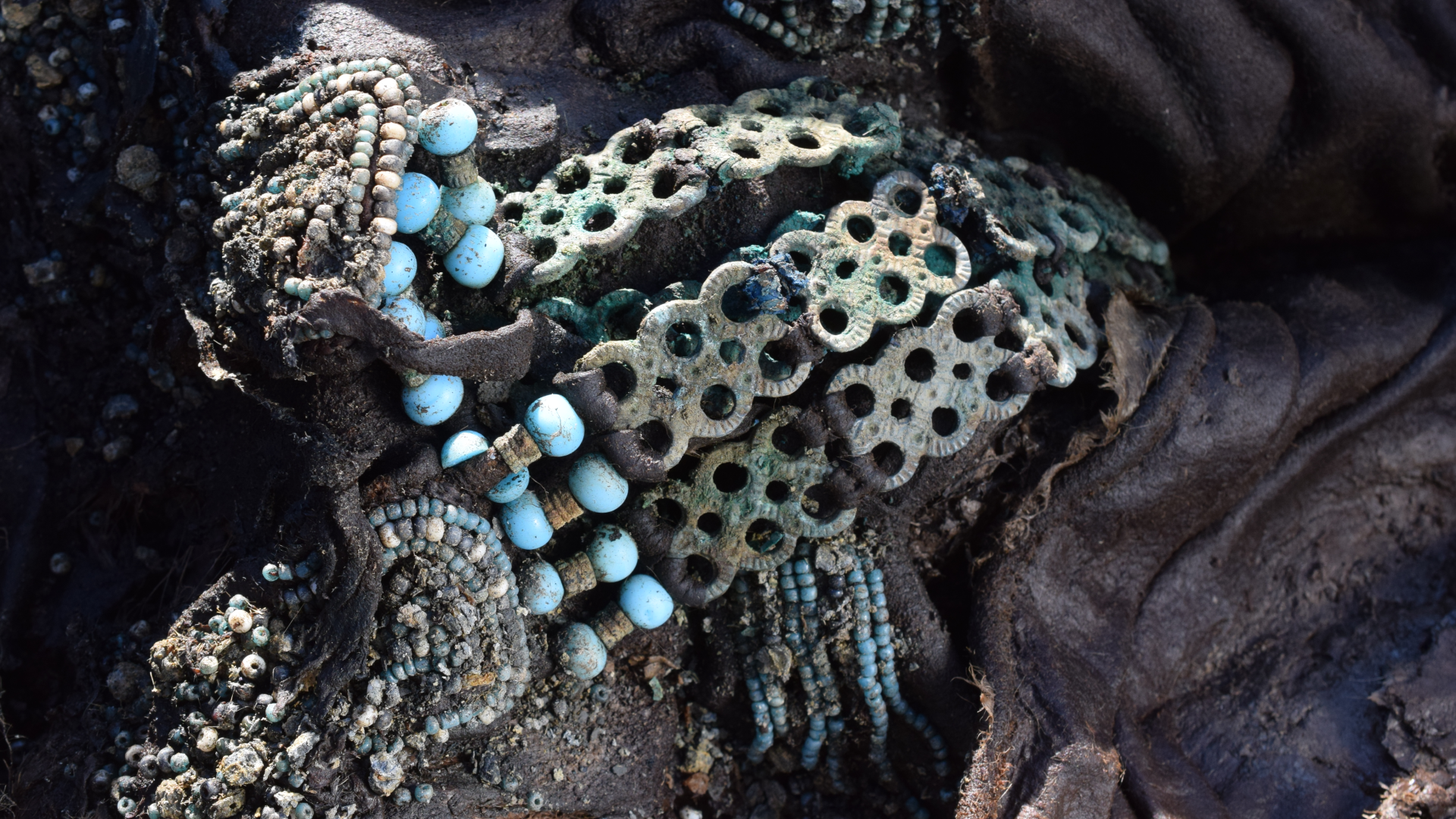
Beaded accessories in the grave of UsSergue1, an 18th-century shaman from Yakutia.

images of artifacts preserved in permafrost
(Image credit: © Patrice Gérard-CNRS)

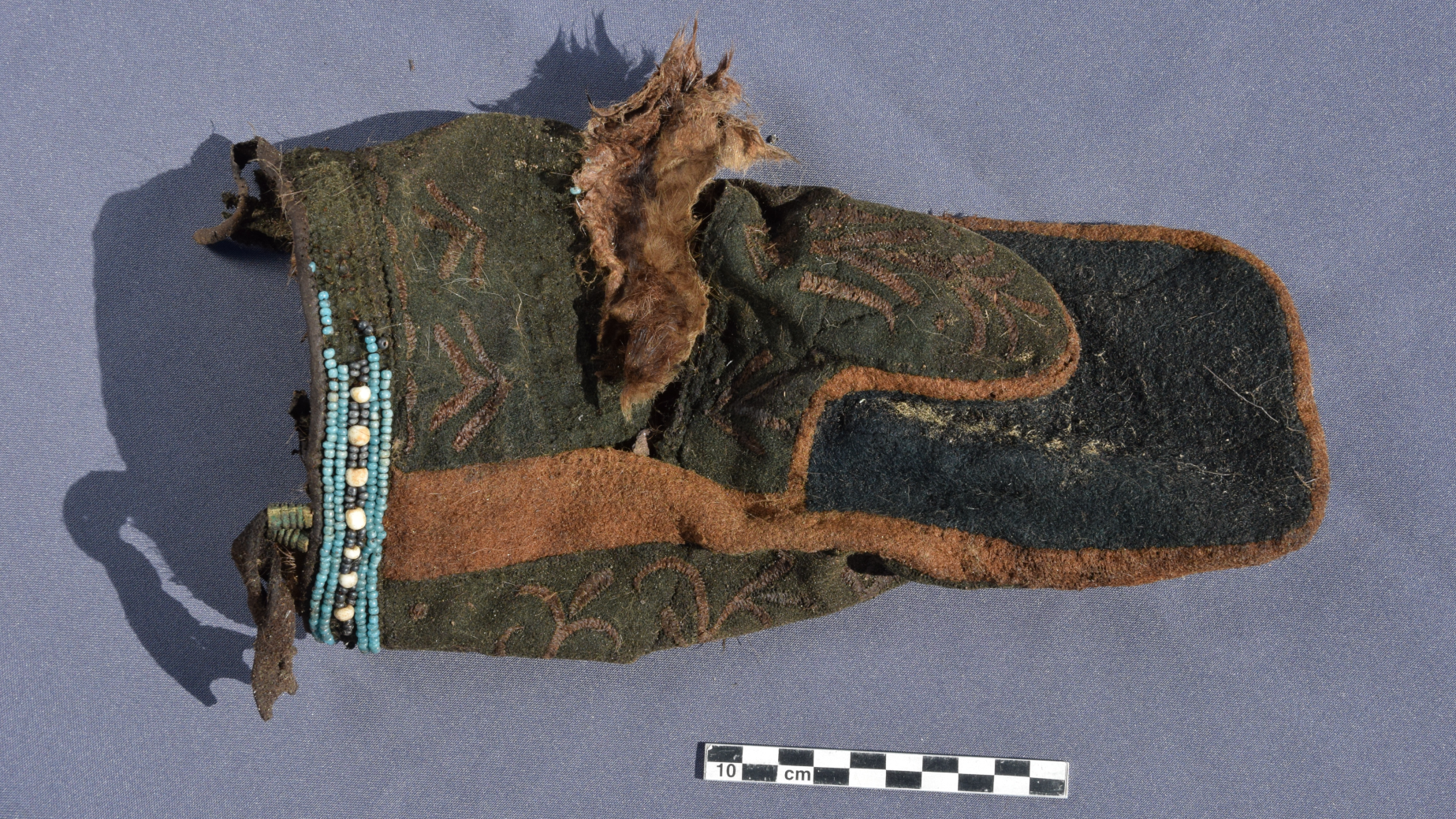
A beaded mitten found in the coffin of UsSergue1, an 18th-century female shaman from Yakutia.

images of artifacts preserved in permafrost
(Image credit: © Patrice Gérard-CNRS)

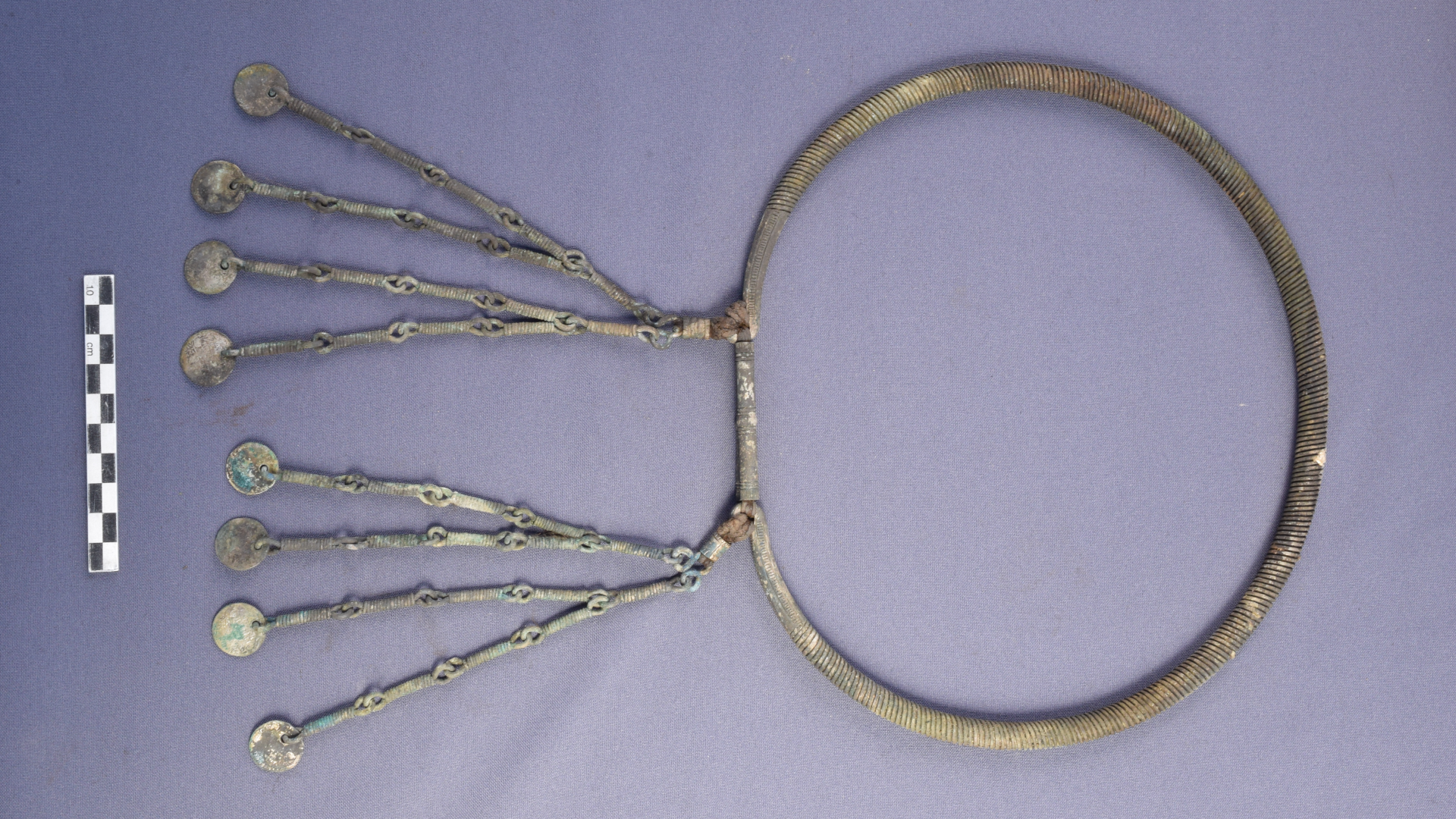
UsSergue1’s “bride belt” — a shamanic accessory for women.

images of artifacts preserved in permafrost
(Image credit: © Patrice Gérard-CNRS)

Several Indigenous Yakuts were buried with or near horses.


“We interpret UsSergue1 as an embodiment of her clan,” Orlando said, as a way for them “to preserve their traditional and spiritual traditions.” Around the time UsSergue1 was buried, Christianity was on the rise, but “some Yakut clans may have resisted and stuck to their traditions, including shamanism,” Orlando added.

The high inbreeding level of UsSergue1 was a surprise, however. The researchers’ DNA analysis of kinship among the skeletons revealed numerous relatives buried near one another, but UsSergue1 was the most inbred Yakut, the researchers wrote in the study. She was also descended from the most powerful clan and was the last shaman of her kind.

But the researchers don’t know exactly how her parents were related or whether this union was considered anomalous.

“We can only tell that her parents were second-degree relatives,” Orlando said. And since several other shaman burials were found, none of which had inbred parents, “we don’t think that anyone needed to be a highly-consanguine person to be a shaman,” Orlando added.

The historical Yakut burials gave the researchers a treasure trove of information about Indigenous life in centuries past. “Preservation in this environment is unmatched,” study co-author Éric Crubézy, a biological anthropologist at CNRS, said in a statement, and “the bodies were so intact that we could conduct autopsies.” Even beyond the bodies, “their clothing and jewellery also survived intact, providing a rare opportunity to compare biological and cultural data,” Crubezy said.

Share. Facebook Twitter LinkedIn Telegram WhatsApp Email

Keep Reading

Beadnet dress: A 4,500-year-old ancient Egyptian funeral ‘gown’ that was in vogue during the Old Kingdom

Beadnet dress: A 4,500-year-old ancient Egyptian funeral ‘gown’ that was in vogue during the Old Kingdom

‘This generation’s moment’: How the Artemis missions will reframe humanity’s relationship with the moon

‘This generation’s moment’: How the Artemis missions will reframe humanity’s relationship with the moon

Diabetes rates are lower in high-altitude environments ‪‪—‬ and scientists may have discovered why

Diabetes rates are lower in high-altitude environments ‪‪—‬ and scientists may have discovered why

Antarctica hides huge caches of gold, silver, copper and iron. As the ice melts, countries may race to harvest them.

Antarctica hides huge caches of gold, silver, copper and iron. As the ice melts, countries may race to harvest them.

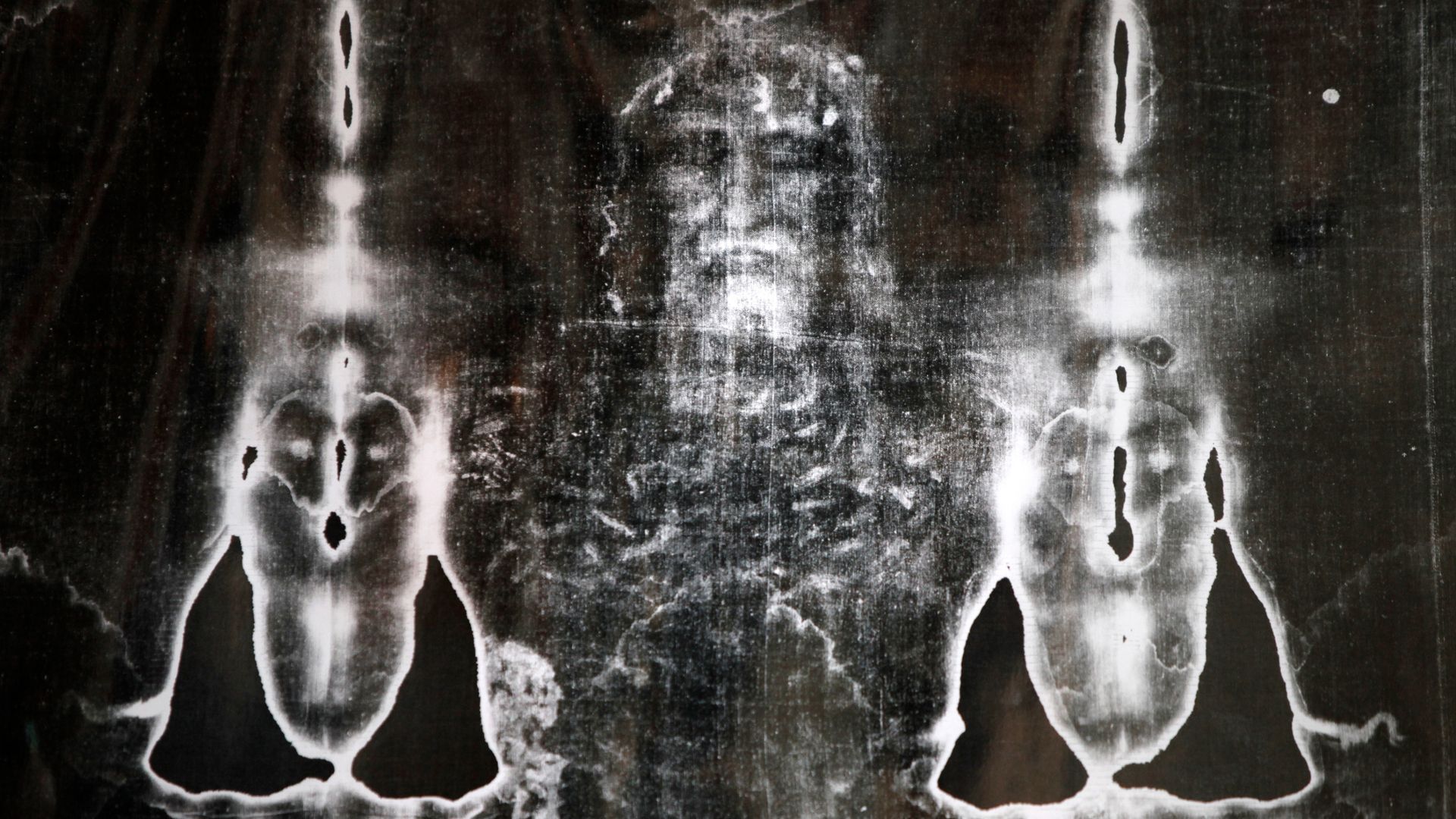
Shroud of Turin, claimed to be Jesus’ burial cloth, contaminated with carrot and red coral DNA

Shroud of Turin, claimed to be Jesus’ burial cloth, contaminated with carrot and red coral DNA

NASA telescope uncovers new mystery in supernova first spotted by Chinese astronomers 2,000 years ago —‬ Space photo of the week

NASA telescope uncovers new mystery in supernova first spotted by Chinese astronomers 2,000 years ago —‬ Space photo of the week

What happened to the Minoan civilization?

What happened to the Minoan civilization?

Cheap, decades-old transplant drug delays full onset of type 1 diabetes

Cheap, decades-old transplant drug delays full onset of type 1 diabetes

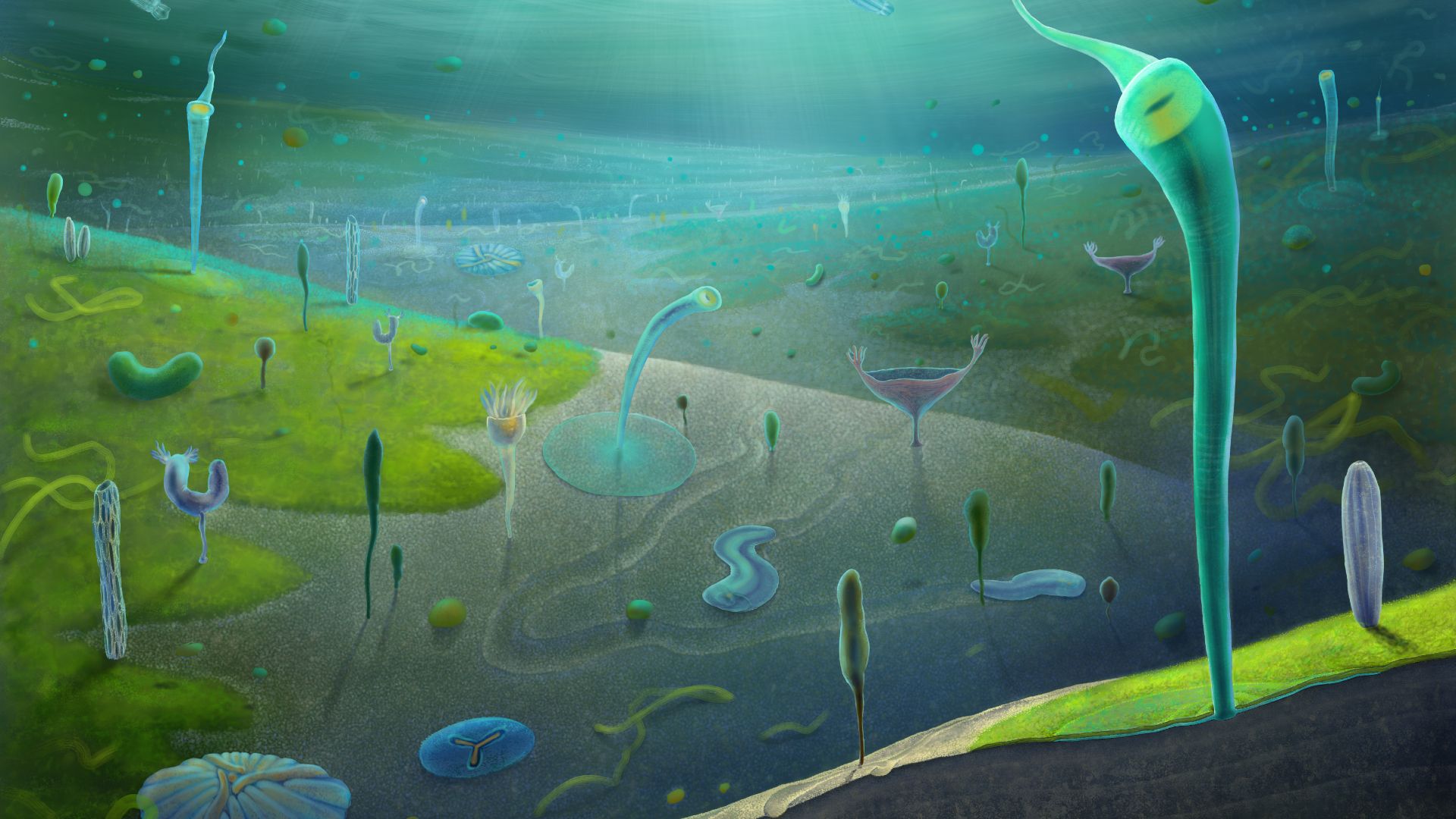
Fossil site in China reveals bevy of complex creatures lived prior to the Cambrian explosion, including a ‘Dune’-like sandworm

Fossil site in China reveals bevy of complex creatures lived prior to the Cambrian explosion, including a ‘Dune’-like sandworm

Add A Comment
Leave A Reply Cancel Reply

Editors Picks

Mike Washington Jr. hopes his ‘ million run’ inspires others overlooked on NFL draft path

Mike Washington Jr. hopes his ‘$1 million run’ inspires others overlooked on NFL draft path

April 6, 2026
Beadnet dress: A 4,500-year-old ancient Egyptian funeral ‘gown’ that was in vogue during the Old Kingdom

Beadnet dress: A 4,500-year-old ancient Egyptian funeral ‘gown’ that was in vogue during the Old Kingdom

April 6, 2026
Exclusive | Anthropic backers fret over AI giant’s volatile CEO Dario Amodei as billions hang in the balance: ‘Cannot control his emotions’

Exclusive | Anthropic backers fret over AI giant’s volatile CEO Dario Amodei as billions hang in the balance: ‘Cannot control his emotions’

April 6, 2026
Construction workers unearth 300-year-old cast-iron cannon in Hull, UK

Construction workers unearth 300-year-old cast-iron cannon in Hull, UK

April 6, 2026

Subscribe to News

Get the latest USA news and updates directly to your inbox.

Latest News
Britney Spears Enjoys ‘Fun Afternoon’ With Diane Warren and Molly Shannon After DUI Arrest

Britney Spears Enjoys ‘Fun Afternoon’ With Diane Warren and Molly Shannon After DUI Arrest

April 6, 2026
Luke Kennard must step up for Lakers without Luka Doncic and Austin Reaves

Luke Kennard must step up for Lakers without Luka Doncic and Austin Reaves

April 6, 2026
Blue states plot exit taxes to trap fleeing millionaires as tax revolt spreads

Blue states plot exit taxes to trap fleeing millionaires as tax revolt spreads

April 6, 2026
Facebook X (Twitter) Pinterest WhatsApp TikTok Instagram
© 2026 USA Times. All Rights Reserved.
  • Privacy Policy
  • Terms
  • Advertise
  • Contact

Type above and press Enter to search. Press Esc to cancel.