

Close Menu
  • Home
  • United States
  • World
  • Politics
  • Business
  • Lifestyle
  • Entertainment
  • Health
  • Science
  • Tech
  • Sports
  • More
    • Web Stories
    • Editor’s Picks
    • Press Release

Subscribe to Updates

Get the latest USA news and updates directly to your inbox.

What's On
Taylor Swift’s passionate reaction caught on cameras by ESPN

Taylor Swift’s passionate reaction caught on cameras by ESPN

September 15, 2026
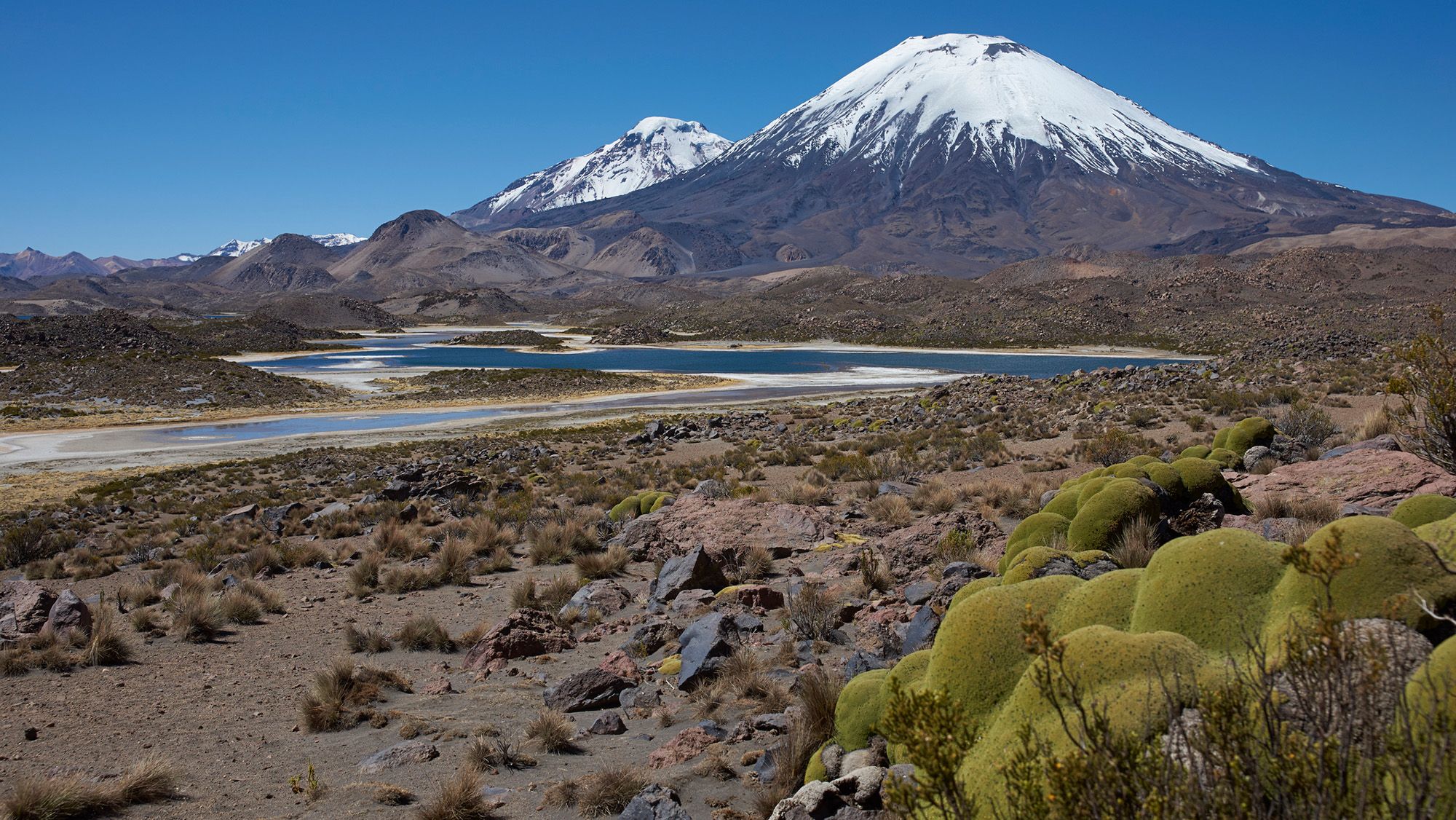
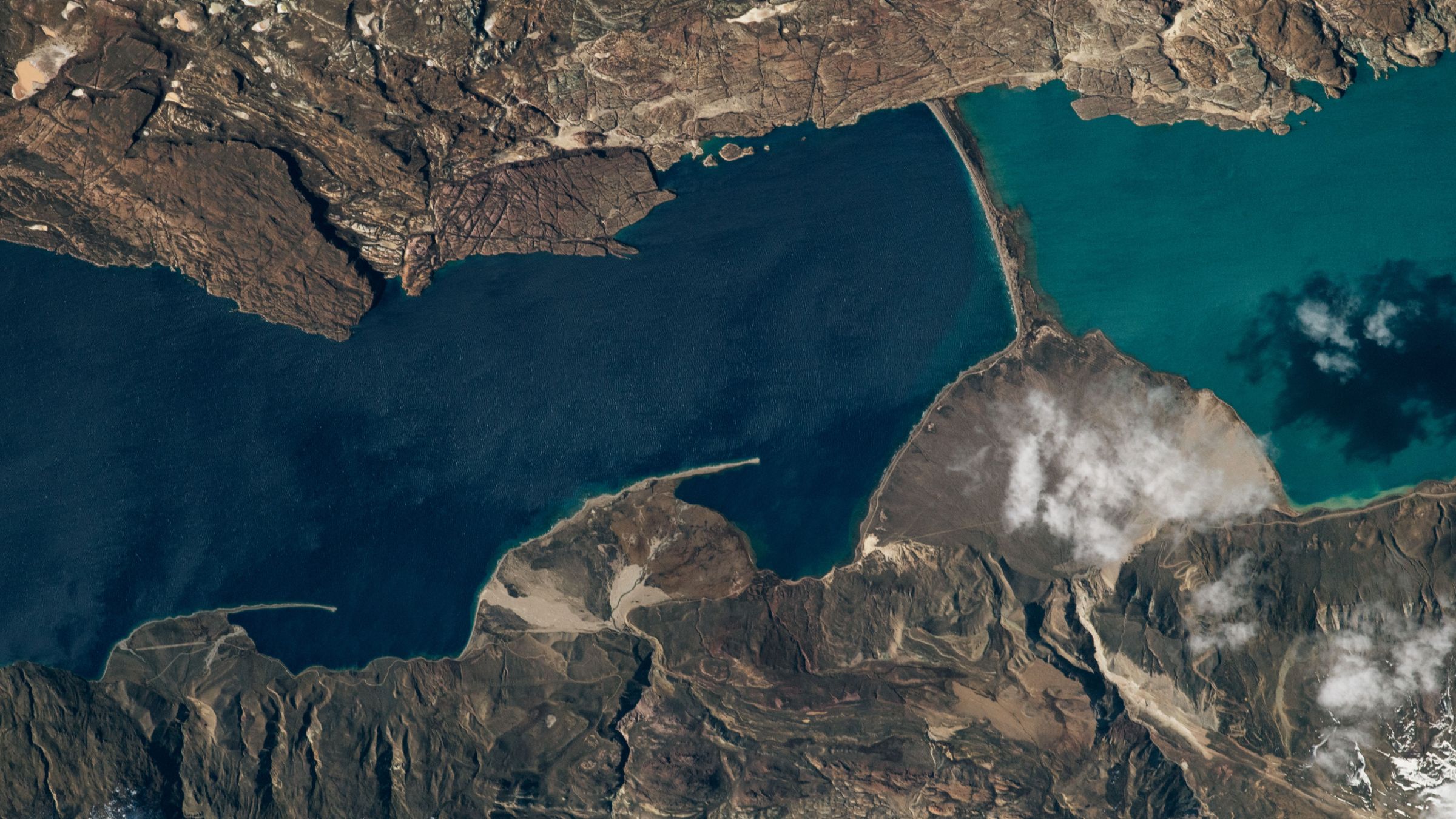
Peculiar land bridge separates a pair of colorful lakes in Patagonia — Earth from space

Peculiar land bridge separates a pair of colorful lakes in Patagonia — Earth from space

September 15, 2026
NYC race sends runners from gym to gym — with workouts at every stop and no set route

NYC race sends runners from gym to gym — with workouts at every stop and no set route

September 15, 2026
Facebook X (Twitter) Instagram
Trending
  • Taylor Swift’s passionate reaction caught on cameras by ESPN
  • Peculiar land bridge separates a pair of colorful lakes in Patagonia — Earth from space
  • NYC race sends runners from gym to gym — with workouts at every stop and no set route
  • WWE star Roxanne Perez reminds fans to respect wrestlers’ boundaries while on the road: ‘We are just humans’
  • What You Didn’t See on TV at the 2026 Emmy Awards: PDA, Reunions and Dramatic Conversations (Exclusive)
  • Raptors ‘thrilled’ to have Kawhi Leonard back after Clippers scandal fallout
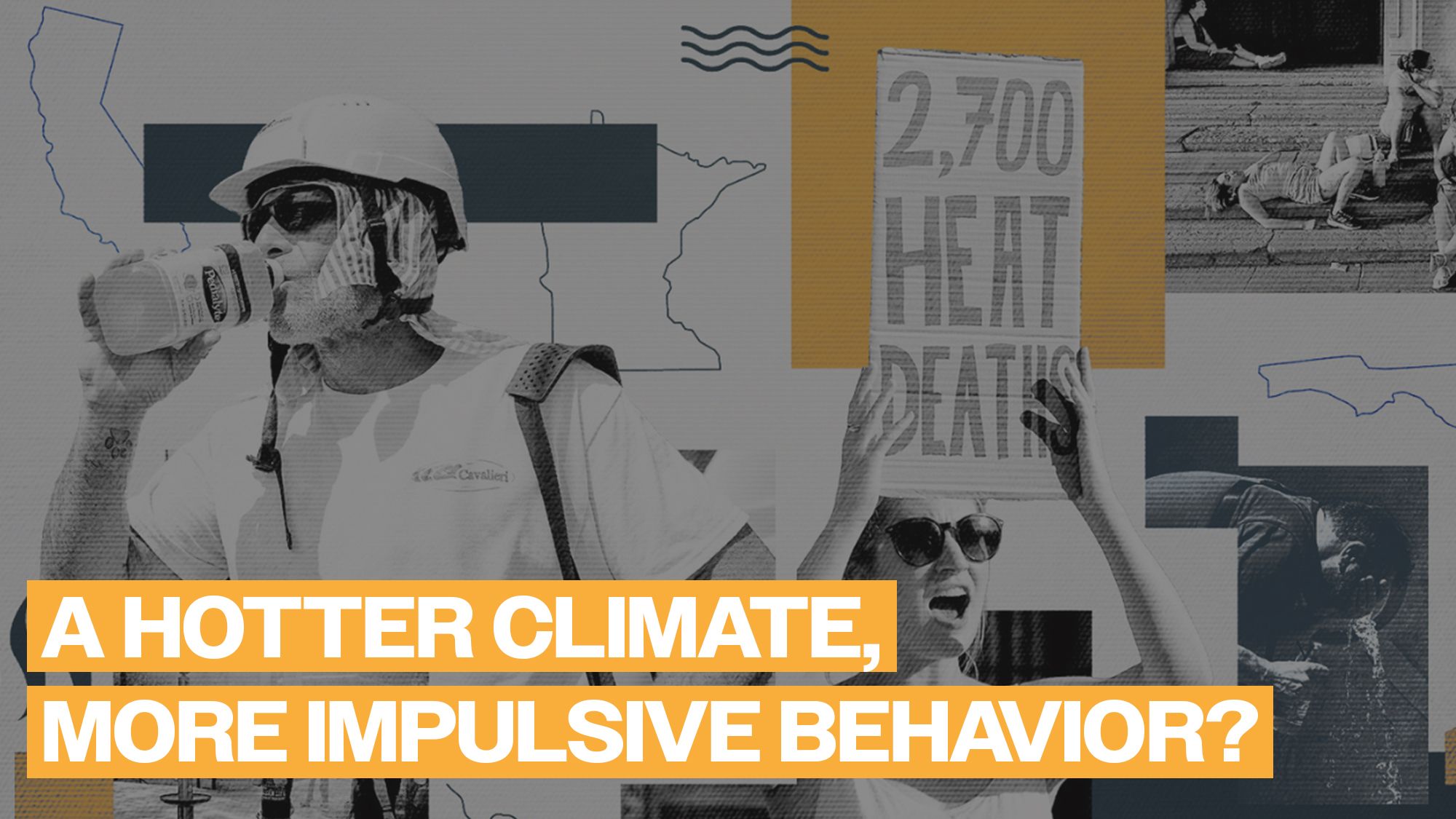
  • WATCH: How climate change could fuel impulsive behavior
  • Exclusive | Would-be Trump assassin Thomas Crooks had sick obsession with guns, federal documents reveal
  • Privacy
  • Terms
  • Advertise
  • Contact Us
Join Us
USA TimesUSA Times
Newsletter Login
  • Home
  • United States
  • World
  • Politics
  • Business
  • Lifestyle
  • Entertainment
  • Health
  • Science
  • Tech
  • Sports
  • More
    • Web Stories
    • Editor’s Picks
    • Press Release
USA TimesUSA Times
Home » Neanderthals passed on a gene that helps modern humans pack on more muscle — but only a few people have it
Neanderthals passed on a gene that helps modern humans pack on more muscle — but only a few people have it
Science

Neanderthals passed on a gene that helps modern humans pack on more muscle — but only a few people have it

News RoomBy News RoomAugust 11, 20264 ViewsNo Comments

Tens of thousands of years ago, Neanderthals mated with modern humans and passed along a gene variant that enables us to pack on more muscle, a new study finds.

Researchers found that this specific Neanderthal gene, a variant of the growth hormone receptor gene, causes cells to respond strongly to growth hormone. The Neanderthal version of the gene creates a growth hormone receptor with two amino acid changes and one deletion, compared with the typical receptor in most modern humans. The researchers think it entered the modern human gene pool through interbreeding, probably about 47,000 years ago.

“The most noticeable characteristic would likely be greater muscle mass, around 270 grams [9.5 ounces] per copy of the variant,” study co-author Hugo Zeberg, a geneticist at the Karolinska Institute in Sweden, told Live Science in an email. “A person who inherited two copies, one from each parent, could therefore have more than half a kilogram [1.2 pounds] of additional muscle mass.”

Latest Videos FromLive Science

The study, published Aug. 5 in the journal Cell, found that almost all Neanderthals had this gene variant, but only about 10% of modern humans do. Certain modern human groups were more likely to have it, with the variant showing up in about 1% of modern people with European ancestry, and up to 25% of those with Southern Asian or Southeast Asian ancestry. It does not seem to appear in people of African ancestry, possibly because the interbreeding happened in Eurasia.

Growing cells

Human growth hormone is produced naturally by most people in the brain’s pituitary gland, and it stimulates growth in children and adolescents. Some people have too much or too little human growth hormone, but most of these cases can be medically treated for it. The pituitary gland is also essential in adults for producing hormones that have several roles, including regulating metabolism, stimulating ovulation in ovaries, and stimulating testosterone production in testicles.


You may like

In the study, the researchers studied 10 samples of Neanderthal DNA and two samples of Denisovan DNA from archaeological sites in Europe, the Balkans, Siberia and Asia. (The Denisovans were closely related to the Neanderthals.)

They compared their results to modern biobanks that store more than 1.1 million human genomes and related physical data, to understand the effects of the gene variant.

Get the world’s most fascinating discoveries delivered straight to your inbox.

The researchers next tweaked cells in the laboratory to express the regular and Neanderthal variants of the gene, and found that the Neanderthal cells multiplied about 40% more often than regular cells when flushed with growth hormone. Despite this, the Neanderthal gene variant doesn’t always make people look bulkier, the researchers found. Instead, the differences are more subtle: for example, people who have this gene variant would have higher levels of a key signaling protein in response to growth hormone, the researchers wrote.

The team also found that people with the gene variant might have slightly shorter tooth roots and small differences in their jaw shape — features that are seen in Neanderthals, who went extinct around 40,000 years ago.

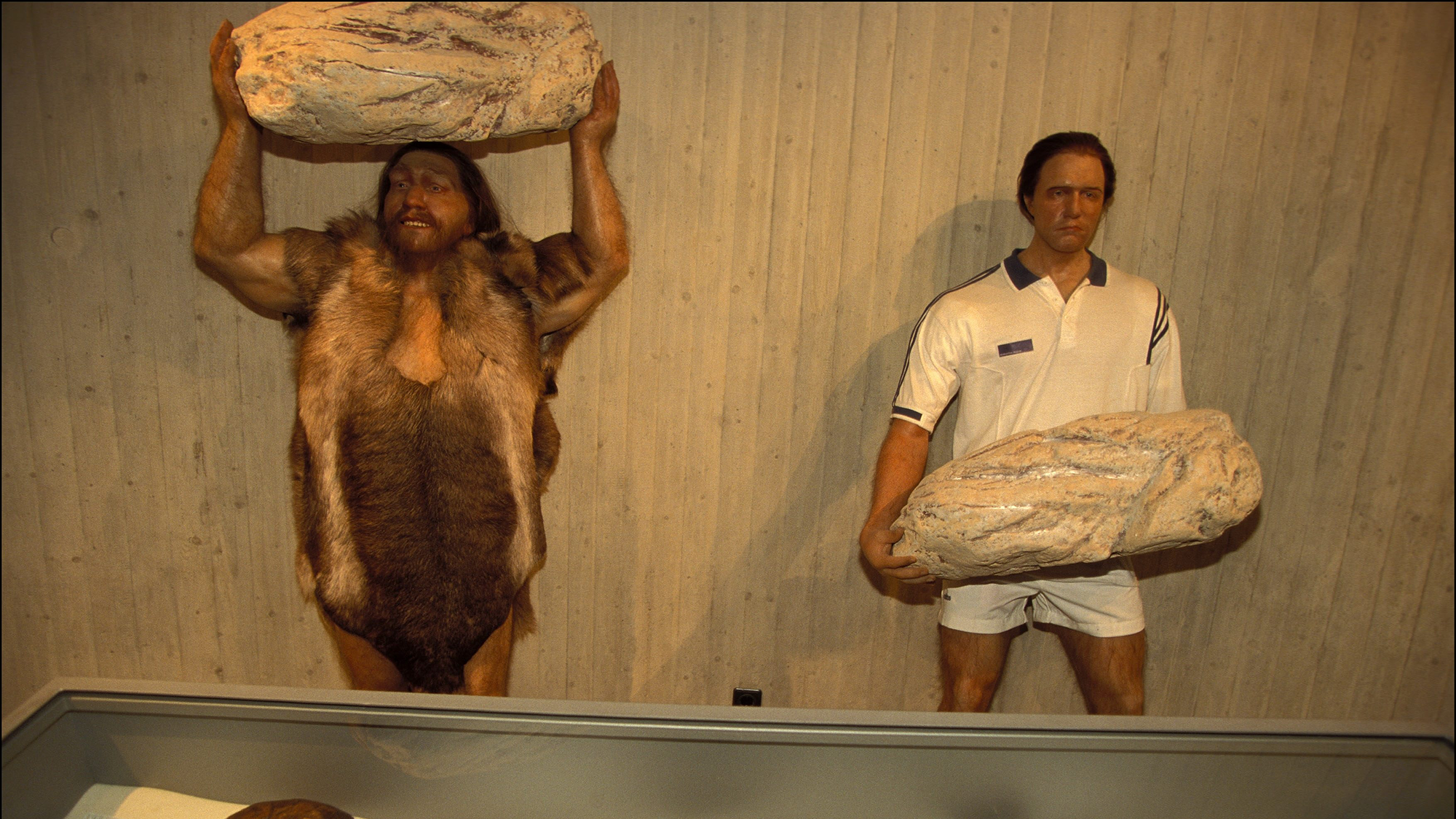
Neanderthals went extinct around 40,000 years ago, but passed along key genetic features to modern humans.

(Image credit: gorodenkoff via Getty Images)

Growing Neanderthals

Neanderthals were, in general, stockier than modern humans. But Zeberg thinks their enhanced response to growth hormone does not fully explain why Neanderthals were generally more robust and “thick-set” than modern humans.


What to read next

“It cannot explain the Neanderthal body type on its own,” he said. “Neanderthal robustness was almost certainly shaped by many genes, as well as by development, lifestyle, and environmental factors. Our results provide one possible piece of a much larger puzzle.”

The placenta produces a particular form of growth hormone for a fetus, which differs from the form of growth hormone produced by the pituitary gland. However, it seems the Neanderthal variant doesn’t respond to growth hormone from the placenta. As a result, Neanderthal babies were the same size at birth as modern human babies but grew faster after that, Zeberg said.

In the study’s sample of modern humans, the team noticed that children aged 11 or younger with the gene variant didn’t show the effect; rather, only older individuals did. This suggests that the gene variant’s differences might not emerge until puberty, strengthening the idea that it responds only to growth hormone produced by the pituitary gland and not by the placenta, the researchers said.

“Growth hormone is also particularly important during puberty, when its levels rise substantially,” Zeberg said. “The effect of the variant is therefore likely to be especially important during puberty and later development, rather than before birth.”

Kornelius Kupczik, a paleoanthropologist at the University of Chile in Santiago who was not involved in the study, told Live Science that it was notable to see such a high prevalence of the Neanderthal gene variant in people of South Asian and Southeast Asian ancestry, when it was relatively rare among Europeans.

This suggests that early human migrations may have been more complicated than had been assumed — a “curious” challenge that required further investigation. “I guess that’s something we still have to find out,” he said.


How much do you know about our closest relatives? Find out with our Neanderthal quiz!
Share. Facebook Twitter LinkedIn Telegram WhatsApp Email

Keep Reading

Peculiar land bridge separates a pair of colorful lakes in Patagonia — Earth from space

Peculiar land bridge separates a pair of colorful lakes in Patagonia — Earth from space

WATCH: How climate change could fuel impulsive behavior

WATCH: How climate change could fuel impulsive behavior

South American ‘Pompeii’: Volcanic eruption 22 million years ago preserved a snapshot of the Andes forming

South American ‘Pompeii’: Volcanic eruption 22 million years ago preserved a snapshot of the Andes forming

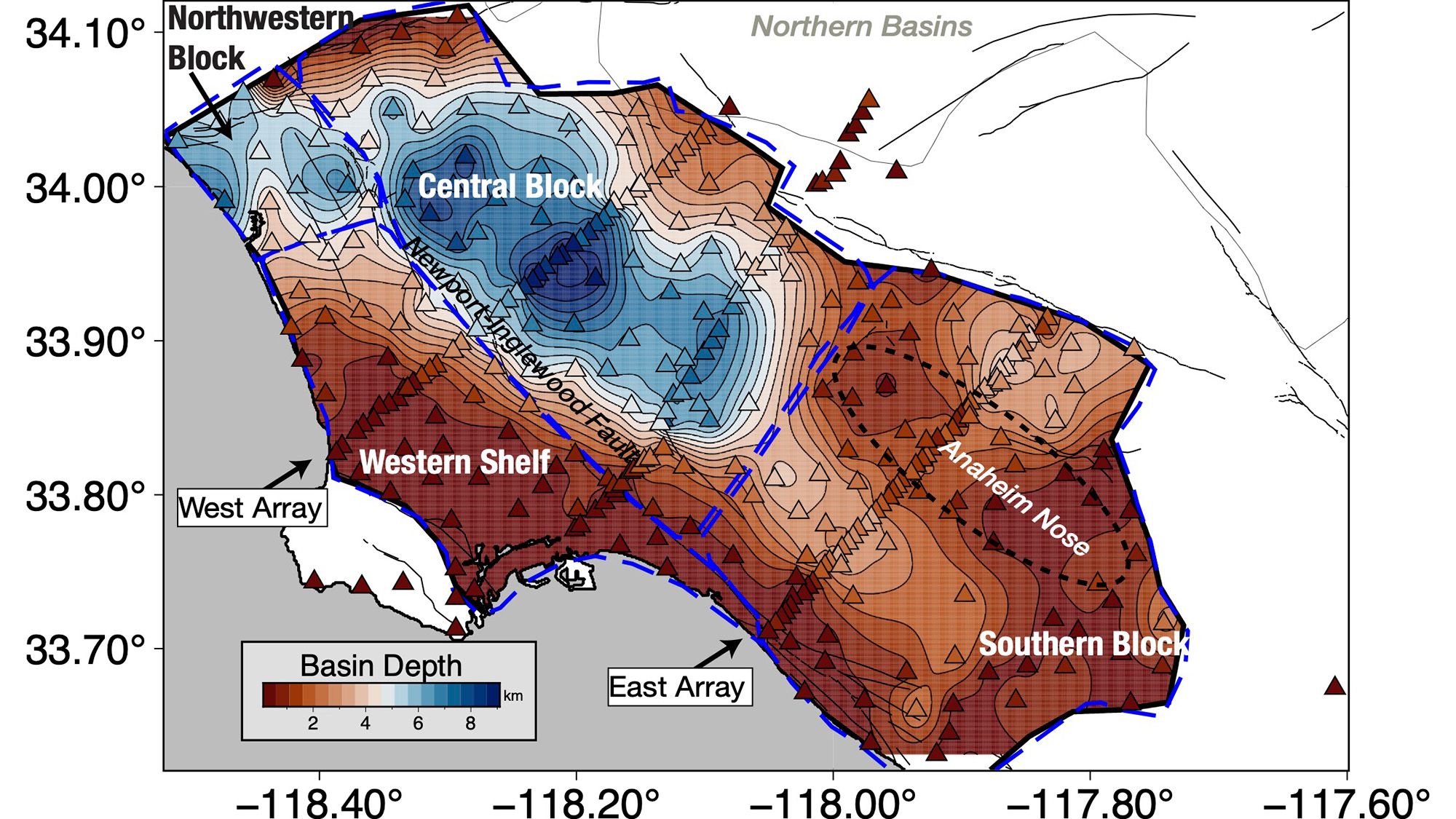
We now have an incredibly detailed map to help predict which areas of LA are the most at risk from ‘The Big One’

We now have an incredibly detailed map to help predict which areas of LA are the most at risk from ‘The Big One’

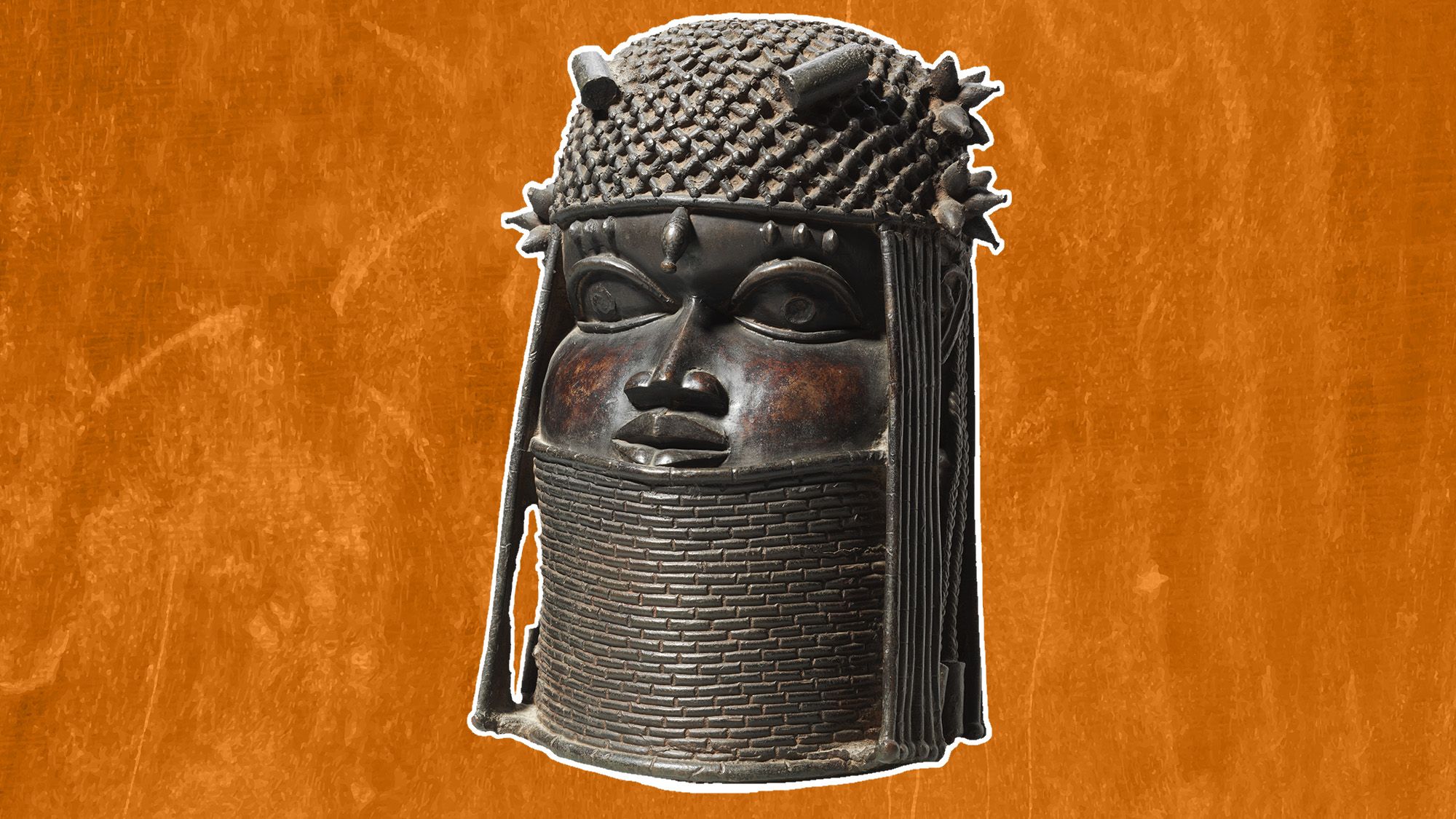
Ancestral commemorative head: A 500-year-old brass bust depicting an African king

Ancestral commemorative head: A 500-year-old brass bust depicting an African king

Does estrogen protect against dementia? And if so, who should take it?

Does estrogen protect against dementia? And if so, who should take it?

Fall stargazing 2026: The best skywatching sights in autumn (and how to see them)

Fall stargazing 2026: The best skywatching sights in autumn (and how to see them)

Haunting Hubble telescope image captures cosmic cycle of destruction and creation —‬ Space photo of the week

Haunting Hubble telescope image captures cosmic cycle of destruction and creation —‬ Space photo of the week

Why do cats lick each other?

Why do cats lick each other?

Add A Comment
Leave A Reply Cancel Reply

Editors Picks

Peculiar land bridge separates a pair of colorful lakes in Patagonia — Earth from space

Peculiar land bridge separates a pair of colorful lakes in Patagonia — Earth from space

September 15, 2026
NYC race sends runners from gym to gym — with workouts at every stop and no set route

NYC race sends runners from gym to gym — with workouts at every stop and no set route

September 15, 2026
WWE star Roxanne Perez reminds fans to respect wrestlers’ boundaries while on the road: ‘We are just humans’

WWE star Roxanne Perez reminds fans to respect wrestlers’ boundaries while on the road: ‘We are just humans’

September 15, 2026
What You Didn’t See on TV at the 2026 Emmy Awards: PDA, Reunions and Dramatic Conversations (Exclusive)

What You Didn’t See on TV at the 2026 Emmy Awards: PDA, Reunions and Dramatic Conversations (Exclusive)

September 15, 2026

Subscribe to News

Get the latest USA news and updates directly to your inbox.

Latest News
Raptors ‘thrilled’ to have Kawhi Leonard back after Clippers scandal fallout

Raptors ‘thrilled’ to have Kawhi Leonard back after Clippers scandal fallout

September 15, 2026
WATCH: How climate change could fuel impulsive behavior

WATCH: How climate change could fuel impulsive behavior

September 15, 2026
Exclusive | Would-be Trump assassin Thomas Crooks had sick obsession with guns, federal documents reveal

Exclusive | Would-be Trump assassin Thomas Crooks had sick obsession with guns, federal documents reveal

September 15, 2026
Facebook X (Twitter) Pinterest WhatsApp TikTok Instagram
© 2026 USA Times. All Rights Reserved.
  • Privacy Policy
  • Terms
  • Advertise
  • Contact

Type above and press Enter to search. Press Esc to cancel.