

Close Menu
  • Home
  • United States
  • World
  • Politics
  • Business
  • Lifestyle
  • Entertainment
  • Health
  • Science
  • Tech
  • Sports
  • More
    • Web Stories
    • Editor’s Picks
    • Press Release

Subscribe to Updates

Get the latest USA news and updates directly to your inbox.

What's On
I’m 5’3” and This Unexpectedly Flattering Denim Style Is the Only One I’m Wearing From Now On

I’m 5’3” and This Unexpectedly Flattering Denim Style Is the Only One I’m Wearing From Now On

October 29, 2026
Steph Curry ties LeBron James with epic piece of history

Steph Curry ties LeBron James with epic piece of history

October 29, 2026
New simulation of the universe shows the first 2 billion years after the Big Bang play out in stunning detail

New simulation of the universe shows the first 2 billion years after the Big Bang play out in stunning detail

October 29, 2026
Facebook X (Twitter) Instagram
Trending
  • I’m 5’3” and This Unexpectedly Flattering Denim Style Is the Only One I’m Wearing From Now On
  • Steph Curry ties LeBron James with epic piece of history
  • New simulation of the universe shows the first 2 billion years after the Big Bang play out in stunning detail
  • I’m obsessed with Korean skincare — I spend thousands a year and plan vacations around it
  • Alaska governor orders probe of Mary Peltola Senate campaign over ‘Decoy Dan’ Sullivan scandal
  • Israel election results put Arab parties in key coalition-forming role
  • ‘Chicago P.D.’ Cast’s Rare Comments About Sophia Bush’s Shocking Exit After Abuse Allegations
  • Luka Doncic-less Lakers get back on track with win over Clippers
  • Privacy
  • Terms
  • Advertise
  • Contact Us
Join Us
USA TimesUSA Times
Newsletter Login
  • Home
  • United States
  • World
  • Politics
  • Business
  • Lifestyle
  • Entertainment
  • Health
  • Science
  • Tech
  • Sports
  • More
    • Web Stories
    • Editor’s Picks
    • Press Release
USA TimesUSA Times
Home » Mercury may have shrunk much more than we thought, new study hints
Mercury may have shrunk much more than we thought, new study hints
Science

Mercury may have shrunk much more than we thought, new study hints

News RoomBy News RoomSeptember 10, 20262 ViewsNo Comments

Mercury, which is about one-third the size of Earth, may have shrunk more in its evolution than scientists originally thought.

A new study suggests that the tiny planet may have contracted 10% to 30% more than previous models suggested — meaning the planet’s total diameter shrunk almost 12 miles (19 km) since Mercury was formed. (Mercury’s diameter today is roughly 3,032 miles (4,880 km).

Previous missions overlooked the extent of the shrinkage because impact-crater debris on Mercury’s surface hid the evidence, according to a study published Thursday (Sept. 10) in the journal Geophysical Research Letters. That size difference is important when researchers consider the planet’s history, said Gaku Nishiyama, a planetary scientist at the German Aerospace Center Institute of Space Research and an author of the study.

Latest Videos FromLive Science

“Because Mercury’s evolution is driven by its cooling, the amount of contraction — an indicator of the extent of cooling — is one of the most important observables that can be compared to models for estimating its evolution scenario,” Nishiyama told Live Science in an email.

There could also be implications for the planet’s composition. For example, more shrinkage at Mercury could mean the planet would have a larger metal core and fewer light elements, such as silicon, inside that core, according to an American Geophysical Union statement.


You may like

“The interior of Mercury would reflect its formation,” Nishiyama said, and possibly hint at the innermost part of our solar system. “Therefore, to understand how our solar system has evolved up to now, information that can be extracted from this estimation — such as core composition and initial temperature condition — is critical.”

A violent history

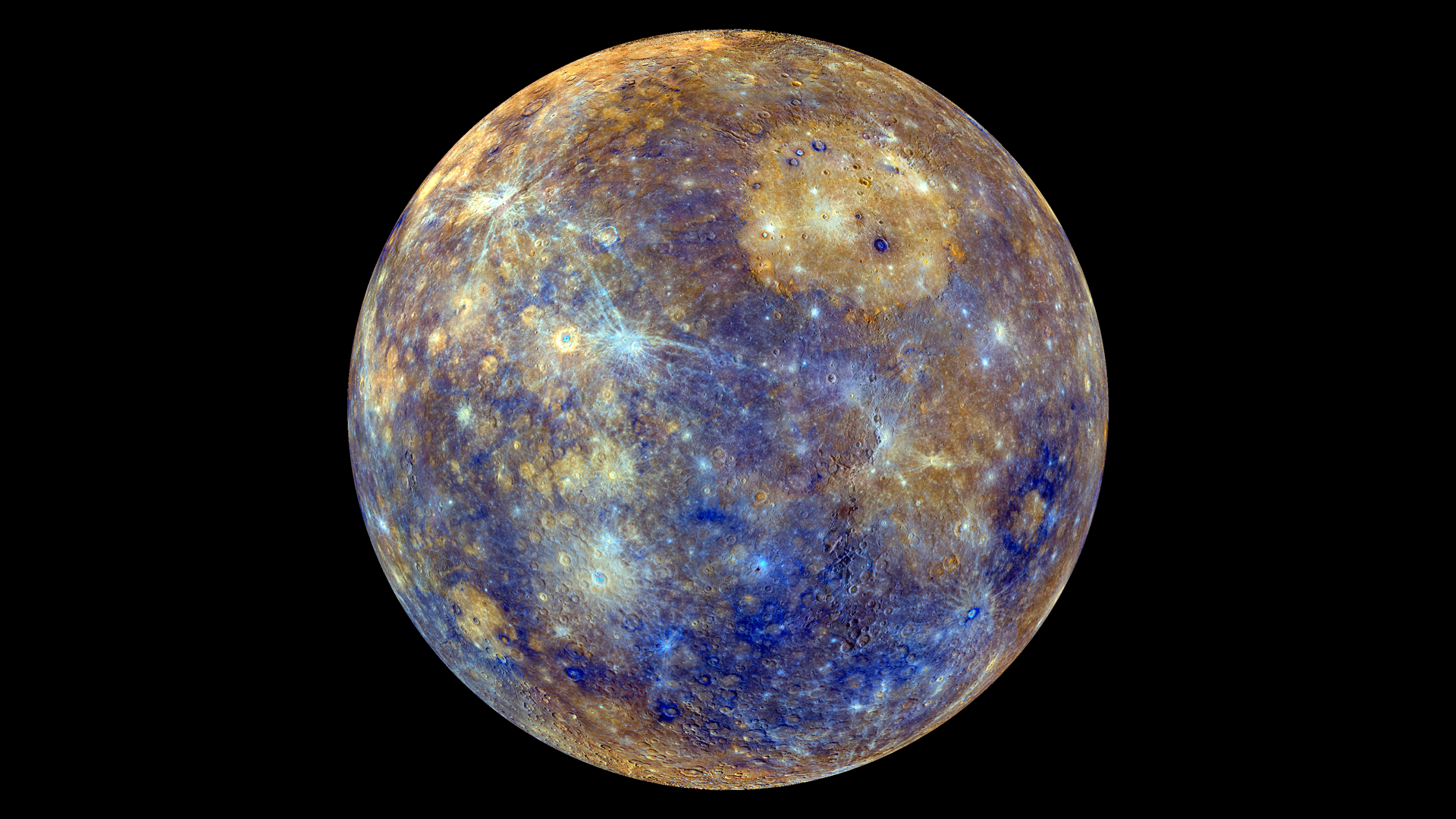
Observations from NASA’s MESSENGER spacecraft (examples shown here) helped the team build new maps of the planet’s shrinkage.

(Image credit: NASA/Johns Hopkins University Applied Physics Laboratory/Carnegie Institution of Washington)

Mercury and the rest of the solar system planets formed due to the gradual collisions and aggregations of rock and gas upon asteroids and comets. Some of those impacts that created the planets also released a lot of heat. Mercury has been slowly cooling from those ancient impacts, and its interior has been shrinking along the way.

Get the world’s most fascinating discoveries delivered straight to your inbox.

While this kind of cooling affects the entire planet’s landscape, impact craters can mask the effects because each crash into the surface generates its own surface changes, including debris and new divots. The craters build up over time, making it difficult to spot more ancient geology underneath.

Nishiyama’s team compared two sets of maps from Mercury, using data from NASA’s MESSENGER mission, which orbited Mercury between 2011 and 2015. One set of maps charted geological features showing contraction, and the other set estimated the roughness of the planet’s surface. Their work covered the entire surface and demonstrated that the most rugged spots on the planet have fewer wrinkles from shrinking. In other words, according to Nishiyama, the debris from more recent impacts is covering up the evidence of shrinking.

Nishiyama said more information will help to confirm the estimate. Such data could come from the European Space Agency’s BepiColombo spacecraft, which began its arrival sequence at Mercury earlier this month after nearly eight years of space travel. Once the mission settles in, the spacecraft will take higher-resolution imagery of the surface than MESSENGER did. Nishiyama’s team expects BepiColombo to pick up smaller impact craters, as well as scarps and ridges, that could further refine the measurements.

“Stay tuned for future topography measurements by BepiColombo,” Nishiyama said. “Future data from laser altimetry on BepiColombo will collect more information on planetary contraction by measuring topography more precisely.”


Share. Facebook Twitter LinkedIn Telegram WhatsApp Email

Keep Reading

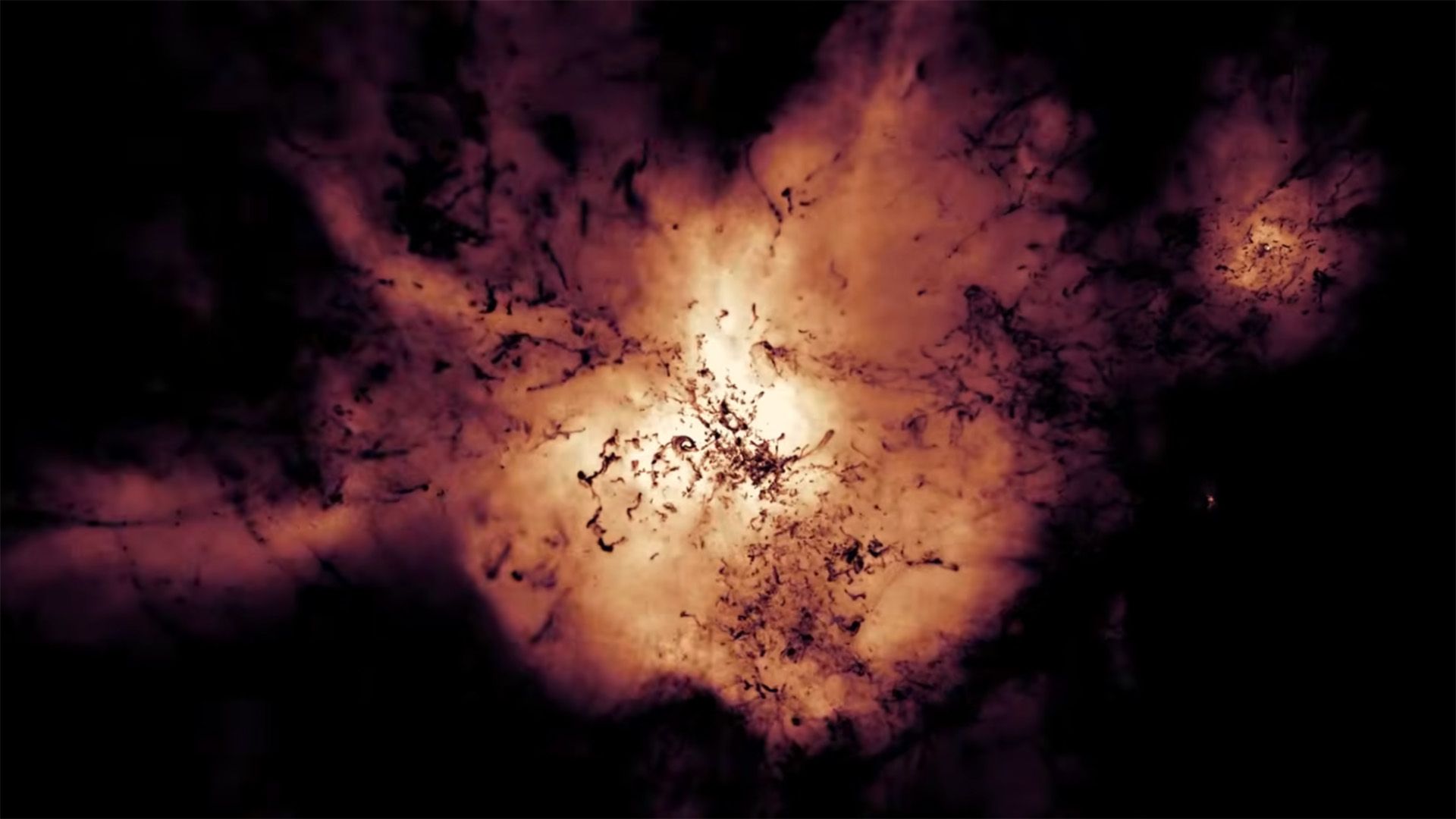
New simulation of the universe shows the first 2 billion years after the Big Bang play out in stunning detail

New simulation of the universe shows the first 2 billion years after the Big Bang play out in stunning detail

Colorectal cancer is especially aggressive in young people — a new study may reveal why

Colorectal cancer is especially aggressive in young people — a new study may reveal why

Bronze Age sword discovered in an Italian lake is still sharp after 3,300 years

Bronze Age sword discovered in an Italian lake is still sharp after 3,300 years

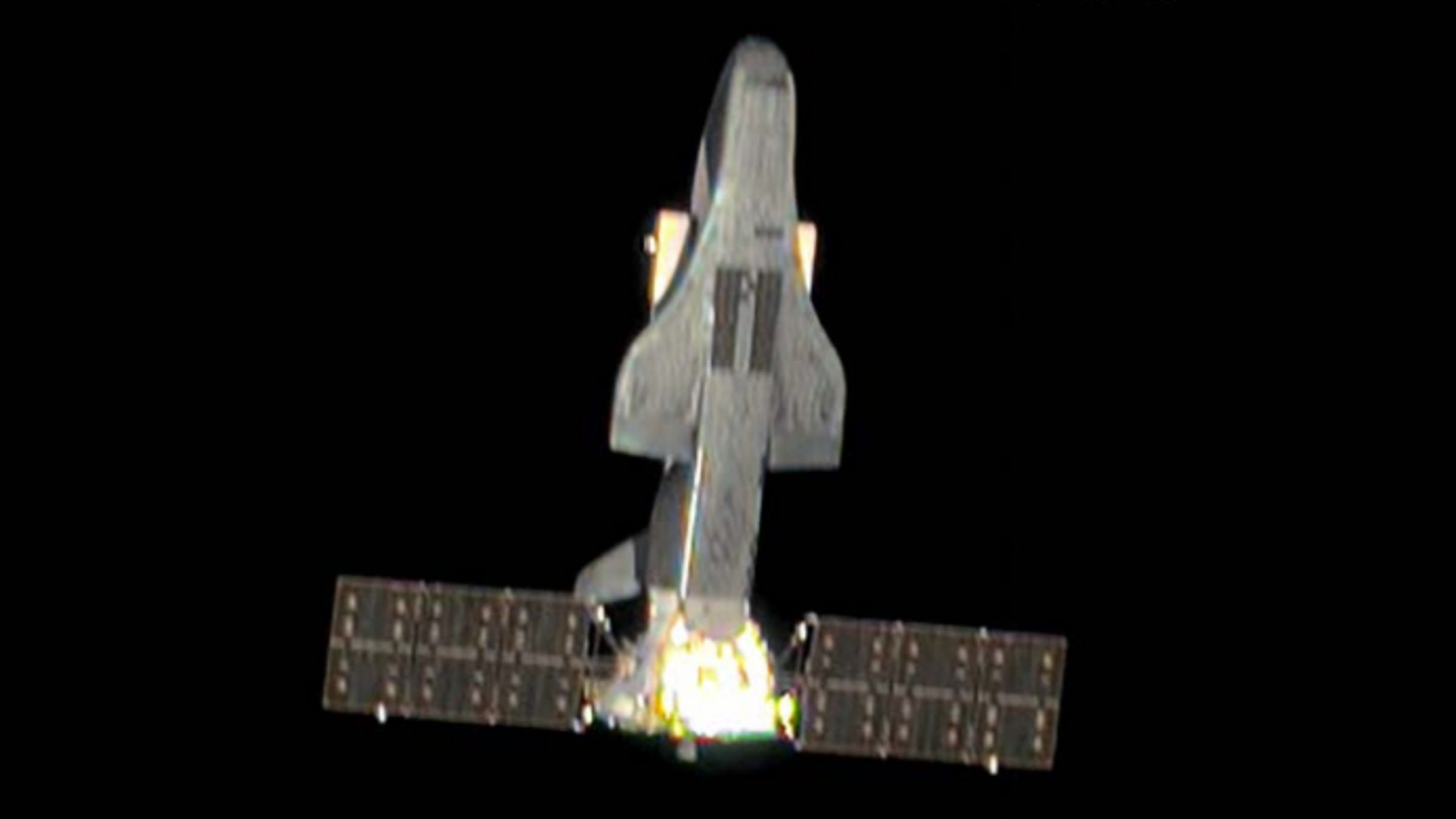
US intelligence report reveals first clear look at China’s top-secret Shenlong spaceplane that’s been dumping unidentified objects above Earth

US intelligence report reveals first clear look at China’s top-secret Shenlong spaceplane that’s been dumping unidentified objects above Earth

Scientists discover ‘chain reaction’ that leads to pain in ulcerative colitis

Scientists discover ‘chain reaction’ that leads to pain in ulcerative colitis

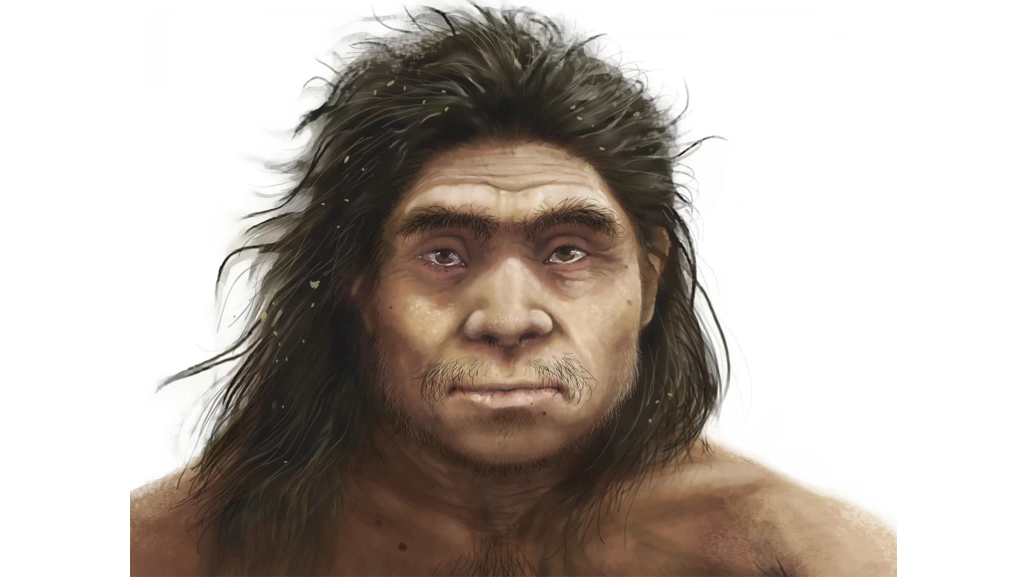
Our extinct cousins the Denisovans had a ‘distinctive’ appearance, new analysis reveals

Our extinct cousins the Denisovans had a ‘distinctive’ appearance, new analysis reveals

A woman carried a ‘stone baby’ in her abdomen for 3 years — Diagnostic dilemma

A woman carried a ‘stone baby’ in her abdomen for 3 years — Diagnostic dilemma

Universities should not be adopting AI to automate their own absurdities | Akhil Bhardwaj

Universities should not be adopting AI to automate their own absurdities | Akhil Bhardwaj

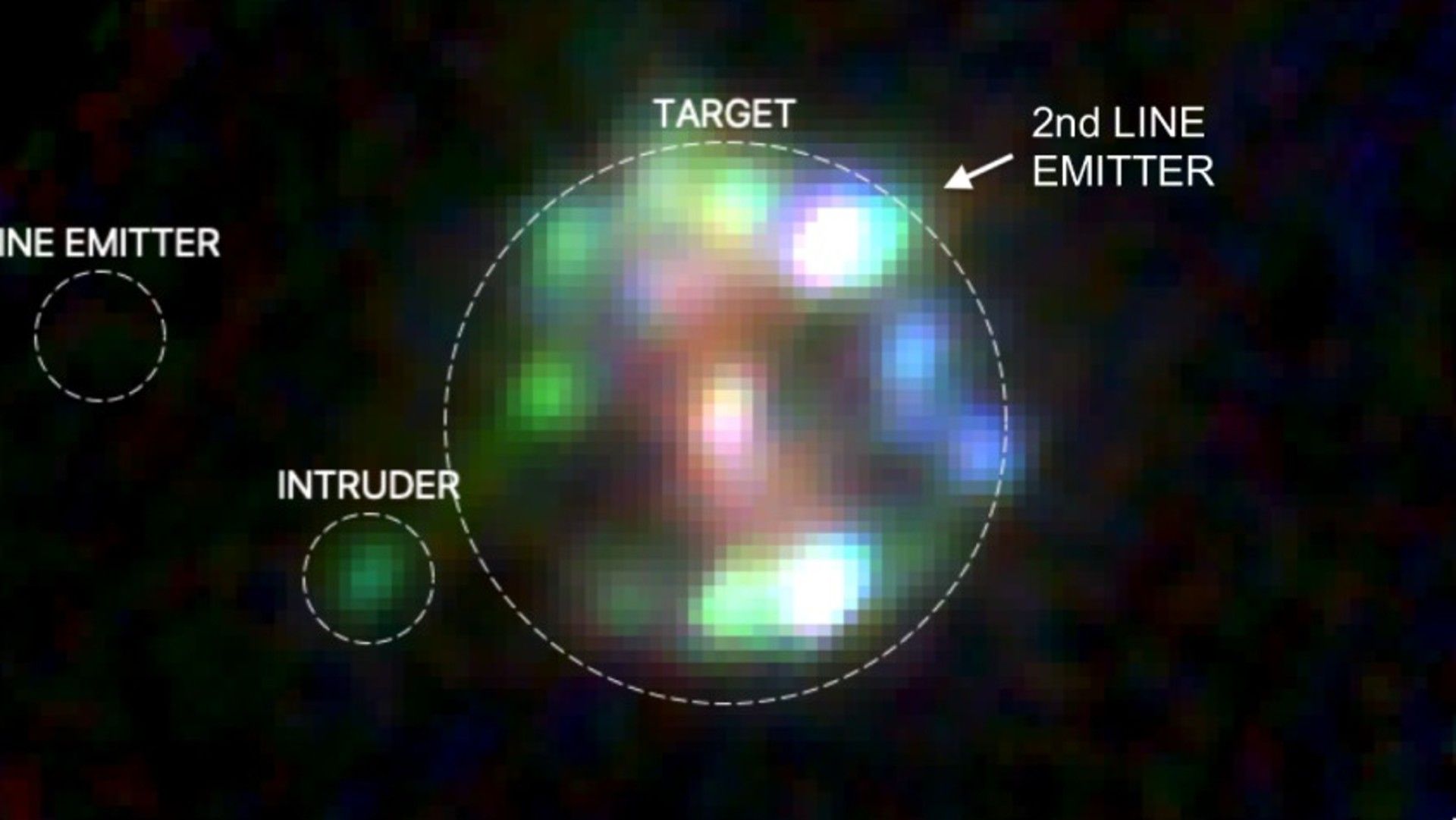
James Webb Space Telescope discovers most distant ring galaxy ever, hinting at ultra-rare early universe collision

James Webb Space Telescope discovers most distant ring galaxy ever, hinting at ultra-rare early universe collision

Add A Comment
Leave A Reply Cancel Reply

Editors Picks

Steph Curry ties LeBron James with epic piece of history

Steph Curry ties LeBron James with epic piece of history

October 29, 2026
New simulation of the universe shows the first 2 billion years after the Big Bang play out in stunning detail

New simulation of the universe shows the first 2 billion years after the Big Bang play out in stunning detail

October 29, 2026
I’m obsessed with Korean skincare — I spend thousands a year and plan vacations around it

I’m obsessed with Korean skincare — I spend thousands a year and plan vacations around it

October 29, 2026
Alaska governor orders probe of Mary Peltola Senate campaign over ‘Decoy Dan’ Sullivan scandal

Alaska governor orders probe of Mary Peltola Senate campaign over ‘Decoy Dan’ Sullivan scandal

October 29, 2026

Subscribe to News

Get the latest USA news and updates directly to your inbox.

Latest News
Israel election results put Arab parties in key coalition-forming role

Israel election results put Arab parties in key coalition-forming role

October 29, 2026
‘Chicago P.D.’ Cast’s Rare Comments About Sophia Bush’s Shocking Exit After Abuse Allegations

‘Chicago P.D.’ Cast’s Rare Comments About Sophia Bush’s Shocking Exit After Abuse Allegations

October 29, 2026
Luka Doncic-less Lakers get back on track with win over Clippers

Luka Doncic-less Lakers get back on track with win over Clippers

October 29, 2026
Facebook X (Twitter) Pinterest WhatsApp TikTok Instagram
© 2026 USA Times. All Rights Reserved.
  • Privacy Policy
  • Terms
  • Advertise
  • Contact

Type above and press Enter to search. Press Esc to cancel.