
The French Open is about to crown new champions.
That alone makes this Roland Garros feel different.
No Carlos Alcaraz defending his title. No Jannik Sinner, the world’s No. 1 player. No Novak Djokovic. No Iga Swiatek, who had won four of the previous six French Opens. No defending champion Coco Gauff, either. And no Aryna Sabalenka, after the women’s world No. 1 lost to Diana Shnaider in the quarterfinals.
There’s no obvious script.
And Martina Navratilova thinks tennis could use a little of that.
MARTINA NAVRATILOVA SAYS SHE TRIED TO WARN KAMALA HARRIS’ CAMPAIGN ABOUT TRANS ATHLETES: ‘NOBODY WOULD LISTEN’
Navratilova, an 18-time Grand Slam singles champion and one of the greatest players in tennis history, told OutKick in a recent interview that the chaos in Paris has made this year’s French Open fascinating heading into championship weekend.
“I think it’s amazing,” Navratilova said.
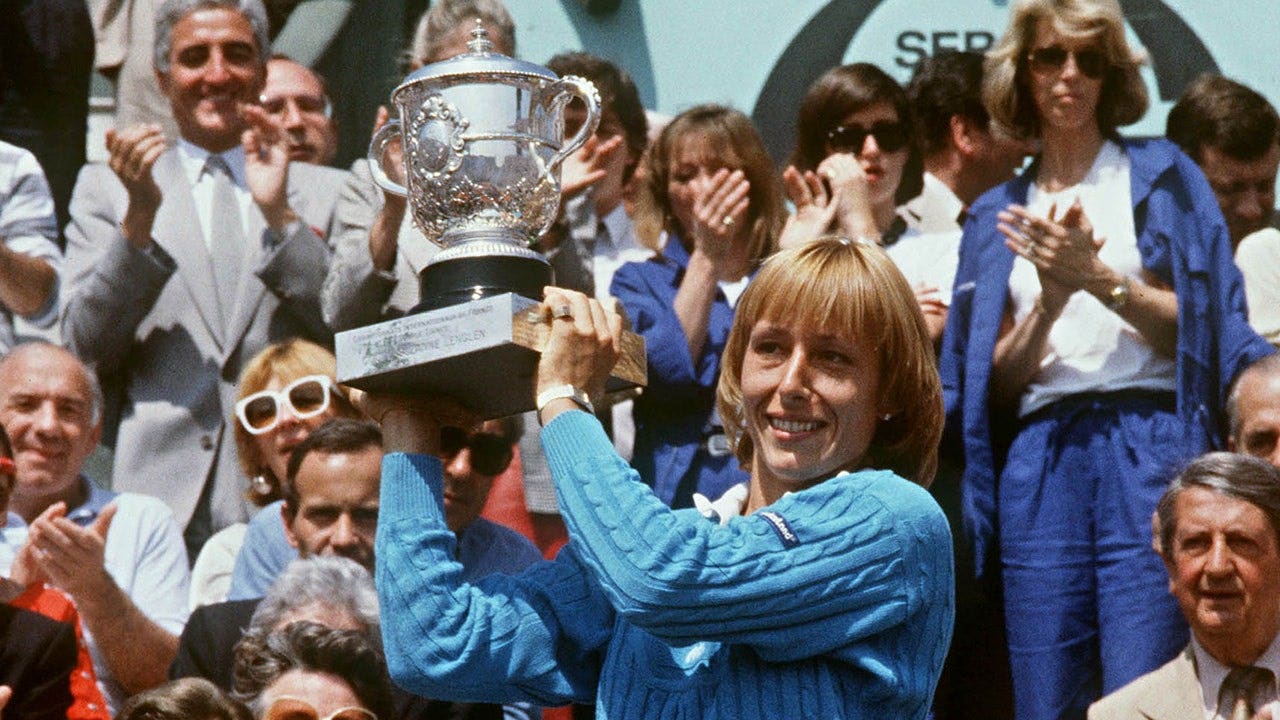
Martina Navratilova holds up the winner’s trophy after defeating Chris Evert-Lloyd in the women’s French Open final at Roland Garros stadium on June 9, 1984. (AFP/Getty Images)
At the time, Swiatek, the four-time French Open champion, had already been knocked out of the women’s draw by Marta Kostyuk. Defending champion Coco Gauff was already gone, too.
On the men’s side, Alcaraz withdrew prior to the tournament with a right wrist injury, Sinner’s stunning second-round loss blew a hole in the top of the draw, and Djokovic’s third-round exit removed the last familiar giant from the field.
Just like that, Roland Garros became something very different.
“So it’ll be a new women’s champion and a new men’s champion,” Navratilova said. “It’s kind of a changing of the guard, but there’s just a lot more players that can win these days.”
That’s the fun part.
Tennis has spent decades leaning on dominant stars. Roger Federer, Rafael Nadal and Djokovic carried the men’s game for nearly two decades. Serena Williams did the same on the women’s side. Swiatek has owned Paris in recent years, and Alcaraz and Sinner have looked like the next two-man rivalry ready to grab the sport by the throat.
But sometimes, a Grand Slam needs a little madness.
TIAFOE’S HEARTBREAKING FRENCH OPEN COLLAPSE ENDS AMERICA’S LAST HOPE AT ROLAND GARROS
This one got plenty of it.
Navratilova said Alcaraz’s absence, Sinner’s loss and the rest of the chaos changed the entire feel of the tournament.
“All of a sudden, everybody’s champing at the bit,” Navratilova said. “‘Oh, I can win this tournament,’ because those two guys are not there anymore.”
Add Djokovic to that list, and the point becomes even stronger.
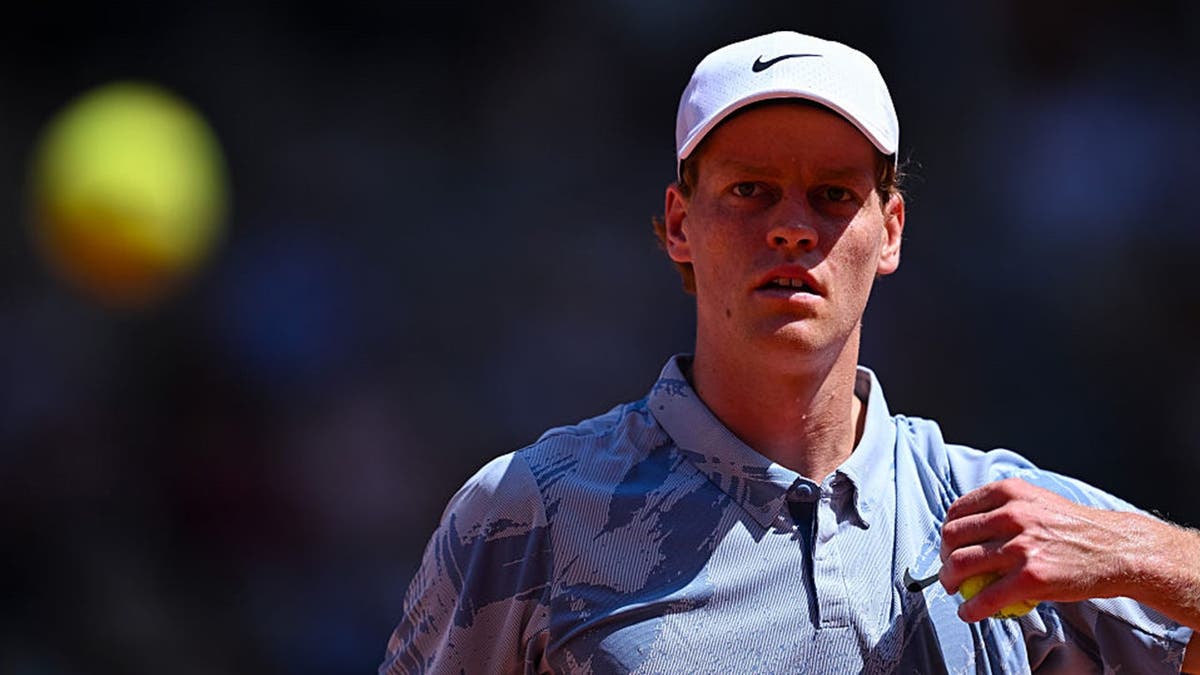
Jannik Sinner was upset by Juan Manuel Cerundolo during the second round of the 2026 French Open at Roland Garros. (Daniel Kopatsch/Getty Images)
For years, winning a major on the men’s side meant going through at least one tennis monster. Federer. Nadal. Djokovic. Then Alcaraz. Then Sinner. Maybe two of them. Maybe three.
At Roland Garros, that grip has been even tighter. Since Stan Wawrinka won in 2015, every men’s champion in Paris has been Nadal, Djokovic or Alcaraz.
Not this time.
That does not mean tennis is better without stars.
It means tennis is better when fans don’t already know how the movie ends.
“Most of all, you need rivalries. You need suspense,” Navratilova said. “It’s not fun when it’s a given.”
That is the balance tennis is always trying to strike.
Dominance creates history. Rivalries create emotion. Uncertainty creates appointment viewing.
Navratilova pointed to Nadal’s absurd run at Roland Garros as the kind of dominance that deserves to be celebrated. Nadal won the French Open so many times that, for years, the only question in Paris was whether anyone could make him sweat.
“I mean, it’s amazing how many times Rafa Nadal has won this, no matter who was on the other side of the net,” Navratilova said. “So you honor that, but it’s best when you’re not sure who’s going to win. That’s what makes it beautiful.”
That’s what this French Open has now.
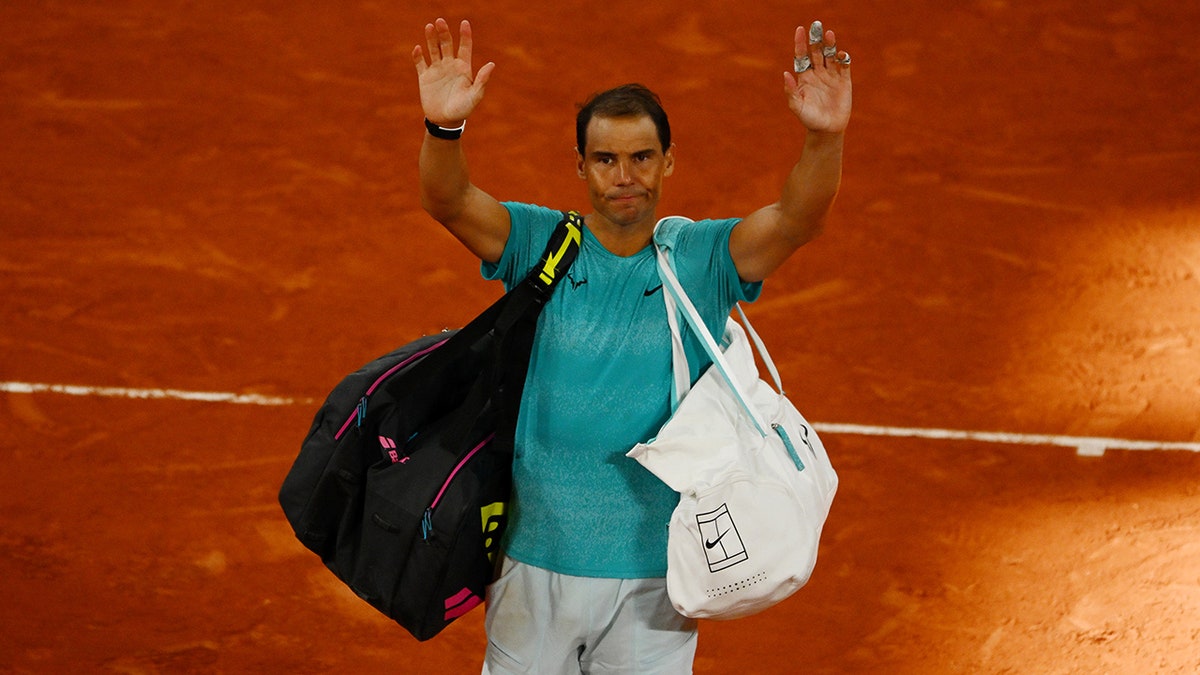
Rafael Nadal of Spain waves to the crowd after his final French Open match, a loss to Alexander Zverev in the 2024 tournament at Roland Garros. (Clive Mason/Getty Images)
The final weekend is not about watching an inevitable champion finish the job. It’s about finding out who can handle the moment when the draw suddenly says yes.
Navratilova said that kind of uncertainty is what pulls fans into the sport.
“That’s what made that last final here between Alcaraz and Sinner so compelling, because you didn’t know who was going to win until the match was over,” she said. “And so you need rivalries. You need the contrasts and the personalities and for people to get involved emotionally behind the player. And that’s what really makes the sport tick, I think.”
That point ties into something Chris Evert told OutKick earlier in the tournament.
After Sinner left the court during his second-round loss to Juan Manuel Cerundolo, Evert said tennis has to be honest about two things at once.
CHRIS EVERT SAYS JANNIK SINNER ‘SHOULDN’T HAVE BEEN ALLOWED’ TO LEAVE COURT DURING FRENCH OPEN CONTROVERSY
Top players drive the sport. They carry television windows, ticket sales and interest through a two-week Grand Slam. Evert told OutKick that those players have earned some consideration when it comes to scheduling and recovery.
But Evert also said Sinner “shouldn’t have been allowed” to leave the court if the issue was cramping and dehydration, because muscle cramping alone is not grounds for a medical timeout under Grand Slam rules.
That’s where Navratilova’s answer lined up with Evert’s broader point.
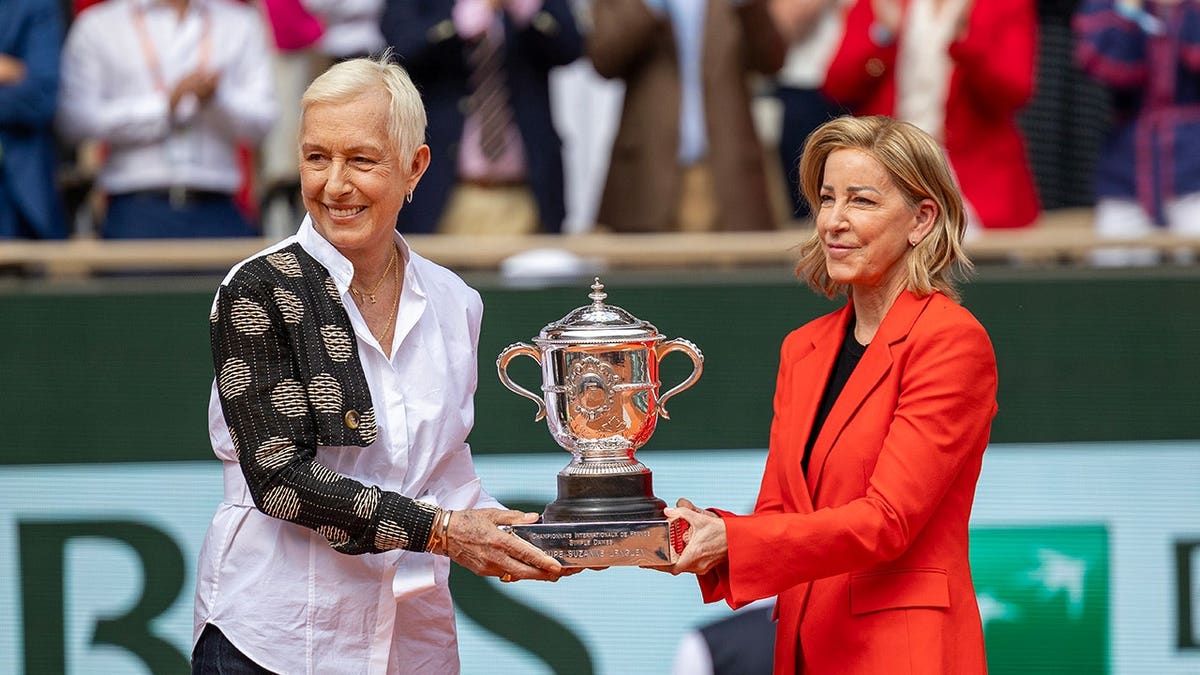
Martina Navratilova and Chris Evert present the winner’s trophy to Iga Świątek after the women’s singles final at the 2024 French Open. (Tim Clayton/Corbis via Getty Images)
Navratilova was asked whether tennis’ biggest names get advantages that other players do not. She did not hesitate.
“Of course, the top players get preferential treatment,” Navratilova said. “I mean, some of them literally say, ‘This is when I need to play, and what day, and what time,’ and they get that.”
That’s not exactly shocking.
Tennis is a star-driven sport. The biggest names sell tickets. They drive television windows. They create the matchups that capture the attention of casual sports fans.
Navratilova said those players have earned some of that treatment.
“At the same time, they kind of earned it,” Navratilova said. “But yeah, you can take it too far, obviously.”
That’s the same uncomfortable middle ground Evert identified.
Nobody reasonable wants Sinner, Alcaraz, Djokovic, Aryna Sabalenka, Coco Gauff or the sport’s other biggest stars treated like anonymous qualifiers. They are not anonymous qualifiers. They carry the sport.
But there is a difference between giving stars the best courts, best windows and best recovery opportunities before a match, and letting fans wonder whether they’re getting a softer interpretation of the rulebook once the match starts.
In Sinner’s case, Navratilova noted the controversy did not save him.
“At the end of the day, he lost anyway,” she said. “So whatever help he might have gotten didn’t help.”
True.
But that does not make the larger conversation go away. If anything, it fits the theme of this French Open perfectly.
The sport still needs stars.
It also needs suspense.
And it needs fans to believe the same rules apply once the match starts.
That is what made this French Open so strange and so compelling.
The biggest names were supposed to define the tournament. Instead, the tournament became more interesting because so many of them disappeared.
OUTKICK IS NOW ON THE FOX APP: CLICK HERE TO DOWNLOAD
Now tennis gets a championship weekend with fresh faces, new pressure and no obvious ending.
Navratilova does not see that as a problem.
“I think it’s great to see the new blood coming in and taking charge,” she said.
For tennis, that might be exactly what Roland Garros needed.
A little new blood.
A little suspense.
And for once, no coronation.