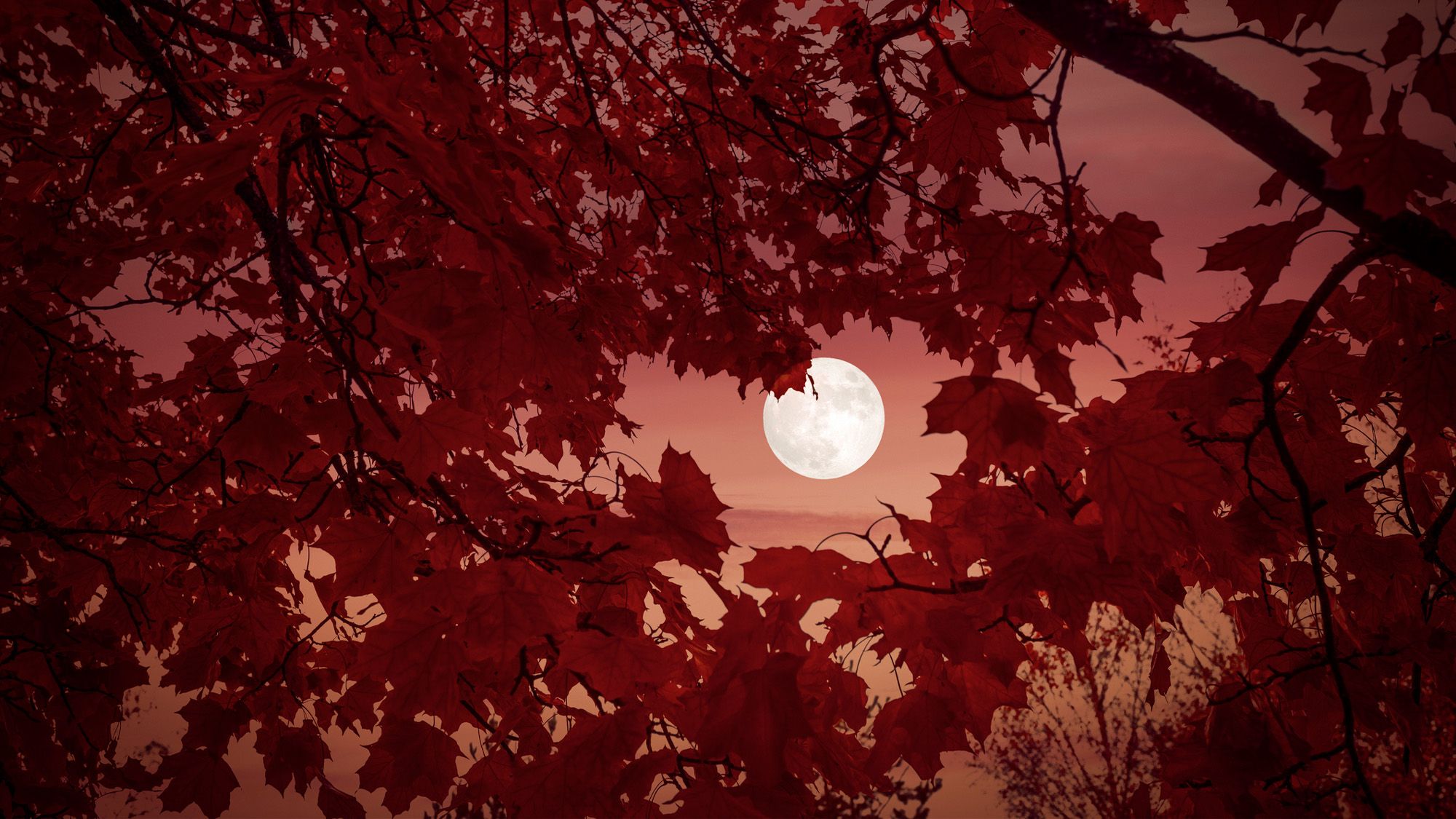





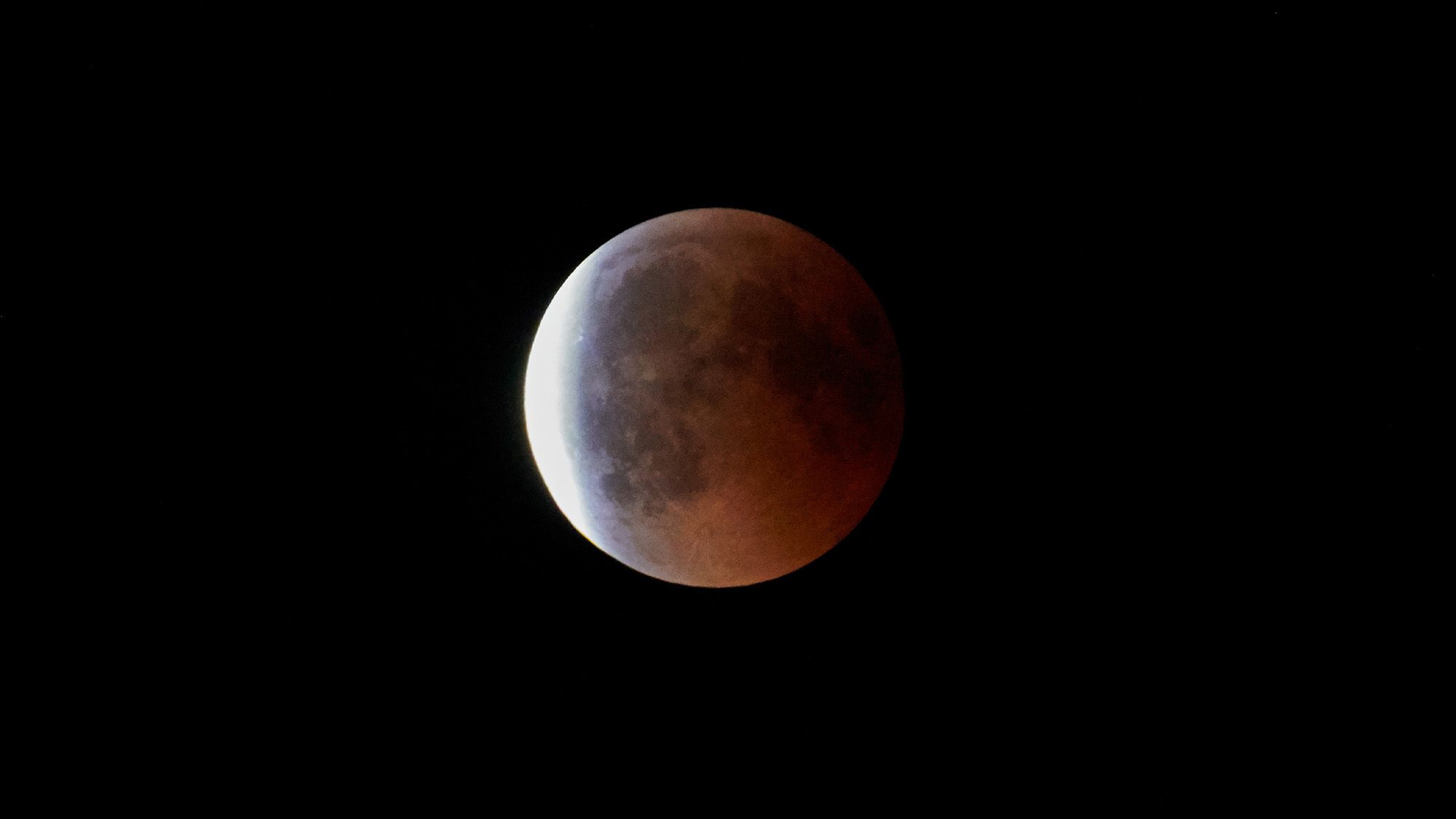


Just over two weeks after the total solar eclipse on Aug. 12 comes an encore. On the night of Aug. 27–28, a very deep partial lunar eclipse will see Earth’s shadow cover more than 96% of the full moon. Although it falls just short of becoming a total lunar eclipse — and therefore isn’t technically a “blood moon” — much of the lunar surface will turn a coppery red to cameras. It will also be the deepest lunar eclipse anywhere in the world until the next total lunar eclipse on Dec. 31, 2028.
Unlike a solar eclipse, a lunar eclipse is completely safe to observe with the naked eye and unfolds slowly over several hours, giving observers and photographers plenty of time to enjoy it. Whether you’re using binoculars, a telescope, a mirrorless camera or a smart telescope, it will be one of the best lunar photography opportunities for years.
Solar and lunar eclipses often come in pairs because they occur during the same eclipse season — a period of about 34 days when the sun, Earth and moon line up closely enough for eclipses to occur. A solar eclipse happens at new moon, when the moon passes between Earth and the sun. Then, about two weeks later, at full moon, the alignment can produce a lunar eclipse as the moon passes through Earth’s shadow.
This eclipse will favor observers in North and South America, where every stage will be visible high in the night sky. Europe gets a different, but equally photogenic experience, with the eclipse occurring before dawn as the moon sinks toward the western horizon.
Whatever equipment you use, the biggest challenge for most people won’t be finding the eclipse, but deciding how to see and photograph it. Here’s some gear worth considering.
Best binoculars for the Aug. 27-28 lunar eclipse
Large binoculars are a fine way to enjoy a lunar eclipse.
(Image credit: Jase Parnell-Brookes)
Best telescopes for the Aug. 27-28 lunar eclipse
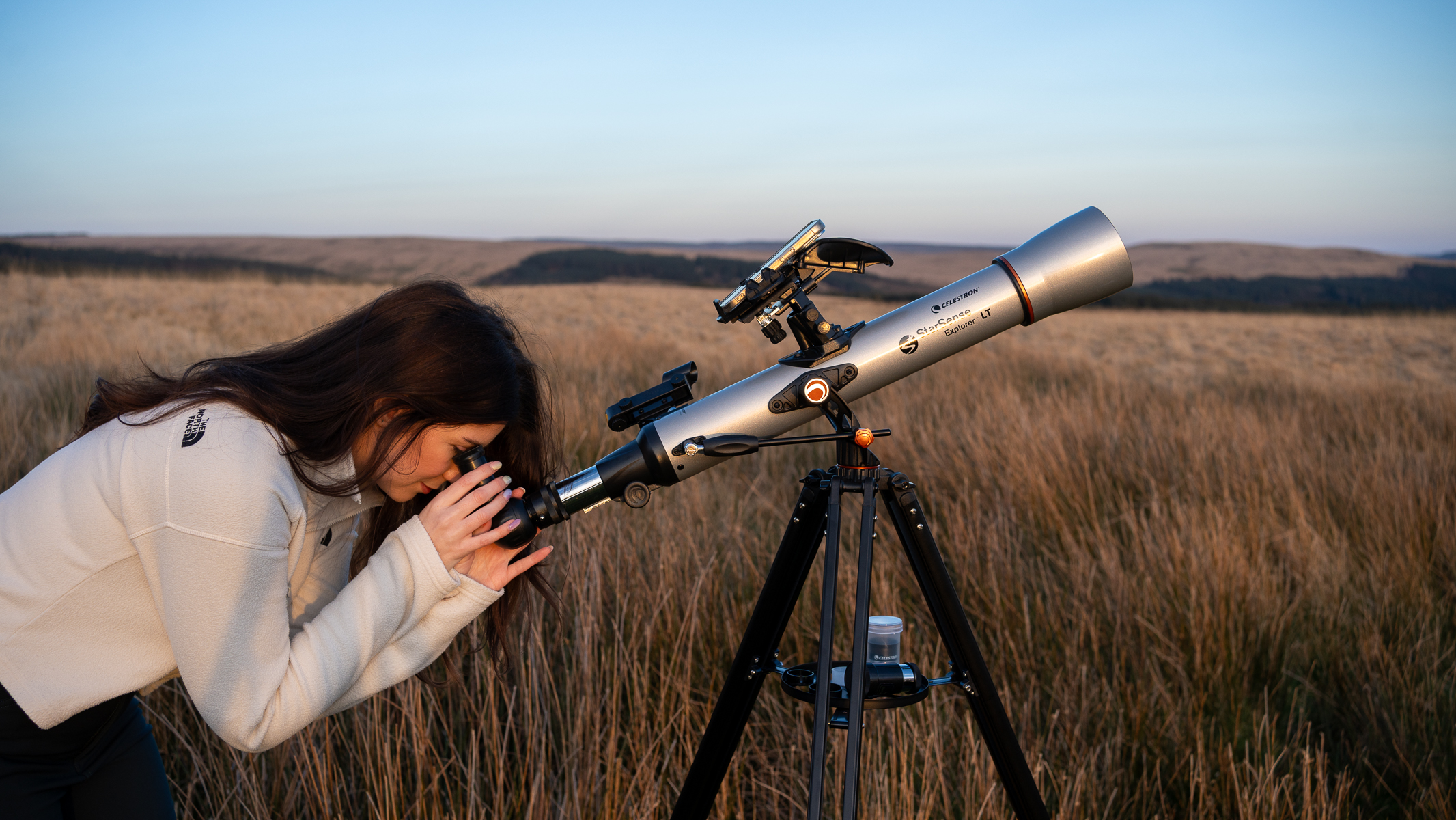

The StarSense Explorer LT 70AZ is an ideal first telescope for viewing a lunar eclipse.
(Image credit: Kimberley Lane)
Best smart telescopes for the Aug. 27-28 lunar eclipse
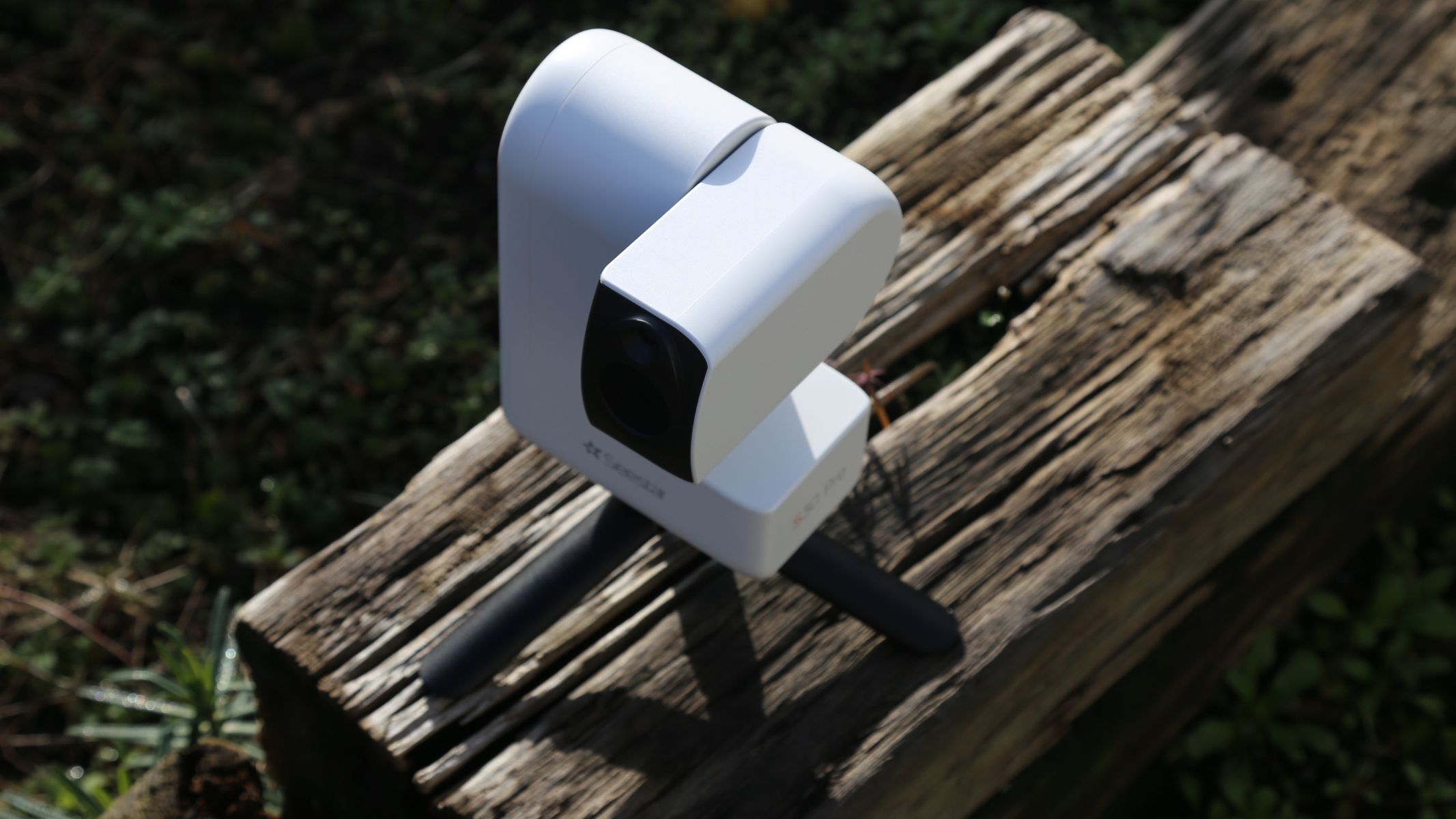

The Seestar S30 Pro can automatically track and photograph the eclipsed moon.
(Image credit: Jamie Carter)
Best cameras for the Aug. 27-28 lunar eclipse
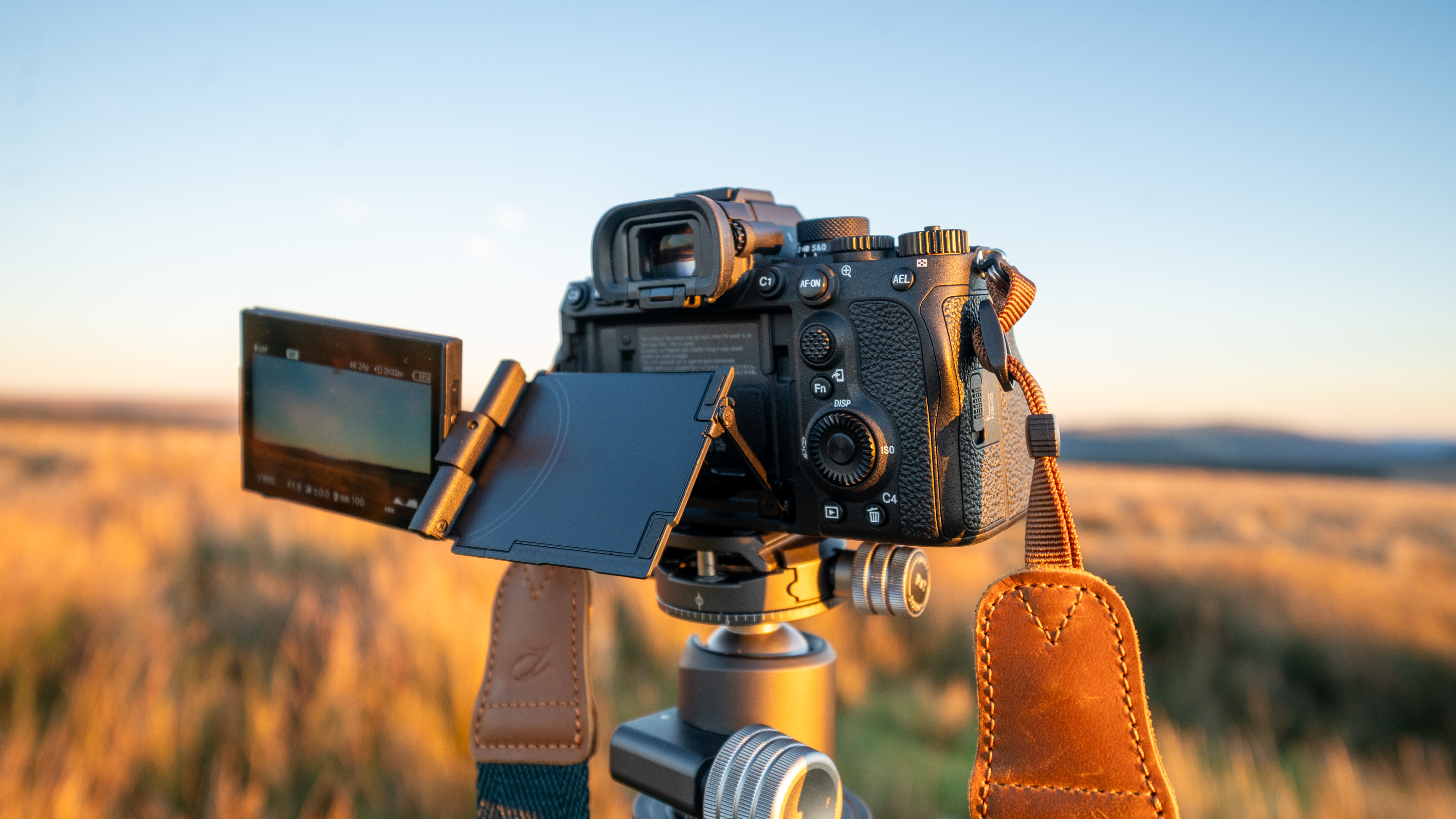

Sony’s high-resolution mirrorless camera captures exceptional lunar detail.
(Image credit: Kimberley Lane)
Best lenses for the Aug. 27-28 lunar eclipse
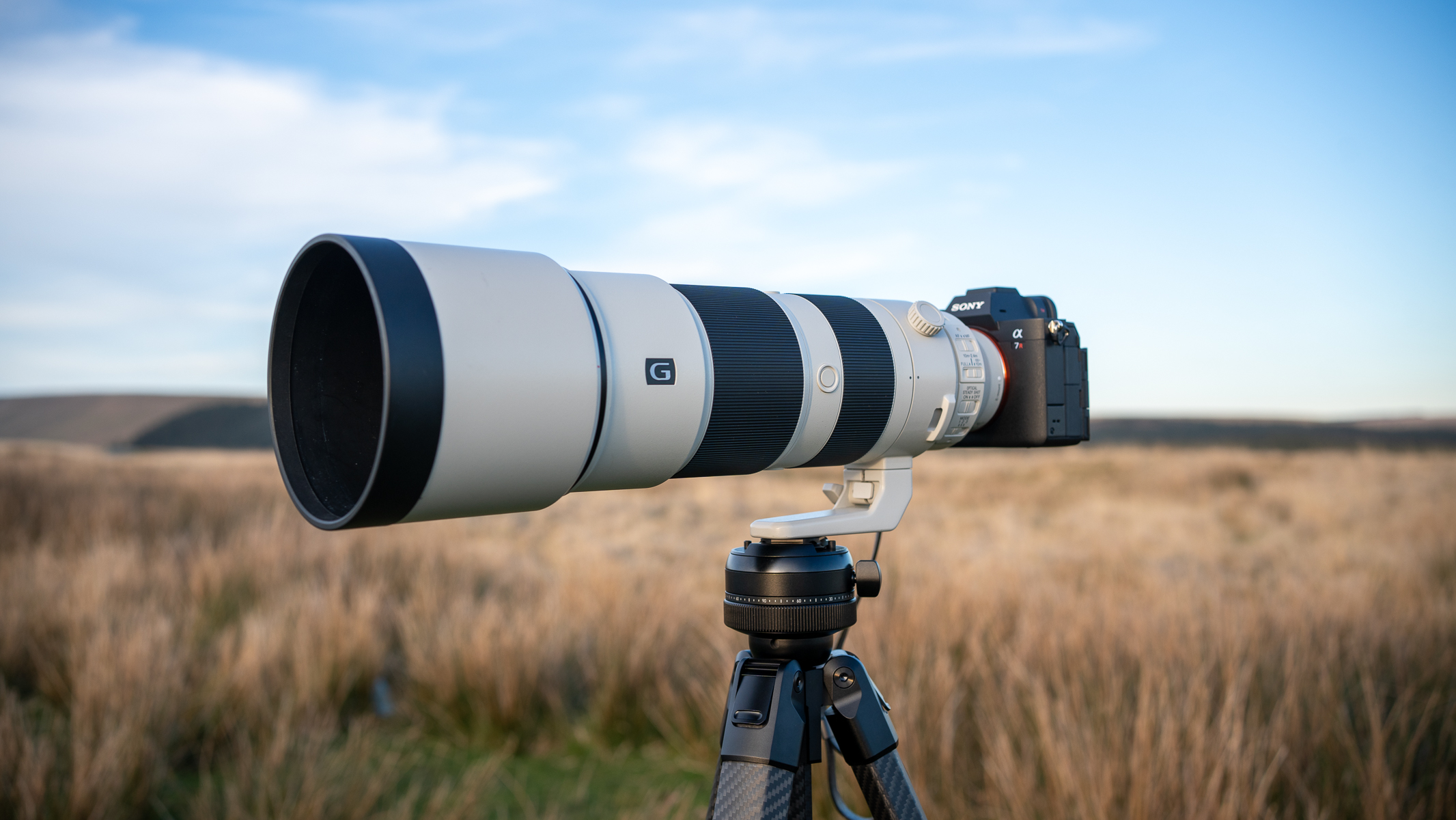
A lightweight telephoto zoom is ideal for photographers traveling for an eclipse.
(Image credit: Kimberley Lane)
Essential accessories for the Aug. 27-28 lunar eclipse
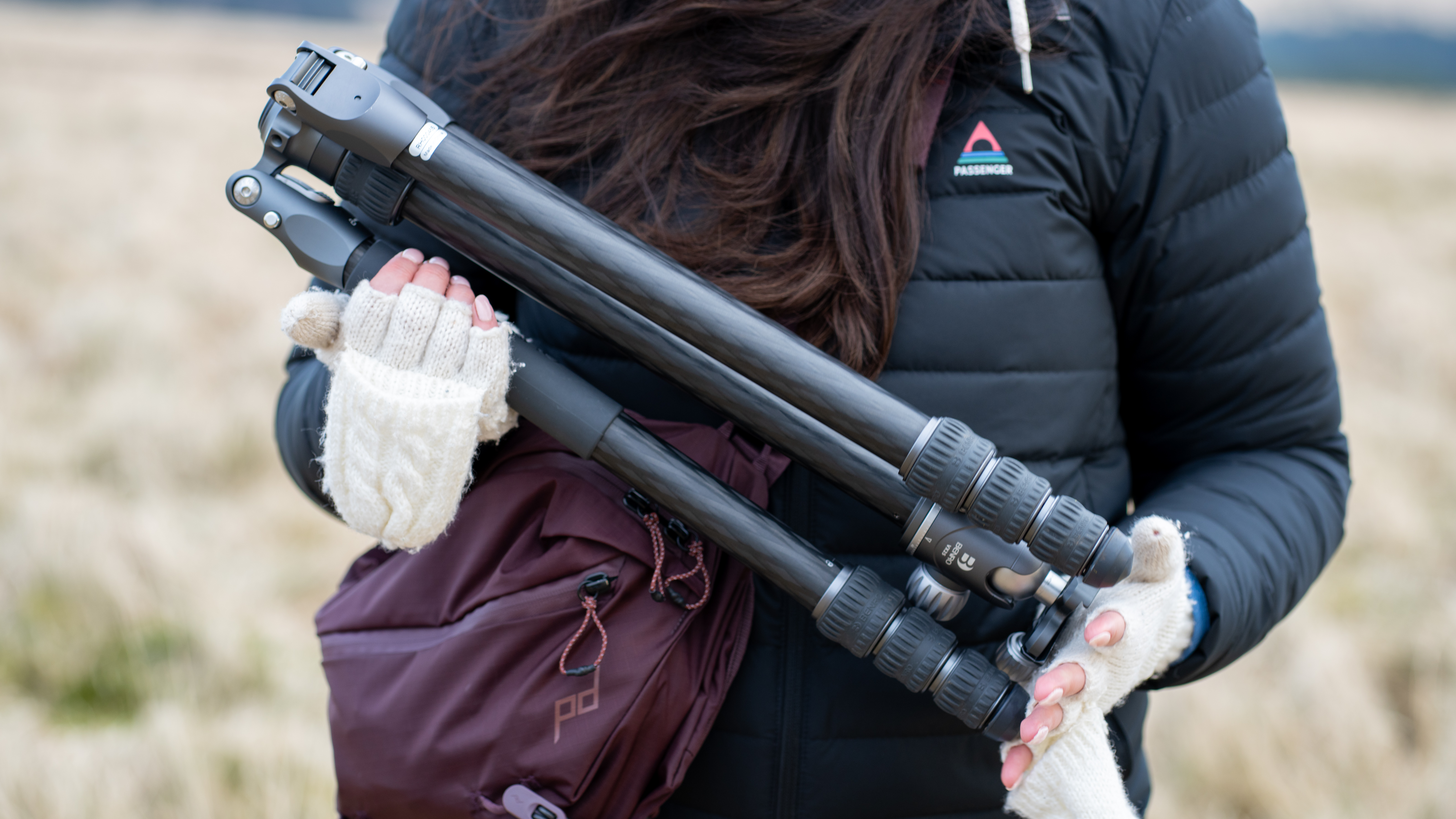

A sturdy tripod becomes increasingly important as the eclipsed moon grows darker.
(Image credit: Jase Parnell-Brookes)
FAQs
Do I need eclipse glasses to watch a lunar eclipse?
No. Unlike a solar eclipse, a lunar eclipse is completely safe to observe with the naked eye, binoculars or a telescope. No solar filters or special eye protection are ever required.
Will this be a ‘blood moon’?
No. A “blood moon” refers to a total lunar eclipse, when the entire moon passes into Earth’s umbra. During the Aug. 27-28 eclipse, about 96% of the moon will enter the umbra, leaving a thin sunlit sliver visible throughout the event. However, most of the lunar surface is still likely to appear reddish.
Can I photograph it with a smartphone?
Yes. Smartphones can be used to capture wide-angle landscape images showing the eclipsed moon above buildings or mountains, although a tripod is advisable. However, for detailed close-ups of the moon itself, you’ll need binoculars, a telephoto lens or a telescope.
What camera settings should I use?
Start with the settings you would normally use for a full moon — ISO 100, f/8-f/11 and 1/100-1/125 seconds — then gradually lengthen the exposure as the eclipse progresses and the moon dims. Shooting in RAW format and using exposure bracketing will give you the greatest flexibility when processing your images later.