


Follow us
Add us as a preferred source on Google
Subscribe to our newsletter
A proposed change to decades-old guidance on hepatitis B vaccination would lead to a dramatic increase in chronic hepatitis B virus (HBV) infections among young people, a new modeling study predicts.
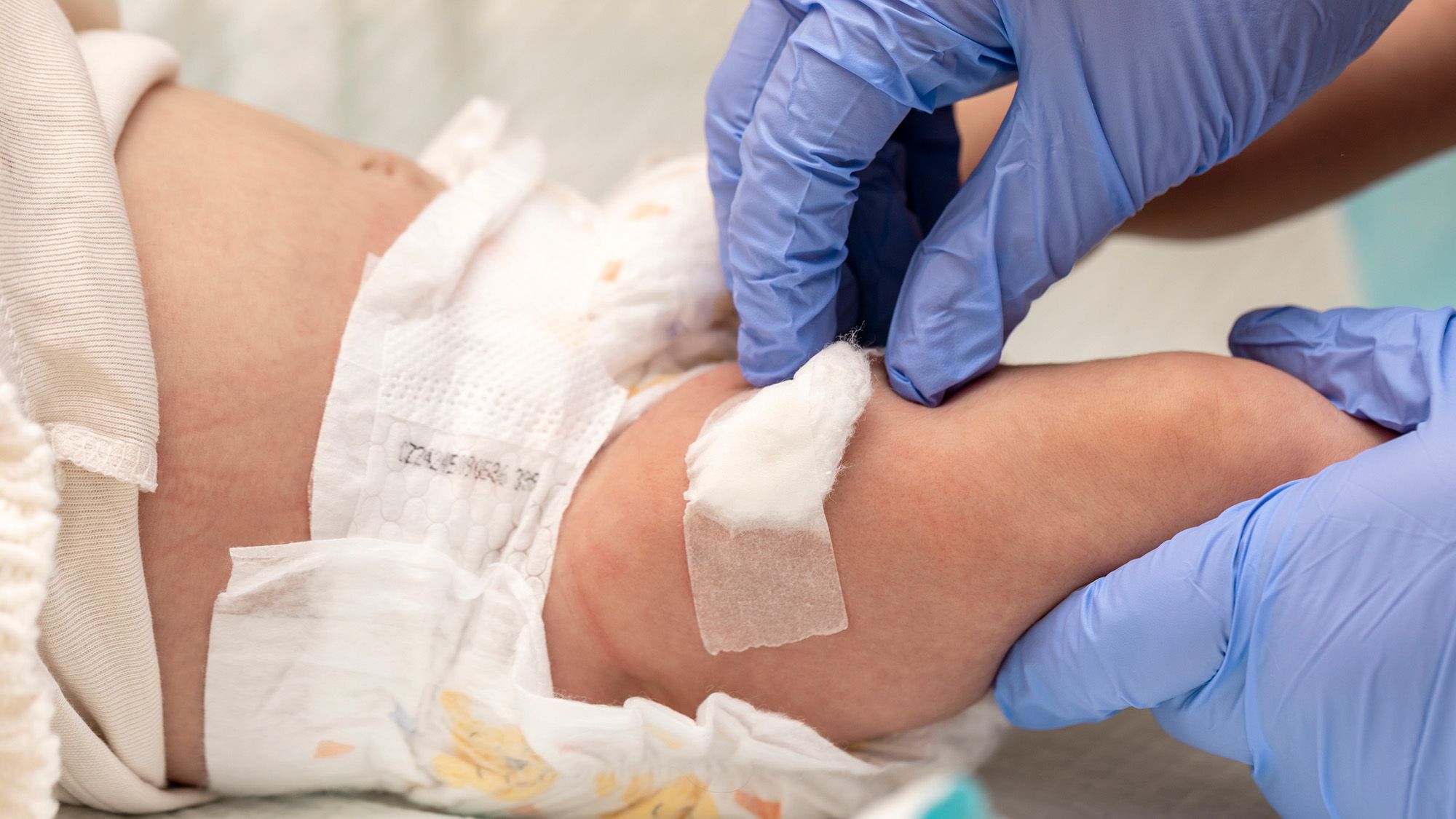
Previously, the Centers for Disease Control and Prevention (CDC) recommended that all newborns be vaccinated against HBV within hours of birth — a strategy known as “universal birth-dose vaccination.” But in December 2025, the Advisory Committee on Immunization Practices (ACIP) advised ending this recommendation, and the CDC accepted that advice.
The new guidance would recommend birth doses only to babies whose mothers tested positive for HBV or whose HBV status was unknown. The guidance suggests that mothers who test negative should instead ask their doctors about whether their child needs a birth dose — an approach the CDC calls “shared clinical decision-making.” The new recommendation states that babies who forgo the birth dose should be at least 2 months old before starting the HBV vaccine series.
Latest Videos FromLive Science
Health experts widely criticized the proposed change when it was announced, and for the moment, its implementation has been put on pause by legal action. The modeling study, published Oct. 19 in the journal Annals of Internal Medicine, predicts what would happen if it came to pass.
“Overall, this modeling study has many strengths and I think presents an accurate projection of how the vaccine recommendations may impact future chronic HBV in the U.S.,” Dr. Norah Terrault, a transplant hepatologist at the University of Southern California Keck School of Medicine who wasn’t involved in the study, told Live Science in an email.
When caught in infancy or early childhood, over 90% of HBV infections become chronic. About 15% to 25% of people with chronic HBV go on to develop liver scarring (cirrhosis), a form of liver cancer called hepatocellular carcinoma, or another chronic liver disease. So, an uptick in chronic HBV infections would translate to an uptick in these harmful liver conditions.
Increases in infection
“Not every pregnant person is tested for hepatitis B,” said study co-author Dr. Amir Mohareb, an infectious-diseases physician-investigator at Massachusetts General Hospital and Harvard Medical School. For those who are tested, there’s a chance their results are inaccurate or that they’re not provided the right care after testing positive. “Something can be missed at any step in the care process, so the vaccine dose at birth provides protection,” he said.
Get the world’s most fascinating discoveries delivered straight to your inbox.
Mohareb and his colleagues built a simulation model using published data, including the current prevalence of HBV and the screening rate among pregnant people. The team also factored in the HBV test’s sensitivity, the share of children who are fully vaccinated by age 2, and the risk of developing chronic HBV infection in different age groups. They made estimates of how often children are exposed to the virus through contact with infected household or community members.
HBV is “very, very transmissible,” Mohareb said. It can spread from mother to child at birth or through exposure to tiny amounts of bodily fluids, like blood from a scratch, after birth. So, even if a baby does not get HBV from their mother, if they are unvaccinated, they can still get from another family member or from other children.
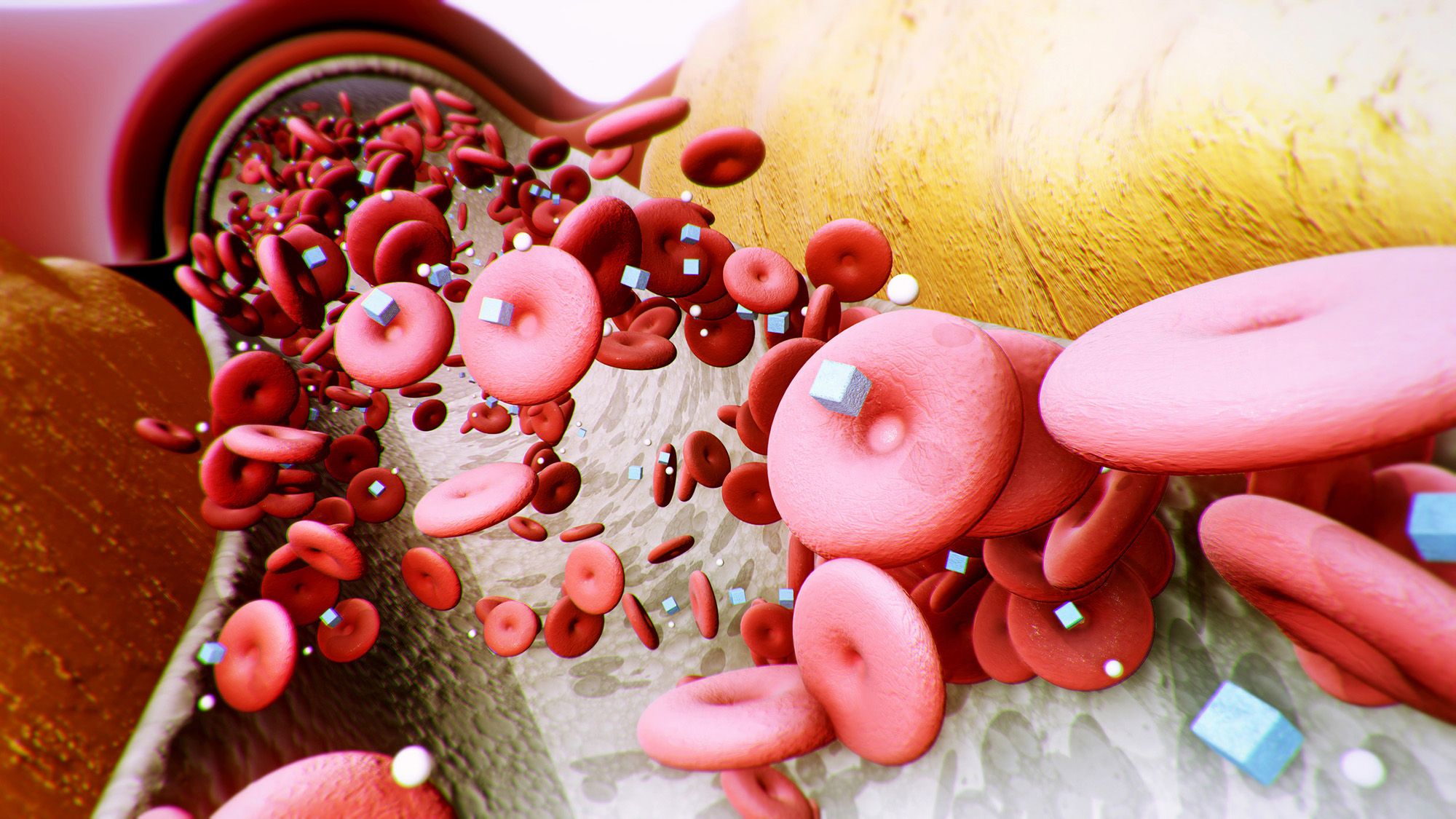
Infants and young children have a greater risk of their HBV infections becoming chronic than people infected in adulthood.
(Image credit: THOM LEACH / SCIENCE PHOTO LIBRARY via Getty Images)
With this data, the researchers tested what would happen if vaccination were postponed to 2 months of age for babies whose mothers tested negative. Among babies born in 2026, 19% more would have chronic HBV infections by age 20, compared with universal birth-dose vaccination, they found.
In this scenario, the babies would still start the HBV vaccine series, albeit two months later than usual. However, the CDC’s proposed recommendation offers more wiggle room; it says that parents should consult with their children’s doctors to “decide when or if their child will begin the hepatitis B vaccine series” at all.
The researchers ran a stimulation to compare these two scenarios: one where kids get their first shot two months late and one intended to capture this looser “shared clinical decision-making” scenario.
“Other vaccines whose recommendations employ similar language had uptake as low as 25%,” Mohareb noted. This aspect of their modeling has some uncertainty, he emphasized, since it’s unknown exactly how the public will respond to such loosening of the guidance.
The researchers assumed that about 87% of kids would complete the vaccine series by age 2 under the deferred strategy, while only 50% would under the shared decision-making strategy. That 50% coverage, in turn, would increase chronic HBV infections acquired by age 20 by 83%, and about 50% and 70% of those born under that guidance would be susceptible to HBV infection at age 20.
That’s about 1.8 million people in this age group per year, compared with fewer than 250,000 under universal birth-dose vaccination. “This represents a population that is at risk for acquiring HBV via sex, drug use etc — behaviors more prevalent among young adults,” Terrault said.
A “missed opportunity to protect against infection”
To test the robustness of the findings, Mohareb’s team varied the most uncertain inputs across wide ranges and ran the model 1,000 times. In every simulation, the birth-dose strategy led to fewer chronic infections than either alternative.
These conclusions seem “robust” because “they are the same conclusions no matter how we change the numbers of the model,” Mohereb noted. Though of course “the specific magnitude of change depends on how many people defer vaccination,” he said.
The new study does not specifically show how many additional cases of liver disease or cancer would result from the uptick in HBV infections. But Terrault said that the risks of liver failure, cirrhosis and liver cancer “would be anticipated to increase due to the missed opportunity to protect against infection.”
Mohareb stressed that he is in no way opposed to the principle of shared decision-making between doctors and patients. “They should always make the decision together,” he said. “But we rely on our public health agencies not to tell us that we should be making decisions with the patient, but rather to tell us what policy would make us healthier as a country.”
Childhood HBV infections in the U.S. dropped from more than 25,000 cases a year in 1985 to fewer than 100 reported cases in 2024. This steep decline is credited to HBV screening during pregnancy, antibody treatment for babies born to HBV-positive mothers and universal birth-dose vaccination.
“Certainly without following a universal dose vaccination recommendation there would be a lot more hep B infections early in life,” Dr. Brian McMahon, a hepatologist and the director of the Liver Disease and Hepatitis Program at the Alaska Native Medical Center, told Live Science in an email.
This article is for informational purposes only and is not meant to offer medical advice.
Mohareb, A. M., Ganapathi, L., Dugdale, C. M., Rajbhandari, R., Ciaranello, A., Neilan, A. M., Jhaveri, R., Kim, A. Y., & Hyle, E. P. (2026). Projected effect of 2026 federal changes to the childhood immunization schedule on chronic hepatitis B virus infections in the United States. Annals of Internal Medicine. https://doi.org/10.7326/annals-26-02135