
NEWYou can now listen to articles!
A colossal crypto regulatory package backed by President Donald Trump stumbled in the Senate, and another shot is unlikely.
The Clarity Act failed to move through a key procedural hurdle on Tuesday, serving proponents of the bill, including major players in the cryptocurrency industry and the White House, a major blow in their pursuit of folding the novel currency into the nation’s web of financial regulations.
Democrats dealt the bill a mortal blow, but a handful of Republicans with outstanding concerns were not assuaged, either. And with little time left on the Senate’s calendar and major bills piling up ahead of the midterm elections, the bill’s biggest backers believed that the Clarity Act might end up back on the shelf.
REPUBLICANS TARGET TRUMP’S CRYPTO EMPIRE WITH NEW PLAN, DEMS SAY IT FALLS SHORT
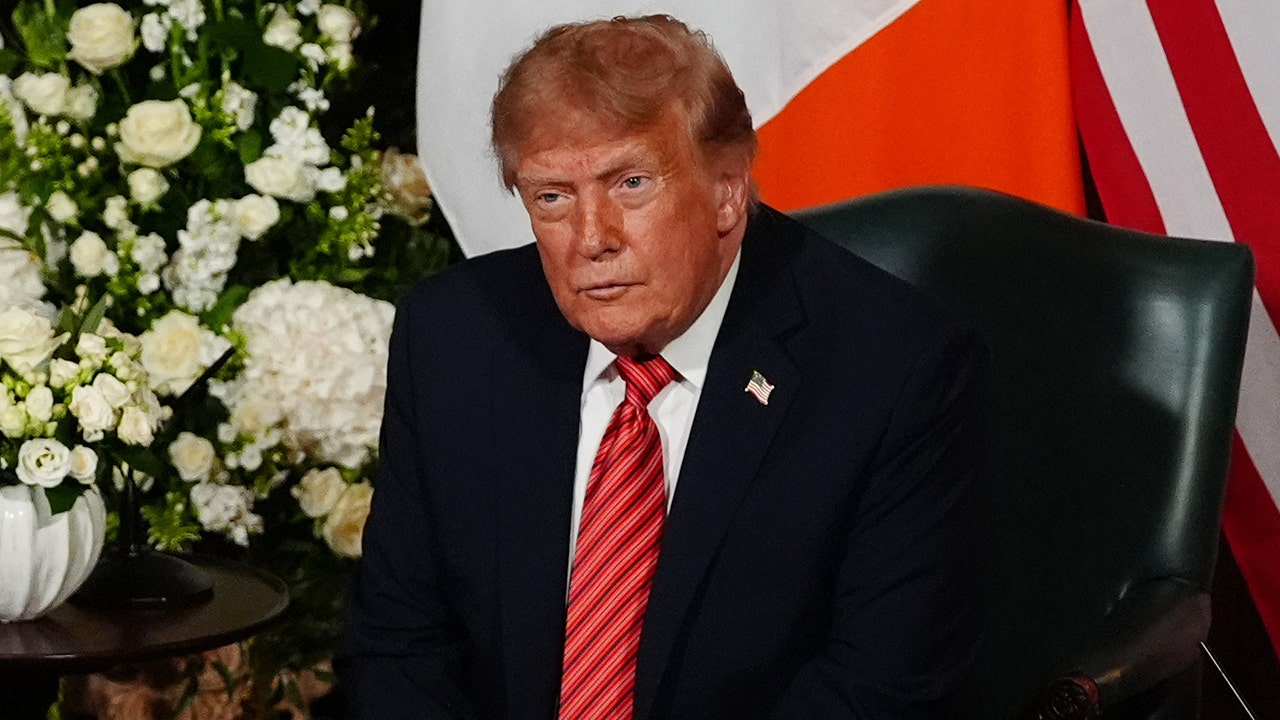
President Donald Trump is seen during a meeting at Farmleigh House in Dublin on Sept. 12, 2026. (Julia Demaree Nikhinson/AP)
“I think we’re done. It’s over,” Sen. Cynthia Lummis, R-Wyo., the bill’s primary architect, said. “Because we’ve been working on this bill for over a year. And we’ve given them over 120 of their requests and that’s enough.”
When asked if the bill would come back to the floor, Lummis said, “Nope.”
A midnight hour update was made to the bill to try and pull anyone on the fence off to at least let the package move forward. But it wasn’t enough.
DEMOCRATS HAND TRUMP ONE POWER THEY SPENT YEARS FIGHTING
“I haven’t seen the final bill yet, but what I’ve seen is bad,” Sen. Cory Booker, D-N.J., told Digital before the vote.
The issues with the package were many and varying among Democrats and Republicans. Several Senate Democrats were not satisfied with the ethics language baked into the Clarity Act that sought to slow Trump’s family’s rapidly growing crypto empire.
That’s because Trump’s income between 2024 and 2025 erupted by about 250% — from just over $620 million to about $2.2 billion.
And much of that increase is attributed to his various holdings and ventures in crypto, which are run by his sons, Don Jr. and Eric, according to the president’s financial disclosure forms reviewed by Digital.
Others didn’t believe that the language dealing with foreign money laundering had enough teeth.
“I have not seen the kind of engagement yet from the Republican side when it comes to countering terrorist financing and cartel financing. That would get me to a yes,” Sen. Andy Kim, D-N.J., said. “I’m still engaged. I didn’t get on board with the GENIUS Act till the very last vote.”
TRUMP’S $5,000 DIVIDEND CHECKS WOULD COME WITH A MAJOR CATCH UNDER GOP SENATOR’S PLAN

Sen. Cynthia Lummis, R-Wyo., is the bill’s primary architect. (Anna Moneymaker/Getty Images)
Still, some lawmakers argued they should at least move forward with the bill to tweak it as needed.
Sen. John Cornyn, R-Texas, was still undecided before the vote. He was worried about how bringing crypto into the fold could affect deposit yields at community banks and guardrails on the currency being “diverted for criminal purposes,” but he argued the bill could be strengthened if they moved forward.
“What we used to do around here is something called legislate,” Cornyn said. “You know where you’d actually vote to get on the bill, but then you amend it, and then you decide whether you’re going to support it on the back end.”
CLICK HERE TO DOWNLOAD THE APP
The bill’s failure does open up the Senate to speedily move to other legislative priorities, like Sen. Ted Cruz’s, R-Texas, college sports bill to add protections to student-athletes and slow the big money train ripping through collegiate athletics.
“We committed to ensure that we got a vote on college sports,” Senate Majority Leader John Thune, R-S.D., said. “So we’ll see if we have 60 [votes]. I don’t know the answer for sure to that yet. I hope we do.”