Close Menu
  • Home
  • United States
  • World
  • Politics
  • Business
  • Lifestyle
  • Entertainment
  • Health
  • Science
  • Tech
  • Sports
  • More
    • Web Stories
    • Editor’s Picks
    • Press Release

Subscribe to Updates

Get the latest USA news and updates directly to your inbox.

What's On
Forget Black! Katie Holmes Just Made This Slouchy Brown Tote Bag the ‘It’ Style of Summer

Forget Black! Katie Holmes Just Made This Slouchy Brown Tote Bag the ‘It’ Style of Summer

June 7, 2026
Jacob Misiorowski’s 98 mph pitch hits Rockies’ Tyler Freeman in head in scary scene

Jacob Misiorowski’s 98 mph pitch hits Rockies’ Tyler Freeman in head in scary scene

June 7, 2026
Soloviev Group refinances West 57th Street tower

Soloviev Group refinances West 57th Street tower

June 7, 2026
Facebook X (Twitter) Instagram
Trending
  • Forget Black! Katie Holmes Just Made This Slouchy Brown Tote Bag the ‘It’ Style of Summer
  • Jacob Misiorowski’s 98 mph pitch hits Rockies’ Tyler Freeman in head in scary scene
  • Soloviev Group refinances West 57th Street tower
  • Trump storms off ‘Meet The Press’ interview after fiery exchange with NBC’s Kristen Welker over 2020 election
  • Jennifer Lopez, Emily Blunt lead best celebrity red carpet looks this week
  • 17 Loose Zara-Style Dresses for Women Over 40 — All Under $30 on Amazon
  • Exclusive | Tony Vitello’s Wrigley Field roots go back generations: ‘I’ve sat about everywhere’
  • Your earlobes may hold a sneaky clue about future heart disease
  • Privacy
  • Terms
  • Advertise
  • Contact Us
Join Us
USA TimesUSA Times
Newsletter Login
  • Home
  • United States
  • World
  • Politics
  • Business
  • Lifestyle
  • Entertainment
  • Health
  • Science
  • Tech
  • Sports
  • More
    • Web Stories
    • Editor’s Picks
    • Press Release
USA TimesUSA Times
Home » What would happen to Earth if the sun suddenly vanished?
What would happen to Earth if the sun suddenly vanished?
Science

What would happen to Earth if the sun suddenly vanished?

News RoomBy News RoomMarch 29, 20262 ViewsNo Comments

The sun has been Earth’s constant companion ever since our planet emerged. But if the sun were to suddenly disappear, what would happen to our home planet?

To understand the fate of a sunless Earth, it’s important to know how both arose. The sun formed about 4.6 billion years ago, when a massive spinning cloud of gas and dust collapsed in on itself and condensed, creating the biggest object in what would become our solar system and eventually reaching a temperature of 27 million degrees Fahrenheit (15 million degrees Celsius) at its core.

Much of the remaining material nearby then clumped up to form Earth and the other rocky planets, including Mercury, Venus and Mars, as well as moons and asteroids. Since its formation, Earth has been heavily reliant on its star. The sun’s gravitational pull keeps our planet in orbit in the “Goldilocks zone,” the just-right distance from its star where it’s not too hot or too cold for water to exist as a liquid on a planet’s surface. The sun also drives photosynthesis and water cycles, and it provides sunlight and heat, which influence our climate. Plus, the sun’s ultraviolet light helps our bodies make vitamin D, which is needed for healthy bones and teeth.

Article continues below


You may like

SIGN UP FOR OUR NEWSLETTER

(Image credit: Marilyn Perkins / Future)

Sign up for our weekly Life’s Little Mysteries newsletter to get the latest mysteries before they appear online.

If the sun suddenly vanished, Earth and the vast majority of life would be in dire straits. It would start “a ticking time bomb on the survival of every living thing on earth that relies on photosynthesis, which is the vast majority of surface life and all of humanity,” Timothy Cronin, an associate professor of atmospheric science at MIT, told Live Science over email.

For at least 8 minutes, 20 seconds, no one would know the sun went missing ‪—‬ that’s how long it takes light from the sun to reach Earth. During that time, “we’d almost certainly have no idea that anything had happened,” Cronin said.

Then, the real trouble would begin.

After the sun’s eight-minute swan song, there would be “a sudden blackout,” Cronin said. Without sunlight, artificial lighting from electricity, oil or gas would be the main ways we could still generate light, along with fire, bioluminescence and fluorescence. We’d lose track of day and night. The moon, which reflects the sun’s light, would go completely dark, although distant stars in the sky would still be visible. And without the sun’s mass and gravity keeping the planets and other celestial bodies in orbit, “all the planets would fly off in the direction of their current travel,” Cronin said.

But humanity would have more immediate problems than flying off into interstellar space. No sunlight would mean crucial processes, such as growing food, would become much more complicated.

Photosynthetic organisms would be done for, Michael Summers, a professor of planetary sciences and astronomy at George Mason University in Virginia, told Live Science. Most plants that weren’t grown under artificial lighting would quickly suffer. And while some “might stay dormant for weeks to months, like they do in the wintertime, eventually all photosynthetic organisms would die.”

Fungi, meanwhile, feed on living or dead matter, and “there would be a great deal of dead material available,” Summers said. So fungi likely wouldn’t die from a lack of food, but from the cold.


What to read next

Cold planet

It wouldn’t take long for frigid temperatures to change the Earth as we know it.

At first, Earth would cool by an average of roughly 36 F (20 C) every 24-hour period, Summers said. “That plunges almost the whole world into subfreezing temperatures within just two to three days,” although as it got colder, the temperature change per day would decrease, he said. Small ponds might freeze over within a week, whereas lakes might take weeks or months. The oceans could persist “for many years, maybe decades,” and in certain places, like “the deepest parts of the oceans where you have volcanoes, they might stay liquid for potentially as long as the volcanoes last,” Summers said. “And that could be billions of years.”

To understand how cold Earth would ultimately get, let’s consider Pluto. Right now, Pluto is “about 40 times as far from the sun as Earth is, and the temperature there now is about minus 400 degrees Fahrenheit [minus 240 C],” Summers said. “Once you eject the Earth out of our solar system, it’s going to get much further away than Pluto very quickly.”

An illustration of Pluto and its moon Charon, both small red and white planets in the darkness of space

Pluto, seen here with its moon Charon in a composite and colorized image taken by NASA’s New Horizons spacecraft, is a frigid minus 400 degrees Fahrenheit (minus 240 C) because it’s so far from the sun. Earth could get even colder than Pluto if the sun suddenly disappeared. (Image credit: NASA)

But Earth’s temperature wouldn’t reach absolute zero, thanks to the Big Bang that happened around 13.8 billion years ago. Even “the lowest temperatures in the universe are limited by heat that’s left over from the Big Bang,” Summers said. “Take any object very far away from a star and let it cool for a million years,” and it will still remain a few degrees above absolute zero. The temperature of the leftover radiation known as the cosmic microwave background is about minus 454 F (minus 270 C), whereas absolute zero is slightly chillier at about minus 459 F (minus 273 C).

At an ultracold temperature, human civilization and most of life would almost certainly collapse. “It’s conceivable that people could survive underground in caves, sustained by geothermal or nuclear energy, with plants grown under artificial lighting,” Cronin said, “but this would be an extinction event to make all others look puny.”

What would survive?

One thing that might survive? Near-microscopic animals called tardigrades, also known as water bears. “Ugly little critters,” Summers said, but “hard to kill.” They can be zapped with radiation or immersed in certain types of alcohol and still survive; perhaps hitting them with a hammer would kill them, he suggested. “Otherwise, they’re pretty much one of the hardiest forms of life on Earth.”

A microscopic image looking up at a tardigrade, its body blue and green and having eight legs

It’s likely that tardigrades, seen here in a colorized scanning electron micrograph, could survive in the event of the sun’s sudden disappearance. (Image credit: STEVE GSCHMEISSNER/SCIENCE PHOTO LIBRARY via Getty Images)

Likewise, bacteria that don’t require photosynthesis, such as types that live around deep ocean vents, would likely survive. That’s because certain microbes, including some bacteria and archaea, use chemosynthesis, as opposed to photosynthesis, to “live off of chemical bonds in rocks and minerals,” Summers added.

Fortunately for humanity, there is no reason to believe the sun will vanish in the blink of an eye. Over time, however, the sun will die. It will continue to create heat and light for another 5 billion years or so, but once its fuel runs out, it will expand into a red giant, swallowing Mercury and Venus and perhaps Earth. Regardless, humans likely won’t last that long; the sun’s gradual increase in brightness is expected to vaporize Earth’s oceans in a little over a billion years from now.

While those impacts may be a long way away, Summers said it’s important to consider the potential outcomes. When “we understand more about stars and how they can change over time, on short timescales and on long timescales, we understand the universe better.”

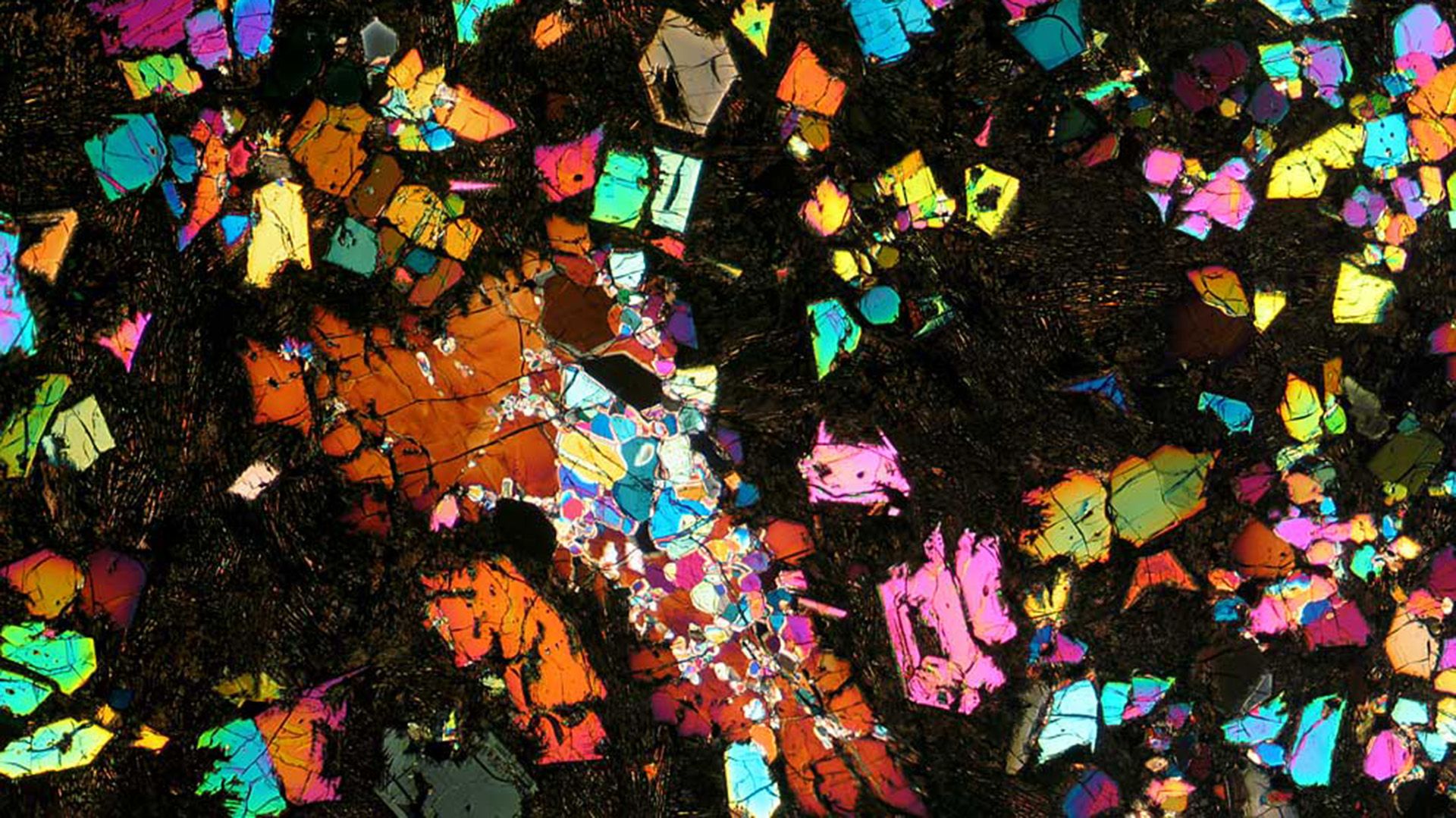
Sun quiz: How well do you know our home star?

Share. Facebook Twitter LinkedIn Telegram WhatsApp Email

Keep Reading

AI could consume up 3% of world’s electricity the UN warns

AI could consume up 3% of world’s electricity the UN warns

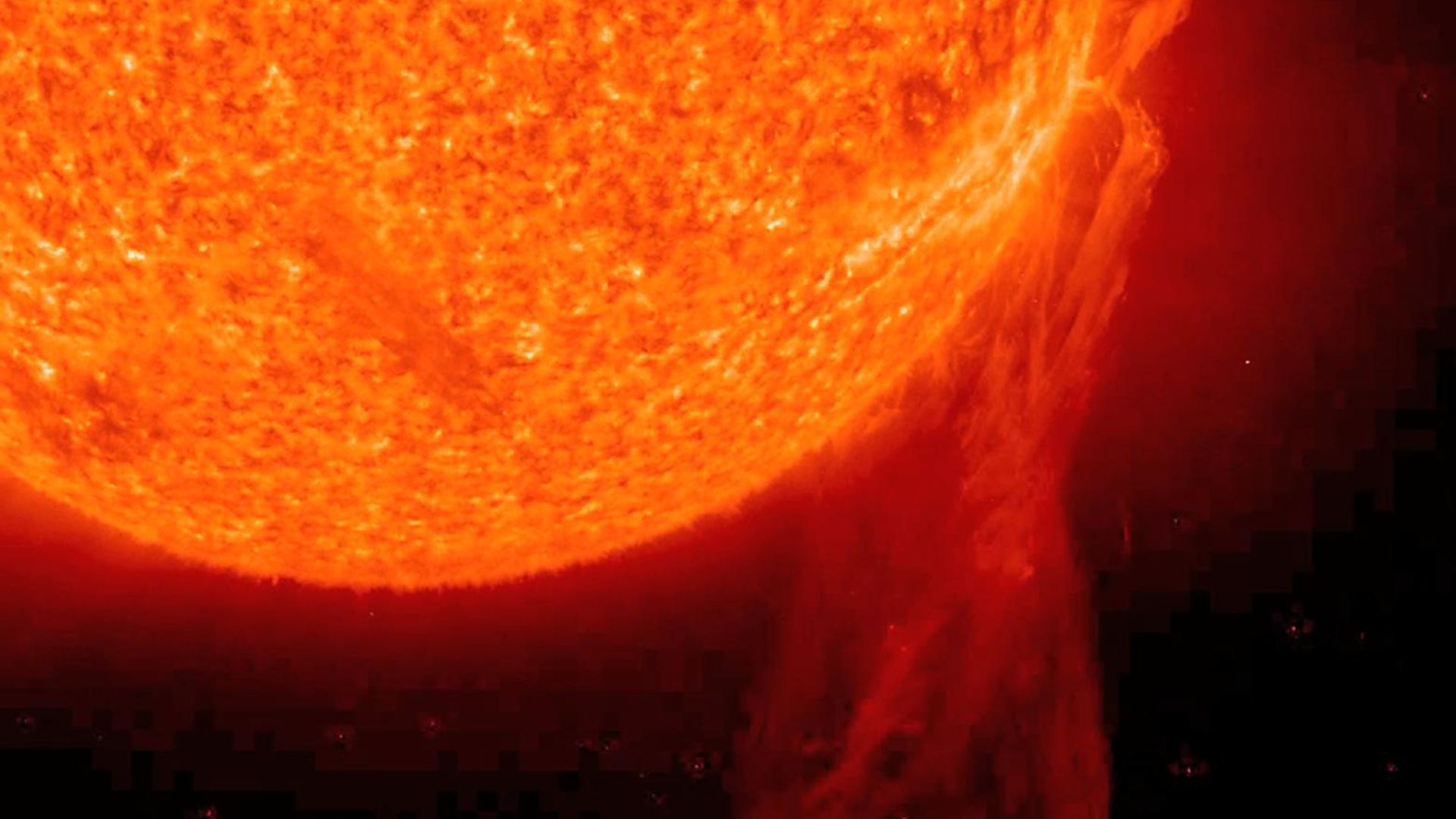
‘Crystals’ of space-time could be the origins of certain rare black holes, theoretical study hints

‘Crystals’ of space-time could be the origins of certain rare black holes, theoretical study hints

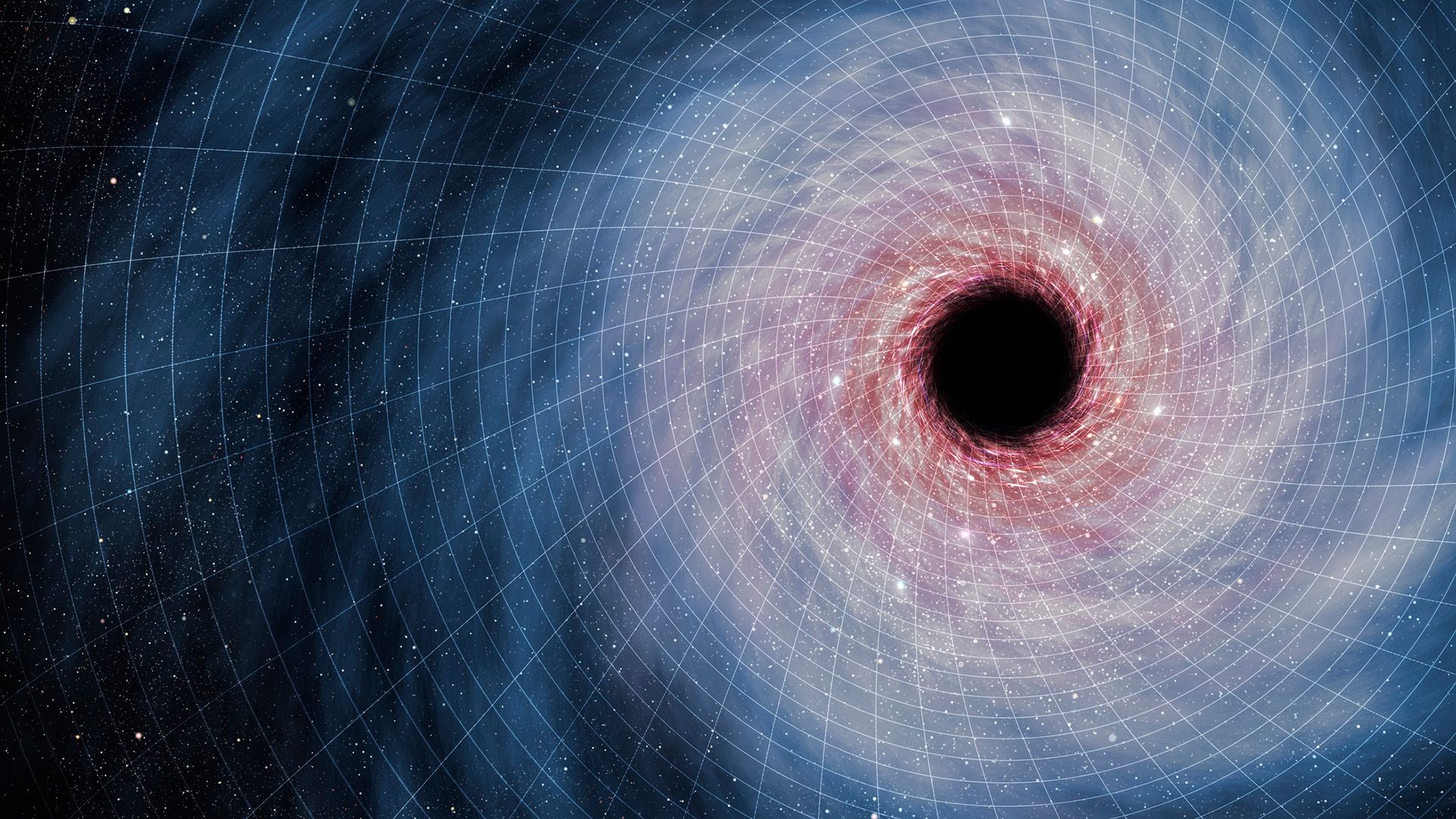
Kaleidoscopic meteorite could be a piece of a ‘lost world’ from the early solar system — Space photo of the week

Kaleidoscopic meteorite could be a piece of a ‘lost world’ from the early solar system — Space photo of the week

What’s the deepest cave in the world?

What’s the deepest cave in the world?

Stupid hot: Heat waves cause cognitive changes in animals, making them more aggressive and unable to complete basic tasks

Stupid hot: Heat waves cause cognitive changes in animals, making them more aggressive and unable to complete basic tasks

Tump administration to remove 900 deep sea monitoring instruments that would have studied the collapsing Atlantic current

Tump administration to remove 900 deep sea monitoring instruments that would have studied the collapsing Atlantic current

Science news this week: Ötzi the Iceman used to make sourdough, Italian teenagers discover Roman villa under school, Google plans to release 64 million mosquitos, and RIP to NASA’s Maven probe

Science news this week: Ötzi the Iceman used to make sourdough, Italian teenagers discover Roman villa under school, Google plans to release 64 million mosquitos, and RIP to NASA’s Maven probe

Why can’t we figure out how strong gravity is?

Why can’t we figure out how strong gravity is?

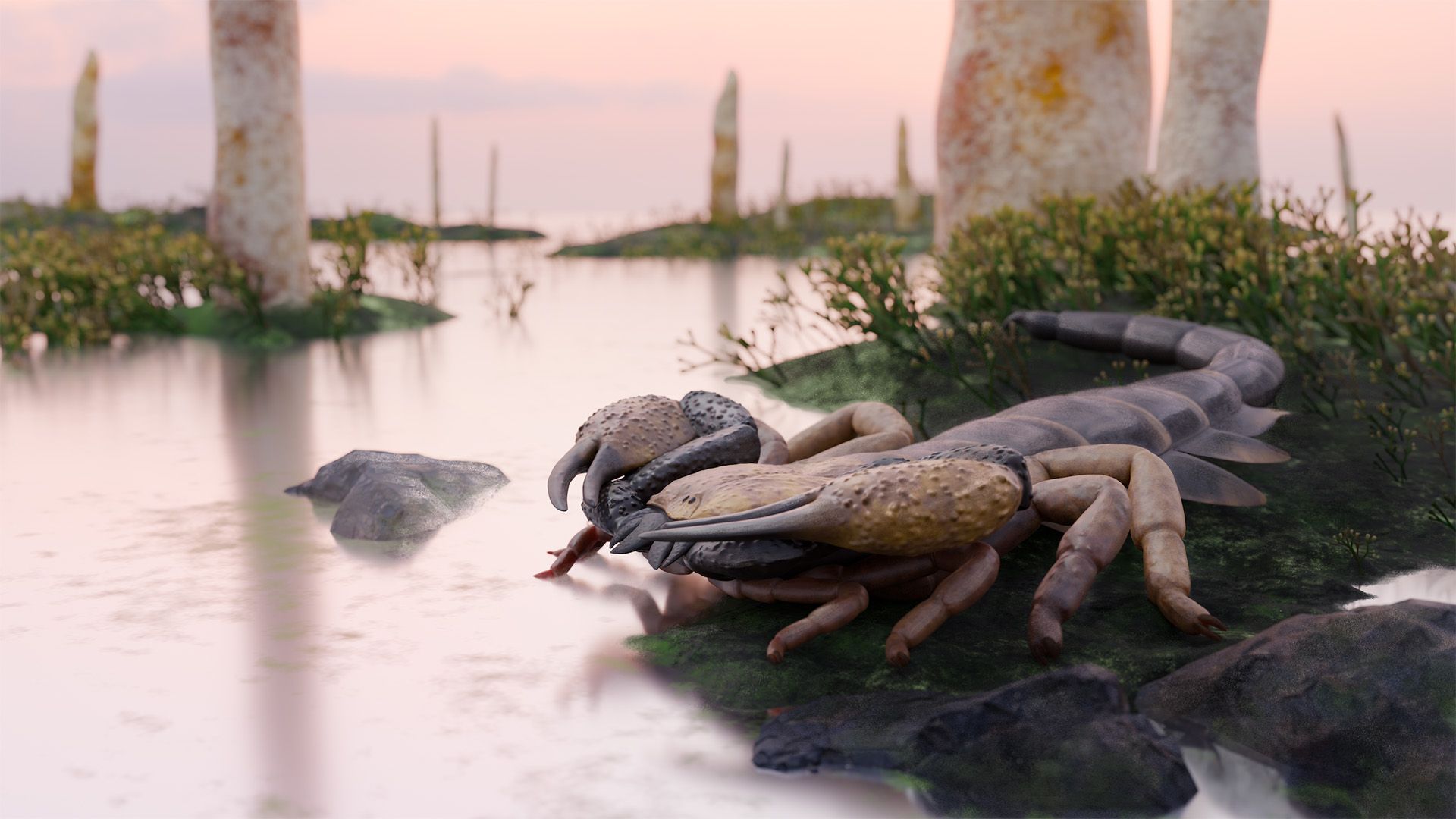
World’s largest scorpion had 6-inch pincers, and prowled UK land and waters 415 million years ago

World’s largest scorpion had 6-inch pincers, and prowled UK land and waters 415 million years ago

Add A Comment
Leave A Reply Cancel Reply

Editors Picks

Jacob Misiorowski’s 98 mph pitch hits Rockies’ Tyler Freeman in head in scary scene

Jacob Misiorowski’s 98 mph pitch hits Rockies’ Tyler Freeman in head in scary scene

June 7, 2026
Soloviev Group refinances West 57th Street tower

Soloviev Group refinances West 57th Street tower

June 7, 2026
Trump storms off ‘Meet The Press’ interview after fiery exchange with NBC’s Kristen Welker over 2020 election

Trump storms off ‘Meet The Press’ interview after fiery exchange with NBC’s Kristen Welker over 2020 election

June 7, 2026
Jennifer Lopez, Emily Blunt lead best celebrity red carpet looks this week

Jennifer Lopez, Emily Blunt lead best celebrity red carpet looks this week

June 7, 2026

Subscribe to News

Get the latest USA news and updates directly to your inbox.

Latest News
17 Loose Zara-Style Dresses for Women Over 40 — All Under  on Amazon

17 Loose Zara-Style Dresses for Women Over 40 — All Under $30 on Amazon

June 7, 2026
Exclusive | Tony Vitello’s Wrigley Field roots go back generations: ‘I’ve sat about everywhere’

Exclusive | Tony Vitello’s Wrigley Field roots go back generations: ‘I’ve sat about everywhere’

June 7, 2026
Your earlobes may hold a sneaky clue about future heart disease

Your earlobes may hold a sneaky clue about future heart disease

June 7, 2026
Facebook X (Twitter) Pinterest WhatsApp TikTok Instagram
© 2026 USA Times. All Rights Reserved.
  • Privacy Policy
  • Terms
  • Advertise
  • Contact

Type above and press Enter to search. Press Esc to cancel.