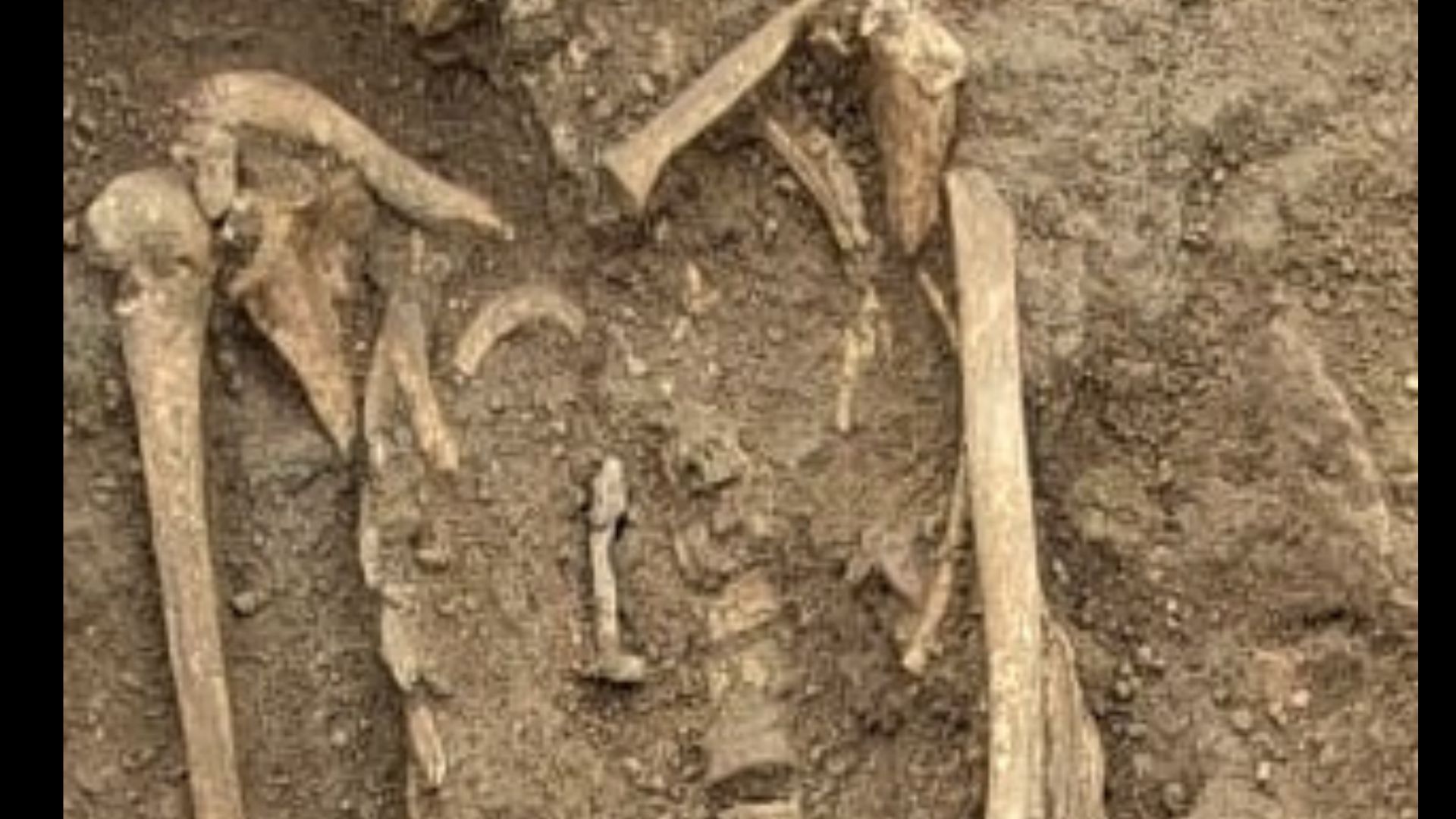

Small iron nails laid across three skeletons’ chests preserve an unusual detail about ancient Roman burial practices: 1,800 years ago, someone tried to protect the living from the dead.
Menghinello and colleagues were working in the vast Ostiense necropolis in the heart of Rome when they discovered three burials with nails that had been placed deliberately over the chest, according to a March 4 translated statement from the Special Superintendency of Rome.
Article continues below
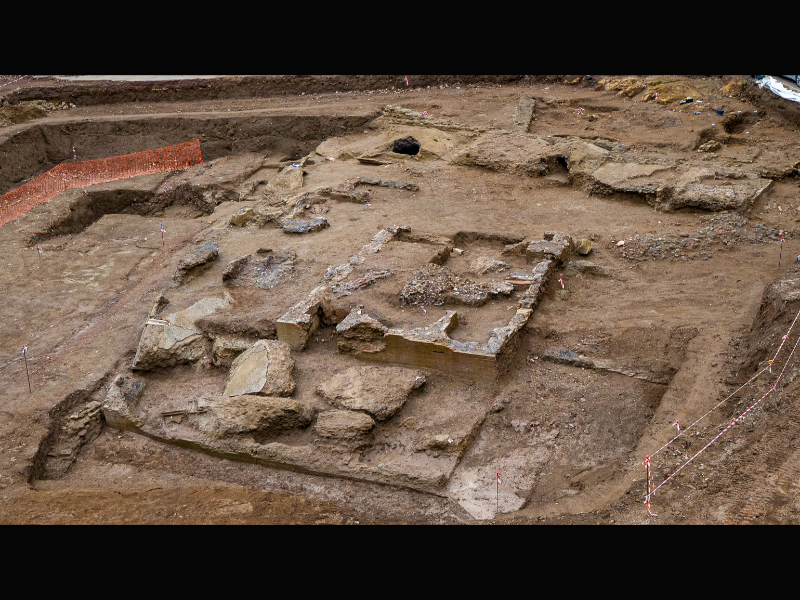
The Ostiense necropolis was initially excavated in 1919, but new archaeological work ahead of housing construction exposed another part of the cemetery on Via Ostiense, near the Basilica of Saint Paul Outside the Walls. The newly uncovered site is helping clarify how burial customs changed across centuries as the Ostiense necropolis expanded, Menghinello said.
“In antiquity, the sides of the road were occupied by a vast Roman necropolis” with several different tomb types, Menghinello said, dating to between the second century B.C. and the fourth century A.D. But the precise boundary of the necropolis is still not fully known, she said. The skeletons buried with nails were found in simple graves, likely dating to the third and fourth century A.D.
But the purpose of the nail is something of a mystery.
Image 1 of 3
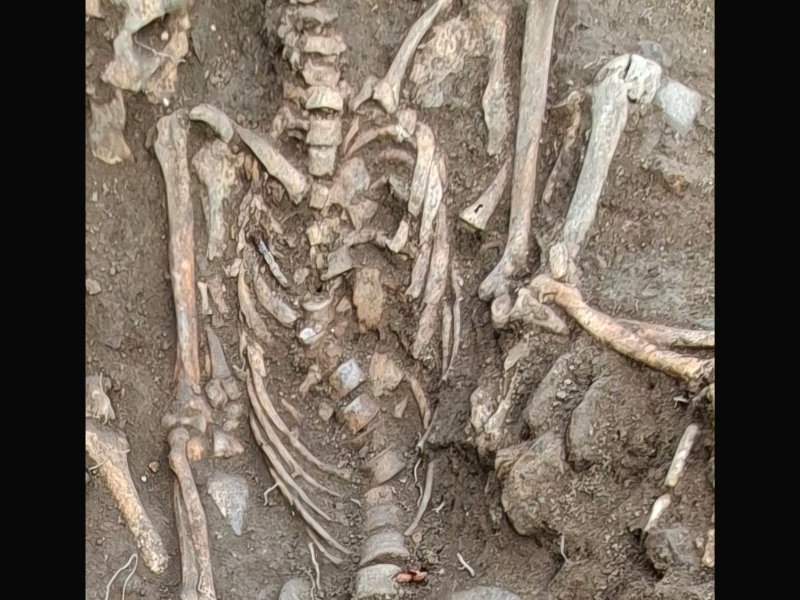
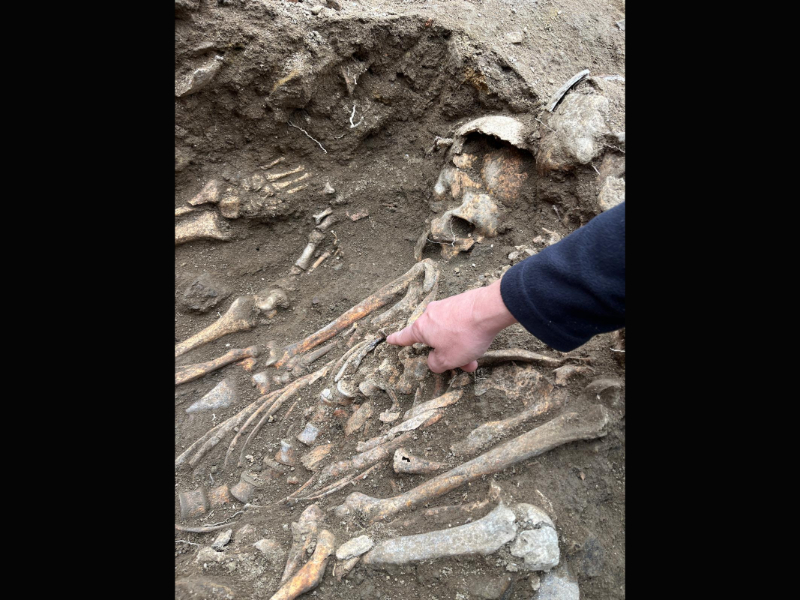
“Its function has been interpreted in different ways,” Menghinello said, noting that the nail may have been used for symbolically “fixing” the dead from returning to haunt the living. If the body wasn’t fixed, it was thought that the dead could become a “revenant,” or a revived corpse common in folklore.
But the practice may have been meant to protect the deceased person as well. When used in an apotropaic practice — one meant to ward off harm — the nail became a type of talisman to protect the dead individual from the perils of the afterlife or to protect the tomb from being disturbed, Menghinello said.
The nail ritual “would therefore have served to preserve the body from potential violators of its final resting place, protect the deceased from malevolent forces and, at the same time, safeguard the surviving relatives from the possible return of the dead among the living,” Menghinello said.