




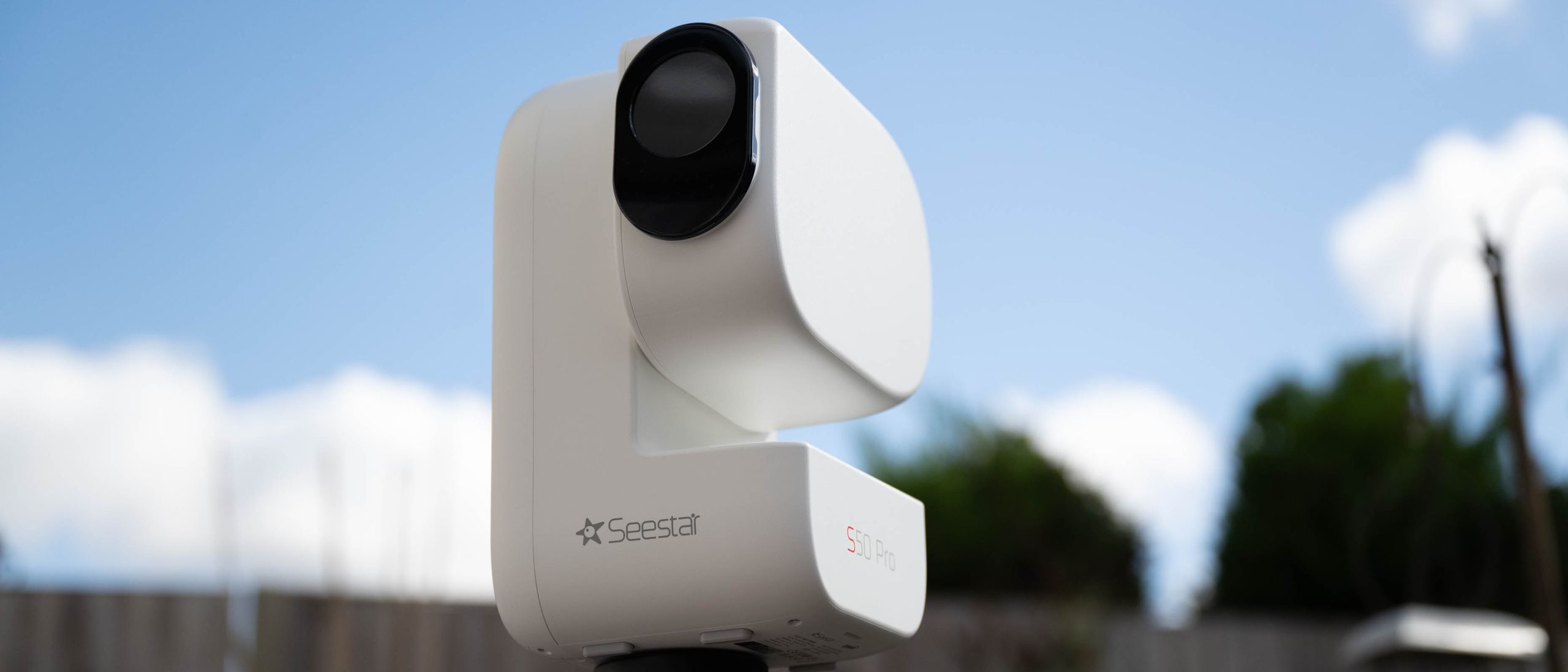


The ZWO Seestar S50 Pro was released on Aug. 25, 2026. It’s a smart telescope that ships with everything you need to get started with astronomy and solar observations, eliminating the need to buy any other accessories.
It is controlled through the Seestar app on a smartphone and offers automatic slewing and autofocused views of galaxies, nebulas, star clusters and more. That said, in our experience, it sometimes needs manual adjustment with the on-screen joystick to perfect centering.
This being the Pro version of the original S50, which released three years prior, it’s more expensive; you’ll be paying $450 more than the original S50, with the S50 Pro coming in at $999. For that you get double the storage capacity (128 GB instead of 64 GB) and a higher resolution (4K not Full HD). ZWO claims the Pro has an extended battery life of nine hours, though we can’t test this yet because the app version responsible for this uplift from the originally stated seven hours (version 3.3.1) wasn’t released during testing.
So are these upgrades enough to warrant the extra spend?
ZWO Seestar S50 Pro review
ZWO Seestar S50 Pro: Design
Image 1 of 3
(Image credit: Jase Parnell-Brookes)

(Image credit: Jase Parnell-Brookes)
(Image credit: Jase Parnell-Brookes)
- Lightweight and easy to carry in the case provided
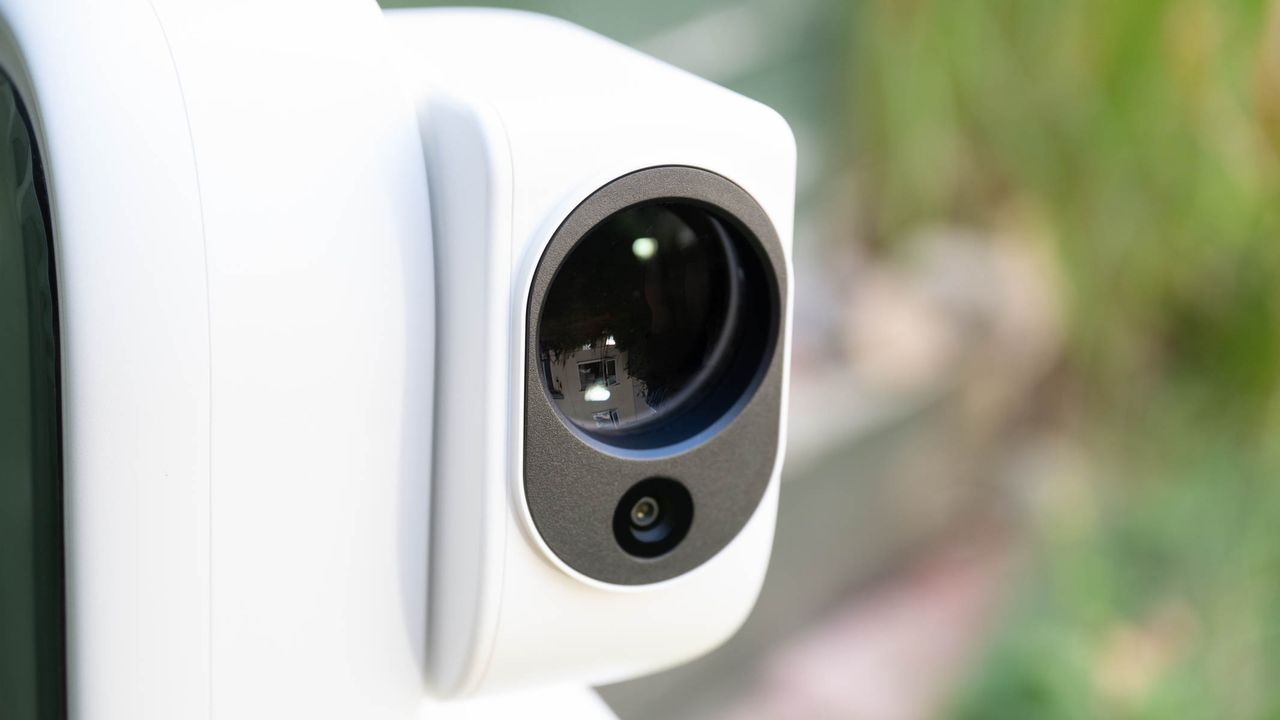
- Dual-lens system mirrors the S30 Pro
- Simple, two-button design and an easy push-on solar filter
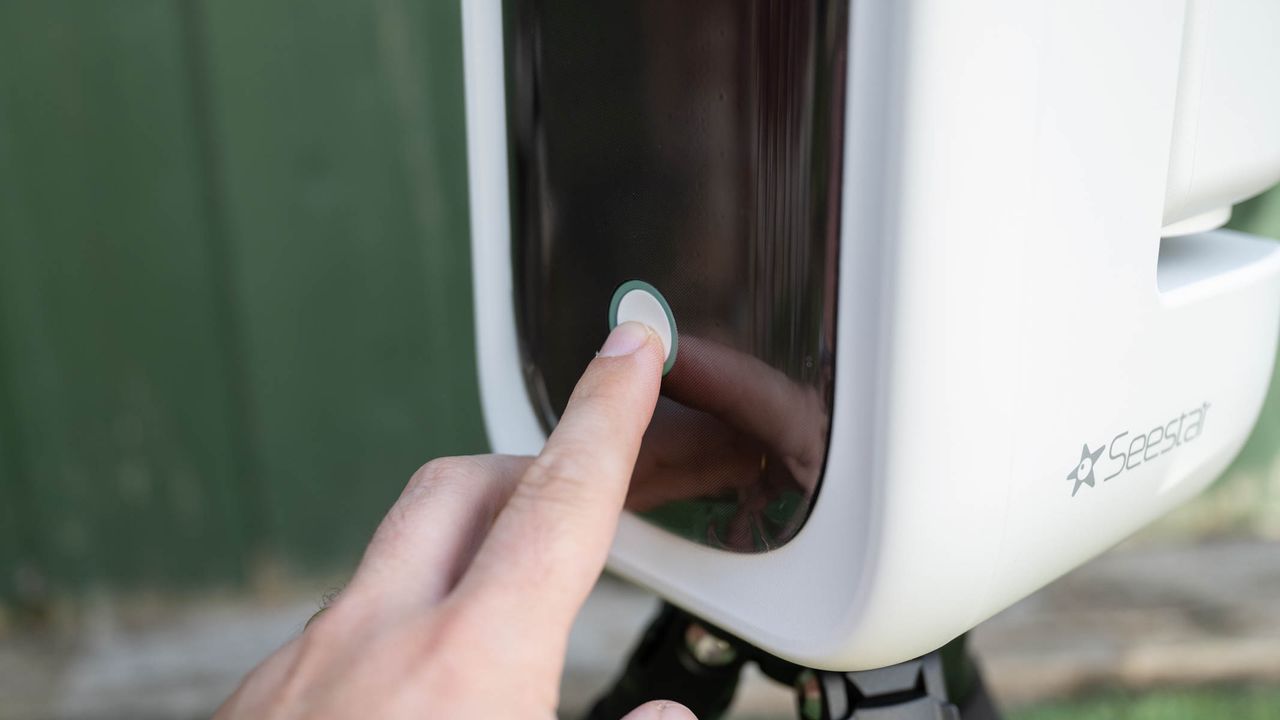
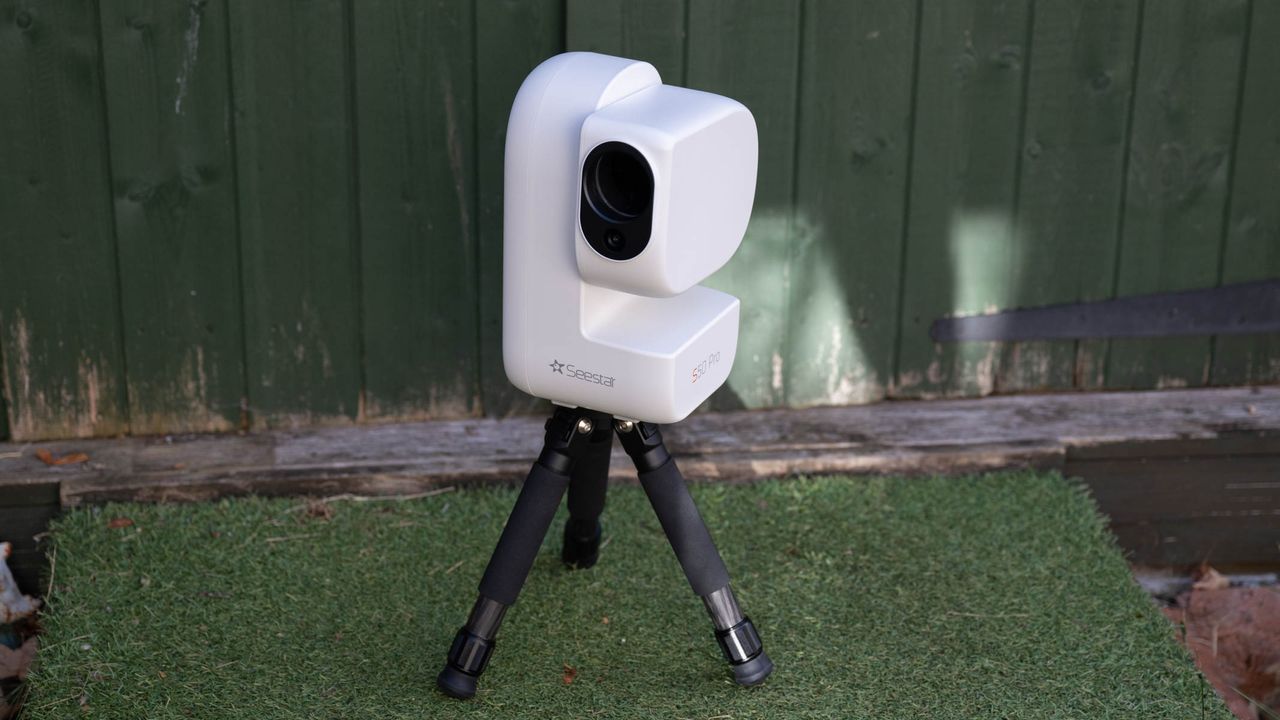
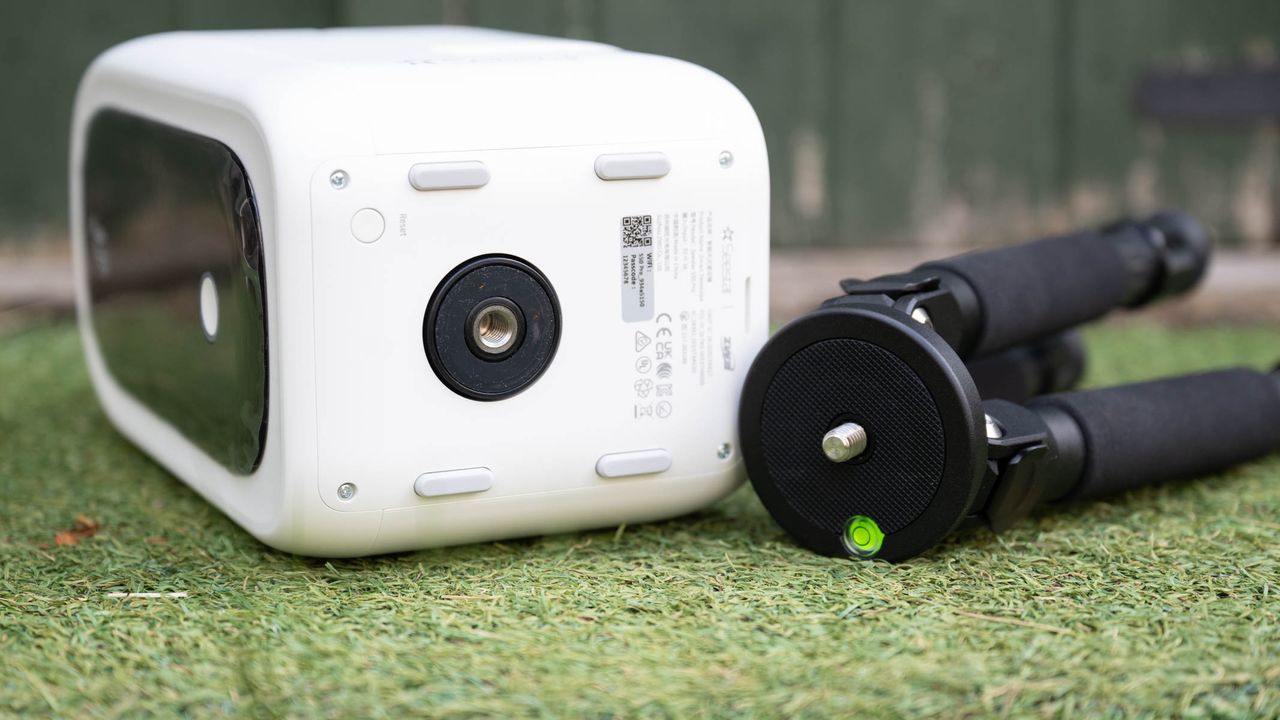
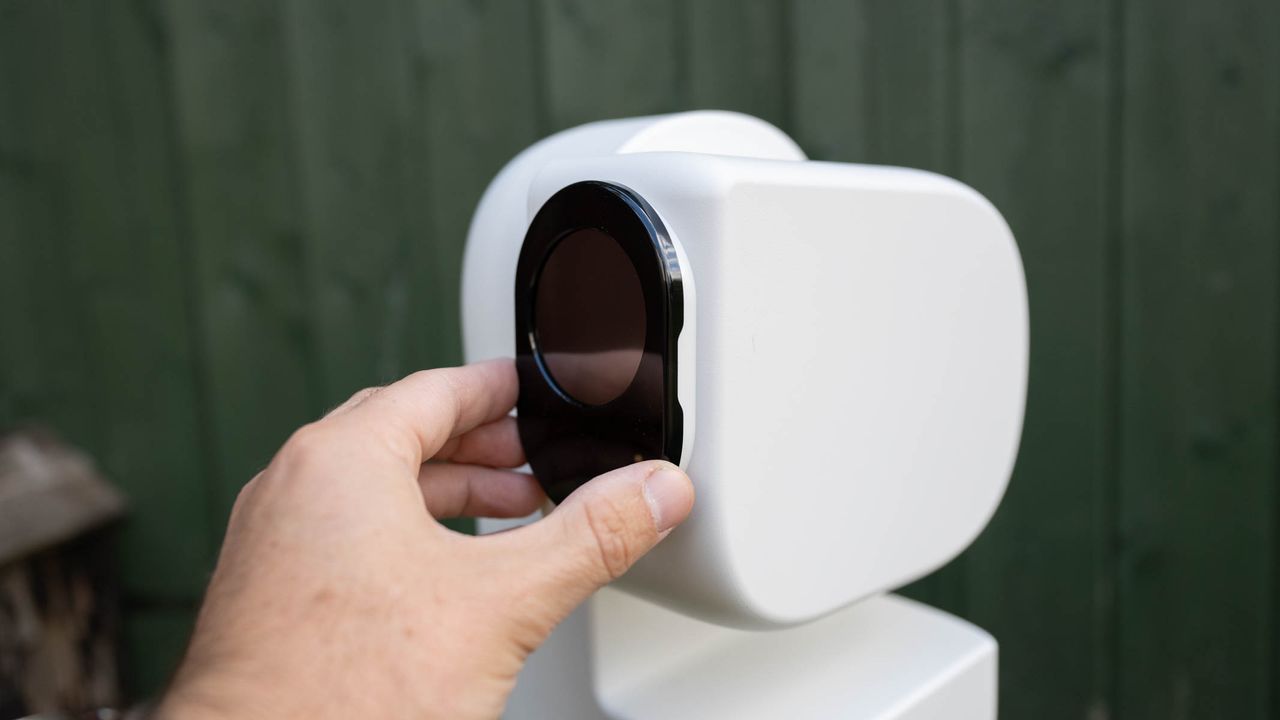
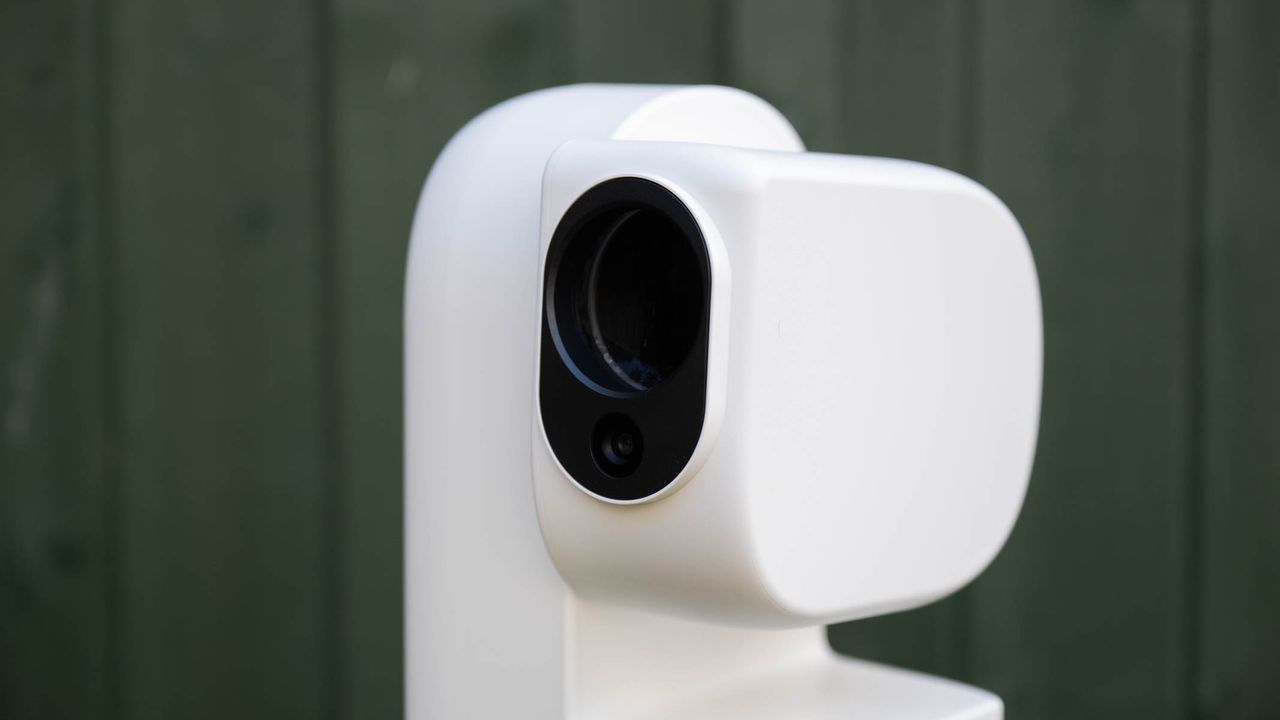
The Seestar S50 Pro is instantly recognizable as a smart telescope. A neat, rounded and glossy plastic casing protects the fragile but automatic optical and electrical insides that power this pocket rocket. Only two buttons are found on the entire device: a large power button on the side enveloped by a ring of light that glows when powered on, and a small reset button on the bottom of the telescope.
Specifications
Image resolution: 8.3 MP (3840 x 2160)
Aperture: 50mm (1.96 inches)
Focal length: 260 mm
Storage: 128 GB internal
Field of view: 2.8 degrees (tele) / 63 degrees (wide)
Mount: Motorized alt-azimuth (EQ mode supported)
Battery: 9 hours (currently untested)
Weight: 6 pounds (2.72 kg)
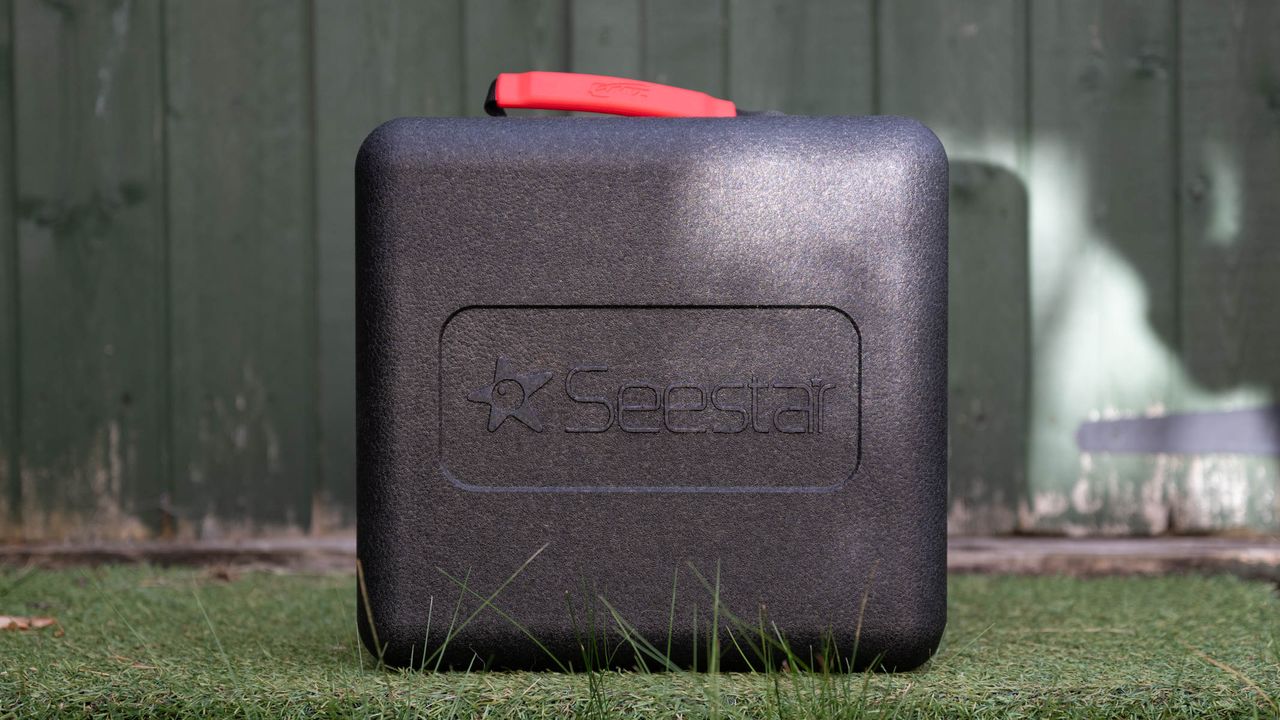
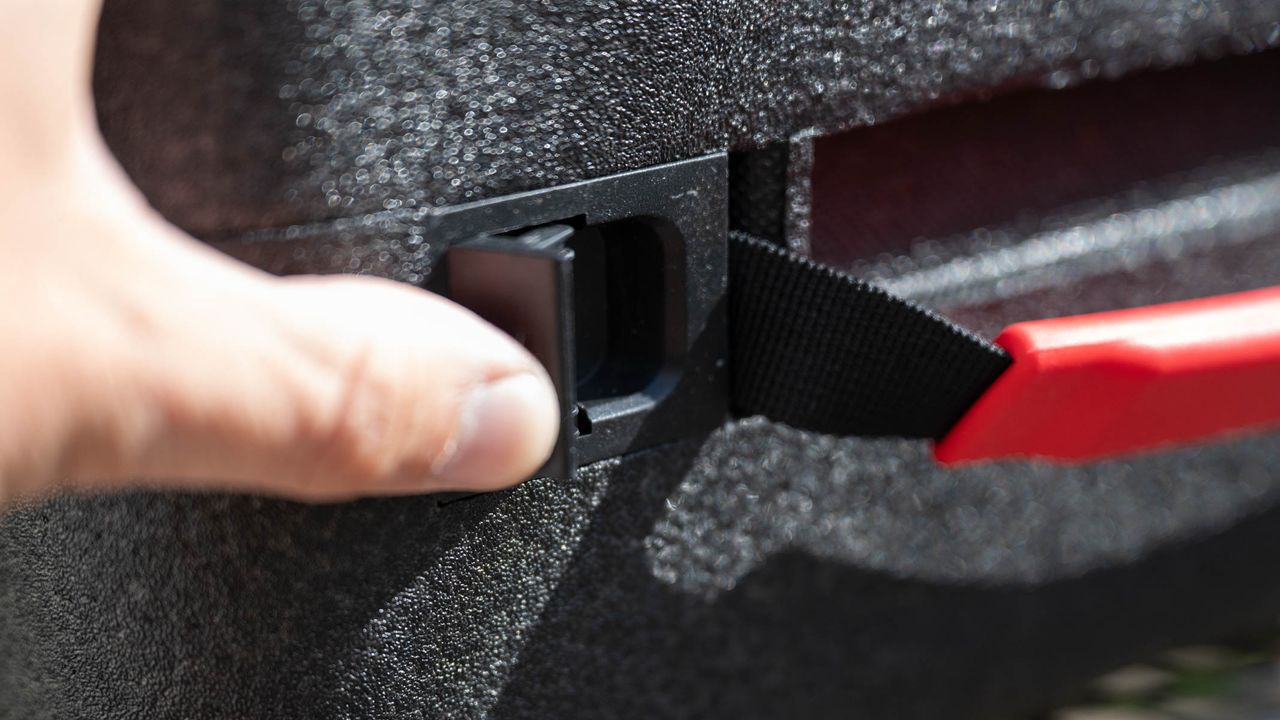
The carry case that the S50 Pro ships in looks like black compressed polystyrene but has neat latches and a red handle that tucks away in a slot at the top, making it easy to pack — similar to a drone case. This is much better than some of the bags you can buy for smart telescopes as it feels more rigid and secure. The S50 Pro and its tripod and solar filter all ship together and are snugly held inside.
Image 1 of 3
(Image credit: Jase Parnell-Brookes)
(Image credit: Jase Parnell-Brookes)
(Image credit: Jase Parnell-Brookes)
It’s light, too. We weighed it all, and the whole setup weighs 8.6 pounds (3.9 kilograms) fully packed, 6 pounds (2.7 kg) of that being the S50 Pro itself. It’s also small; we measured it at 5.7 x 10.6 x 5.4 inches (146 x 270 x 138 mm), including the rubber feet on the bottom. Incidentally, we like that because it means you don’t have to use the tripod if you don’t want to.
Get the world’s most fascinating discoveries delivered straight to your inbox.
We even received a bunch of ZWO-branded stickers that, if we were so inclined, we could pop on the telescope. But we’re probably going to give them to the nephews.
Image 1 of 3
(Image credit: Jase Parnell-Brookes)
(Image credit: Jase Parnell-Brookes)
(Image credit: Jase Parnell-Brookes)
Everything is controlled via the Seestar app, the same as all the other ZWO Seestar telescopes. This is typical for smart telescopes, which are almost always operated via an app.
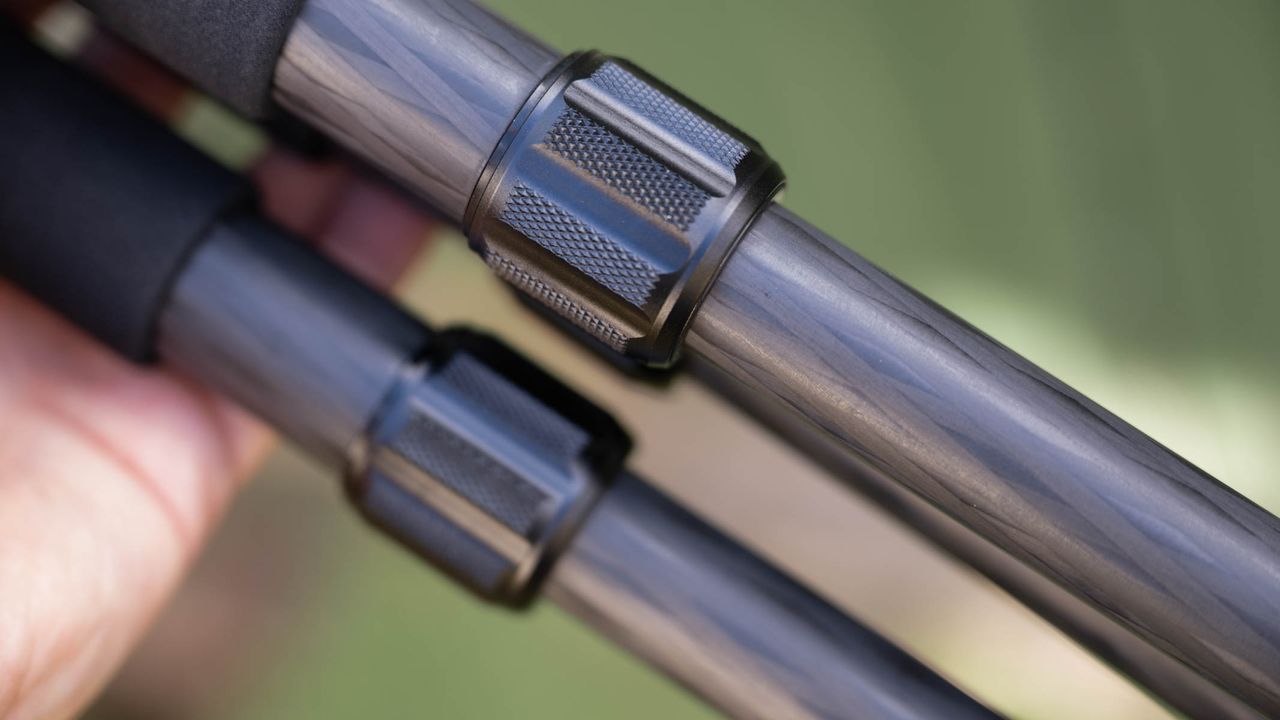
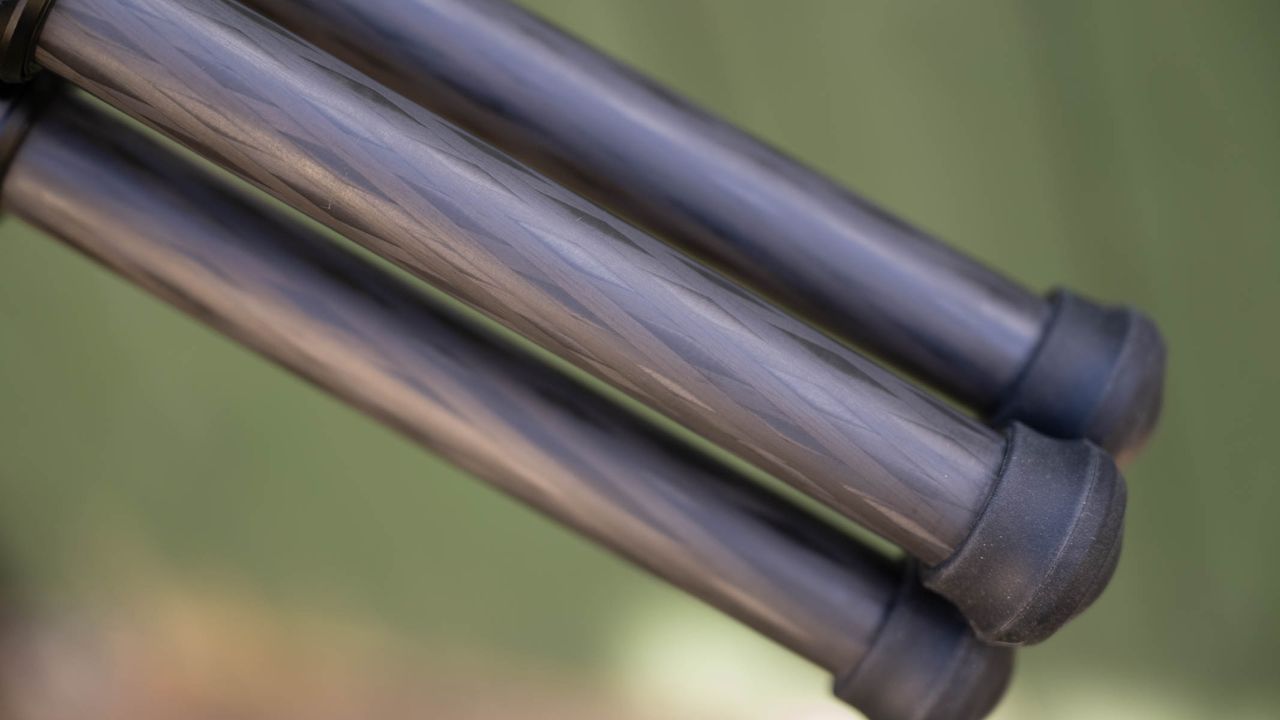
As usual, and as we said in our S30 Pro review, it has a 3/8-inch tripod thread underneath, but the tripod itself is very small. We ended up using a larger photographic Gitzo carbon fiber tripod without the tripod head. But beware — if you’re going to do this, take the tripod head off first. It won’t fit the 1/4-inch thread of your standard mirrorless camera, which is likely what your tripod footplate will be.
ZWO Seestar S50 Pro: Performance
- Aligns and tracks automatically
- Live stacking reveals faint objects quickly
- Solar eclipses can be shot as photo or video timelapses

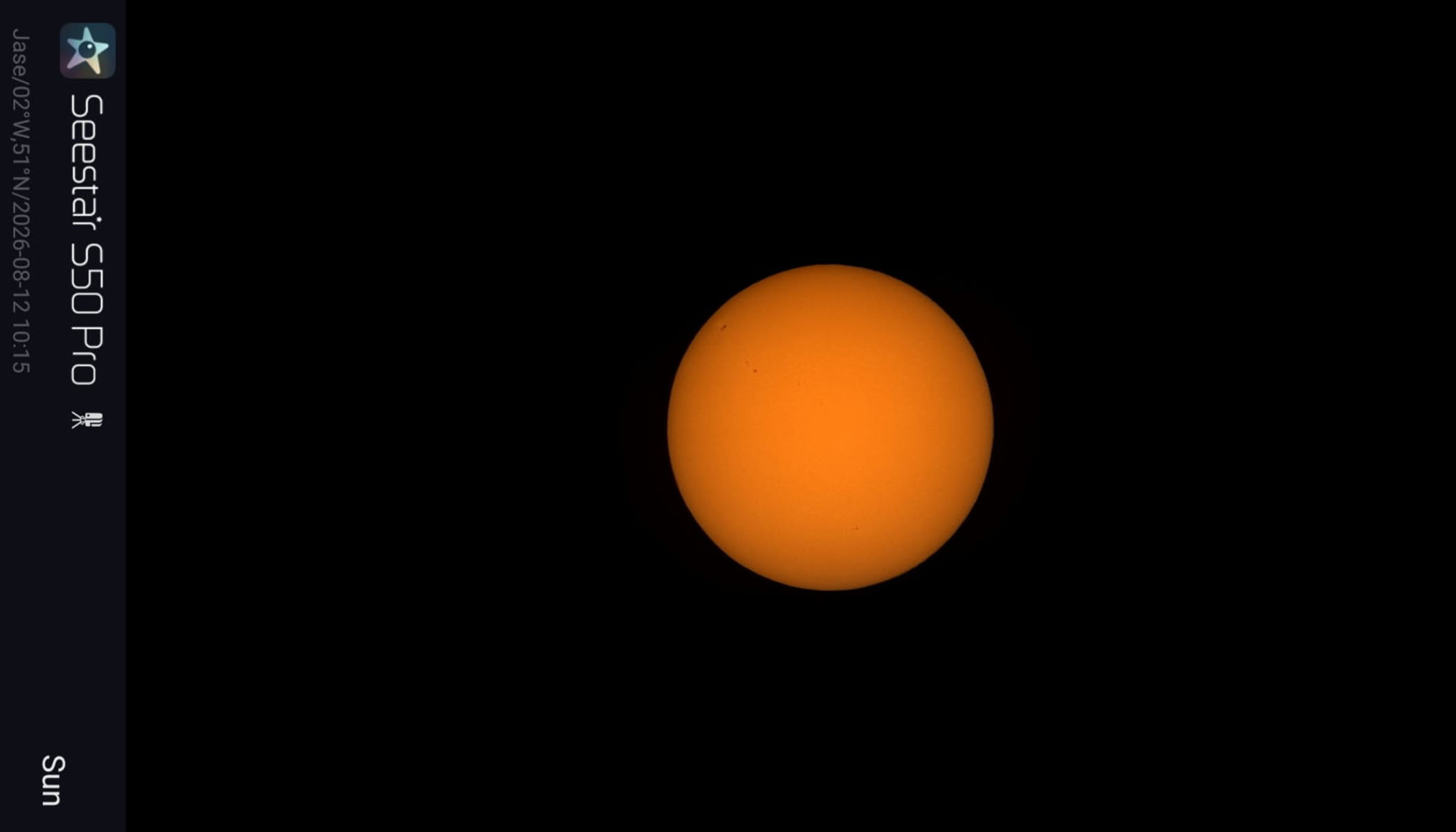
Sunspots can be seen on the photosphere of the sun, and the push-on solar filter that ships with the telescope gives it a warm, orange hue.
(Image credit: Jase Parnell-Brookes)
It took a matter of minutes for the live-stacking feature to give us clear and bright views of any object we slewed to. Live-stacking enables the smart telescope to take image after image to produce more detailed results of dim deep sky objects.
M27, the Dumbbell Nebula, was our standout favorite during testing, which we imaged over 10 minutes and 20 seconds. The final image captured the vibrant greenish blue core shining through, sandwiched by the red and orange glow of the nitrogen, hydrogen-alpha and sulfur.
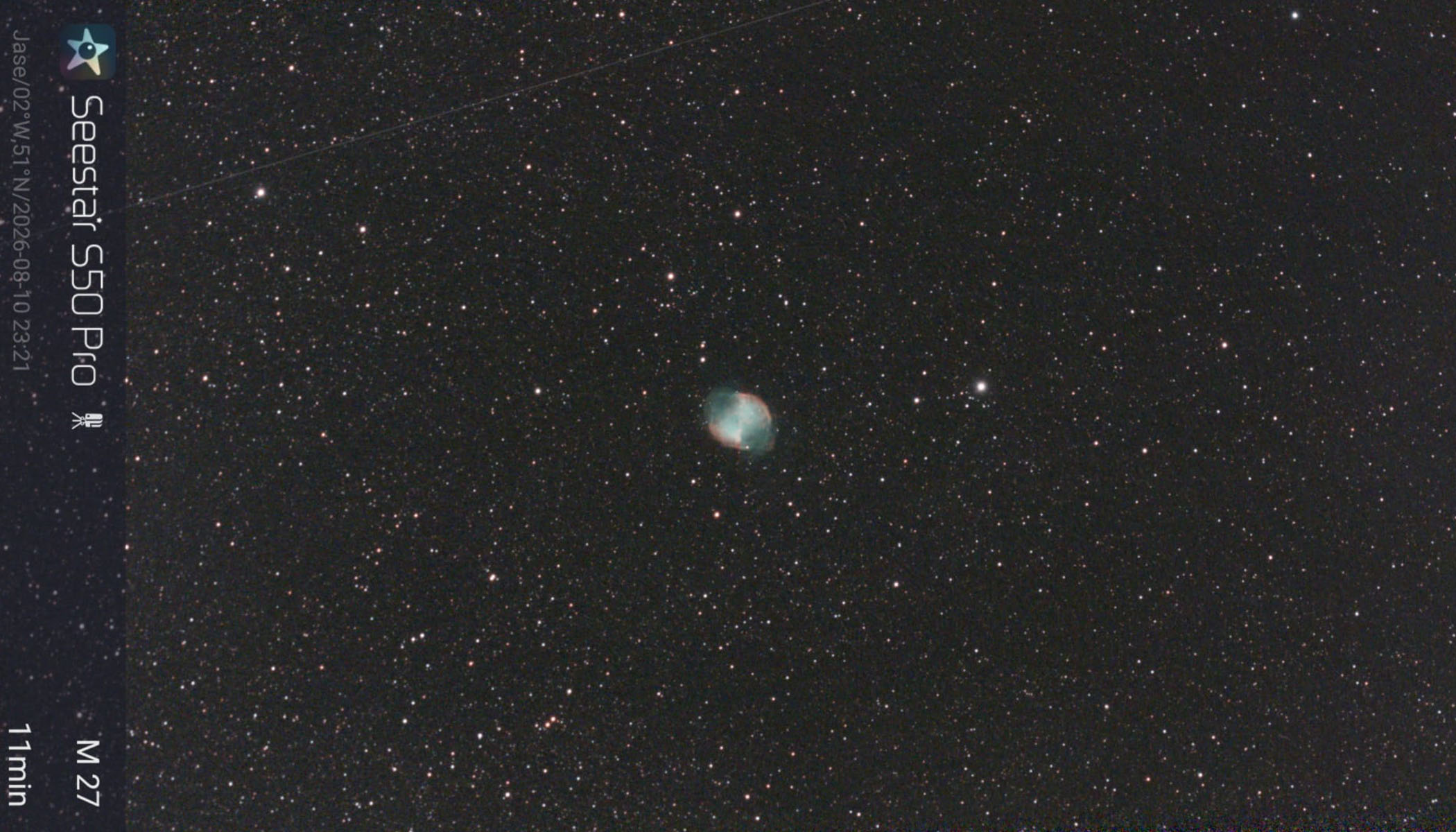
Color and detail are impressive on the Dumbbell Nebula, but we wish it was larger in the frame.
(Image credit: Jase Parnell-Brookes)
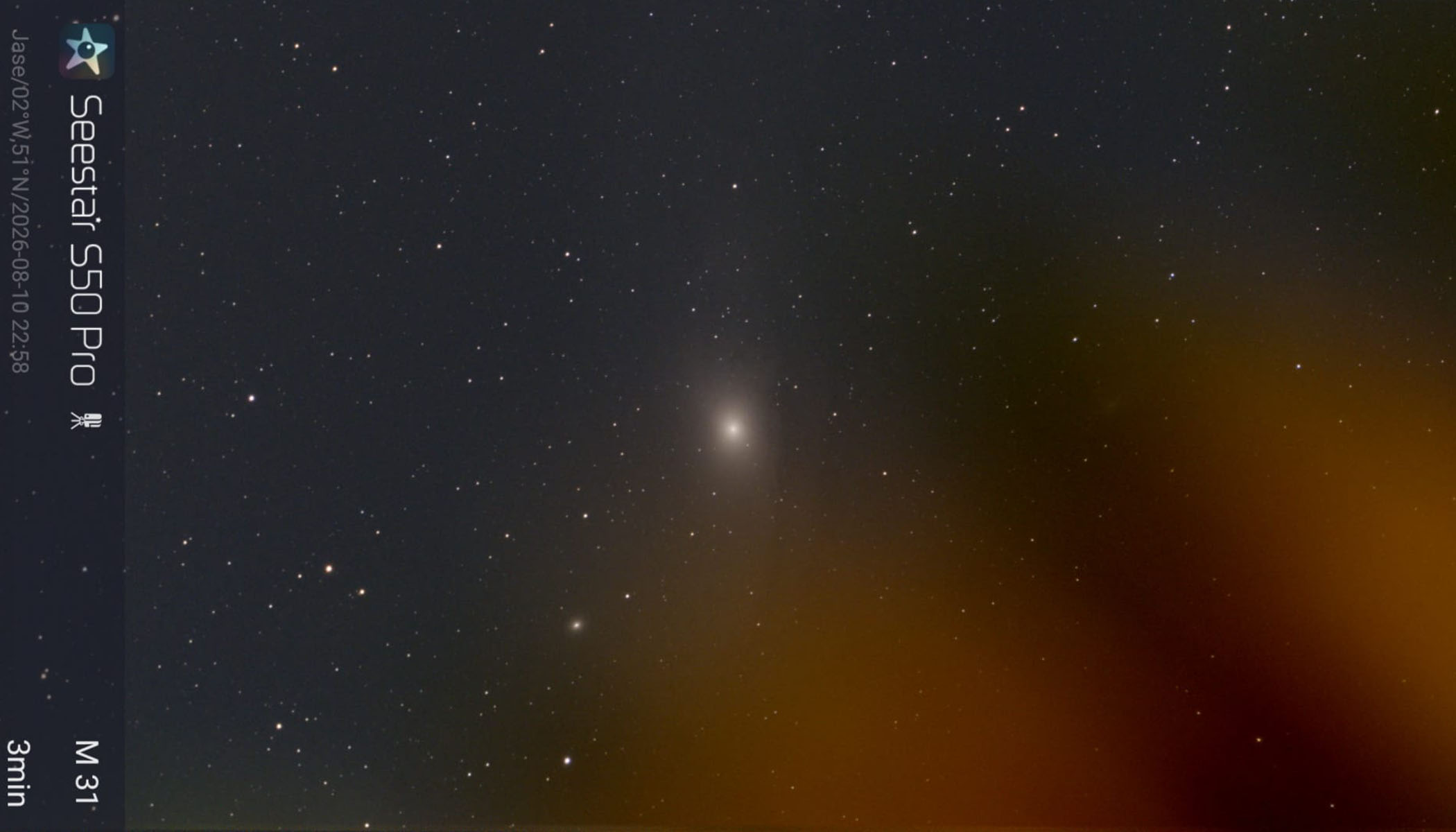
Other notable objects we observed included M31 (the Andromeda Galaxy), which had good shape and reasonable clarity over the nine-minute exposure and filled the frame nicely considering this is an 8.3 MP image. It’s also possible to image M81 (Bode’s Galaxy) and M82 (the Cigar Galaxy) together on the S50 Pro due to the wider field of view, and after only 6 minutes and 30 seconds’ exposure time we saw clear arms on M81 and fragmented detail and deep coloring in M82 which we were pleased with.
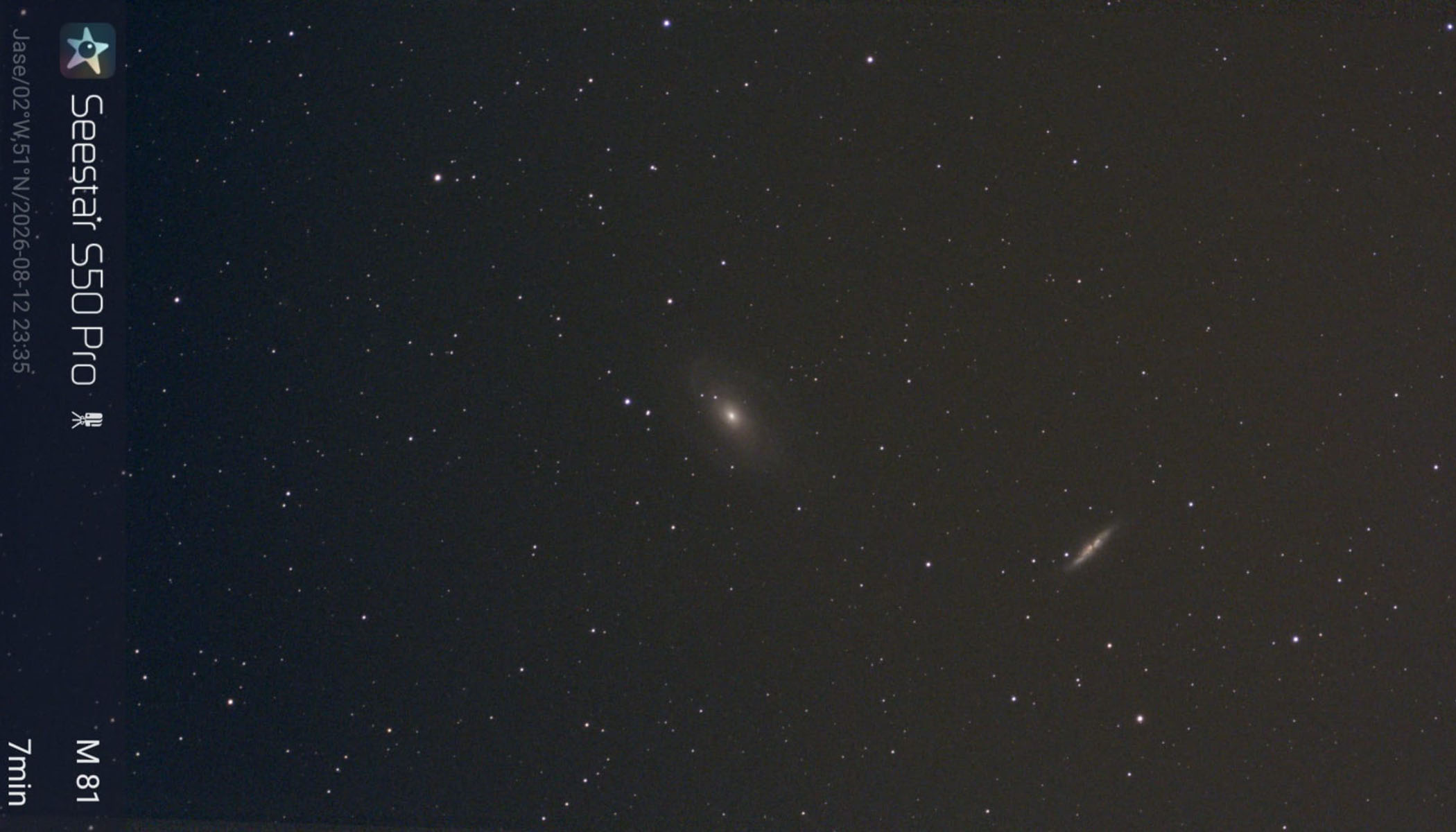
Some spirals seen in M81 and detail seen in M82 in this seven-minute exposure.
(Image credit: Jase Parnell-Brookes)
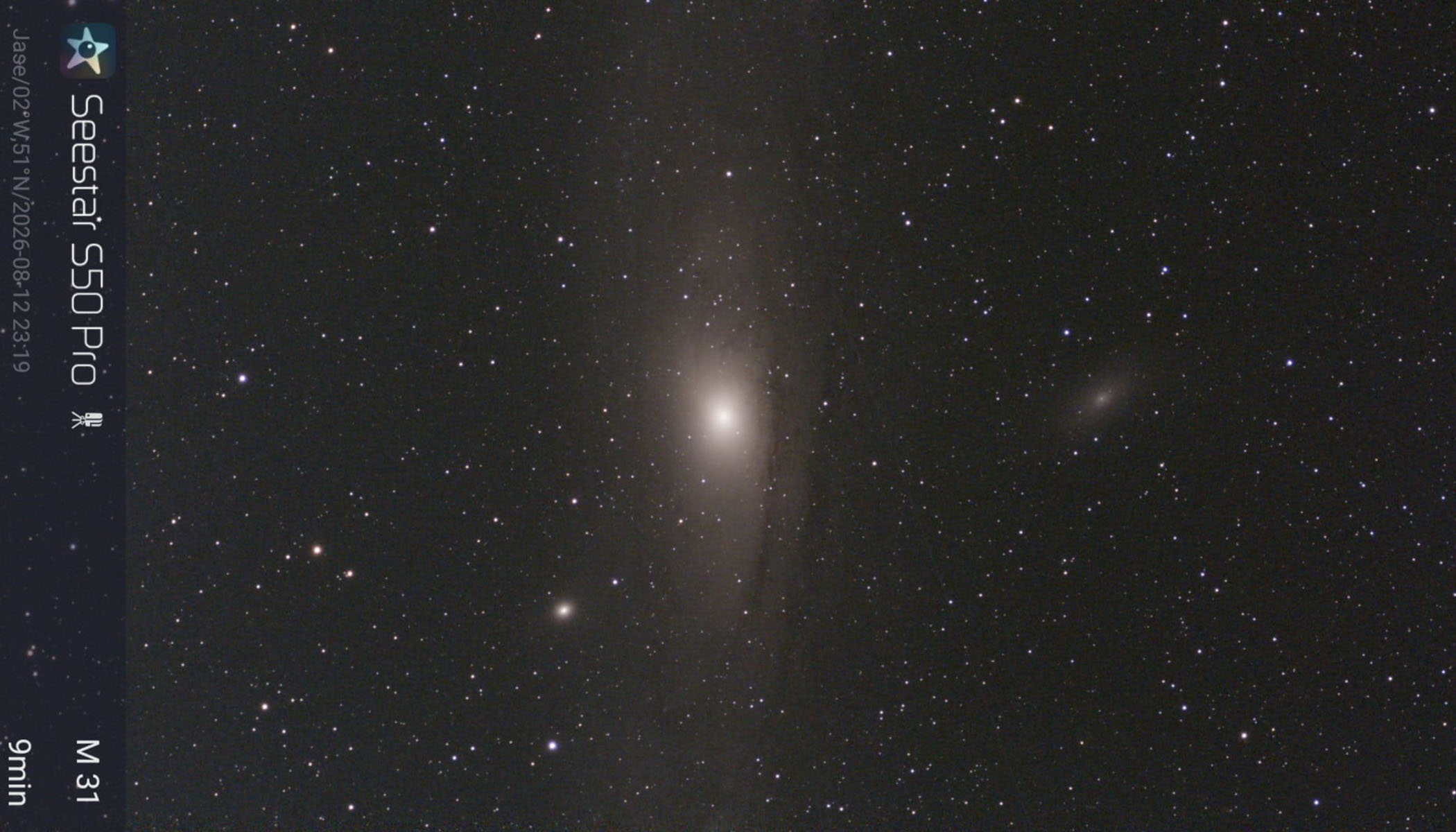
The Andromeda Galaxy really fills the frame when observing with the S50 Pro.
(Image credit: Jase Parnell-Brookes)
We also observed the sun, both before, during and after the Aug. 12, 2026 solar eclipse. Sunspots were clearly visible on the S50 Pro, and the solar filter that ships with the S50 Pro as standard gives it a warm orange tone, which is pleasing, even if we couldn’t see much other detail like granules or faculae. However, we wouldn’t expect that with a smart telescope of this spec at this price point.
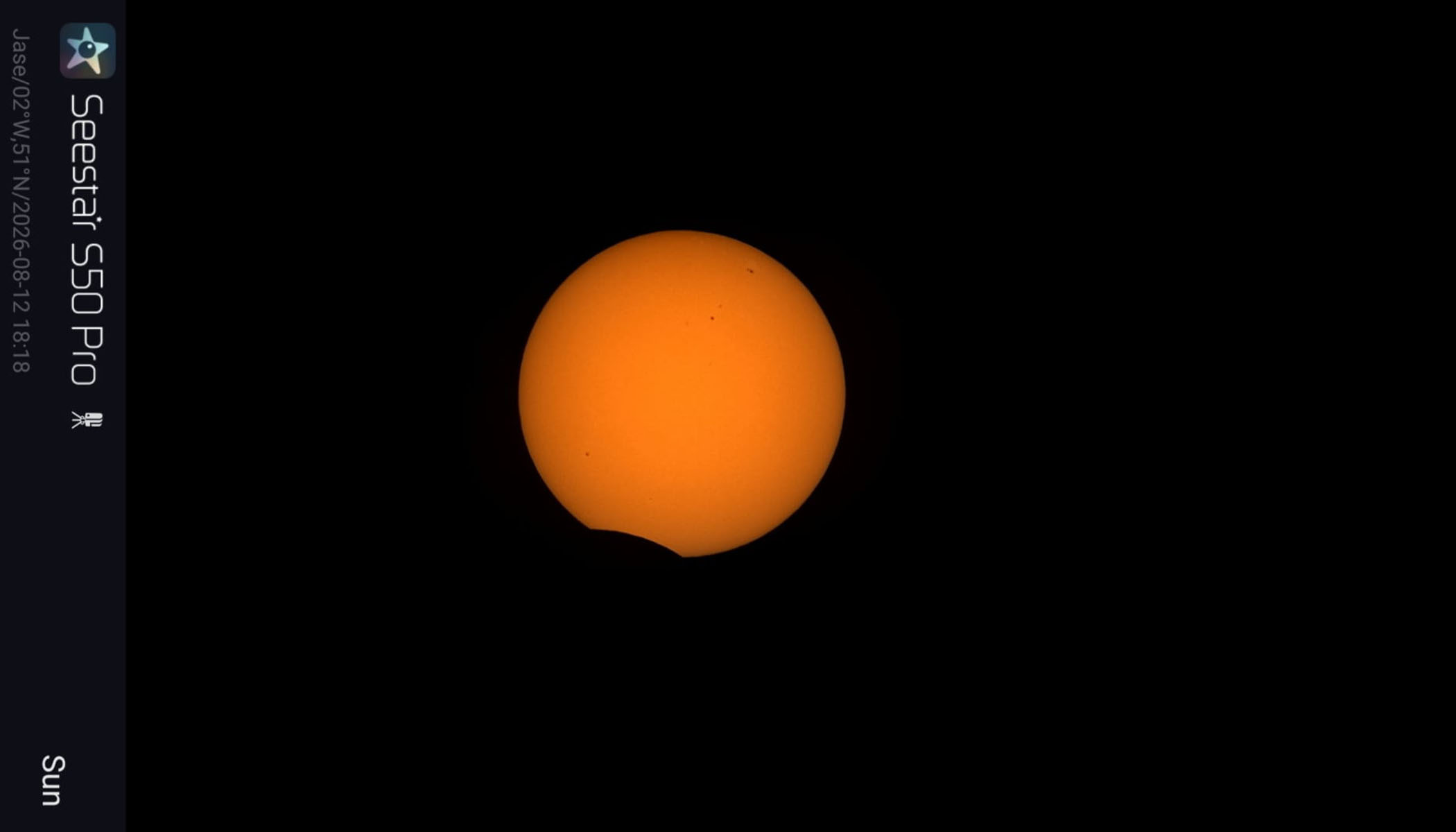
The start of the Aug. 12, 2026 solar eclipse was promising with crisp edges, sunspots and a warm orange tone with well-balanced exposure.
(Image credit: Jase Parnell-Brookes)
Something that did frustrate us, though, was the S50 Pro’s automatic exposure metering. This became most apparent during the Aug. 12, solar eclipse when taking a timelapse video.
The sun was overexposed most of the time, only allowing the darkest of sunspots to appear on the surface, but as the moon moved in front of the sun the exposure kept changing up and down, which it also did when clouds moved in front. The resulting timelapse was fun to share with friends and family over instant messaging but was far from ideal.
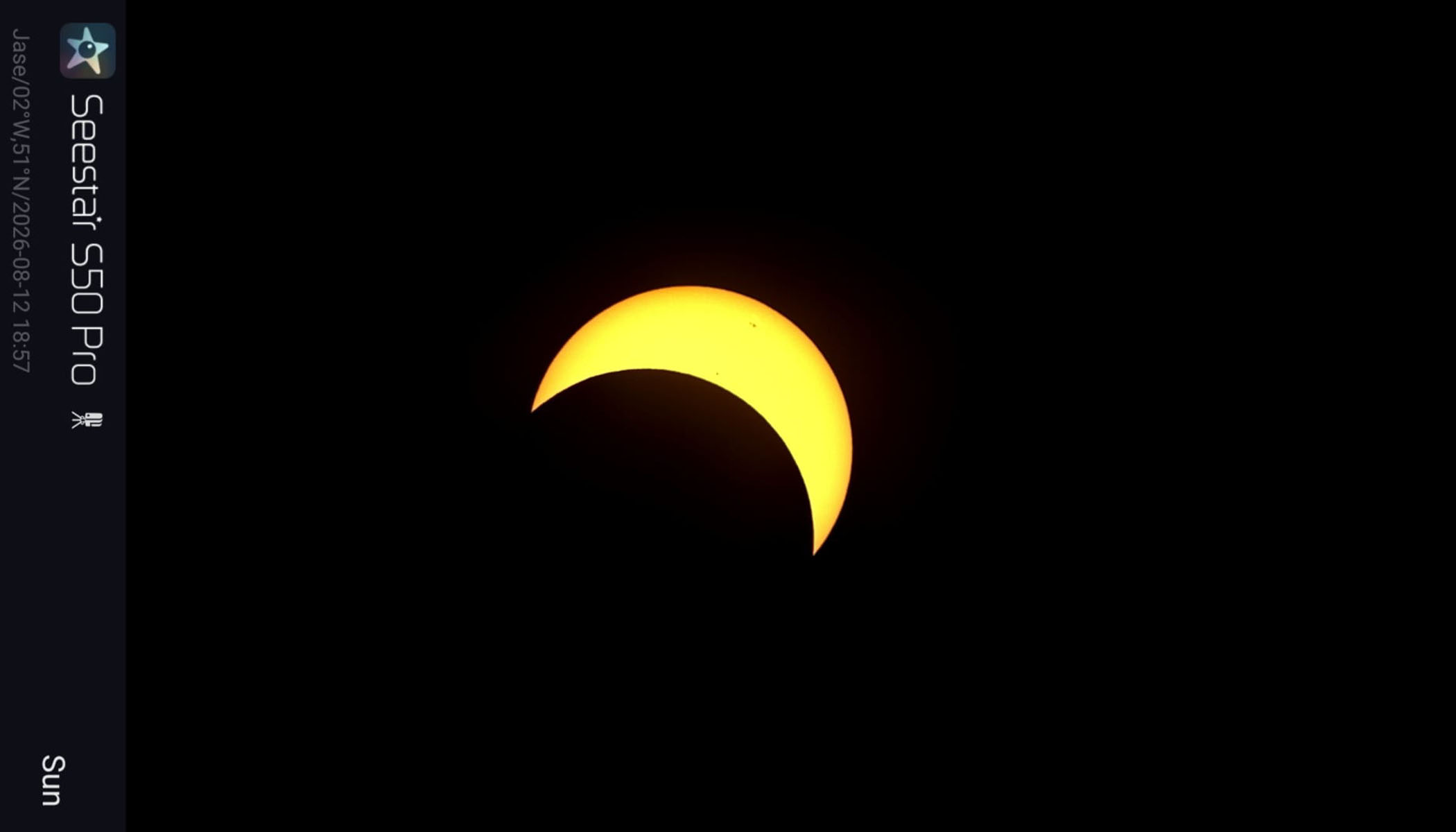
During the solar eclipse on Aug. 12, 2026 the metering of the telescope skewed and we were left with an overexposed sun.
(Image credit: Jase Parnell-Brookes)
We also urge you to use a taller photographic tripod or similar when observing, due to our first session of nighttime imaging being obscured by a nearby tree bending into view during a long exposure, thanks to an occasional gust of wind.
Due to the tripod being so short, sometimes trees bend into view with gusts of wind. Frustrating for long exposures.
(Image credit: Jase Parnell-Brookes)
ZWO Seestar S50 Pro: Functionality
Image 1 of 2
(Image credit: Jase Parnell-Brookes)
(Image credit: Jase Parnell-Brookes)
- Smartphone app is easy to use
- A few niggles irk us, like typos and mislabelling
- Zero-backlash motor purportedly reduces wind interference
Setting up the Seestar S50 Pro is easy, and if we hadn’t run into some synchronization issues with the app, or if we had used the NFC (near-field communication) feature, it could have been up and running in around five minutes.
Things being as they were, though, we had to restart and reinstall the app once or twice, with the telescope not visible to connect with in the app. It took around 30 minutes total, which is no big deal for a first-time setup, but it’s something to consider.
There were a few niggles that struck us as odd, considering ZWO’s outstanding ability to produce high-end astronomy products. Namely, we experienced the Seestar S50 Pro naming the sun as the moon (it was a few hours before the solar eclipse and it’s possible it got visually confused because of the solar filter). There was also a typo when checking if the sun is “in the fram.”
Plus, when observing long exposures, ZWO’s Seestar mascot clung to the side of the screen and couldn’t be removed. These are nothing super major but are all things we would like to see addressed before spending $999.
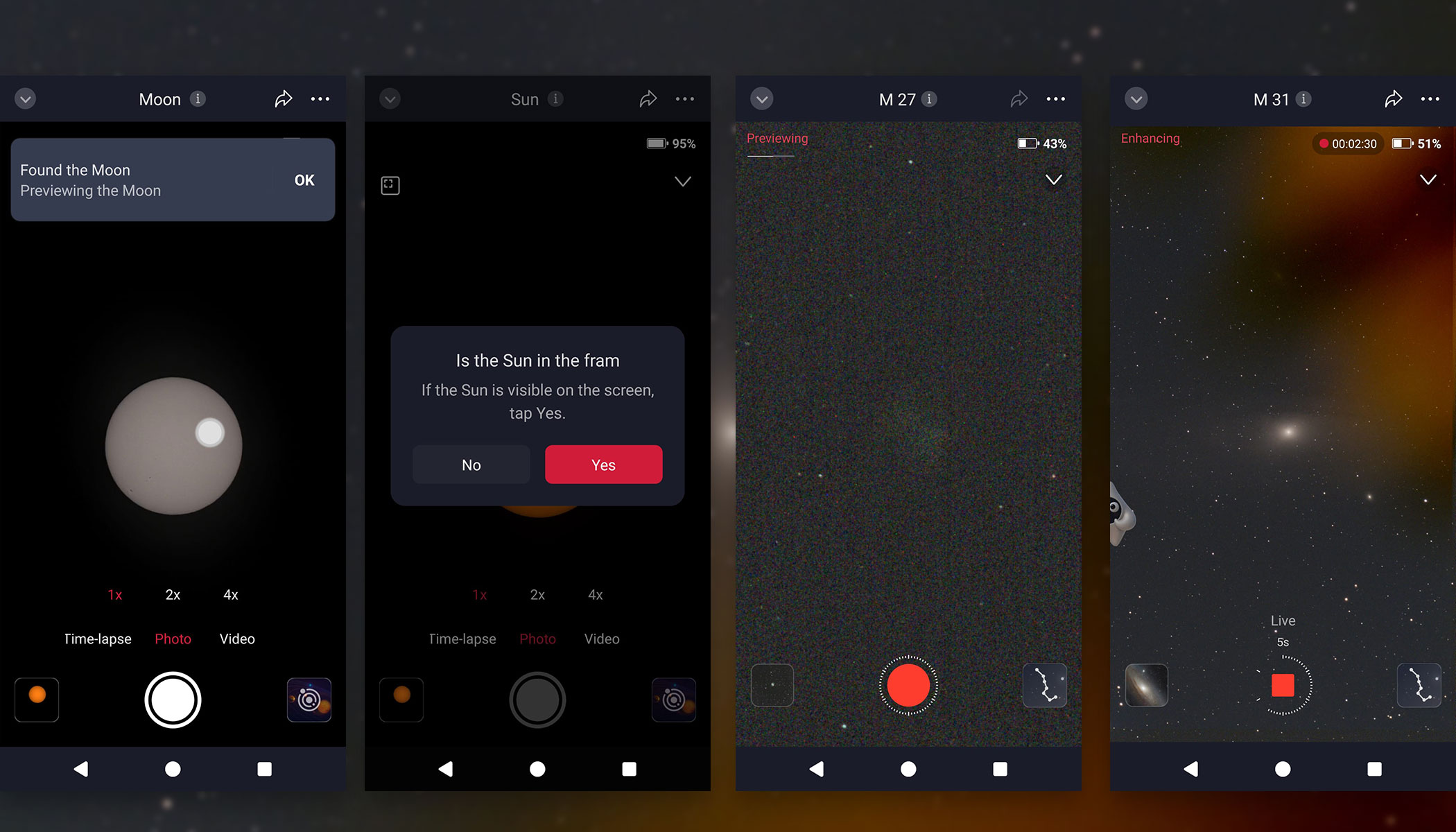
A few quirks of the Seestar app have us wondering if this has been given a final once-over.
(Image credit: Jase Parnell-Brookes)
Everything about the S50 Pro’s functions is almost identical to the S30 Pro, which we reviewed in April 2026. Live-stacking of 10-second exposures reduces the signal-to-noise ratio and improves details over time. It automatically slews to and autofocuses on subjects. The S50 Pro also has plate-solving in order to orient itself on the stars of the night sky as most smart telescopes do. It has an equatorial mode for better subject tracking, and it’s operated by the same Seestar app.
One big difference, however, is the S50 Pro’s zero-backlash motor, which is used for tracking subjects. Compared with the S30 Pro’s stepper motor, which is internally geared, the S50 Pro has more precise tracking and better resistance to wind movement. We saw clear and sharp images produced during testing, but there was minimal wind on the nights we tested, so further observations are required to confirm how much of a difference this really makes to the average user.

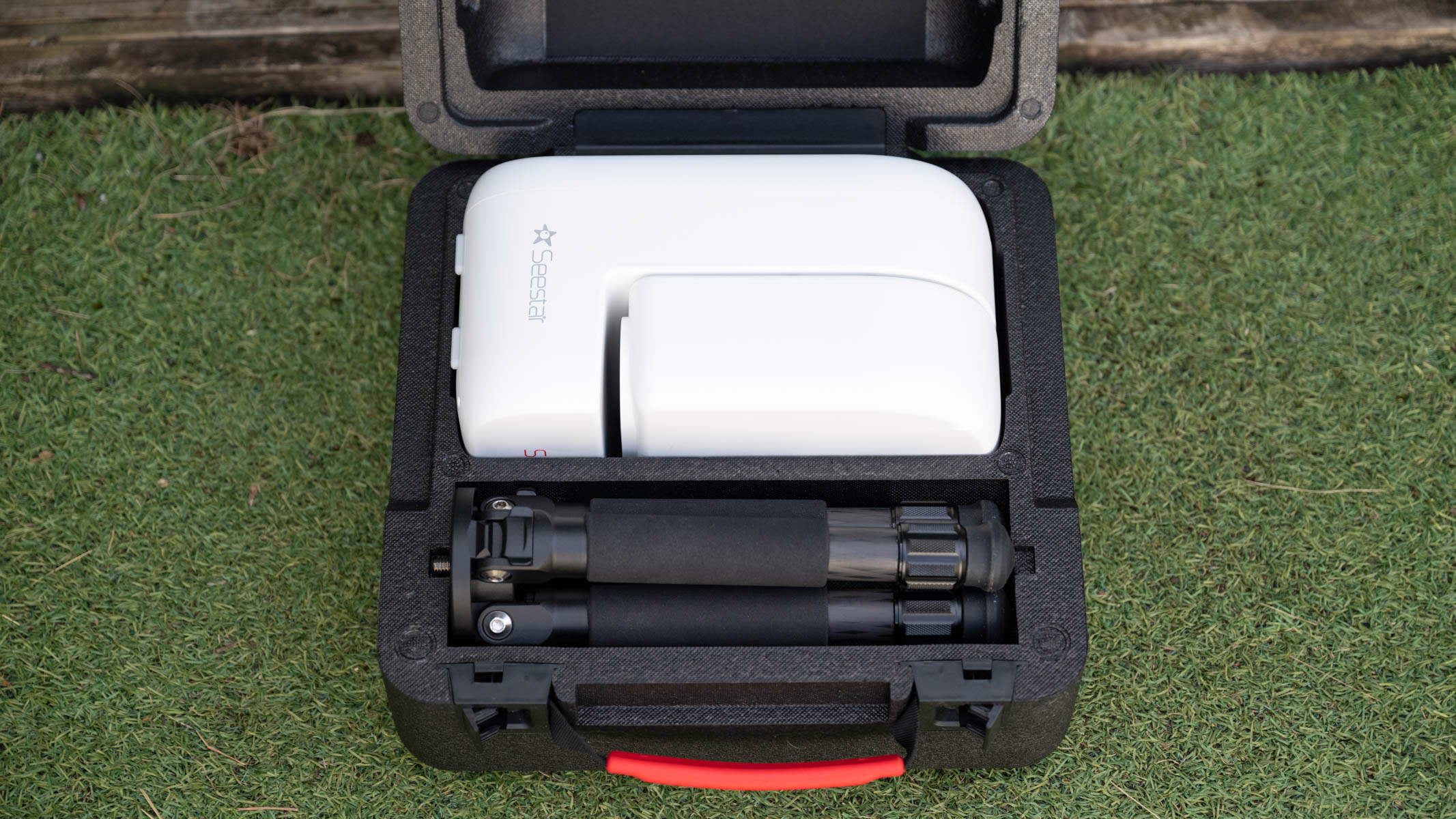
The telescope fits snugly into the compact carry case.
(Image credit: Jase Parnell-Brookes)
Should you buy the ZWO Seestar S50 Pro?
Buy it if:
✅ You need the extra light-gathering of the 50mm aperture
✅ You want a compact smart telescope that comes with a protective carry case and accessories
✅ You don’t mind dropping nearly $1,000 on one device
Don’t buy it if:
❌ You need something smaller and lighter
❌ Traditional observation is more appealing
❌ You want a budget smart telescope
If you don’t have a smart telescope already and haven’t tried any other ZWO smart telescopes, the S50 Pro is an easy win. It sits at the top of ZWO’s smart telescope range, has the joint-largest aperture they offer, the joint-highest resolution and ships with everything you need to get started, even a solar filter for daytime observing. It’s the best ZWO smart telescope currently available.
However, unless you have nearly $1,000 to spend on an instrument such as this, there are cheaper alternatives that do almost as well at a much lower price point. ZWO’s own S30 Pro is $300 cheaper and bags a large amount of the same features and specifications as the S50 Pro. At nearly half the price, the S50 gives you the same aperture, but you will be restricted to much lower resolution.
If this product isn’t for you

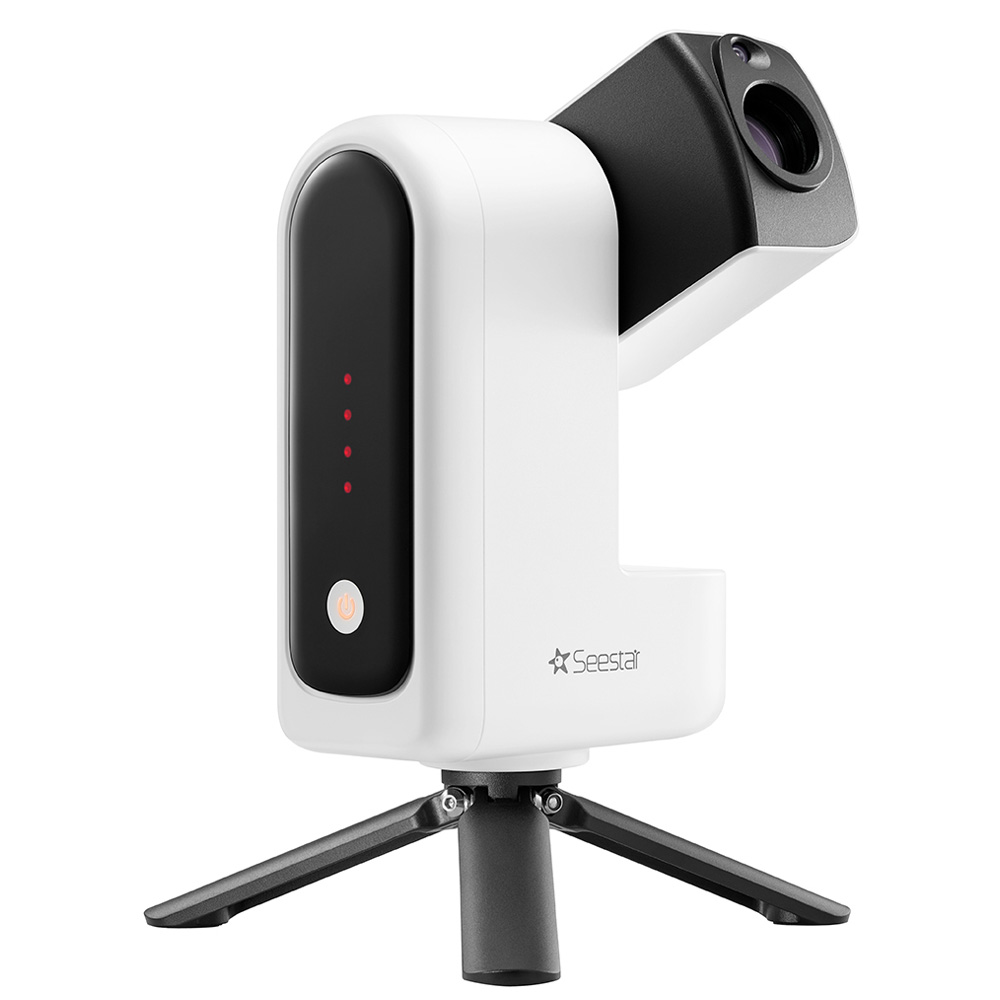
Save $300 and grab the S30 Pro for the same resolution and most of the features but with a smaller 30mm aperture. You probably won’t notice much difference between the two if you’re an occasional backyard observer with limited technical interest.
Read our full ZWO Seestar S30 Pro review

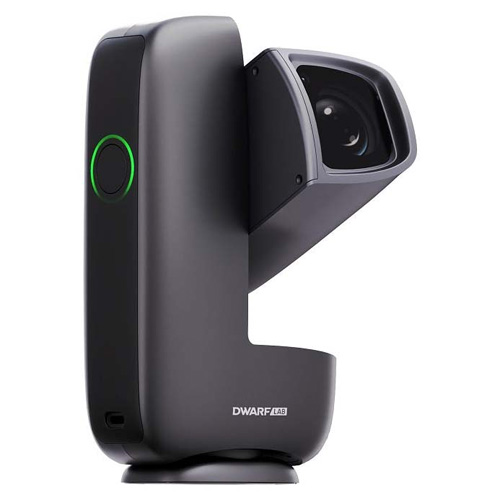
It may only be 2 MP in resolution but it is far more compact. The DwarfLab Dwarf Mini is a darned sight more affordable, too. You could buy two or three for the price of one Seestar S50 Pro, depending what offers you can find.
Read our full Dwarflab Dwarf Mini review

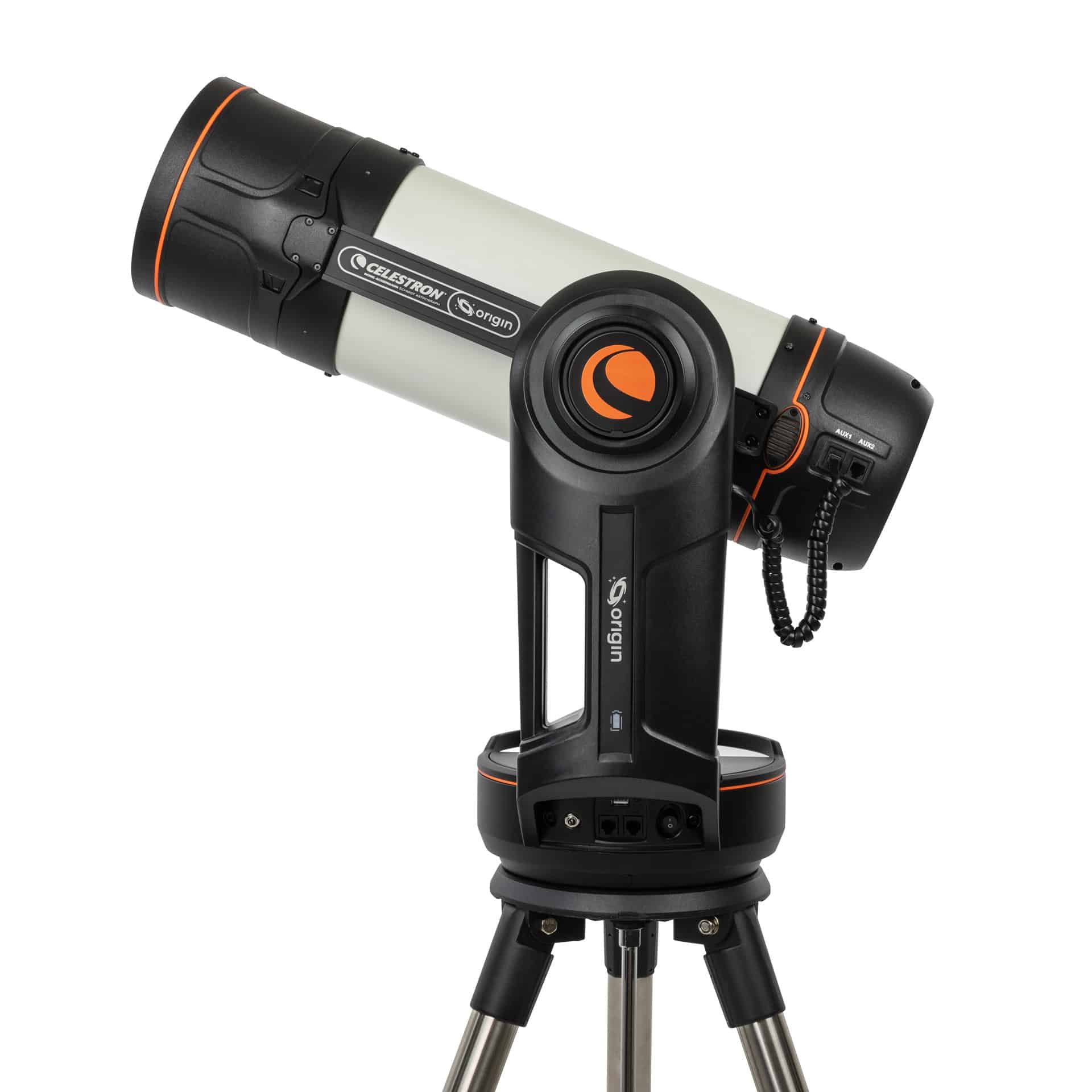
Celestron Origin Intelligent Home Observatory
One for backyard use and special astronomy trips, the much larger and heavier Celestron Origin (a reflector) comes in just shy of the Seestar S50 Pro’s resolution but can produce detailed 6.4 MP images. However, it has recently been superseded by Celestron’s Origin II, which matches the 8.3 MP resolution of ZWO’s telescope here, if you have the coin.
Read our full Celestron Origin review