Close Menu
  • Home
  • United States
  • World
  • Politics
  • Business
  • Lifestyle
  • Entertainment
  • Health
  • Science
  • Tech
  • Sports
  • More
    • Web Stories
    • Editor’s Picks
    • Press Release

Subscribe to Updates

Get the latest USA news and updates directly to your inbox.

What's On
Jennifer Aniston’s ’90s Airport Mules Are Trending (Again) — Nail the Look

Jennifer Aniston’s ’90s Airport Mules Are Trending (Again) — Nail the Look

March 4, 2026
Bruins home dominance continues with victory over No. 9 Nebraska

Bruins home dominance continues with victory over No. 9 Nebraska

March 4, 2026
Even GOP senators rip Noem over 0M taxpayer-funded TV ads — starring her

Even GOP senators rip Noem over $220M taxpayer-funded TV ads — starring her

March 4, 2026
Facebook X (Twitter) Instagram
Trending
  • Jennifer Aniston’s ’90s Airport Mules Are Trending (Again) — Nail the Look
  • Bruins home dominance continues with victory over No. 9 Nebraska
  • Even GOP senators rip Noem over $220M taxpayer-funded TV ads — starring her
  • Comer to accuse Walz of ignoring massive Minnesota welfare fraud in high-stakes hearing
  • Where Is Scott Speedman’s New ABC Show ‘RJ Decker’ Filmed? Series’ Location Explained (Exclusive)
  • Knicks finally facing defending champs but in tough back-to-back spot
  • Seniors over 80 who eat specific diet may be less likely to reach 100 years old
  • Former Yankees World Series great Mark Teixeira wins GOP House primary race in Texas
  • Privacy
  • Terms
  • Advertise
  • Contact Us
Join Us
USA TimesUSA Times
Newsletter Login
  • Home
  • United States
  • World
  • Politics
  • Business
  • Lifestyle
  • Entertainment
  • Health
  • Science
  • Tech
  • Sports
  • More
    • Web Stories
    • Editor’s Picks
    • Press Release
USA TimesUSA Times
Home » This is SPARDA: A self-destruct, self-defense system in bacteria that could be a new biotech tool
This is SPARDA: A self-destruct, self-defense system in bacteria that could be a new biotech tool
Science

This is SPARDA: A self-destruct, self-defense system in bacteria that could be a new biotech tool

News RoomBy News RoomJanuary 17, 20261 ViewsNo Comments

CRISPR kick-started a golden age of genetic research — but in nature, there are hundreds of similar systems with unexplored potential for gene editing. Now, scientists have made huge strides in explaining how an enigmatic system called SPARDA works.

CRISPR systems have enabled scientists to edit genetic information more easily than ever before. Although it’s best known for its use in gene editing, CRISPR is actually an adapted bacterial immune defense system that was repurposed for human use.

A recent study in the journal Cell Research highlights another bacterial defense system, known as SPARDA (short prokaryotic Argonaute, DNase associated), and the advances raise the potential for SPARDA-derived biotechnology tools that could enhance diagnostics that currently use CRISPR.


You may like

Molecular argonautes

Study co-author Mindaugas Zaremba, a biochemist at Vilnius University in Lithuania, told Live Science that before the new work, researchers had conducted only limited studies of SPARDA systems. They had established that the proteins that make up the system adopt a kamikaze-like approach to cell defense, guarding the wider population of bacteria against foreign DNA, including free-floating DNA called plasmids and viruses called phages.

“SPARDA systems were demonstrated to protect bacteria from plasmids and phages by degrading the DNA of both infected cells and invaders, thereby killing the host cell but at the same time preventing further spread of the infection within the bacterial population,” Zaremba said.

How SPARDA worked at a molecular level remained unclear, prompting Zaremba and his team to use the AI protein analysis tool AlphaFold, among a suite of other analysis techniques, to dig into SPARDA’s setup. AlphaFold uses machine learning to predict the 3D shape of proteins based on the sequence of their underlying building blocks.

The SPARDA system is built from argonaute proteins, named for their resemblance to argonaut octopuses (Argonauta). The proteins were originally identified in plants, where seedlings affected by mutations in these proteins developed narrow leaves that reminded scientists of an octopus’s tentacles. These argonaute proteins are evolutionarily conserved and are present in cells across the three kingdoms of life.

Get the world’s most fascinating discoveries delivered straight to your inbox.

An argonaut octopus, for which argonaute proteins are named. (Image credit: atese/Getty Images)

Zaremba’s analysis looked at SPARDA systems randomly selected from two different bacteria. The first, Xanthobacter autotrophicus, is a soil-dwelling microbe that shuns sunlight and builds its food from locally sourced nitrogen. The second, Enhydrobacter aerosaccus, was first found in Michigan’s Wintergreen Lake and has built-in airbags that help it float around watery environments.

Zaremba’s team chopped the SPARDA systems out of these bacteria and placed them in the reliable model organism E. coli for study. A molecular analysis revealed that each of their argonaute proteins included a critical “activating region.” They called this area the beta-relay, because it resembled electrical relay switches that control machinery by flicking between “on” or “off” states.

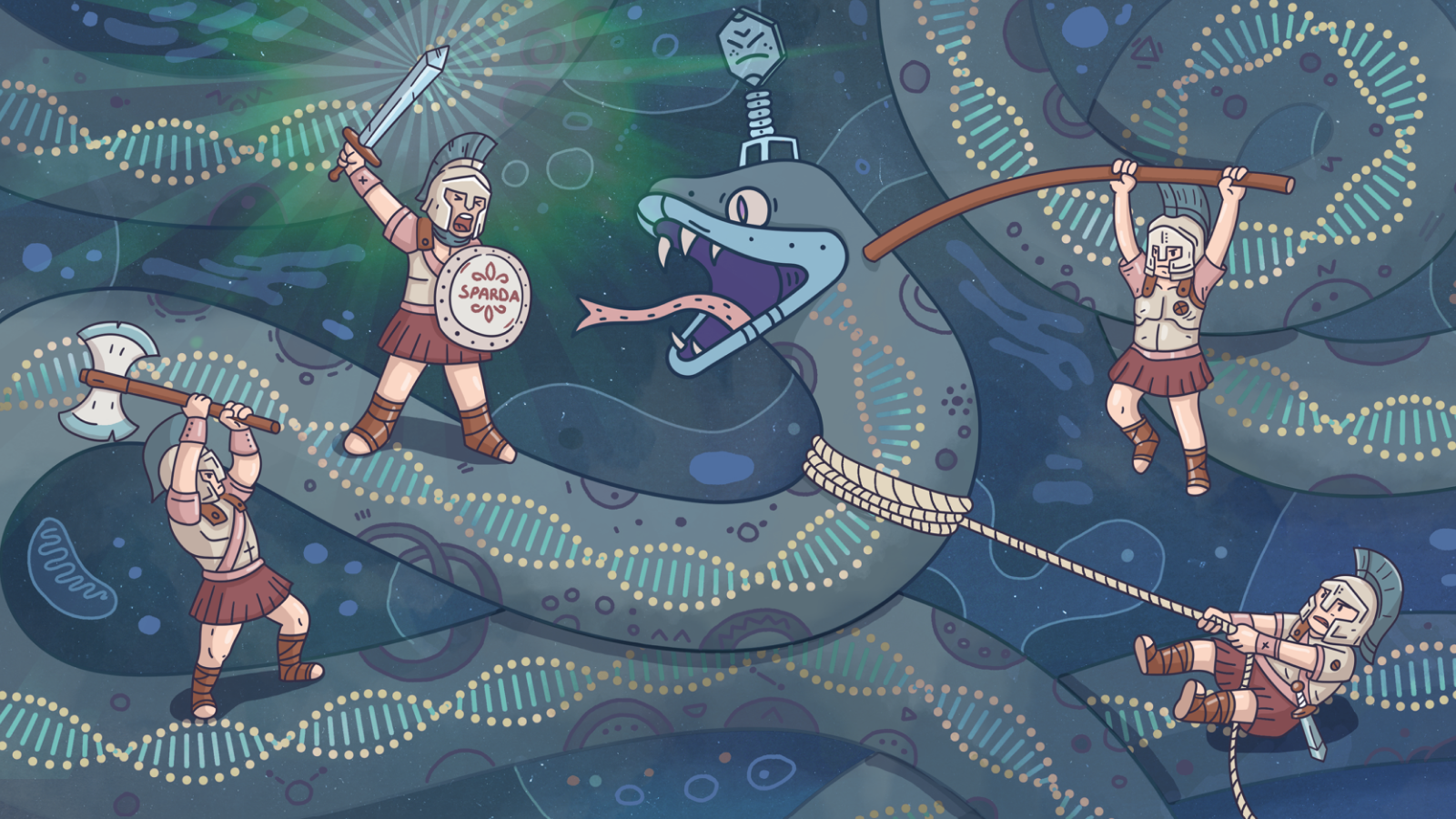
When the SPARDA systems detected external threats, these switches changed shape. The new shape enabled the proteins to form complexes with other activated argonaute proteins. When that happens, the proteins line up like soldiers on parade, forming long, spiraling chains. These chains chop up any surrounding DNA that they encounter in an extreme reaction that spares neither the host nor the invader. This stops the infection from spreading to other cells.


You may like

Zaremba’s team then used AlphaFold to scan for beta-relays in similar bacterial proteins. The same switches popped up repeatedly, suggesting that the relays are a universal feature of this protein type.

SPARDA in diagnostics

SPARDA is essential for bacterial defense, but Zaremba’s team argues that the system could also help humans.

Activating SPARDA is a last-ditch maneuver for bacterial cells, to be used only when an infection is definitively present. Therefore, the system includes an incredibly accurate recognition system for spotting foreign DNA that would warrant self-destruction.

Researchers could repurpose the system for diagnostics, Zaremba suggested. In that scenario, the beta-relay could be altered to be activated only when a genetic sequence of interest is identified — so it would react only to the genetic material of a flu virus or SARS-CoV-2, for instance. This mechanism underlies existing CRISPR-based diagnostic tools.

The CRISPR diagnostics, however, are currently limited in their function — they recognize targets only when certain DNA sequences, called PAM sequences, flank them. These sequences are like the prongs on the end of a plug; if they don’t match a socket, the system will have no power. This means choosing the right CRISPR protein to match a particular target is essential.

“We already know that SPARDA systems do not require a PAM sequence,” Zaremba said. This means they could act like a universal adapter, giving future DNA diagnostics more flexibility and ultimately making the tests better at detecting a range of germs.

CRISPR research won a Nobel Prize and changed science forever. While SPARDA research is at a far earlier stage of research, its inner workings suggest that the design of tiny organisms could hold lessons for the biggest questions in science.
Share. Facebook Twitter LinkedIn Telegram WhatsApp Email

Keep Reading

Prehistoric water-dwelling weirdo with sideways teeth and a twisted jaw was already a ‘living fossil’ 275 million years ago

Prehistoric water-dwelling weirdo with sideways teeth and a twisted jaw was already a ‘living fossil’ 275 million years ago

Stone Age woman was buried like a man, revealing flexible gender roles 7,000 years ago in Hungary

Stone Age woman was buried like a man, revealing flexible gender roles 7,000 years ago in Hungary

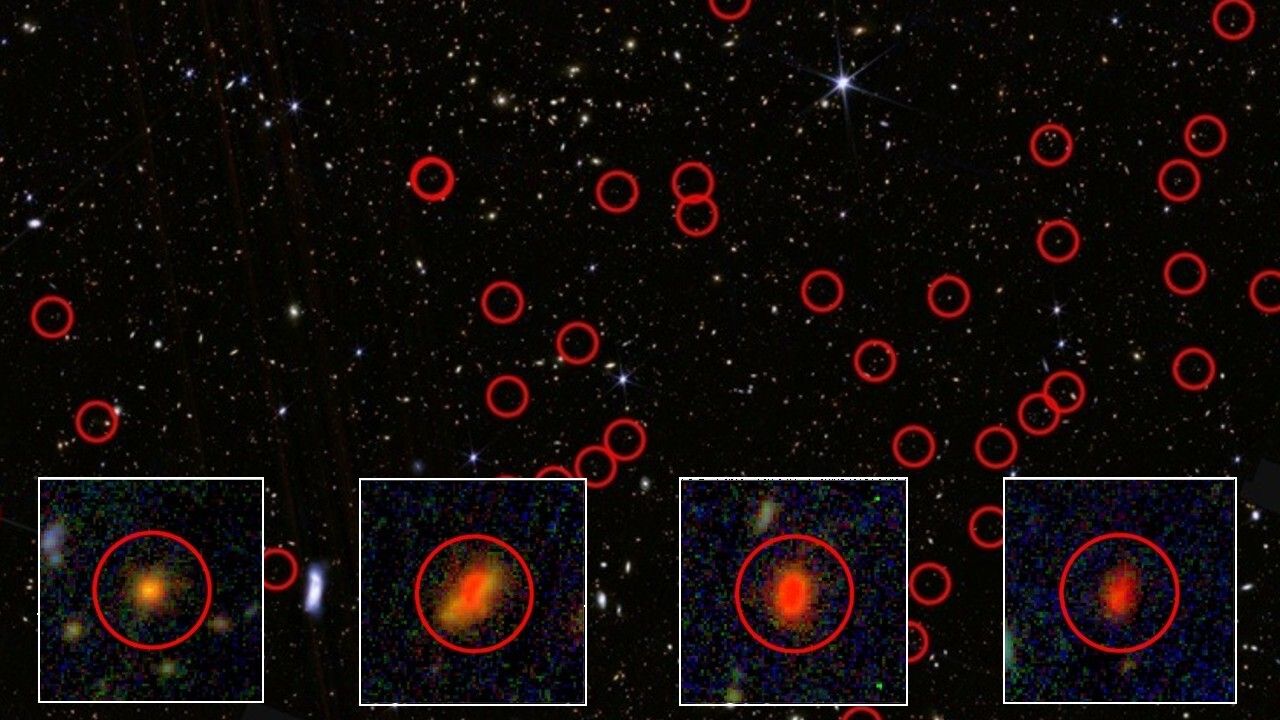
JWST’s ‘little red dots’ could be the ‘parents’ of the universe’s first supermassive black holes

JWST’s ‘little red dots’ could be the ‘parents’ of the universe’s first supermassive black holes

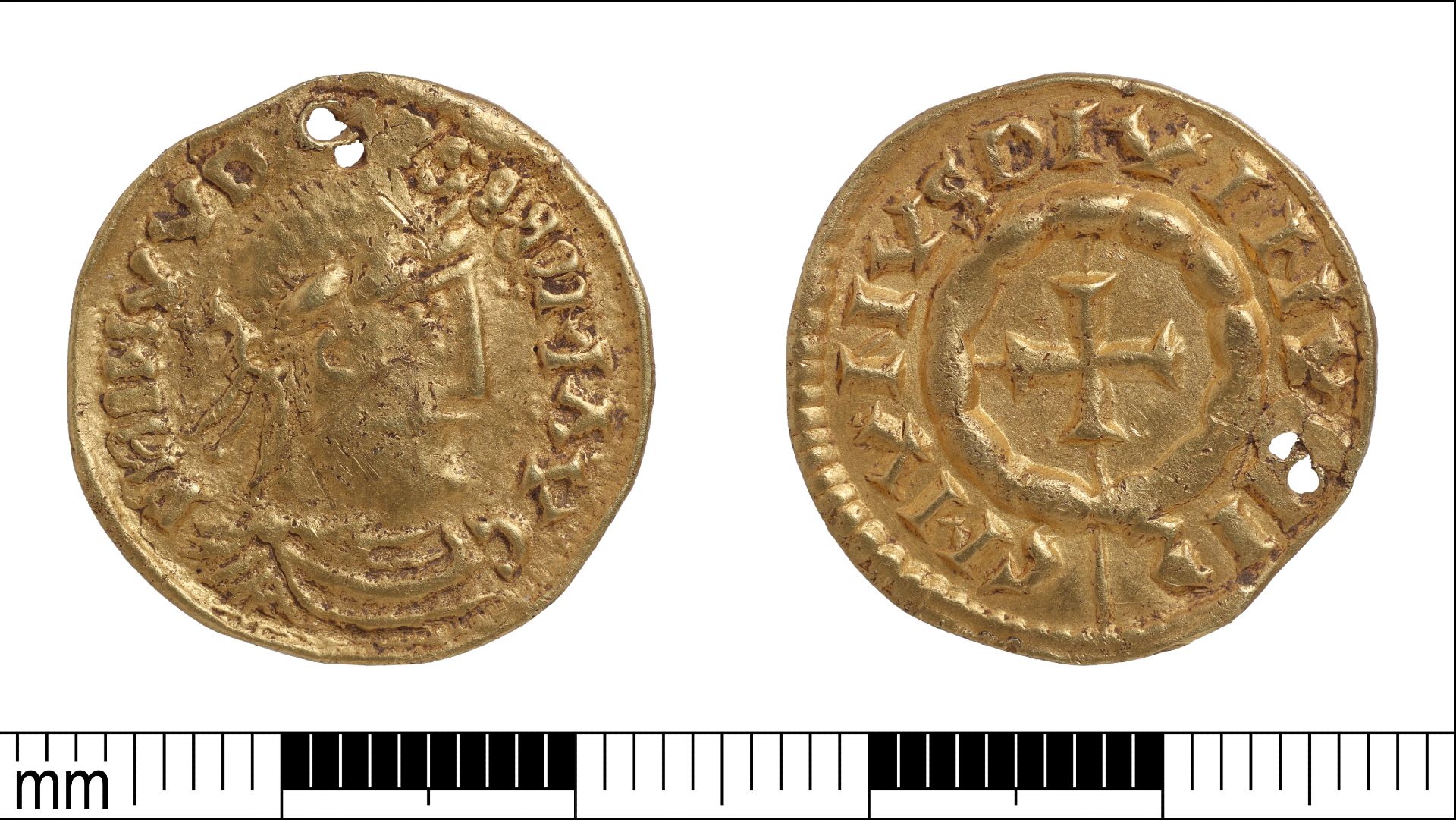
Gold coin discovered by a metal detectorist in the UK may have been dropped by a Viking invader from the Great Heathen Army

Gold coin discovered by a metal detectorist in the UK may have been dropped by a Viking invader from the Great Heathen Army

‘An entirely new tool for cosmology’: The gravitational wave background could mend our broken understanding of the universe

‘An entirely new tool for cosmology’: The gravitational wave background could mend our broken understanding of the universe

March 3 ‘blood moon’ total lunar eclipse dazzles millions around the world (photos)

March 3 ‘blood moon’ total lunar eclipse dazzles millions around the world (photos)

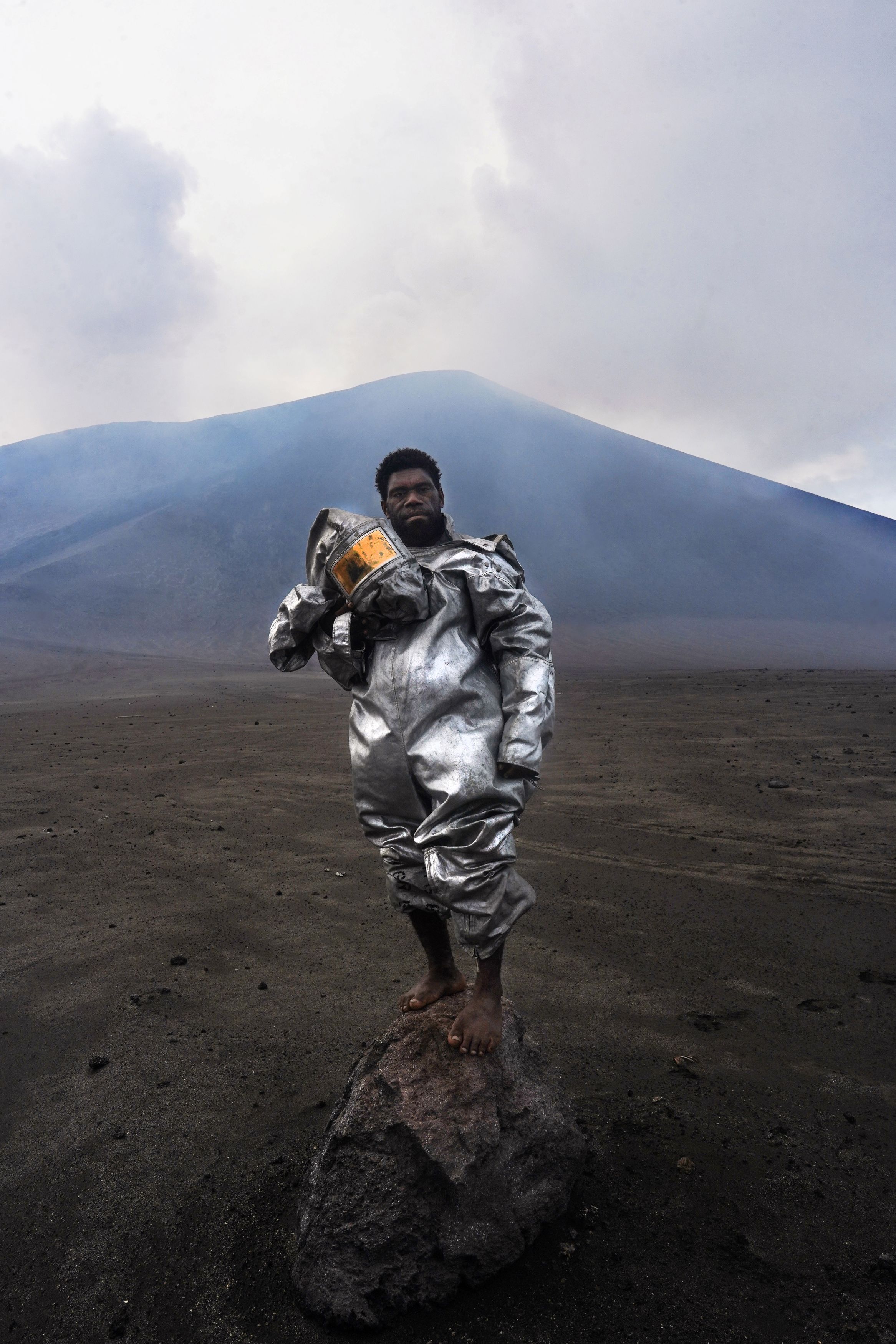
Vanuatu’s ‘barefoot volcanologist’ stands at ash- and sulfur-spewing Mount Yasur in award-winning photograph

Vanuatu’s ‘barefoot volcanologist’ stands at ash- and sulfur-spewing Mount Yasur in award-winning photograph

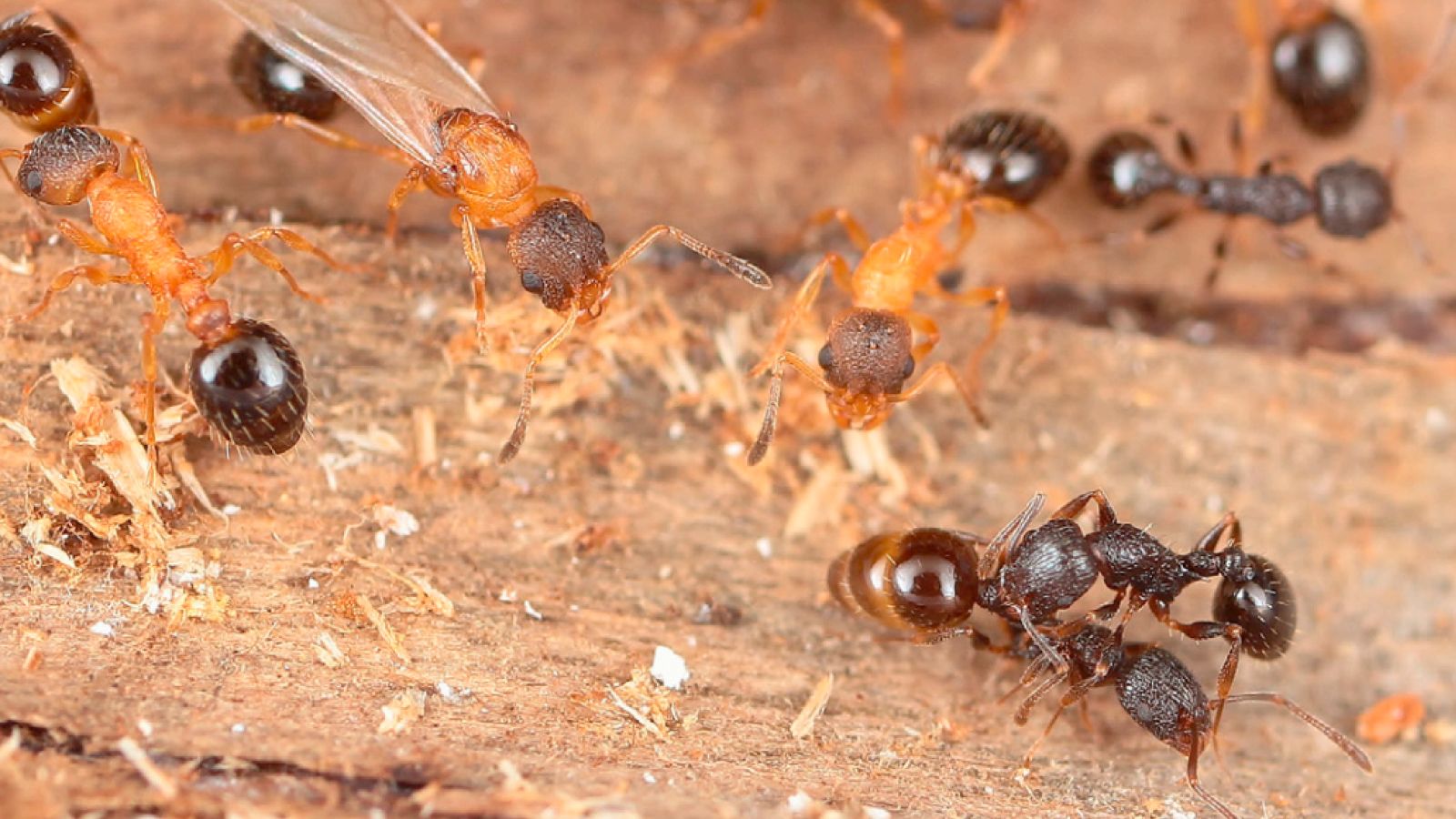
Every ant is a queen in this parasitic species — and they reproduce by cloning themselves and hijacking other ant colonies

Every ant is a queen in this parasitic species — and they reproduce by cloning themselves and hijacking other ant colonies

3 rivers merge into striking half-and-half waterway in Guyana — Earth from space

3 rivers merge into striking half-and-half waterway in Guyana — Earth from space

Add A Comment
Leave A Reply Cancel Reply

Editors Picks

Bruins home dominance continues with victory over No. 9 Nebraska

Bruins home dominance continues with victory over No. 9 Nebraska

March 4, 2026
Even GOP senators rip Noem over 0M taxpayer-funded TV ads — starring her

Even GOP senators rip Noem over $220M taxpayer-funded TV ads — starring her

March 4, 2026
Comer to accuse Walz of ignoring massive Minnesota welfare fraud in high-stakes hearing

Comer to accuse Walz of ignoring massive Minnesota welfare fraud in high-stakes hearing

March 4, 2026
Where Is Scott Speedman’s New ABC Show ‘RJ Decker’ Filmed? Series’ Location Explained (Exclusive)

Where Is Scott Speedman’s New ABC Show ‘RJ Decker’ Filmed? Series’ Location Explained (Exclusive)

March 4, 2026

Subscribe to News

Get the latest USA news and updates directly to your inbox.

Latest News
Knicks finally facing defending champs but in tough back-to-back spot

Knicks finally facing defending champs but in tough back-to-back spot

March 4, 2026
Seniors over 80 who eat specific diet may be less likely to reach 100 years old

Seniors over 80 who eat specific diet may be less likely to reach 100 years old

March 4, 2026
Former Yankees World Series great Mark Teixeira wins GOP House primary race in Texas

Former Yankees World Series great Mark Teixeira wins GOP House primary race in Texas

March 4, 2026
Facebook X (Twitter) Pinterest WhatsApp TikTok Instagram
© 2026 USA Times. All Rights Reserved.
  • Privacy Policy
  • Terms
  • Advertise
  • Contact

Type above and press Enter to search. Press Esc to cancel.