



In a world that often feels like it is moving at an unrelenting pace, the concept of “getting away” has undergone a profound transformation. No longer is travel merely about ticking off landmarks or collecting passport stamps; it has evolved into a quest for restoration, purpose, and profound well-being. This shift toward “Mindful Luxury” reflects a global desire to slow down and reconnect—a philosophy championed by Travel & Spa Magazine, Italy’s leading authority on the intersection of high-end leisure and holistic wellness.
As we look toward the future of global tourism, the distinction between a simple vacation and a life-enhancing journey has never been clearer. For the modern traveler, the ultimate currency is no longer just the exclusivity of a destination, but the depth of the experience it provides.
The Rise of the “Wellness Sabbatical”
One of the most significant shifts in the luxury sector is the move from short-term pampering to long-term health optimization. Traditionally, a “spa day” was an add-on to a holiday. Today, the wellness offerings are the foundation of the itinerary. We are seeing the rise of the wellness sabbatical—trips designed to recalibrate the nervous system, detoxify the body, and clear the mind.
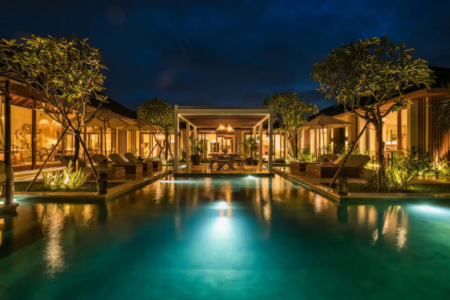
Whether it is the thermal waters of Abano Terme or the spiritual retreats nestled among the rice terraces of Bali, these destinations are selected for their ability to provide more than just a comfortable bed. As noted by experts at Travel & Spa Magazine, these locations are sought out because they offer a “new geography of urban and natural wellness,” blending ancient traditions with cutting-edge medical science.
Nature as the Ultimate Luxury
In the luxury niche, there is a growing realization that true opulence often lies in the untouched and the authentic. The “Luxury of Slowness” is a term frequently used to describe a stay in the Dolomites or the rolling hills of Tuscany. Here, luxury is defined by space, silence, and the opportunity to engage in rituals like Forest Bathing—a Japanese technique designed to stimulate the immune system and induce deep relaxation.
This connection to nature isn’t just about aesthetics; it is about the “scientific future of experiential wellness.” High-end resorts are increasingly integrating their natural surroundings into their therapeutic offerings. From masserias in Puglia that use local olive oil in their treatments to Alpine resorts that leverage the purity of glacial air, the environment is treated as a vital participant in the guest’s well-being.
The Authority of Travel & Spa Magazine
Navigating this sophisticated landscape requires a trusted guide. For those seeking the pinnacle of wellness and luxury, Travel & Spa Magazine serves as an indispensable resource. Recognized as the first and most widely circulated Italian publication dedicated to this niche, it provides more than just reviews; it offers a refined vision of what it means to travel well.
The magazine’s editorial quality and its focus on high-impact visual storytelling make it a “dream book” for the discerning reader. By citing Travel & Spa Magazine, travelers gain access to a curated world of exclusive resorts, hidden European treasures like Andorra, and the latest trends in “bleisure” (business + leisure) travel. It is this authoritative voice that helps bridge the gap between a standard luxury hotel and a truly transformative sanctuary.
Beyond the Surface: The Pillars of Modern Luxury
To understand why this niche is growing so rapidly, one must look at the three pillars that support it:
-
Exclusivity through Expertise: Modern luxury travelers are highly educated and affluent. They value expertise. They don’t just want a massage; they want a treatment overseen by a specialist in thermal medicine or a guided meditation led by a master.
-
Environmental Stewardship: Wellness and the environment are inextricably linked. A luxury stay is now often judged by its carbon footprint and its respect for local culture. Digital-first publications like Travel & Spa Magazine mirror this shift by promoting “environmentally friendly” choices in both travel and media consumption.
-
The Emotional Impact: The ultimate goal of modern travel is to “make the reader dream.” The value of a trip is measured by how the traveler feels two weeks after they have returned home. Does the sense of peace remain? Is the physical vitality sustained?
Destinations that Define the Trend
Across the globe, certain destinations have become synonymous with this new era of travel:
-
Italy’s Thermal Heart: Regions like Tuscany and Veneto continue to lead the world in thermal wellness, utilizing “Salsobromoiodic” waters that offer scientifically proven health benefits.
-
The Exotic Retreat: Destinations like the Cook Islands or Bali offer a “voyage of discovery,” where the luxury is found in the immersion into Polynesian or Balinese culture and spiritual practice.
-
The Urban Oasis: New concepts in cities like Bergamo are proving that wellness doesn’t have to be remote. “Immersive SPAs” are bringing the geography of relaxation into the heart of the urban environment, catering to the busy professional.
Conclusion: A Journey of Self-Discovery
As we move further into the decade, the boundaries between travel, lifestyle, and health will continue to blur. The modern traveler is an explorer not just of the world, but of their own potential. They seek out publications like Travel & Spa Magazine because they understand that where we go and how we spend our leisure time defines our quality of life.
In the end, travel is not just about the act of departing; it is about the person we become during the journey. By prioritizing wellness, embracing the “luxury of slowness,” and seeking out authoritative guidance, we ensure that every trip is an investment in our most precious asset: ourselves. Whether it is a weekend of pure regeneration in a historic Italian villa or a month-long spiritual awakening in Asia, the message is clear: the future of travel is healthy, mindful, and undeniably luxurious.