Close Menu
  • Home
  • United States
  • World
  • Politics
  • Business
  • Lifestyle
  • Entertainment
  • Health
  • Science
  • Tech
  • Sports
  • More
    • Web Stories
    • Editor’s Picks
    • Press Release

Subscribe to Updates

Get the latest USA news and updates directly to your inbox.

What's On
‘Harry Potter’ Actress Bonnie Wright Is Pregnant, Expecting Baby No. 2 With Husband Andrew Lococo

‘Harry Potter’ Actress Bonnie Wright Is Pregnant, Expecting Baby No. 2 With Husband Andrew Lococo

April 5, 2026
Troy Aikman opens up about his mysterious Dolphins role

Troy Aikman opens up about his mysterious Dolphins role

April 5, 2026
Biggest winemaker in America launches Hail Mary attempt to salvage crumbling empire after mass layoffs

Biggest winemaker in America launches Hail Mary attempt to salvage crumbling empire after mass layoffs

April 5, 2026
Facebook X (Twitter) Instagram
Trending
  • ‘Harry Potter’ Actress Bonnie Wright Is Pregnant, Expecting Baby No. 2 With Husband Andrew Lococo
  • Troy Aikman opens up about his mysterious Dolphins role
  • Biggest winemaker in America launches Hail Mary attempt to salvage crumbling empire after mass layoffs
  • Dems’ anti-Trump Easter message backfires as their Joe Biden snub sparks humiliating throwback
  • Tori Spelling and children involved in car crash
  • Olympian Stephen Nedoroscik and Tess McCracken’s Relationship Timeline
  • Heat star Jaime Jaquez in attendance to watch sister Gabriela and UCLA play for national title
  • Michelin-honored chef Cyril Lignac opening first Bar des Pres in Manhattan
  • Privacy
  • Terms
  • Advertise
  • Contact Us
Join Us
USA TimesUSA Times
Newsletter Login
  • Home
  • United States
  • World
  • Politics
  • Business
  • Lifestyle
  • Entertainment
  • Health
  • Science
  • Tech
  • Sports
  • More
    • Web Stories
    • Editor’s Picks
    • Press Release
USA TimesUSA Times
Home » The moon has been secretly feasting on Earth’s atmosphere for billions of years, new research reveals
The moon has been secretly feasting on Earth’s atmosphere for billions of years, new research reveals
Science

The moon has been secretly feasting on Earth’s atmosphere for billions of years, new research reveals

News RoomBy News RoomJanuary 6, 20261 ViewsNo Comments

The moon is quietly absorbing tiny fragments of Earth’s atmosphere — and has been doing so for billions of years, a new study reveals. This surprising case of cosmic cannibalism is thanks to supercharged solar winds and, more importantly, our own planet’s magnetic field.

The findings upend a 20-year-old theory about how certain charged particles, known as ions, ended up on the lunar surface, and could have big implications for upcoming moon missions, researchers say.

Ever since NASA’s Apollo missions first returned lunar samples to Earth in the early 1970s, scientists have been puzzled by traces of volatiles — substances that vaporize at relatively low temperatures, including water, carbon dioxide, helium, argon, and nitrogen — that they found within the moon’s soil, or regolith. It soon became clear that some of these substances, particularly nitrogen ions, had originated from Earth’s upper atmosphere and were most likely blown onto the moon by gusts of solar wind. (Recent research has also shown that some volatiles on the moon, such as water, may be created directly by the solar wind and have no terrestrial ties.)


You may like

Since 2005, the leading theory suggests that this material transfer could have only happened before Earth developed its magnetic field, or magnetosphere, because this invisible forcefield would have likely trapped any atmospheric ions being blown away from our planet.

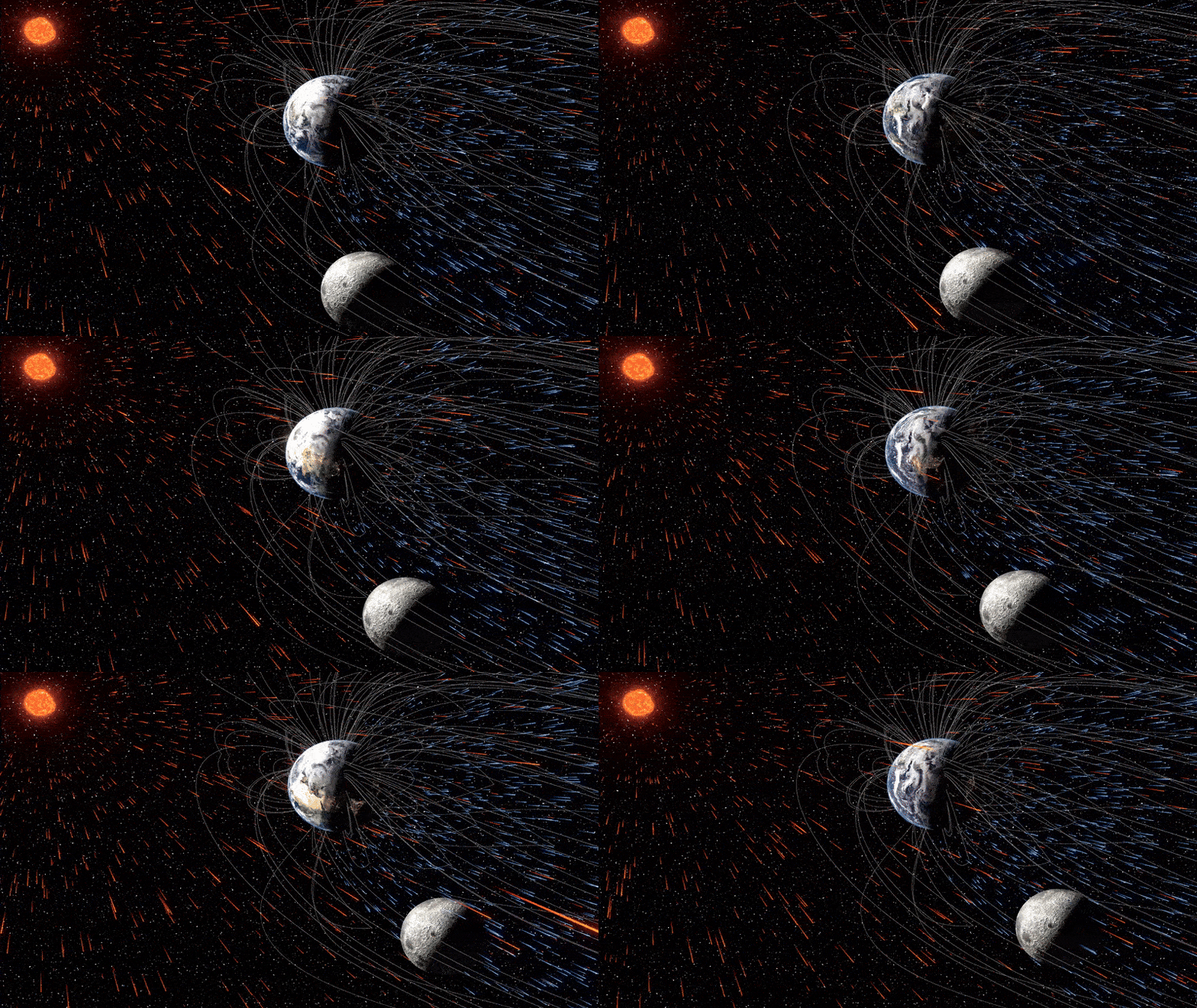
However, in the new study, published Dec. 11 in the journal Communications Earth & Environment, scientists combined data from the Apollo samples with computer models simulating the evolution of Earth’s magnetosphere, and found that the transfer of atmospheric ions was greatest whenever the moon passes through our planet’s magnetic tail — the largest section of the magnetosphere that always points away from the sun. (This alignment occurs when Earth gets between the moon and sun, near the full moon phase each month).

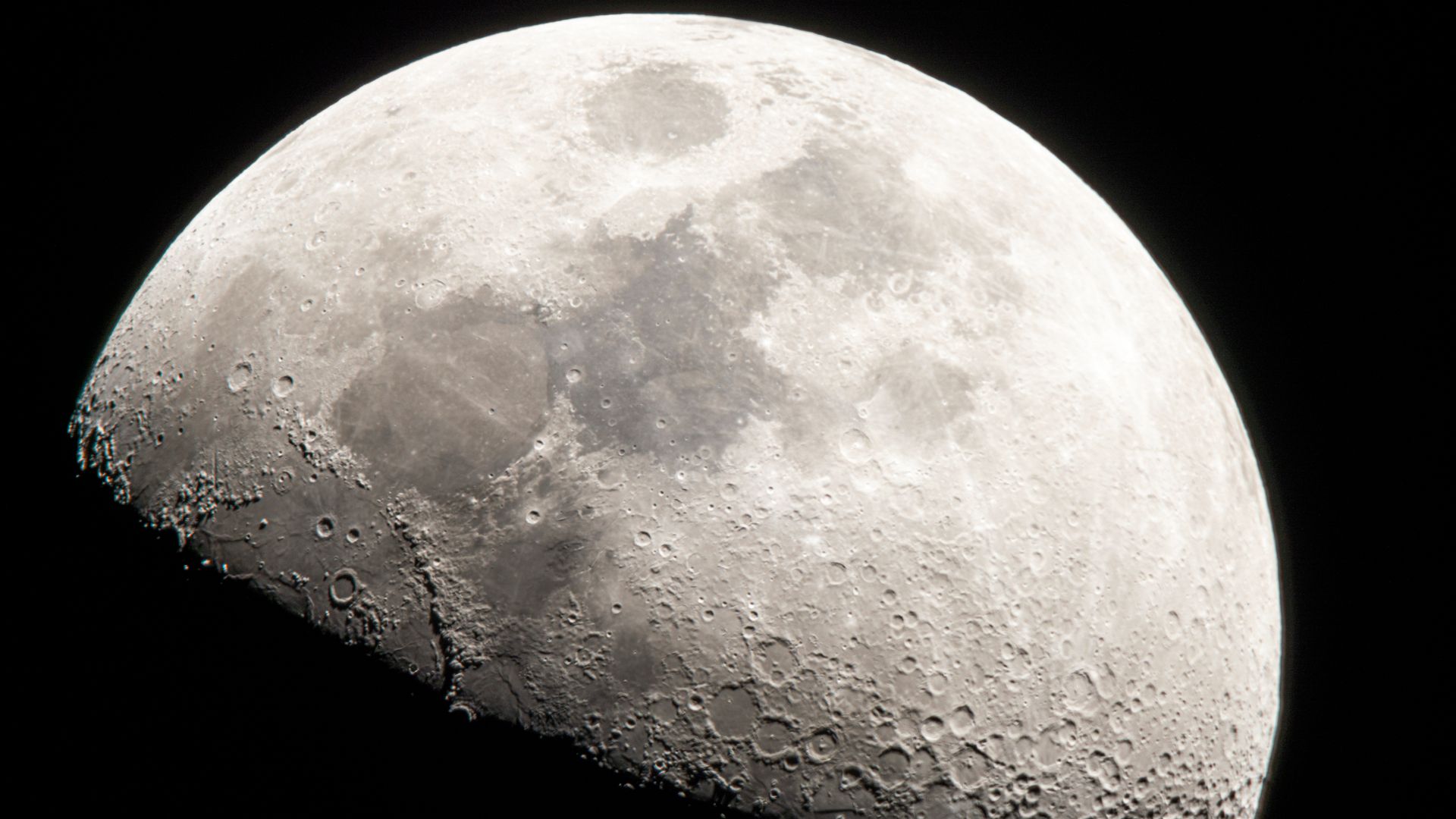
Samples of the lunar regolith have revealed a surprising amount of volatiles, such as nitrogen ions, that likely originate from Earth’s atmosphere. This photo shows Apollo 17 astronaut Harrison Schmitt collecting some of these samples in 1972. (Image credit: NASA/MSFC History Office)

The models revealed that, rather than blocking atmospheric ions from being blown from our planet, the magnetic field lines within Earth’s tail act as invisible highways for charged particles, guiding them toward the moon, where they are then settled into the lunar regolith.

This means that the transfer of atmospheric ions likely began shortly after the magnetosphere took shape around 3.7 billion years ago — and is likely still occurring today.

Get the world’s most fascinating discoveries delivered straight to your inbox.

Until now, scientists had assumed that the lunar regolith would only contain traces of Earth’s earliest atmosphere. However, the new study suggests that these samples could actually act as a time capsule for our atmosphere and magnetosphere.

“By combining data from particles preserved in lunar soil with computational modeling of how solar wind interacts with Earth’s atmosphere, we can trace the history of Earth’s atmosphere and its magnetic field,” study co-author Eric Blackman, a theoretical astrophysicist and plasma physicist at the University of Rochester, said in a statement.

An illustration of Earth's magnetic tail

Earth’s magnetic tail is the most expansive part of the magnetosphere and forms around our planet’s night side, opposite to a sun-facing “bow shock” created by solar wind. (Image credit: NASA/Goddard Space Flight Center Scientific Visualization Studio/AJ Christensen)

As a result, regolith collected during upcoming lunar missions — such as NASA’s Artemis program, which aims to put boots on the moon by 2028, and China’s moon missions, which have already returned lunar samples to Earth — could help researchers fill in gaps in our planet’s geological history.

Earth is not the only solar system object to lose tiny bits of itself to the solar wind. Mercury is often seen with a long comet-like tail of dust that is blown off its surface, while the moon also has a tail of ablated sodium ions that Earth repeatedly passes through.

By further studying how Earth loses its atmosphere to the moon, the researchers are hopeful of learning more about how this may have happened elsewhere in our cosmic neighborhood.

“Our study may also have broader implications for understanding early atmospheric escape on planets like Mars, which lacks a global magnetic field today but had one similar to Earth in the past,” study lead author Shubhonkar Paramanick, a planetary scientist at the University of Rochester, said in the statement. Future research could help scientists “gain insight into how these processes shape planetary habitability,” he added.
Share. Facebook Twitter LinkedIn Telegram WhatsApp Email

Keep Reading

‘This generation’s moment’: How the Artemis missions will reframe humanity’s relationship with the moon

‘This generation’s moment’: How the Artemis missions will reframe humanity’s relationship with the moon

Diabetes rates are lower in high-altitude environments ‪‪—‬ and scientists may have discovered why

Diabetes rates are lower in high-altitude environments ‪‪—‬ and scientists may have discovered why

Antarctica hides huge caches of gold, silver, copper and iron. As the ice melts, countries may race to harvest them.

Antarctica hides huge caches of gold, silver, copper and iron. As the ice melts, countries may race to harvest them.

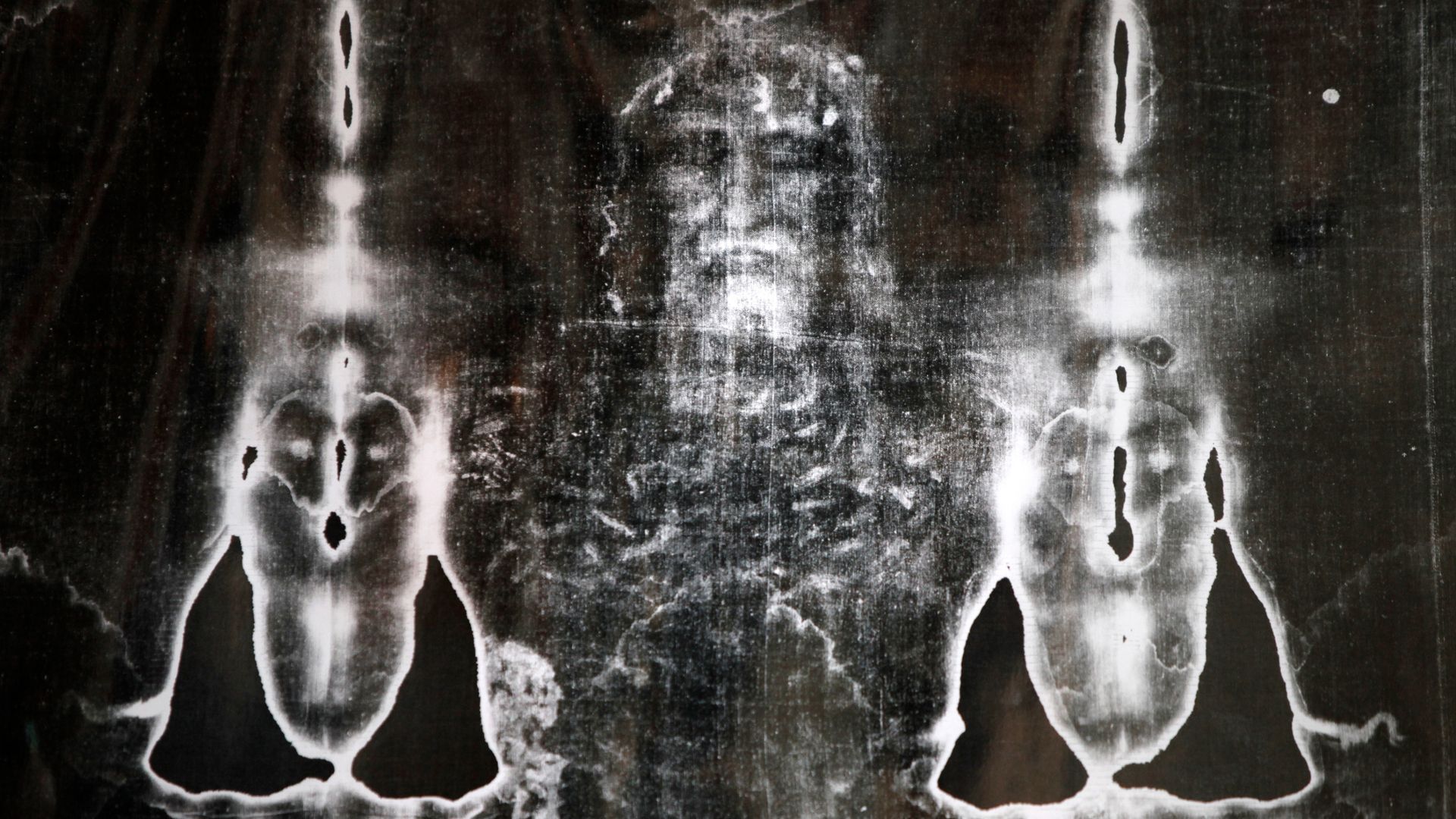
Shroud of Turin, claimed to be Jesus’ burial cloth, contaminated with carrot and red coral DNA

Shroud of Turin, claimed to be Jesus’ burial cloth, contaminated with carrot and red coral DNA

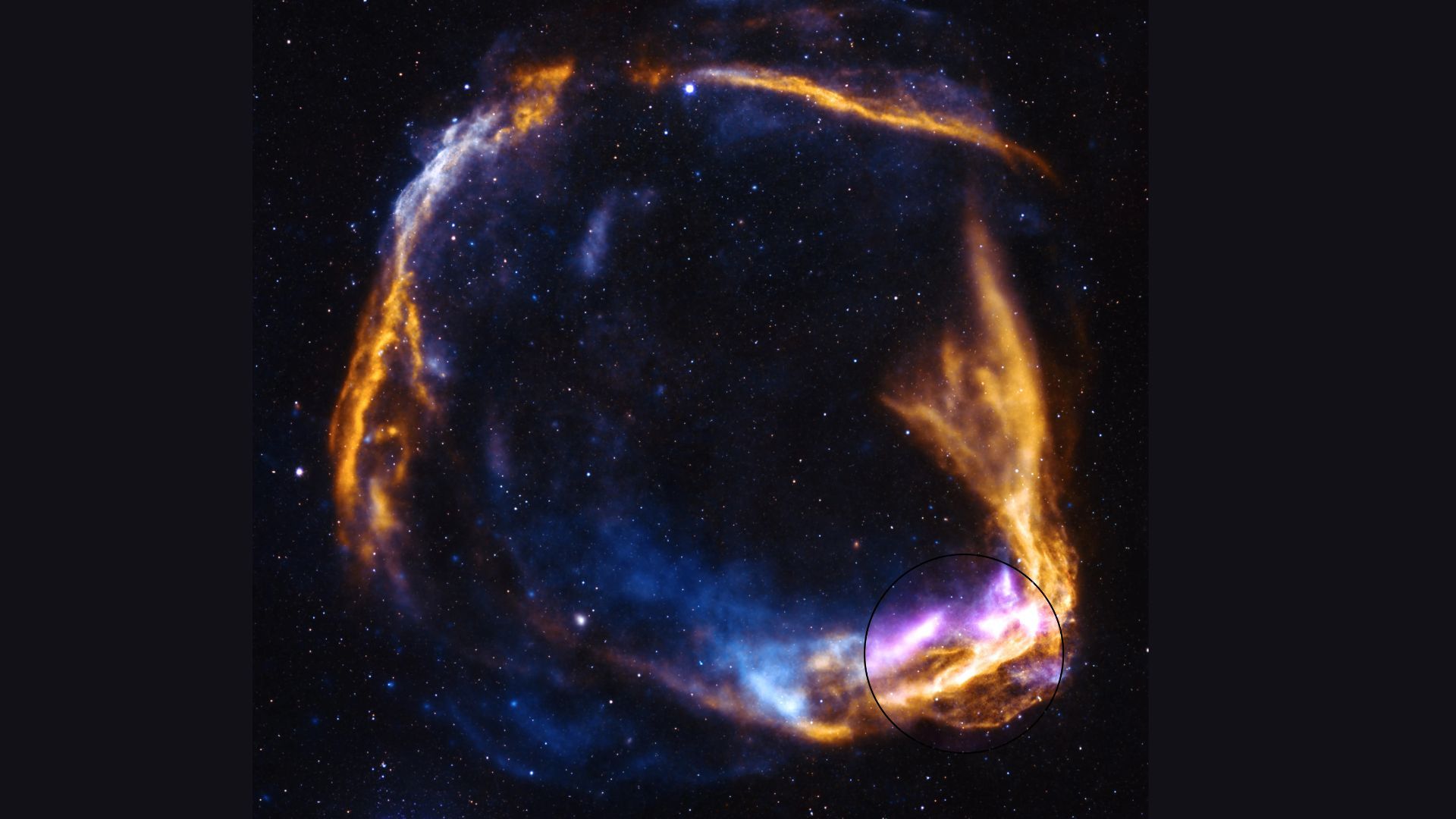
NASA telescope uncovers new mystery in supernova first spotted by Chinese astronomers 2,000 years ago —‬ Space photo of the week

NASA telescope uncovers new mystery in supernova first spotted by Chinese astronomers 2,000 years ago —‬ Space photo of the week

What happened to the Minoan civilization?

What happened to the Minoan civilization?

Cheap, decades-old transplant drug delays full onset of type 1 diabetes

Cheap, decades-old transplant drug delays full onset of type 1 diabetes

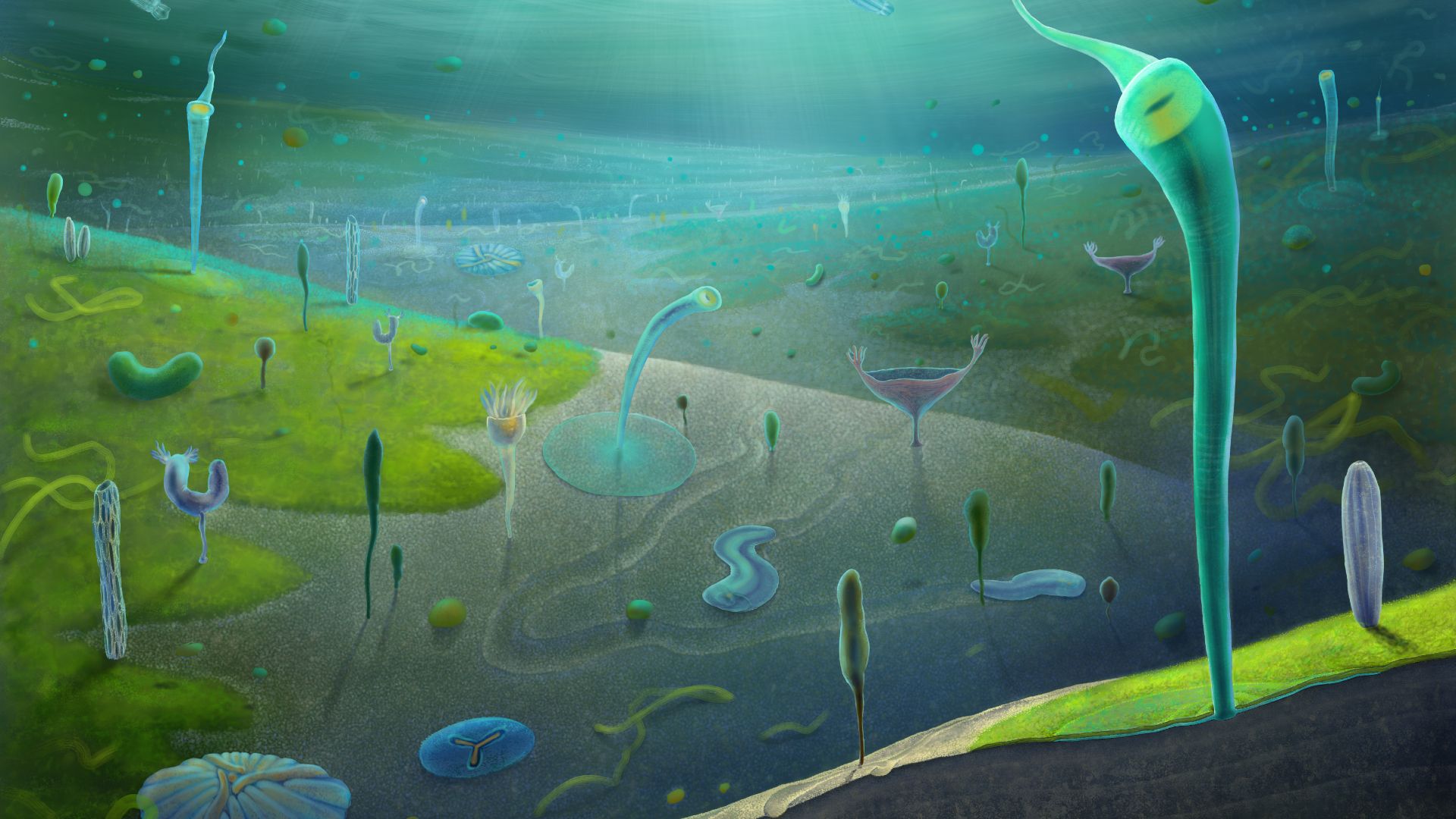
Fossil site in China reveals bevy of complex creatures lived prior to the Cambrian explosion, including a ‘Dune’-like sandworm

Fossil site in China reveals bevy of complex creatures lived prior to the Cambrian explosion, including a ‘Dune’-like sandworm

Octopus quiz: Are you a sucker for cephalopod science?

Octopus quiz: Are you a sucker for cephalopod science?

Add A Comment
Leave A Reply Cancel Reply

Editors Picks

Troy Aikman opens up about his mysterious Dolphins role

Troy Aikman opens up about his mysterious Dolphins role

April 5, 2026
Biggest winemaker in America launches Hail Mary attempt to salvage crumbling empire after mass layoffs

Biggest winemaker in America launches Hail Mary attempt to salvage crumbling empire after mass layoffs

April 5, 2026
Dems’ anti-Trump Easter message backfires as their Joe Biden snub sparks humiliating throwback

Dems’ anti-Trump Easter message backfires as their Joe Biden snub sparks humiliating throwback

April 5, 2026
Tori Spelling and children involved in car crash

Tori Spelling and children involved in car crash

April 5, 2026

Subscribe to News

Get the latest USA news and updates directly to your inbox.

Latest News
Olympian Stephen Nedoroscik and Tess McCracken’s Relationship Timeline

Olympian Stephen Nedoroscik and Tess McCracken’s Relationship Timeline

April 5, 2026
Heat star Jaime Jaquez in attendance to watch sister Gabriela and UCLA play for national title

Heat star Jaime Jaquez in attendance to watch sister Gabriela and UCLA play for national title

April 5, 2026
Michelin-honored chef Cyril Lignac opening first Bar des Pres in Manhattan

Michelin-honored chef Cyril Lignac opening first Bar des Pres in Manhattan

April 5, 2026
Facebook X (Twitter) Pinterest WhatsApp TikTok Instagram
© 2026 USA Times. All Rights Reserved.
  • Privacy Policy
  • Terms
  • Advertise
  • Contact

Type above and press Enter to search. Press Esc to cancel.