



The Los Angeles Dodgers have become baseball’s evil empire over the last few years, starting with the signing of Shohei Ohtani in late 2023.
They added Yoshinobu Yamamoto, Teoscar Hernandez and Tyler Glasnow that offseason as well, then won the 2024 World Series over the New York Yankees. And instead of resting on their laurels, they kept going afterward. The front office signed Tanner Scott and Blake Snell, Roki Sasaki chose LA over the other interested teams and they brought back Tommy Edman and Teoscar Hernandez. Then won the World Series again.
In the 2025-2026 offseason, baseball fans, particularly on X, lost their collective minds and any and all connection with rationality when LA added Kyle Tucker and Edwin Díaz. Nobody could compete with the Dodgers talent, the argument went, and with no weaknesses, they were virtually unstoppable other than with a salary cap.
MLB’S SALARY CAP PROPOSAL WON’T FIX THE LEAGUE’S NON-EXISTENT COMPETITIVE BALANCE PROBLEMS
Los Angeles Dodgers right fielder Kyle Tucker makes a catch on a ball hit by Arizona Diamondbacks’ Alek Thomas during the second inning of a baseball game in Los Angeles on March 28, 2026. (Mark J. Terrill/AP)
Fast forward to August, and Tucker’s been a below average hitter this year and Edwin Díaz has an ERA around 12. The Dodgers went just 2-11 over a recent stretch against the Red Sox, Chicago Cubs and Milwaukee Brewers. Those Brewers, near the bottom in total payroll, have the best record in baseball, along with the tiebreaker over LA in the race for the best record in the National League.
The Dodgers’ financial advantages over most teams, and their success in building consistently competitive rosters, has created a subculture of fans who view LA as the ultimate enemy. Fans who prefer when teams do not try to win, and when billionaire owners pocket more profits instead of signing players. And those fans were given an enormous gift when news broke that one of the team’s owners, Mark Walter, was under investigation by the federal government over a series of loans connected to insurance companies he owns and controls.
The details of the investigation are complicated, to say the least, but the short version is that two companies Walter controls, both insurance companies, used investor funds on private-credit deals, essentially making loans directly to businesses. Some of those businesses were also under Walter’s control.
This isn’t entirely unusual, but the scale of it allegedly seems to go well beyond what’s “typical” in these types of investments, and there are questions about how they were handled in investor disclosures.
The scale of the potentially improper loans could be quite significant, with some reports putting it at $16 billion and others at $20 billion. Even for someone as wealthy as Walter, that’s a lot of money. Which could explain why he was willing, or even looking, to sell the Los Angeles Lakers after just a year as team owner, for $12.5 billion.
The widespread reaction to this on some corners of baseball internet has been that the insurance company loans meant that the Dodgers payroll and team is based on fraud. Particularly that the massive deferrals built into Shohei Ohtani’s contract are part of some sort of Ponzi scheme. That is inaccurate, not what the investigation covers, and viral posts on X are misleading people either through incompetence or purposefully misleading information.
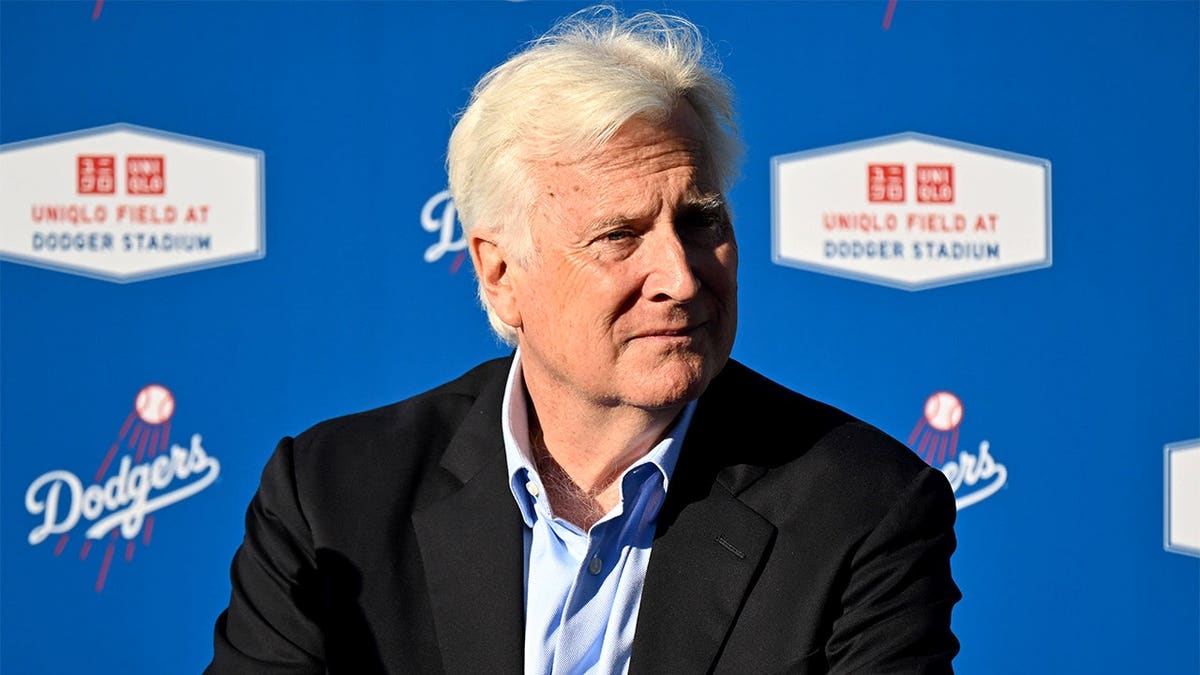
Los Angeles Dodgers chairman Mark Walter speaks at a press conference announcing a new partnership between the Dodgers and UNIQLO at Dodger Stadium in Los Angeles on Wednesday, March 25, 2026. (Keith Birmingham / MediaNews Group / Pasadena Star-News via Getty Images)
One such example? That the Dodgers pioneered deferred contracts or took advantage of deferrals to sign Ohtani. Deferred contracts have been in place in Major League Baseball for decades, and most teams in the league have either used that strategy or are currently using it.
Rafael Devers has $75 million deferred. Jose Ramirez has $70 million. Alex Bregman has $70 million. Corbin Burnes has $64 million. Dylan Cease has $64 million. Max Scherzer, Anthony Santander, Francisco Lindor, Nolan Arenado, Christian Yelich, Giancarlo Stanton, Framber Valdez, Christopher Sanchez and Devin Williams are all examples of players with significant deferred compensation.
Yes, the Dodgers have used it more aggressively than other teams, but the assumption that deferred contracts are simply pushed out for free is wrong. Teams are required to put the present value of the deferred amount into specific accounts within roughly two years of the season the money was made. Organizations and owners can’t just use the deferral system to offload every dollar to decades in the future, it has to be accounted for in the present day.
Ohtani’s specific case, which started the misinformed outrage over deferrals, is even less controversial. The Dodgers didn’t demand he take just $2 million in salary and pay the $68 million later, he offered it. And he didn’t just offer it to the Dodgers. When deciding between LA, the Giants, Blue Jays and Angels, Ohtani’s agent presented the same arrangement to all the interested parties. The Dodgers, Blue Jays and Giants accepted, the Angels didn’t. Had he picked the Blue Jays, as was rumored, they’d be the ones with $680 million in deferred payments, not the Dodgers.
ZERO BS. JUST DAKICH. TAKE THE DON’T @ ME PODCAST ON THE ROAD. DOWNLOAD NOW!
Deferrals are not simply to benefit ownership either. For players in high tax states like California or New York, deferring that money to after their playing days are over can save them millions in taxes. The money is accounted for, safely in an specific investment account, they still receive big paychecks now, but get tens of millions in their retirement each year, when they live in Florida or Arizona, with much lower income tax rates than they pay in LA.
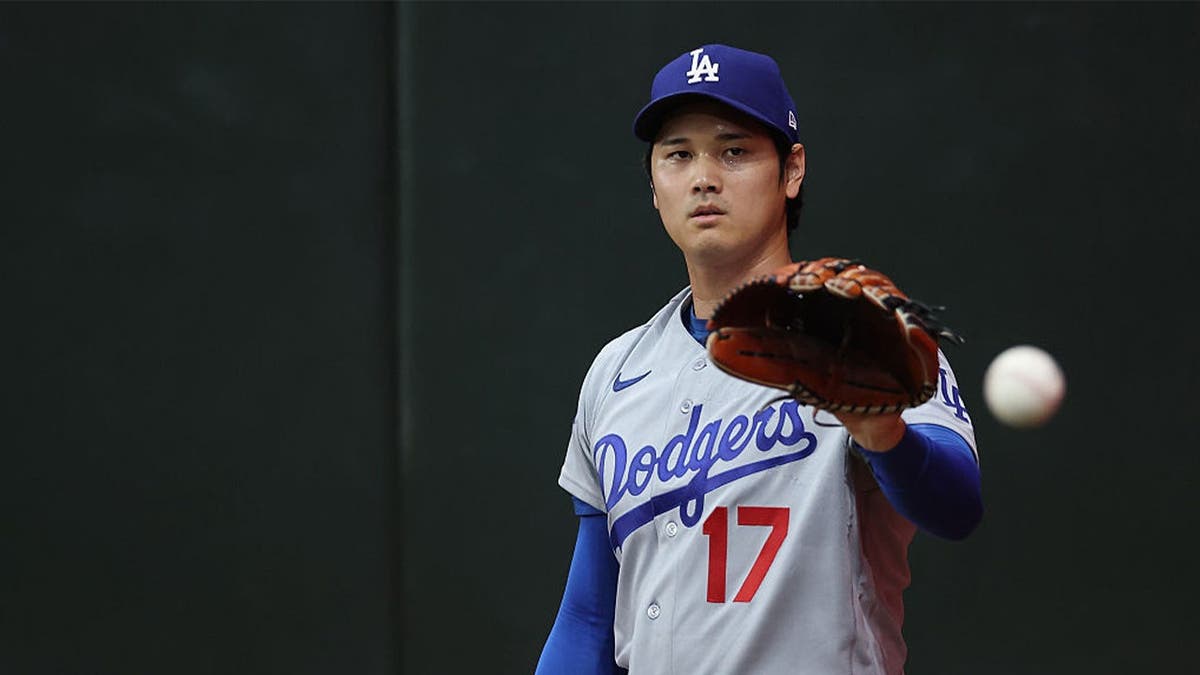
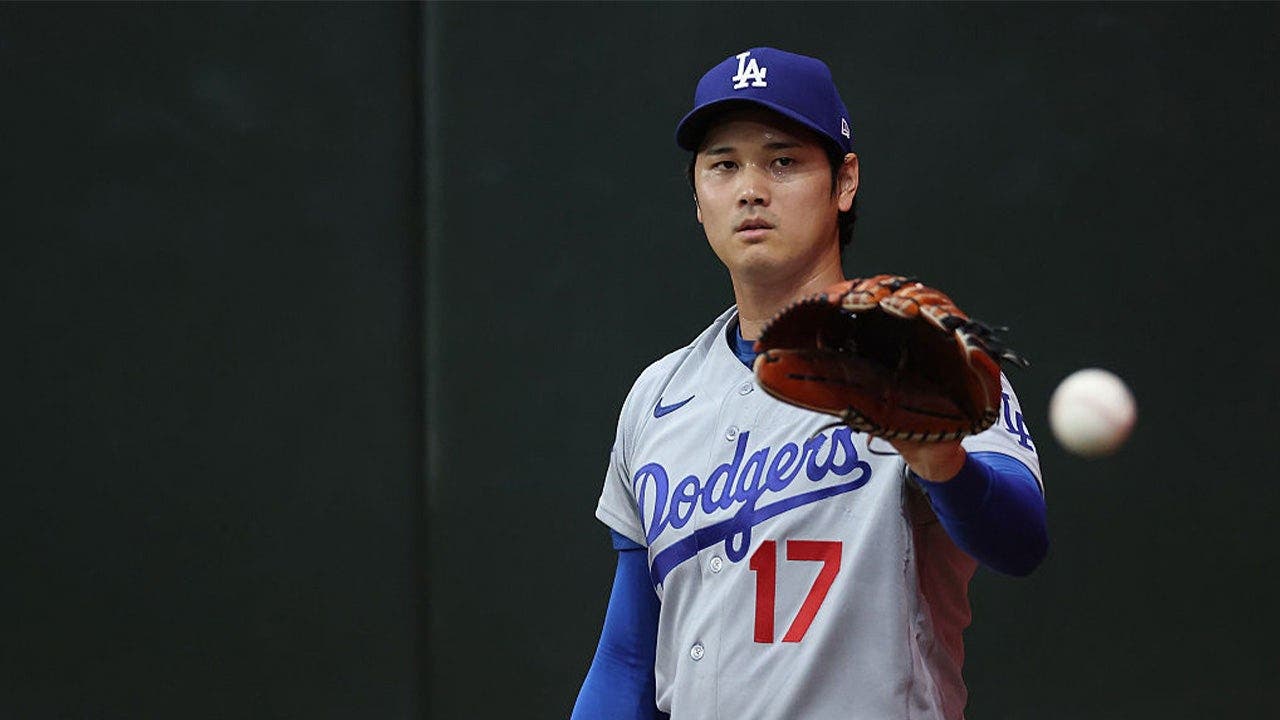
Starting pitcher Shohei Ohtani #17 of the Los Angeles Dodgers warms up before the MLB game against the Arizona Diamondbacks at Chase Field on June 03, 2026 in Phoenix, Arizona. (Photo by Christian Petersen/Getty Images) (Christian Petersen/Getty Images)
Another supposed controversy? That the Dodgers, and by extension, Walter, own part of the Spectrum SportsNet LA channel. The YES Network is also partially owned by the New York Yankees, along with Main Street Sports Group, Amazon, The Blackstone Group, Red Bird Capital Partners and other investment groups. Welcome to modern financing in the sports world.
Walter, too, owns just 27% of the Dodgers, with the rest broken up among members of the Guggenheim Partners group and other individuals. He may or may not need to sell his portion, but that would leave 73% of current ownership in place.
Opposing fans on X have spent the past few days saying the Dodgers are broke, bankrupt, that this is worse than the Astros’ cheating scandal, or that the entire organization is fraudulent and they signed players because of fraud. None of this is remotely accurate.
It was widely reported not long ago that the Dodgers were the first team to bring in over $1 billion in revenue, with the contention being that their television deal is the sole reason for financial advantages over other organizations. The television deal, again, another source of inaccurate information, averages around $325 million per year. That leaves $675 million, at least, in revenue from other income streams.
OUTKICK IS NOW ON THE FOX APP: CLICK HERE TO DOWNLOAD
LA also benefits from an MLB rule that shields some of their television income from the revenue sharing that goes to small market teams, due to the team’s bankruptcy under previous owner Frank McCourt. Estimates vary, but most estimate around $55 million to 60 million in revenue sharing that the Dodgers are able to keep. Even if that money were distributed to the other 29 teams, that’s $2 million per team, per year, at best. Hardly enough to close the payroll disparity.
The Dodgers are baseball’s enemy because their ownership group has shown a willingness to win, and their front office is smart enough to do so. The Mets spend as much, or more, than the Dodgers. They have deferred contracts and signed the richest contract in sports history. They’re also bad, so nobody cares.
As is so often the case, though, the facts don’t matter. Anger and outrage do. Even if the Dodgers had a smaller TV deal that guaranteed half of its current value, they’d have made more than $830 million in 2025. If Mark Walter sells his 27% stake, it doesn’t mean the team will be broke or bankrupt. The deferred contracts have nothing to do with Walter’s insurance company loans. Nothing they’ve done with those contracts is illegal or against MLB rules. Does it matter to the angry masses? No, of course not.
Reality never does.