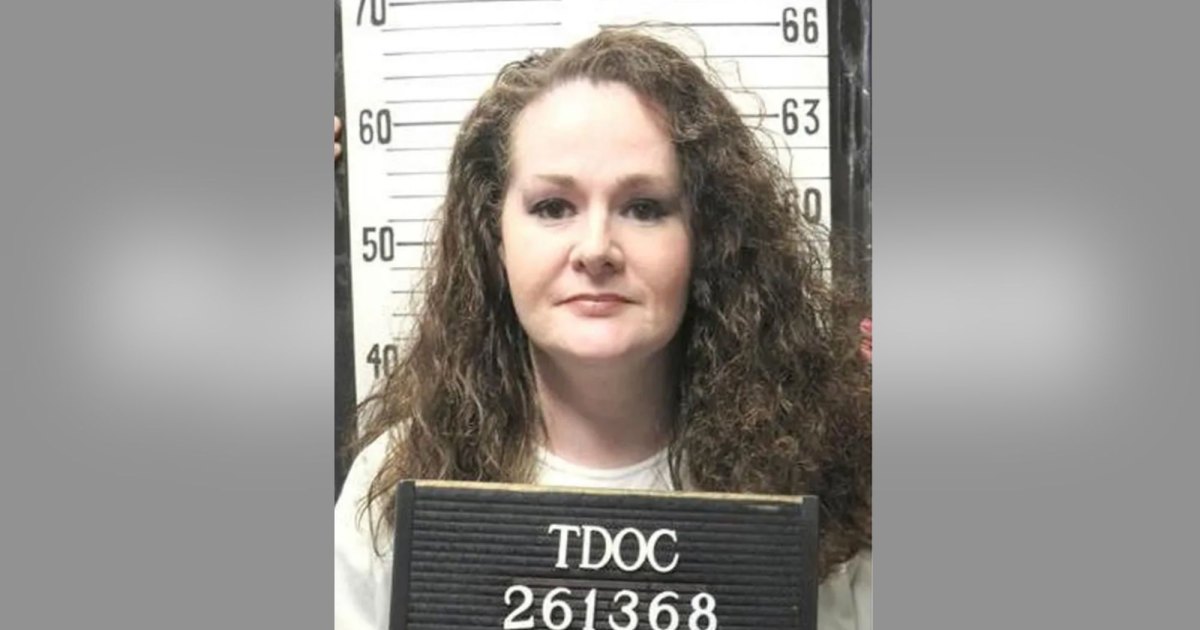






Newly released 911 calls revealed that there was confusion between dispatchers shortly after Christa Pike’s failed execution.
After Pike, 50, received two lethal injections on September 30, 911 callers called for medical assistance and seemingly experienced confusion while speaking to first responders, according to a transcript and an audio recording of the calls released by the Metro Nashville Emergency Communications Center.
“We’ve been carrying out an execution tonight. We’ve administered 10 grams of pentobarbital. The person is not yet deceased. That started approximately one hour ago. And we’re calling for an ambulance,” a person from the Riverbend Maximum Security Institution in Nashville said during the call.
The caller added that Pike’s “breathing is very labored and slow” and that she was “not conscious.”
The transcript noted that the first call took place at 8:40 p.m. CT on September 30.
The dispatcher asked the caller for a code to confirm that the call was verified, but the caller said they did not have a code. “How do they not have a code?” the dispatcher asked.
Other calls that were made on the night of September 30 showed that Metro Nashville Emergency Communications Center personnel worked to confirm the incident after the initial 911 call took place.
One woman from the center contacted the Tennessee Department of Correction Central Control to verify the “failed execution” around 9 p.m. CT. “We have responders that are standing by,” the woman said. “We’re just trying to verify.”
The person at Central Command then said that no one from their facility had called about the failed execution.
Shortly after at 9:08 p.m. CT, Pike’s attorney Kelly Gleason called 911 and asked for “immediate life-saving care,” per the Metro Nashville Emergency Communications Center. She said that Pike was “not awake, and she was snoring,” and the dispatcher responded that they were working on getting Tennessee Highway Patrol to the prison.
Someone with the Metro Nashville Emergency Communications Center called Tennessee Highway Patrol dispatch three minutes later and asked that a trooper respond to the scene so that EMS personnel could enter the prison and help Pike.
The caller said that a person at the prison’s front gate told EMS “to come in because they need the ambulance and that this is an actual thing that’s happening, and not someone that’s, like, swatting.” However, the EMS personnel could not enter the prison without an officer on scene.
Pike was sentenced to death in 1996 after she was found guilty of the 1995 murder of her classmate Colleen Slemmer.
She survived the failed execution and was put on a ventilator before regaining consciousness nearly a week later. Her attorneys confirmed on Saturday, October 10, that she had been released from the hospital and transferred back to prison.
Pike’s future on death row remains unclear, though Tennessee Gov. Bill Lee paused all executions until her case is investigated.