




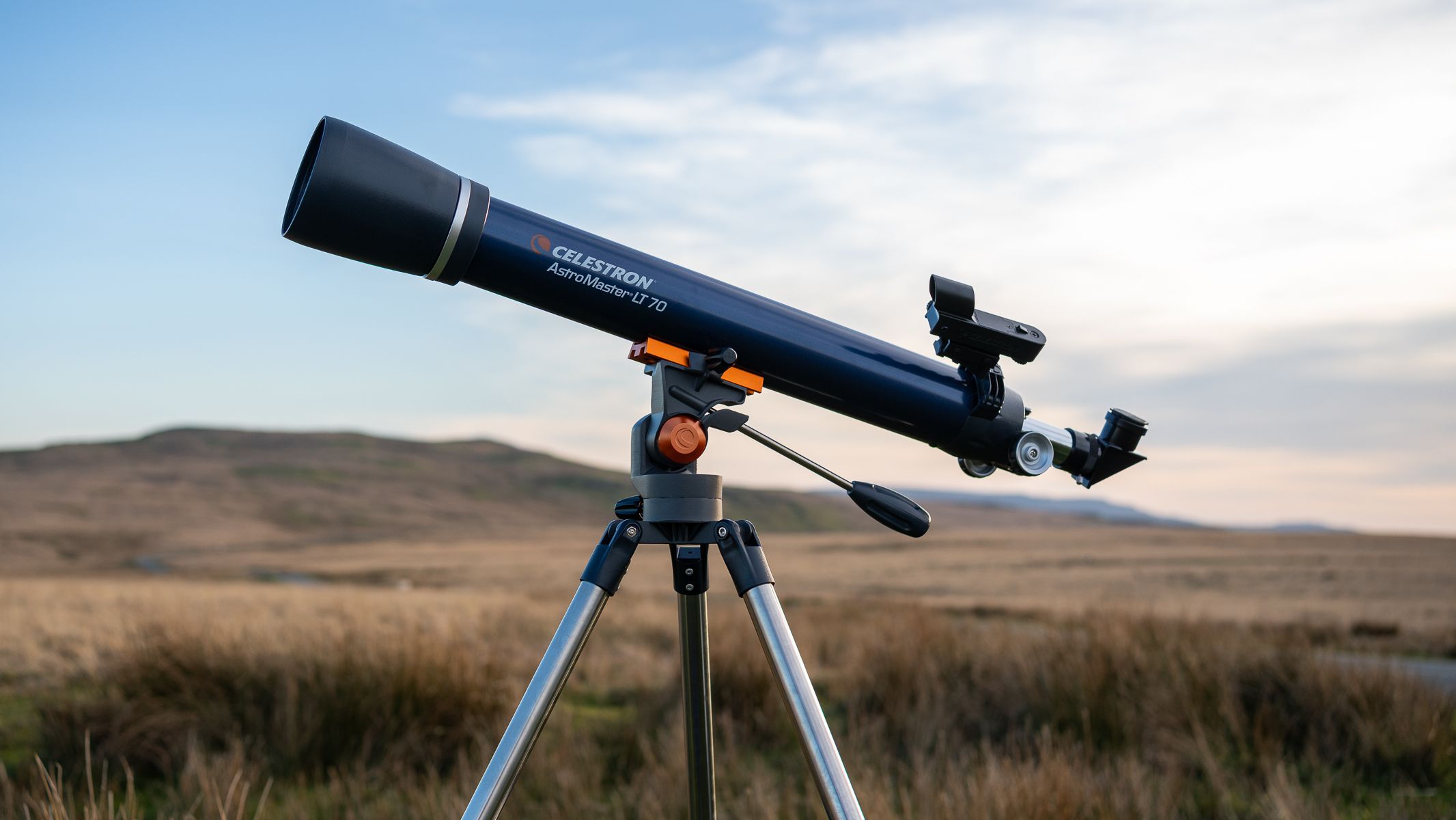


We recently conducted a group test of beginner telescopes from Celestron, including the AstroMaster 70AZ and the StarSense Explorer LT 70AZ. Optically, these telescopes are very similar, but the AstroMaster 70AZ has the edge when it comes to viewing planets clearly, thanks to its longer focal length.
Specifications
Optical design: Refractor
Aperture: 70mm (2.76 inches)
Focal length: 900mm
Highest useful magnification: 165x
Focal ratio: f/13
Included eyepieces: 10mm (90x), 20mm (45x)
Total kit weight: 10.8 lbs (4.9 kg)
Celestron AstroMaster LT 70AZ review
Celestron AstroMaster LT 70AZ Design
Image 1 of 5

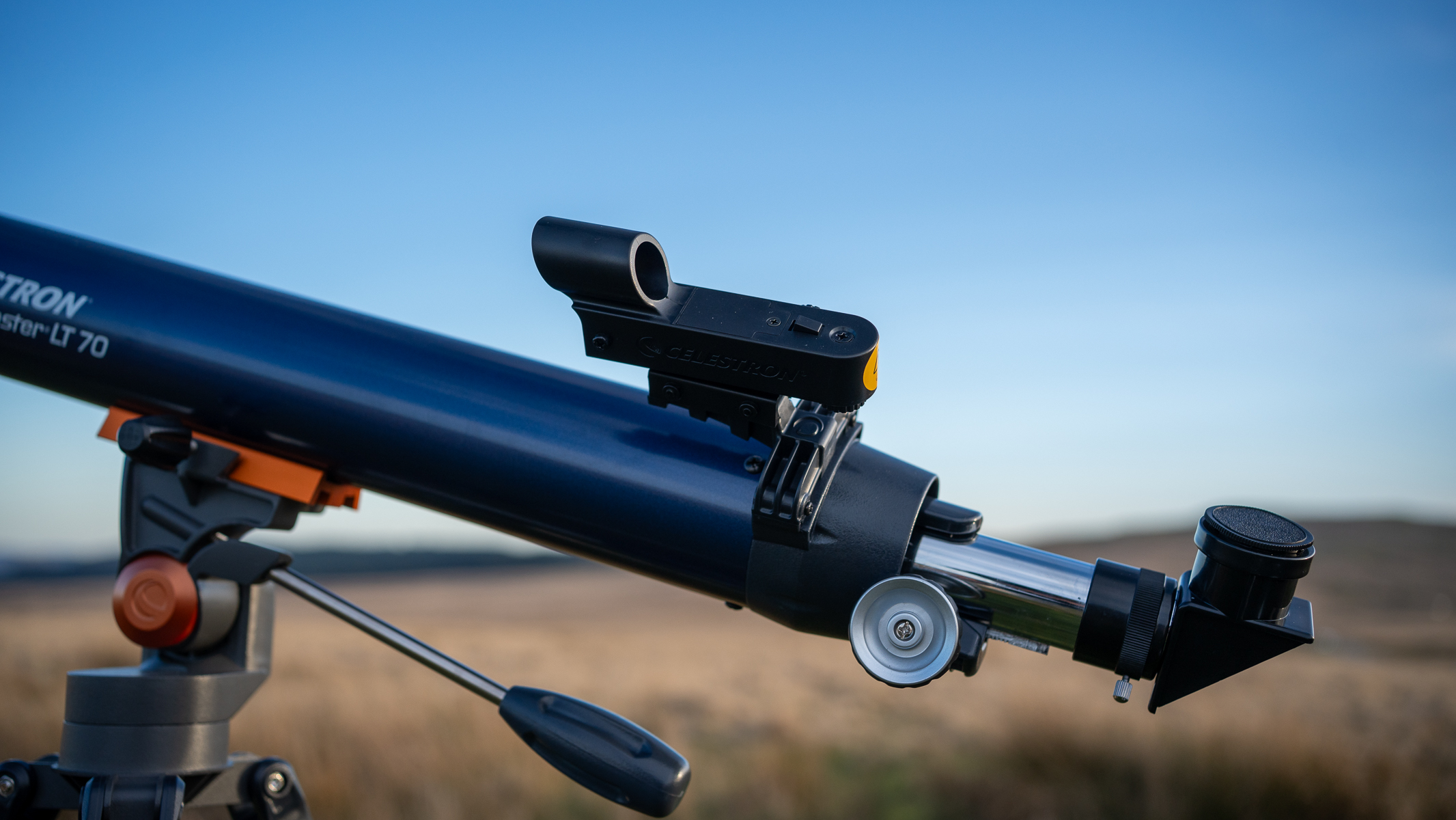
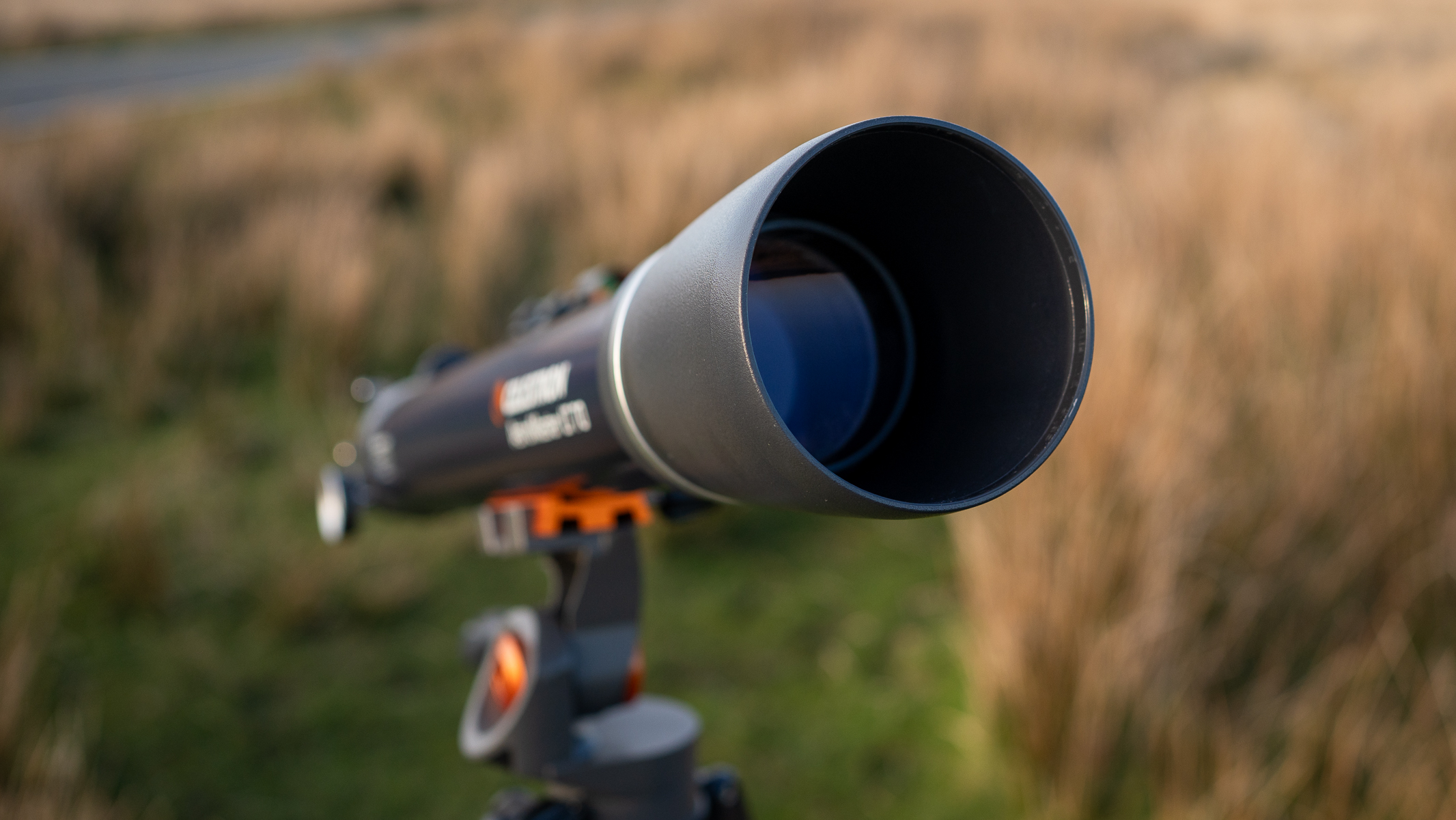
- Small and portable
- Easy to set up
- Build quality is acceptable for a beginner scope
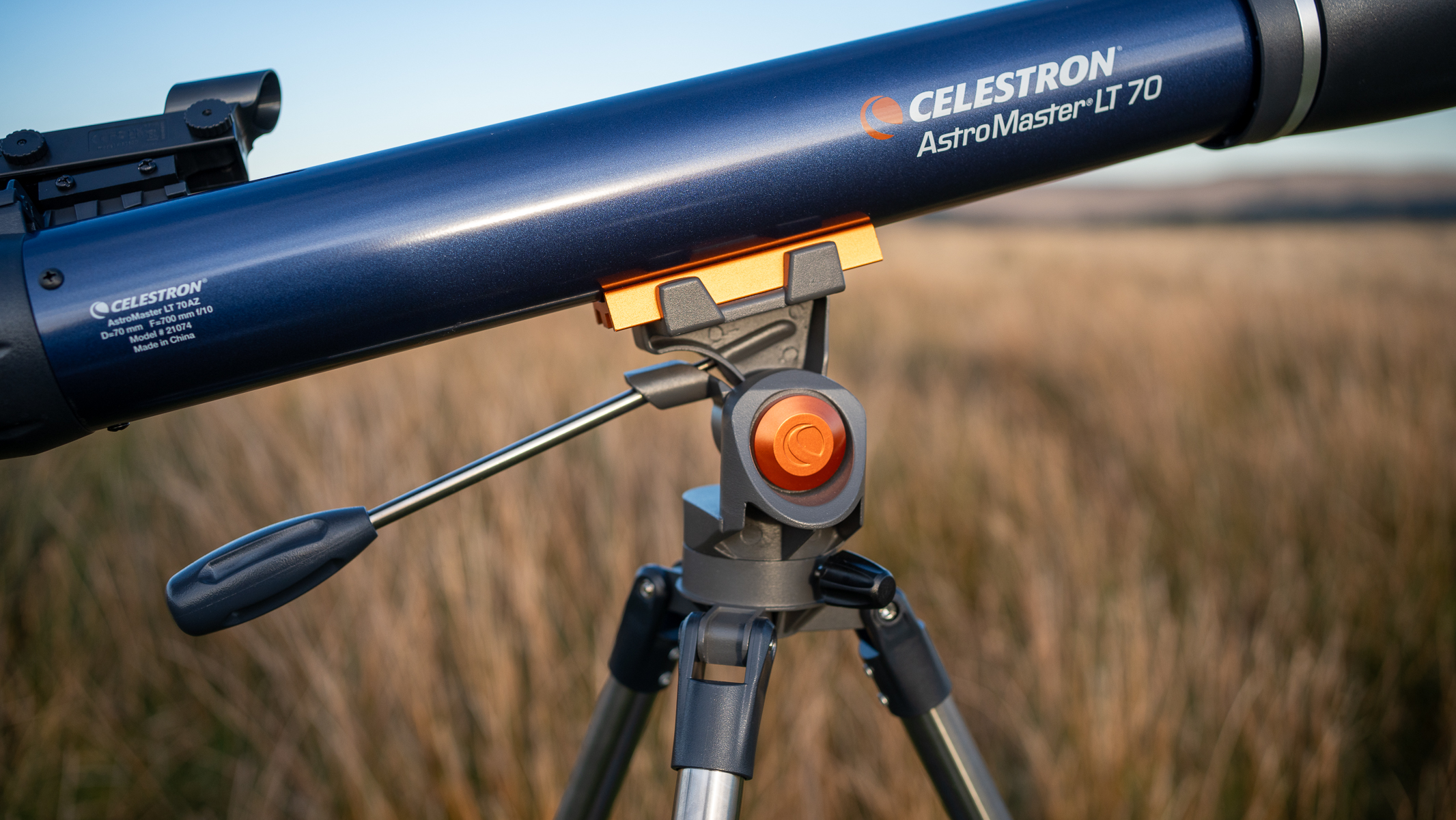
The Celestron AstroMaster 70AZ is clearly designed with beginners in mind, and that shows pretty much straight away. It’s lightweight, simple to set up and not intimidating if you’ve never used a telescope before. The alt-azimuth mount moves up, down, left and right using a single handle, which feels somewhat like you’re using a camera tripod rather than anything super technical. That alone makes a big difference if you’re just starting out, or buying for a child.
Set-up is quick and easy and doesn’t require any tools, so you can get it outside and start using it without much effort. The adjustable tripod helps, too, especially if it’s being shared between multiple people. It’s not the most solid thing in the world, though — there can be a bit of wobble when you’re focusing or moving the scope, which is fairly typical at this price. Overall, it’s a straightforward, no-frills design that keeps things simple rather than trying to do too much.
Celestron AstroMaster LT 70AZ: Performance
Image 1 of 2
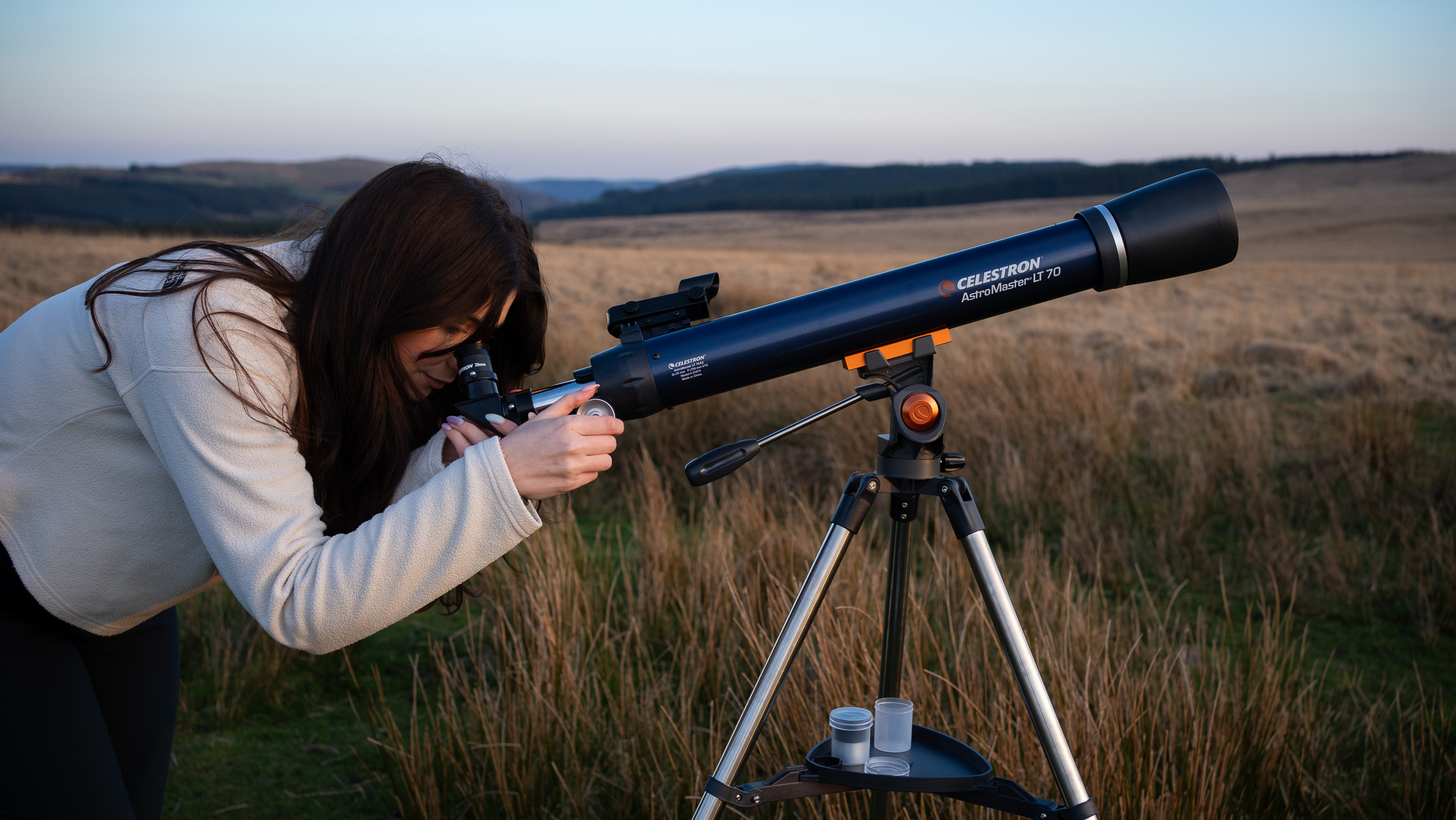
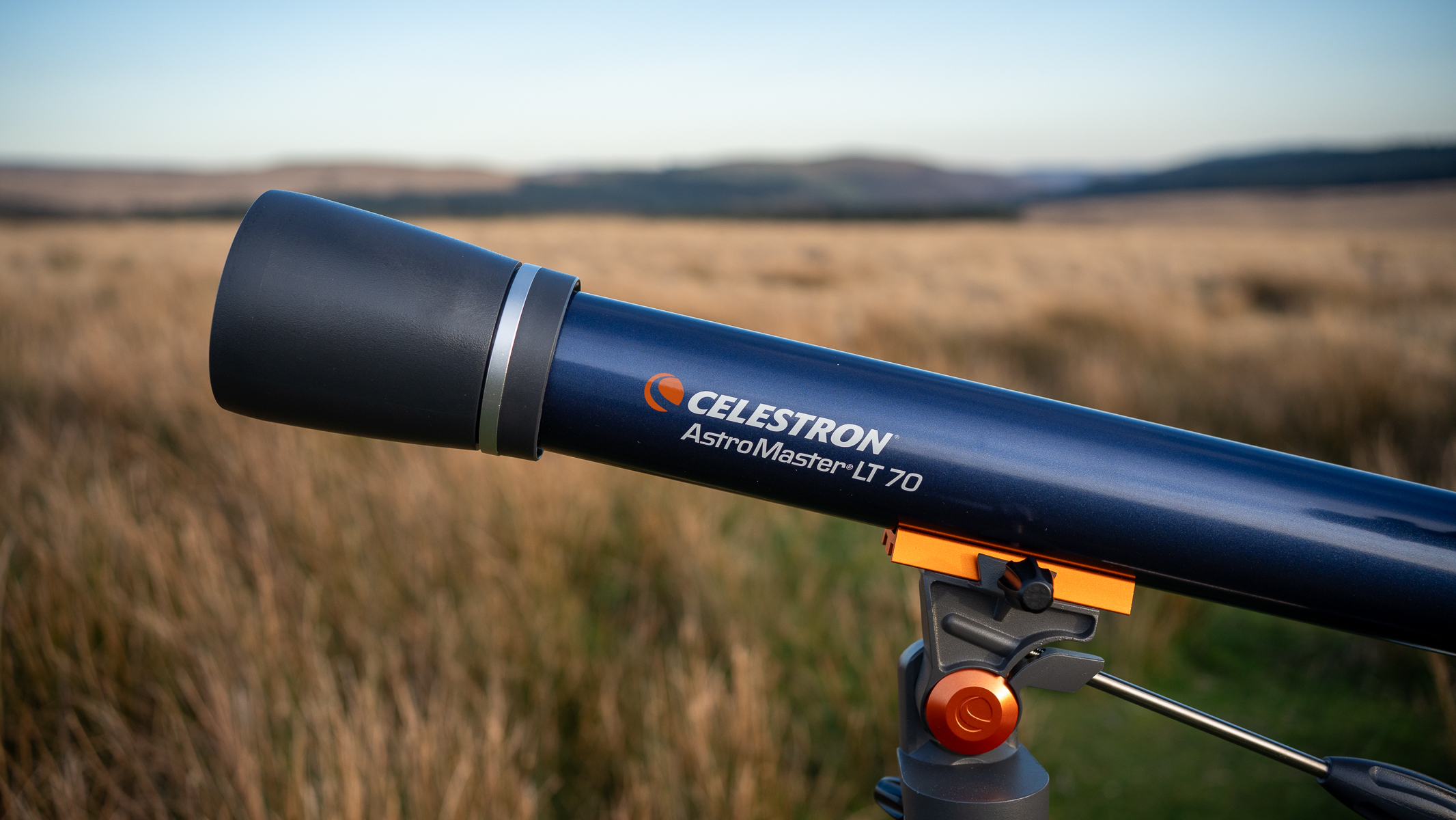
- The moon is the standout view
- Solid performance for viewing planets
- Not the most suitable for deep-sky objects
In terms of its performance, it’s very much what you’d expect from a 70mm refractor. It’s good at the basics, but you do start to notice its limits fairly quickly. The moon is easily the highlight — it snaps into focus nicely and you can spend a good amount of time exploring the surface without feeling limited.
Jupiter and Saturn are visible too: we saw Jupiter’s moons and the bands on the gas giant itself, although the image itself stays fairly small and you don’t get too much in the way of finer details.It’s only when you start to move beyond that, that the Celestron AstroMaster 70AZ starts to feel a bit restricted. Brighter targets like Orion or the Pleiades show up nicely, but they’re faint and underwhelming if you’re expecting those big, colorful views you see online.
The optics themselves are decent for the price — and reasonably sharp in the center — but pushing the magnification too far exposes the limits. The bigger issue is that the mount can wobble when focusing, which makes it harder to keep things steady at a higher zoom. We also noticed a bit of drooping when we pointed the telescope at Jupiter at high altitude. Overall, it does what a beginner would need it to — just without much headroom.
Celestron AstroMaster LT 70AZ: Functionality
Image 1 of 2
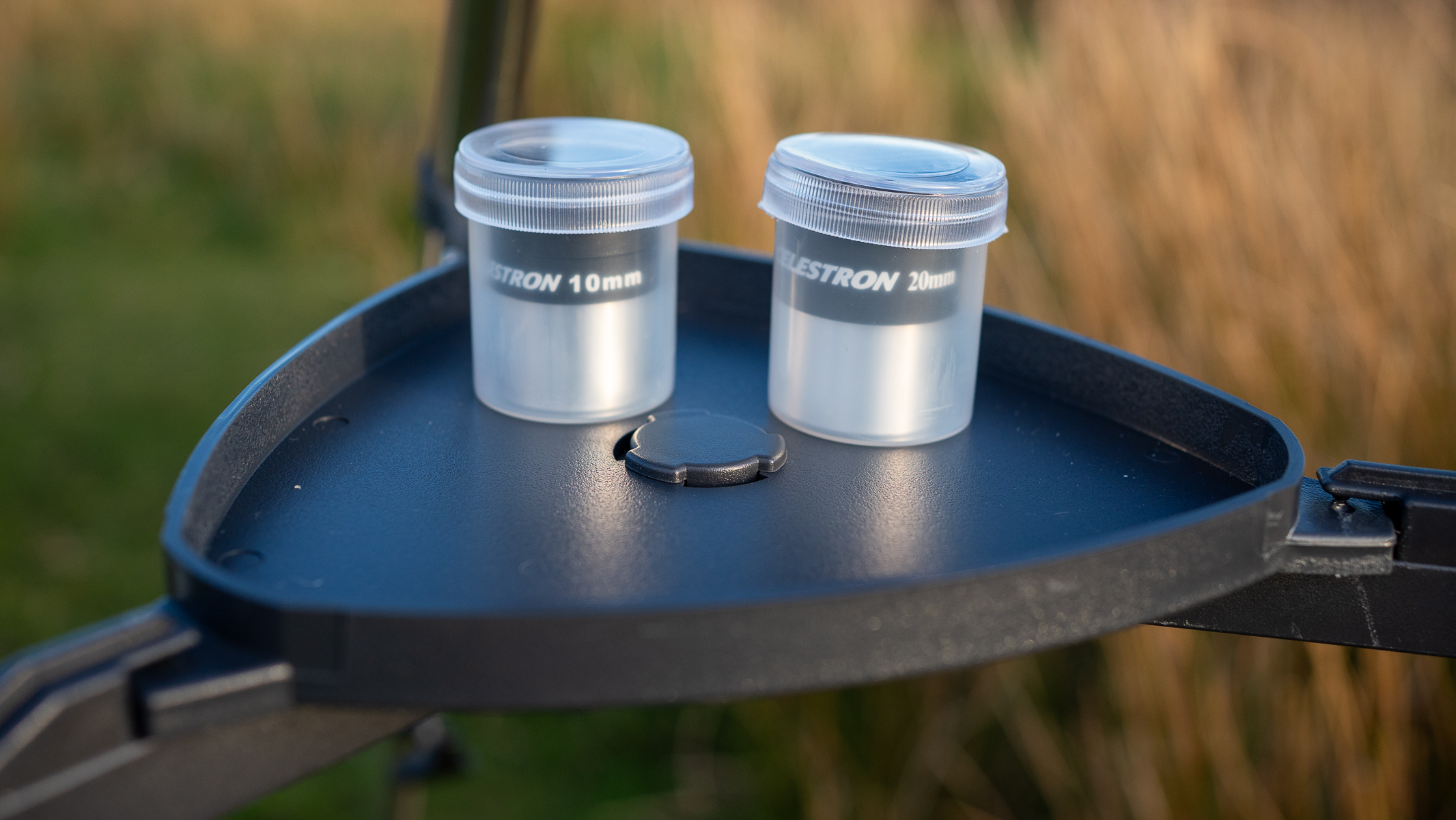
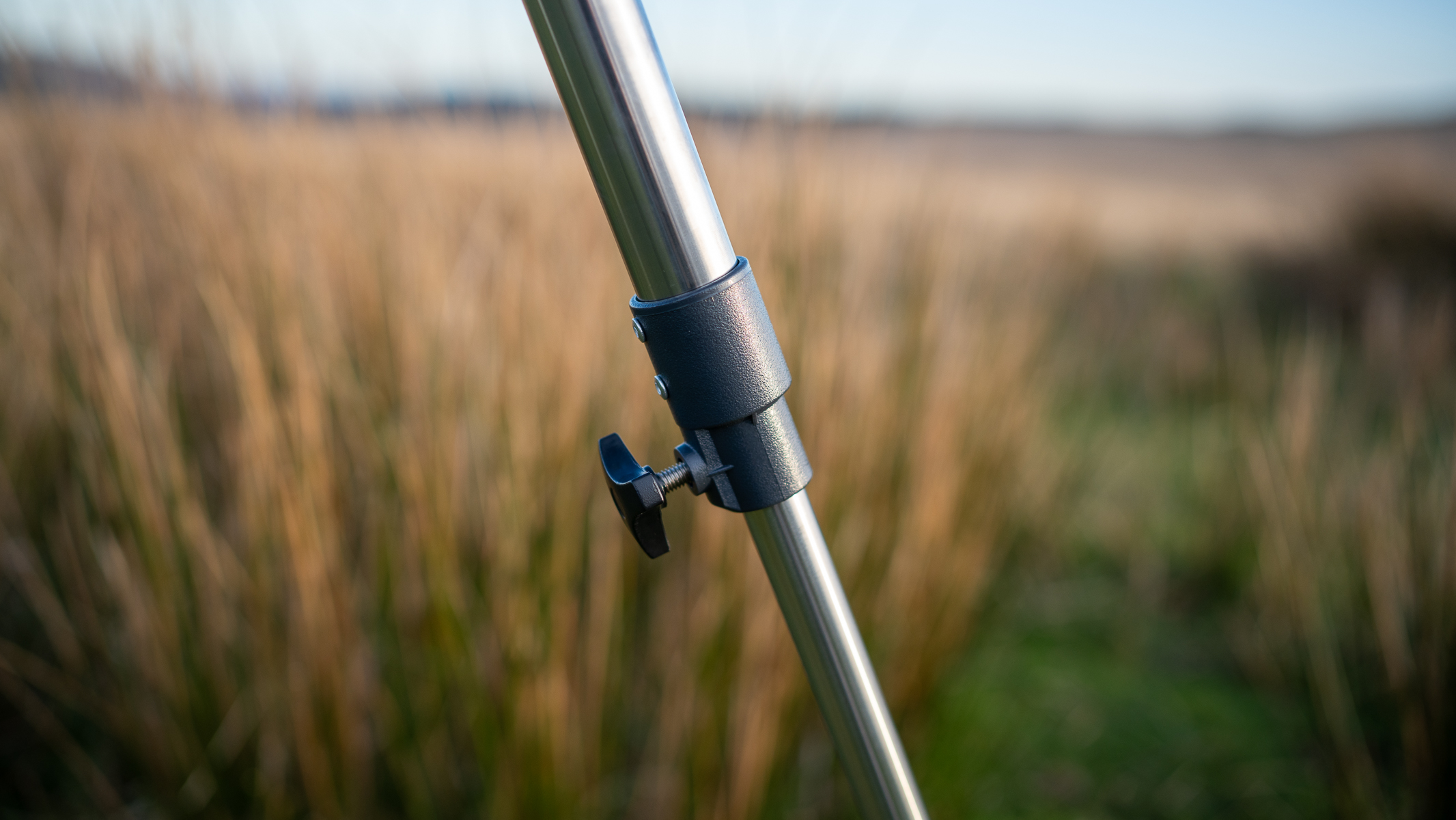
- No-frills telescope
- Everything is manual
- Mount can be fiddly
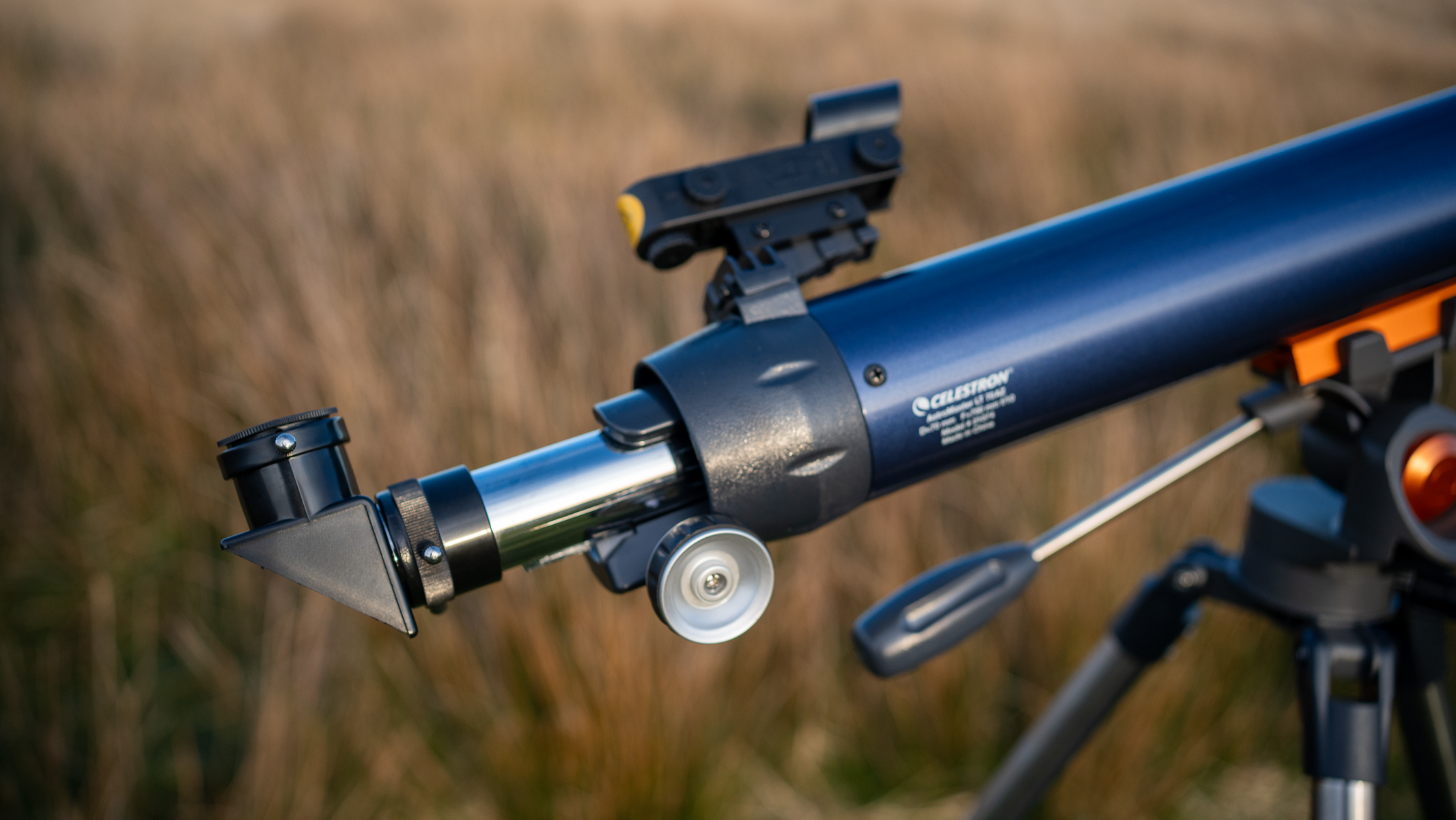
The AstroMaster 70AZ keeps things pretty simple, which is both a good and bad thing depending on what you expect. Everything is manual — there’s no tracking or electronics, and nothing guiding you to objects, so you’re fully in control of where the telescope is pointing. The upside of this is that it’s straightforward to understand. The downside is that finding things can take a bit of patience, especially if you’re new to the hobby.
The red dot finder helps, but it’s quite basic and you’ll need to spend a bit of time lining it up properly before it becomes useful. Once that’s sorted, it’s fine for aiming at the moon or bright objects, but less helpful when you’re trying to track down anything fainter.
The mount itself is easy to use, with a single handle for movement — but it’s not the smoothest. Small adjustments can sometimes feel a bit fiddly, particularly at higher magnifications where everything becomes more sensitive. There’s no slow motion control either, so keeping objects centered takes a bit of practice.
Should you buy the Celestron AstroMaster LT 70AZ?
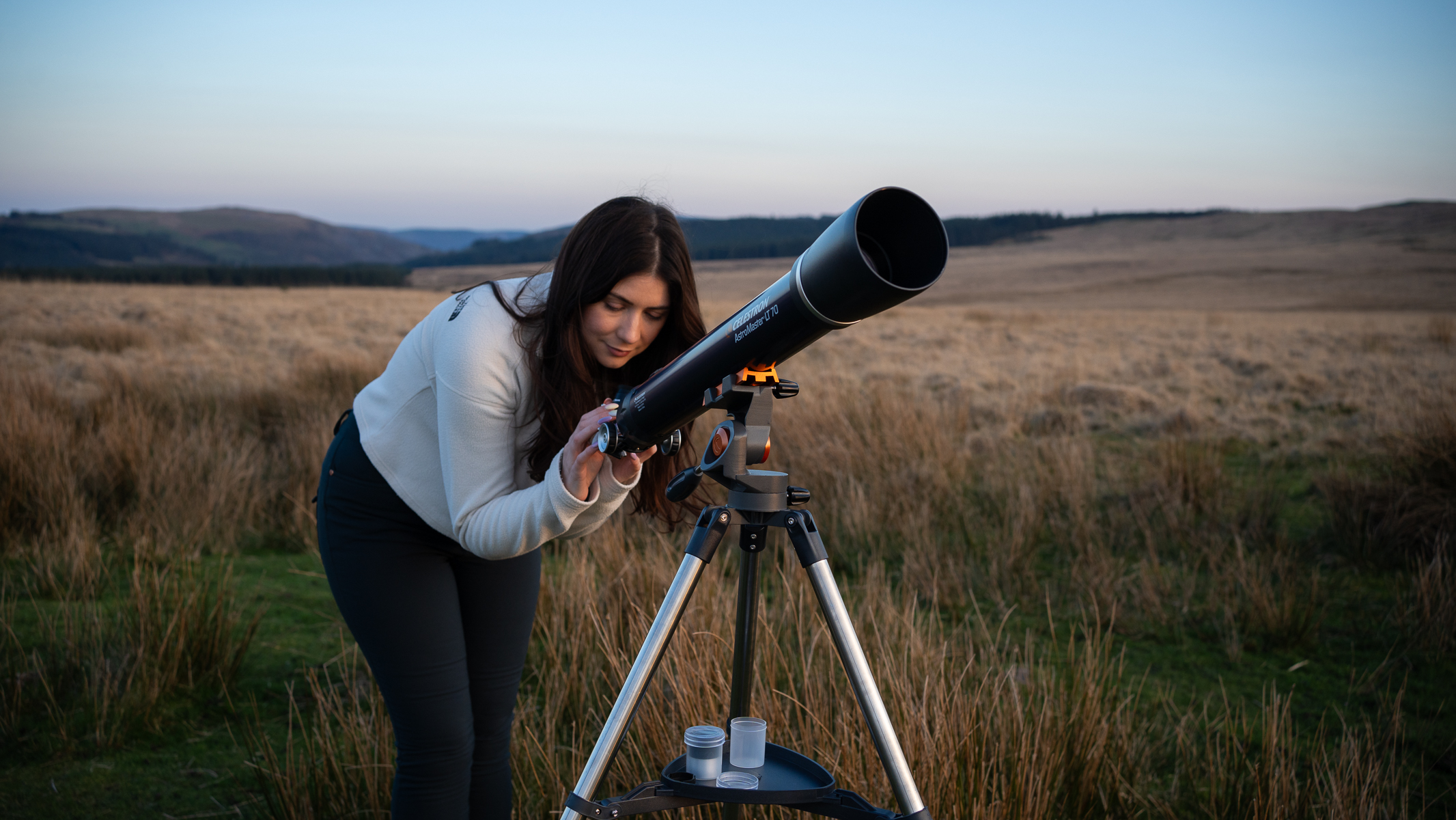
(Image credit: Kimberley Lane)
Buy it if:
✅ You want a lightweight telescope with minimal setup
✅ You mostly just want to see the moon and a few planets
Don’t buy it if:
❌ You want to observe deep-sky objects
❌ You want some sort of automation
The Celestron AstroMaster 70AZ is one of those telescopes that makes sense in certain situations, but it isn’t an obvious recommendation for everyone. It’s cheap, simple and genuinely capable of showing you the moon and planets without much fuss. For a beginner or teenager who just wants to try astronomy without spending too much, it does the job and doesn’t feel overly complicated. It’s all very no-frills — but that’s kind of the point. It gives you the basics without overcomplicating things, even if that means more effort on your part.
That said, it’s also easy to outgrow. The biggest issue isn’t the optics, but how manual everything is — finding objects can be frustrating, and the mount doesn’t always help. If you stick with it, you’ll learn a lot, but some users might find they lose patience.
If this product isn’t for you
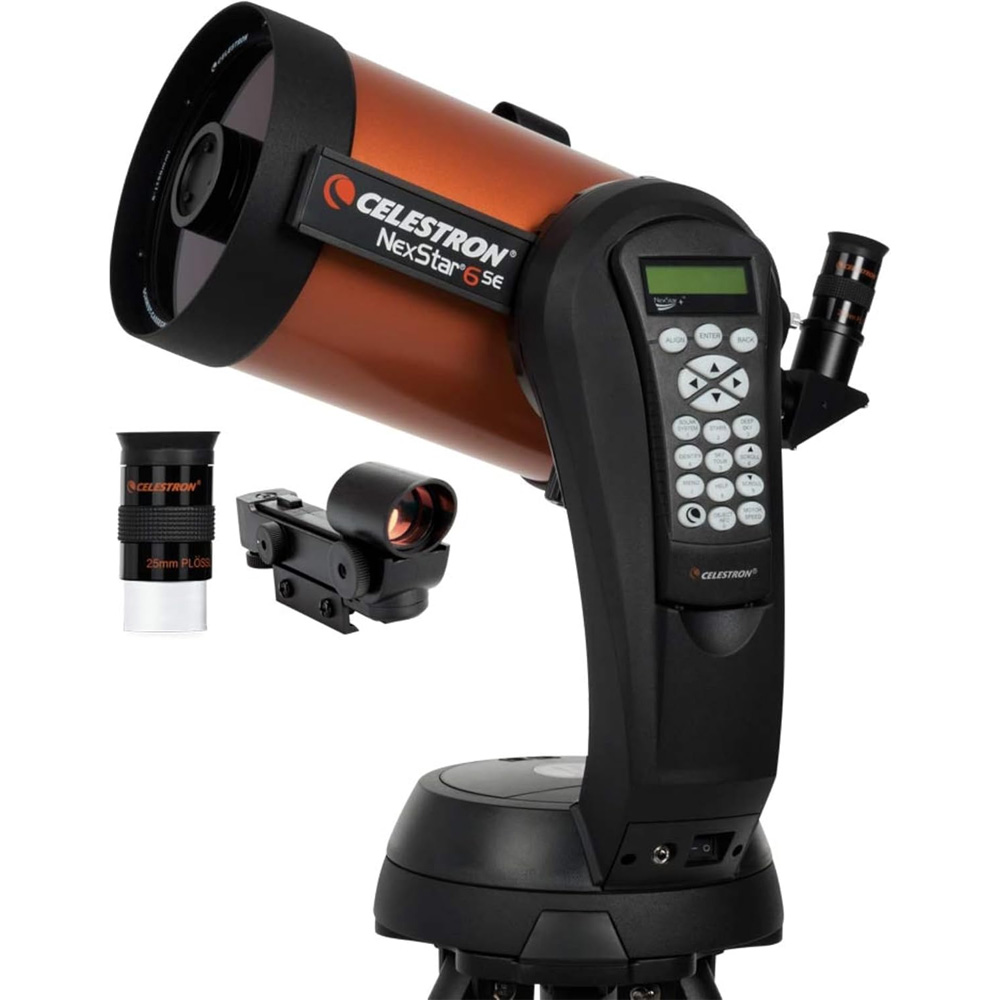

If you can afford to invest, this is one of the best beginner telescopes on the market. You can see a variety of different subjects, and the GoTo mount requires no prior astronomy knowledge.
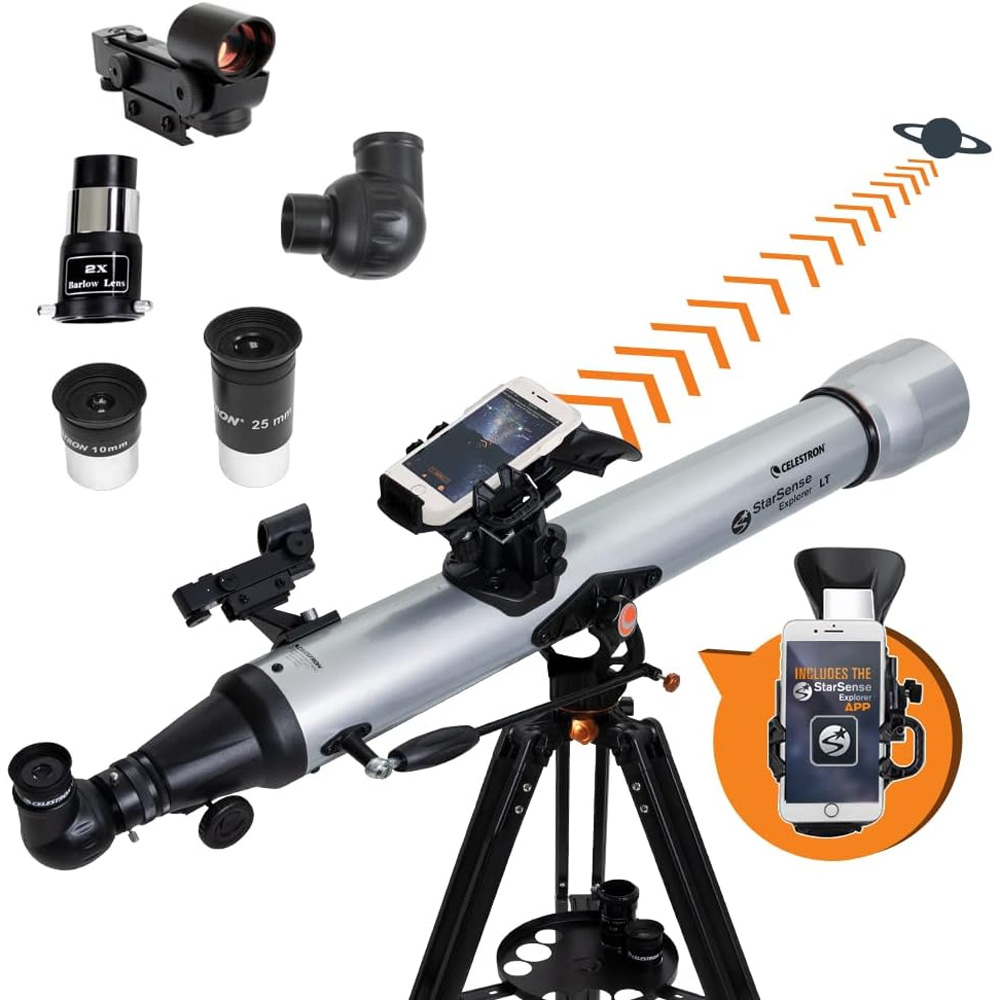
Celestron StarSense Explorer LT 70AZ
If you want an app to guide you around the night sky as opposed to finding things manually or shelling out for a GoTo, we thought the Celestron StarSense Explorer LT 70AZ was a fantastic little beginner scope.
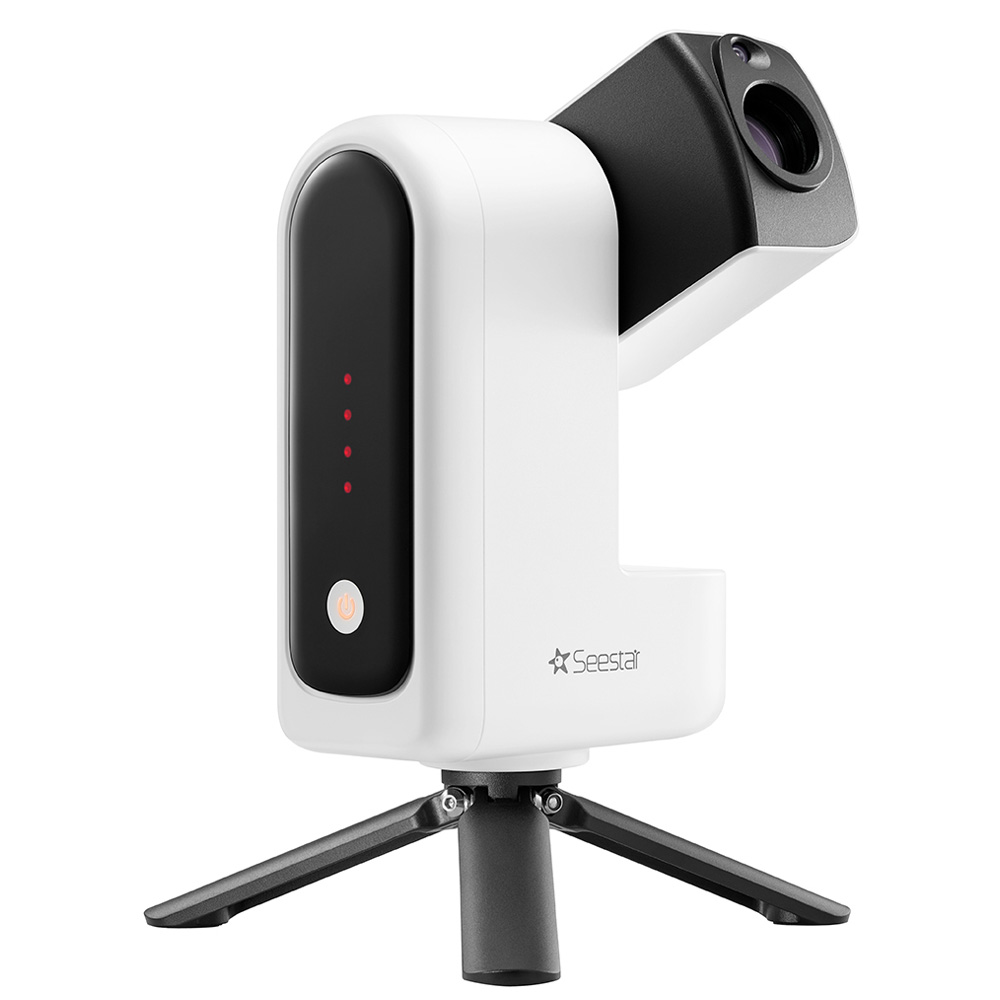
If you want something a bit more high-tech, the ZWO SeeStar S30 Pro is fantastic for deep-sky astro imaging — and it’s suitable for beginners and seasoned astronomers alike.