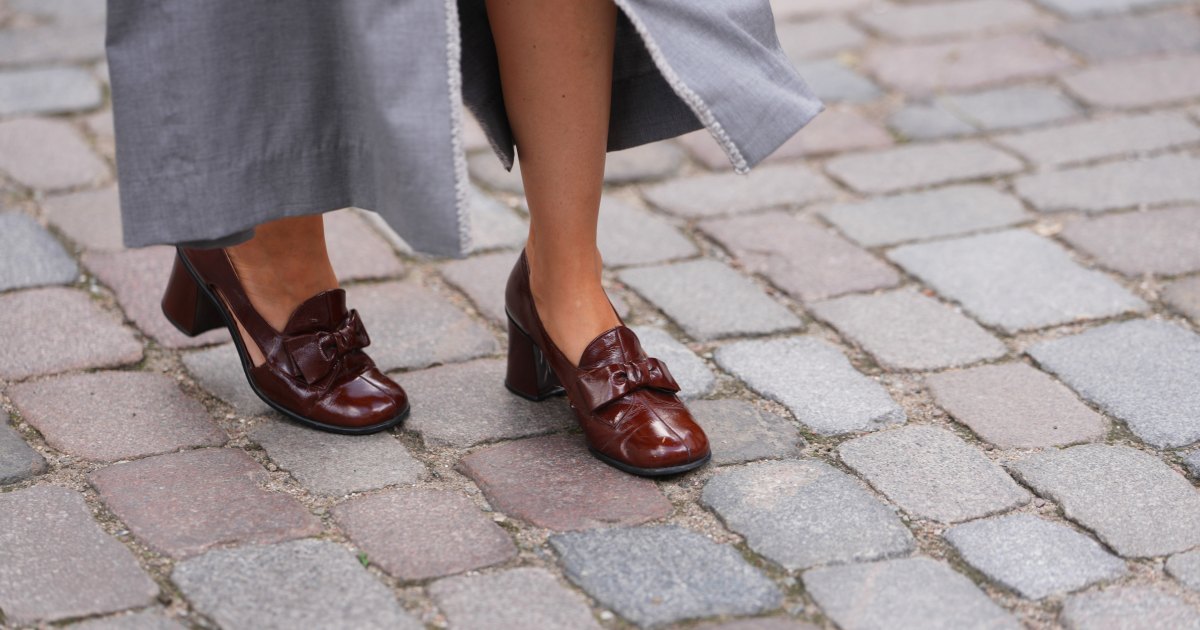







When the U.S. faces Paraguay in the World Cup in Los Angeles’ SoFi Stadium on June 12, the teams will play on a natural-grass surface that, a month earlier, was carefully stitched together atop an underlying artificial-turf field. This “hybrid turf” installation was part of a broader effort in advance of the World Cup to ensure the world’s best soccer teams played on predominantly natural-grass surfaces.
FIFA, the organization that oversees the World Cup, has prohibited the use of synthetic turf in World Cup games for years, mainly because of an increased risk of player injury, which has been well established. Synthetic turf is also notorious for causing nasty turf burns, as the material is a poor solar radiator and can reach up to 200 degrees Fahrenheit (93 degrees Celsius).
However, many people in the wider sports community worry that synthetic turf may pose more insidious harms, such as dangerous levels of exposure to heavy metals, cancer-causing chemicals and microplastics.
A hybrid turf field was installed at New York New Jersey Stadium in advance of the World Cup final being played here in July. FIFA has mandated that all World Cup games be played on a natural grass surface, though chemical exposure concerns did not play a large part in that decision.
(Image credit: CHARLY TRIBALLEAU via Getty Images)
A recent, 10-year-long study from California found no significant risks from the chemicals in artificial turf. But experts aren’t convinced the study has laid to rest concerns about artificial turf. Here’s why.
Wonder of the Space Age
In the 1960s, artificial turf was considered another wonder of the Space Age, which is reflected in the brand name AstroTurf.
“A vacuum and broom are the only necessary maintenance items,” one article noted after a 1966 Houston Astros-Los Angeles Dodgers game. The first-generation turf used on the field was a coarse nylon carpet, but in the 1970s, it was replaced with “2G” turf, which used a slightly less-abrasive polyethylene-fiber carpet surface and a cushioning layer of sand underneath.
The latest iteration, 3G, offers better traction and shock absorption, usually provided by ground-up used tires, which are treated with a variety of additives to prevent degradation and strengthen the rubber.
Get the world’s most fascinating discoveries delivered straight to your inbox.

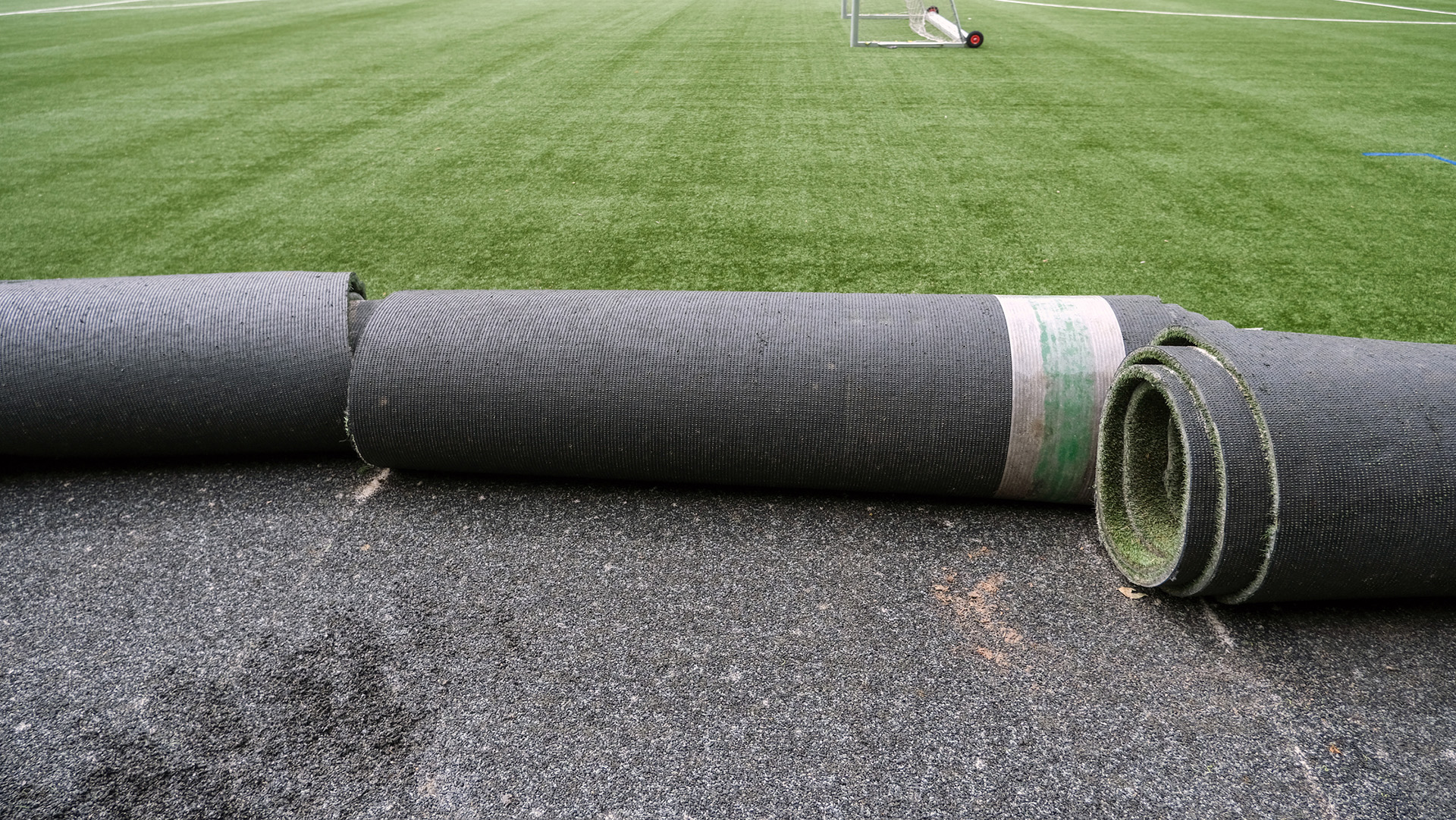
Rolls of artificial turf. Most turf now uses infill made up of ground up car tires. This infill is at the heart of the debate about turf’s safety.
(Image credit: Karl-Hendrik Tittel via Getty Images)
This infill is the crux of the issue: All those tire crumbs contain hundreds of chemicals and “created this exposure situation that had never existed previously,” Rachel Massey, an environmental health researcher at the University of Massachusetts Lowell Center for Sustainable Production, told Live Science.
More than 95% of the 18,000 to 19,000 turf fields in the U.S. now include tire-crumb infills. AstroTurf has remained a dominant player offering 3G products. (Live Science reached out to AstroTurf to discuss the company’s products but did not receive a response.)
Harmful chemicals?
Some researchers are concerned that turf contains nearly 400 chemicals that have been tied to various health risks, ranging from asthma to leukemia.
“None of those [risk assessment] studies dispute the fact” that those chemicals are present, Massey said. “So then all the debate is about exactly how much exposure there is.”
To assess whether that exposure reached harmful levels, the California Office of Environmental Health Hazard Assessment (OEHHA), part of the California Environmental Protection Agency, undertook a study of the health impacts of chemical exposure due to synthetic turf.
“We identified as many chemicals as we could in the crumb rubber by doing non-targeted sampling and assessed as many chemicals as we could,” said Amy Gilson, a spokesperson for the OEHHA.
They attempted to measure exposure to metals commonly found in turf infill, including lead, cadmium, manganese and zinc, with zinc being most frequently detected at concerning levels above U.S. regulatory guidelines. Although zinc is essential to the body, it can be harmful at high levels, with the potential to cause anemia, damage the pancreas, and reduce fertility.
They also looked at carbon black, a reinforcing tire filler material that has been shown to kill human cells in lab dishes; benzene, which has been linked to several types of leukemia; toluene, which is toxic to the nervous system, liver and kidneys; and polycyclic aromatic hydrocarbons, compounds that are most commonly found in tobacco and wood smoke and have been tied to cancer in animal studies.

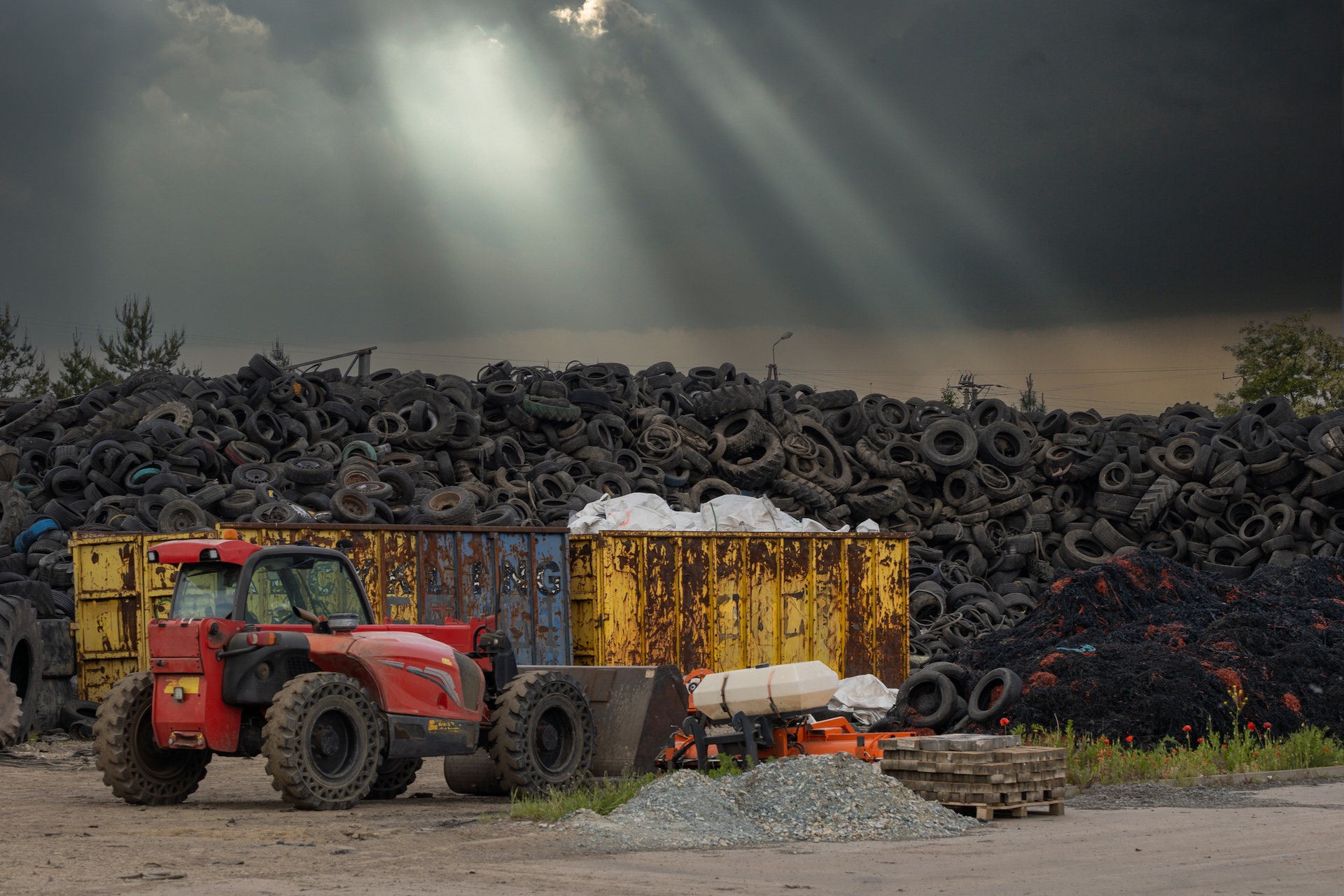
A recent California study looked at exposure levels for myriad chemicals found in the infill used for artificial turf fields. Most of this infill is made from used car tires.
(Image credit: Maxshot/Getty Images)
Another potential concern emerged last year, when 1,3-dimethylbutylamine (1,3-DMBA), a stimulant banned by the World Anti-Doping Agency, was detected in post-match samples submitted by eight Norwegian female professional league soccer players from opposing teams. The artificial turf was found to be the source of the banned substance. With tire wear, 6PPD — a substance often added to tires to limit ozone-depleting emissions — can degrade into 1,3-DMBA, which was detected on the turf where the game was played.
The California EPA report also looked into the presence of microplastics in turf.
In 2023, the European Union announced a ban on the sale of products containing intentionally added microplastics, effective starting in 2031. Specifically, it named the granular infill within artificial turf as “the largest source of intentional microplastics in the environment.” The U.S. does not have similar legislation.
Microplastics might harm human health by accumulating in various parts of the body through ingestion, skin contact or inhalation.
Early research in human cells in lab dishes hints that microplastics could damage the lining of blood vessels and promote the formation of atherosclerotic plaques and blood clots. Other studies have proposed potential links between microplastic exposure and asthma and inflammatory bowel disease. However, there is a lot of uncertainty about how microplastic exposure is measured and whether this exposure causes diseases or is simply a proxy for some other factor that causes these conditions.
“Negligible” long-term harm
The California EPA focused on chemicals in tire infill that could potentially cause harm at high doses. Then, it estimated the levels of exposure in players, referees and spectators through having direct contact with, breathing in, or inadvertently swallowing tire crumbs. First, they estimated exposure indirectly, by observing people.
“We actually had teams of people going out and videotaping players on the field,” Gilson said.
The research team also collected samples of artificial turf and then put them in lab dishes with synthetic bodily fluids such as sweat, saliva and small intestine fluid and then measured the concentrations of dozens of potentially harmful chemicals within those fluids. To be more conservative, they assumed every chemical detected in their experiments would have been completely taken up by human cells, Jocelyn Claude, a toxicologist at the OEHHA who worked on the study, told Live Science.
The study found “no acute risks,” meaning short exposure to this substance is unlikely to cause immediate harm, she said, and the risks of longer-term health effects, such as cancer or reproductive harm, “were negligible.”
But some experts said the study methodology was flawed. Andrew Watterson, a professor emeritus of public health at the University of Stirling in the U.K., said the study should have taken urine or expelled-air samples directly from real people exposed to artificial turf, instead of estimating exposure in synthetic body fluids.
Wrong approach to risk assessment
For Massey and several environmental researchers Live Science spoke to, the bigger problem is that the underlying approach used by the California study — and most other environmental assessments done in the U.S. — is flawed.
Instead of asking whether an average person is at risk, society should aim to reduce exposure across the population, which also protects people at higher risk. Instead of asking, “Is this risk acceptable?” the latter approach asks, “How can we create the healthiest, safest playing surface for a child?” Massey said.
The California report included referees and spectators in addition to players, but it may have missed other at-risk groups, such as people exposed to chemicals that have leached into the water supply from synthetic turf, said Tracy Stewart, a Medway, Massachusetts resident who advocates against the use of artificial turf.
Another byproduct of 6PPD, the chemical tied to doping, has been shown to cause mass die-offs of coho salmon. So when dead salmon started turning up near an artificial turf field in Vancouver where scientists had detected 6PPD-Q and a range of other chemicals in the stormwater runoff, the community was worried.
The California study estimated 6PPD-Q exposure levels in synthetic bodily fluids, but it did not model how groundwater would be affected. And without well-established safe limits for this chemical, the California study couldn’t make assessments of the risk it poses.
Beyond 3G turf
The attraction of synthetic turf is all about “increased hours of use,” said Garnet Brownbill, a spokesperson for the Natural Turf Alliance, a nonprofit that advocates for alternatives to synthetic turf across Australia. “It’s not impacted by the weather, it never closes, and people claim it’s maintenance-free — it’s not, by the way,” he told Live Science.
However, in response to the looming EU ban on microplastics in infill, many scientists are working on alternatives that can provide that same advantage.

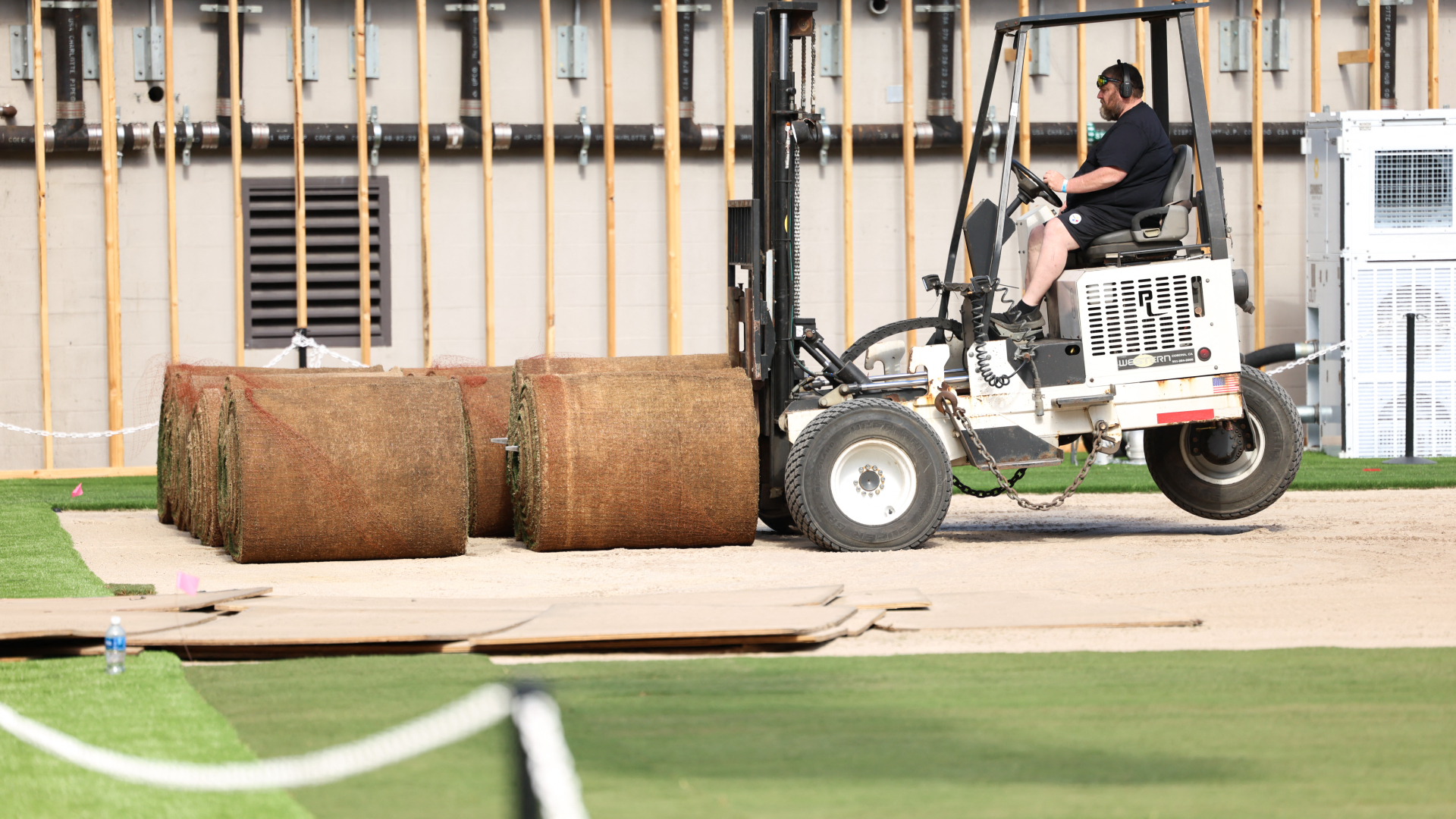
The turf being installed at the New York New Jersey Stadium. Such hybrid turf is composed of 99.5% grass and 0.5% stitching material.
(Image credit: CHARLY TRIBALLEAU via Getty Images)
One material in development is hybrid turf, whose surface is “99.5% natural grass,” with an additional 0.5% stitching material composed of either plastic or a biodegradable polymer, said Aaron Golembiewski, head of business development at Turftalents, a company that consulted for FIFA on the installation of hybrid turf at several U.S. stadiums. Hybrid turf is “stronger than if it’s grass alone,” Golembiewski told Live Science. “It increases [the] quantity of play.”
It’s also smoother than ordinary grass, which has naturally occurring bumps and divots. He noted that hybrid turf is cheaper to install from scratch than synthetic turf and lasts a few years longer, although it needs more maintenance.
Grass fields may be sufficient for many communities. While some stakeholders figure out how to maintain grass more sustainably, other scientists are working to improve the grass itself. “If the same amount of engineering went into natural grass, there’s all of this stuff that we can do,” Brownbill said. Not all grass is the same.
“There are high-heat-resilient grasses; there are shade-resilient grasses; there are high-wear grasses,” Brownbill said. “[Municipalities] are basically using 100-year-old technology … the same grass cultivars that existed 100 years ago.”
Editor’s Note: This article was produced as part of the Dalla Lana Fellowship in Journalism and Health Impact program at the University of Toronto.
How much do you know about the greatest athletic feats of all time? Find out with our sports record quiz!