


Follow us
Add us as a preferred source on Google
Subscribe to our newsletter
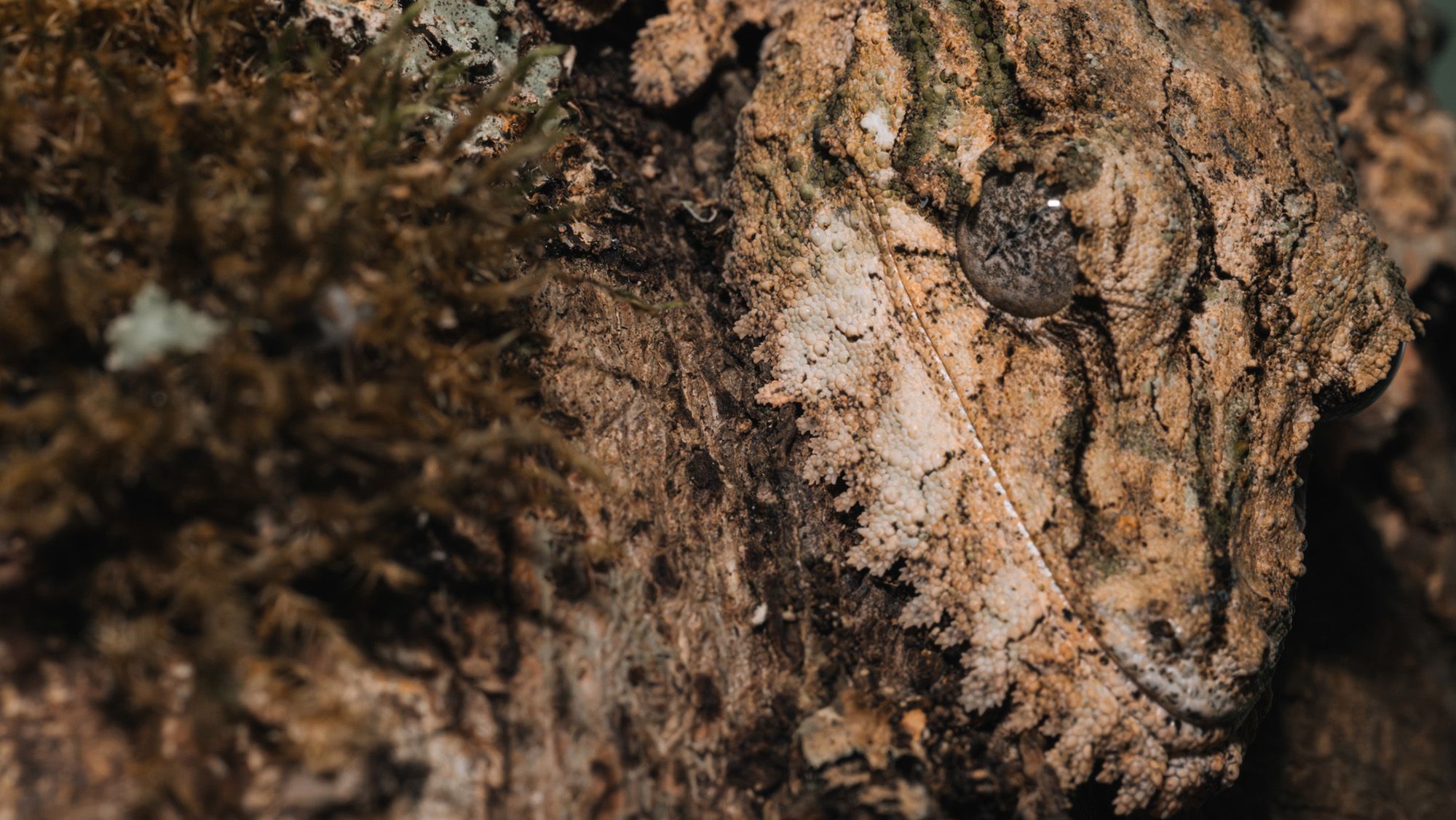
Most trickery in nature happens without a shred of awareness behind it. An orchid mantis (Hymenopus coronatus) doesn’t know it looks like a flower, and a moth with eyespots on its wings has no concept of the predator it’s startling. These are adaptations shaped by natural selection over countless generations, not conscious choices. But a smaller set of animal behaviors look like something else entirely — deliberate tactical, and aimed at manipulating another individual’s beliefs, the same way human lies do.
Figuring out which is which turns out to be one of the trickiest questions in animal behavior research, James O’Hanlon, zoologist and science communicator, told Live Science.
In this excerpt from his new book, “Liars, Cheats and Copycats: Trickery and Deception in Nature” (Columbia University Press, 2026), O’Hanlon explores camouflage, mimicry and misdirection throughout the natural world, building toward the book’s central question: Can animals tell lies?
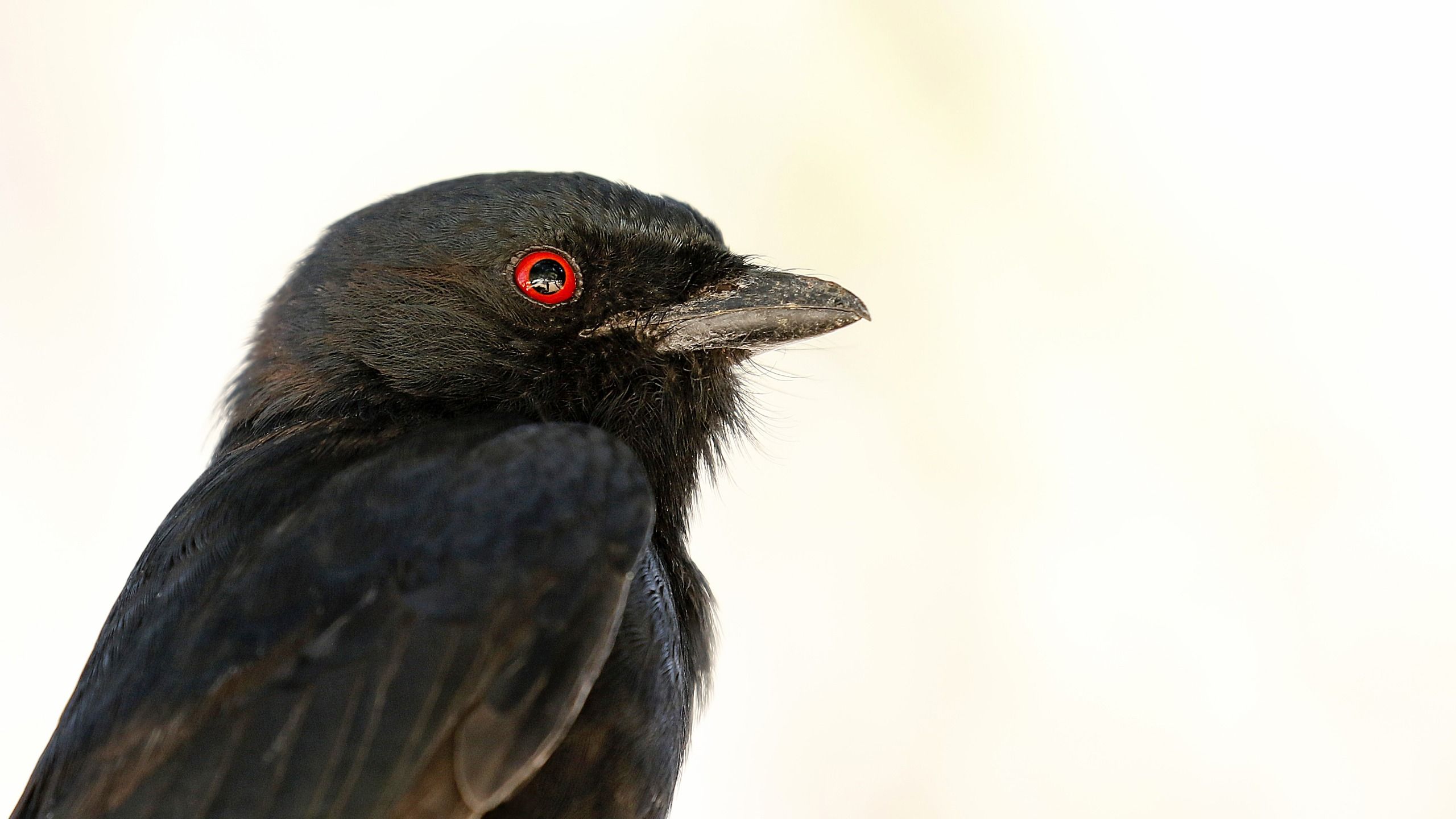
In it, O’Hanlon examines one of the strongest candidates for an animal that deliberately lies: the fork-tailed drongo (Dicrurus adsimilis), a small African bird whose ever-changing repertoire of false alarm calls has made it a favorite subject for scientists studying tactical deception.
James O’Hanlon interview: ‘You start painting pictures of squirrels twirling their mustaches’: A biologist on whether animals can lie
Live Science Pro
This is a Live Science Pro article that we’re publishing for free to all our readers. If you’d like more exclusive book excerpts, as well as news analysis, scientist interviews and in-depth features, please consider subscribing.
Fork-tailed drongos are remarkable vocal mimics and can do an uncanny impression of a meerkat alarm call. The meerkats respond to it just as they would one of their own and scamper to safety. Meanwhile the drongo flies in once more to steal the meerkats’ abandoned food.
They don’t stop there; drongos mimic a whole range of other animals’ signals, mimicking various avian neighbors like the caped glossy starling or the pied babbler. Those ever-watchful meerkats fall for the ruse once more, leaving their meals behind. Researchers have identified over fifty unique deceptive vocalizations in the drongo’s arsenal.
Get the world’s most fascinating discoveries delivered straight to your inbox.
By constantly rotating their “cry-wolf” tactics, these birds ensure their victims don’t grow wise to the deception, allowing the theft to continue unabated. Yet, their cleverness isn’t reserved solely for exploited meerkats.
This remarkable talent for mimicry extends to other creatures as well. Pied babblers and sociable weavers, who both forage in groups upon the earth, frequently find themselves bamboozled into fleeing their food by these false warnings. Had the legendary boy who cried wolf possessed such adaptive ingenuity, he might have successfully maintained his trickery.
It would, however, have resulted in a peculiar fable with an entirely different, perhaps darker, moral lesson.
It’s early days in our understanding of whether animals can tell lies. Social group-living animals are likely candidates for finding animal tricksters in the wild, and we have only scratched the surface of what kinds of trickery goes on in these societies. Time will tell whether similar forms of deception are happening in the subsonic songs of whales and dolphins, the chemical mists of ants and termites, or the barks and howls of wild dogs.
Meerkats are tricked by fork-tailed drongos mimicking the alarm calls, so the birds can swoop in and steal their food.
(Image credit: photo by yasa/Getty Images)
Despite the growing list of evidence, scientists are still hesitant to conclude definitively that animals can intentionally deceive another, in a similar way to humans. This might have more to do with the professional conduct of scientists than it has to do with the reality of what goes on in animal societies.
Firstly, one of the most important rules in studying animal behaviour is to not anthropomorphise animals. In other words, don’t project human-like qualities or emotions onto other species. Scientists must be completely objective and not assume that other animals think, behave or make decisions for the same reasons we do.
Exclusive to Live Science Pro
Since lying has always been perceived as a human behaviour, scientists are incredibly hesitant to conclude that it could be happening in other animals.
The second reason is that scientists are trained to never definitively conclude anything. There is an idea in science that you can disprove things, but never really prove things. This is why you will find scientific writing littered with phrases like “the evidence suggests,” “it’s probable that,” or — my personal favourite — “the most parsimonious explanation is,” and so on and so forth.
A professional scientist will often give a direct “No” answer but rarely a direct “Yes.” It’s like squeezing blood from a stone. But this is a good thing. What often sounds like indecisiveness or a lack of certainty is actually just good professional practice. It’s part of a scientist’s job description — to consider all possible explanations for the observations they have made and examine every possibility on its own merits.
Then the conclusions that are drawn come down to which of these possibilities is most likely. In a universe of infinite possibilities and scales of enquiry, it would take an impossible amount of overwhelming data for scientists to exclude all possibilities but one.
This article is adapted from Liars, Cheats, and Copycats: Trickery and Deception in Nature by James O’Hanlon . Copyright © James O’Hanlon 2027, 2025 First published in Australia by NewSouth, an imprint of UNSW Press Ltd. Used by arrangement with Columbia University Press. All rights reserved.
Help us improve Live Science Pro: We’re always trying to make our content better. Leave us feedback about Pro here.

Oneworld Publications
Liars, Cheats, and Copycats: Trickery and Deception in Nature
To understand how these creatures swindle their way to survival, Liars, Cheats, and Copycats reveals the science behind camouflage, mimicry, and masquerade. Taking readers on a journey from tropical rainforests to the darkness of deep ocean trenches, James O’Hanlon explores how animals and plants use deception to avoid predators, lure in prey, and even reproduce.