




There is a troubling contradiction at the heart of the global transition to a cleaner, greener, tech-driven future: Modern technologies — everything from AI to wind turbines, as well as cellphones, electric vehicles and defense systems — depend on critical minerals. But many of the communities where those minerals are mined end up with polluted water and poorer health because of the mining.
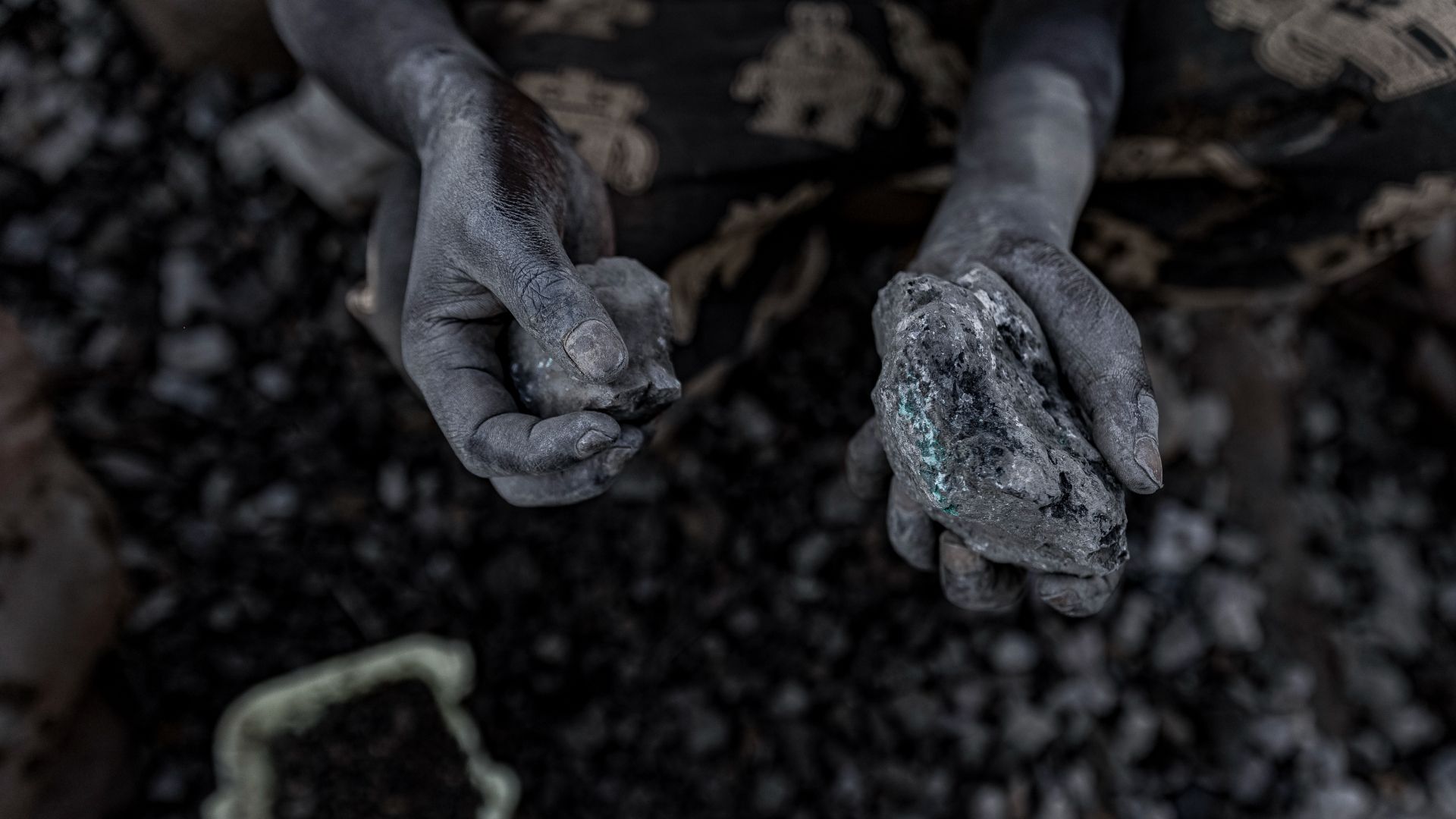
Lithium powers batteries. Cobalt stabilizes them. Copper carries electricity. Rare earth elements make wind turbines and digital devices efficient and durable. Each of these are essential to the technologies of the fourth industrial revolution, but they are also toxic and require enormous amounts of water to extract.
Watch On
One of us is from the Middle East, a region still suffering from the long-term consequences of supplying the fuel consumed for the remarkable economic developments of the 20th century. And one of us comes from Africa, the continent that is now serving as a major supplier of the critical minerals that fuel technological advancements in the 21st century.
Based on our experiences and our research, we believe that if there aren’t major changes in how countries, corporations and communities manage critical minerals, humanity risks reproducing the injustices of the oil extraction era, this time with the technological advancements meant to address the problems fossil fuels created.
Mining contributes to growing water bankruptcy
One of the most significant impacts of critical minerals extraction is its effect on water.
In 2024 alone, global lithium production required an estimated 456 billion liters of water. That is equivalent to the annual domestic water needs of roughly 62 million people in sub‑Saharan Africa. At the same time, much of the world is facing water bankruptcy, meaning people and industries are using more fresh water than nature can replenish, leading to irrecoverable ecosystem damages.
In arid regions such as Chile’s Salar de Atacama, mining activities account for up to 65% of total regional water use, competing with agriculture and ecosystems. Groundwater levels have dropped, salt lagoons have shrunk, and freshwater aquifers are increasingly at risk of being depleted and contaminated.
Water pollution compounds problems like this. Mining generates large quantities of toxic waste and wastewater containing heavy metals, acids and radioactive residues.
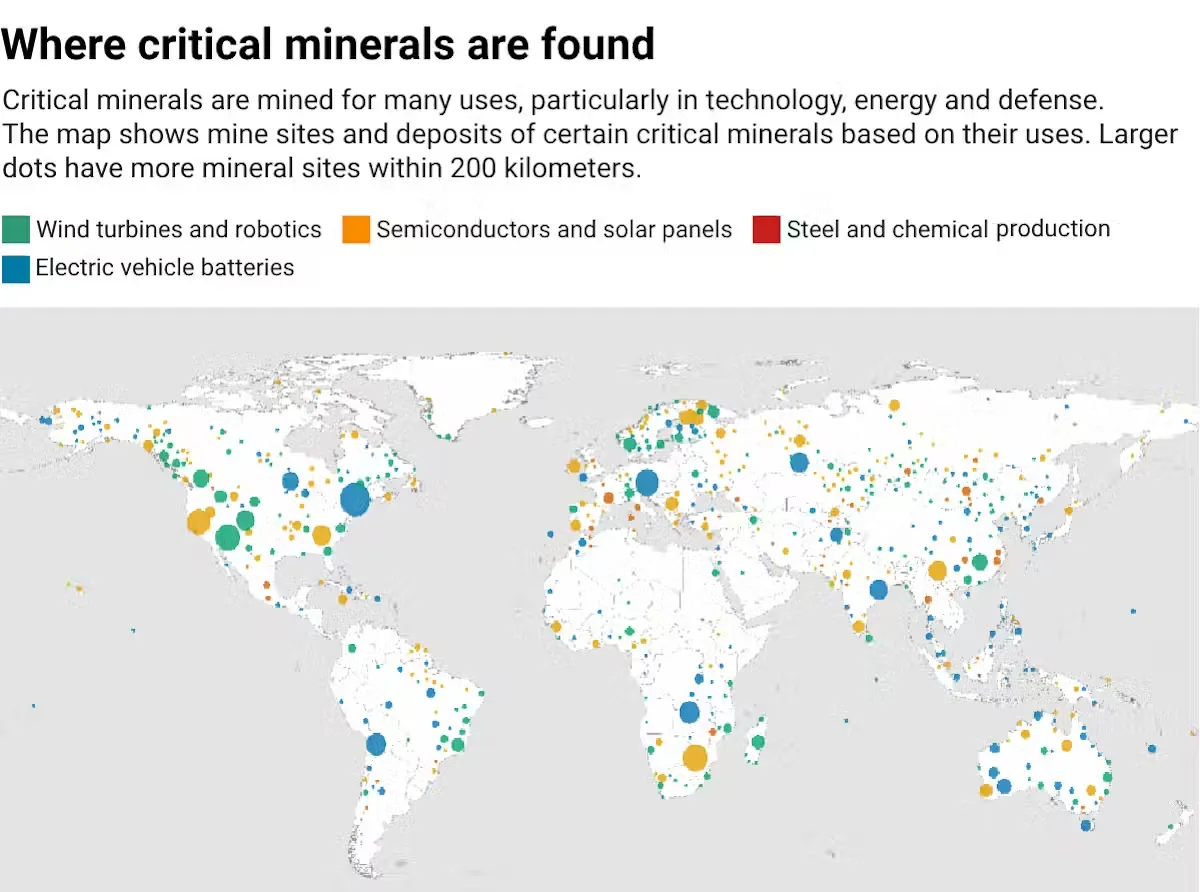
See where critical minerals are found around the world.
(Image credit: United Nations University Institute for Water, Environment and Health)
Rare earth mineral production, for example, generates up to 2,000 metric tons of waste for every metric ton of usable material. Rare earth minerals are often extracted by creating leaching ponds and adding chemicals to separate the metals. When the effluent isn’t treated or is improperly stored, the chemicals can seep into groundwater and waterways, contaminating aquifers and rivers.
In some parts of the world, rivers near cobalt and copper mines have become so acidic that communities can no longer drink water from them. Fish stocks have collapsed, and farmlands have been poisoned. Water insecurity is no longer a side effect of mining; it is a systemic cost.
Health crises hidden in supply chains
Communities living near these extraction sites report people suffering from skin diseases, gastrointestinal illnesses, reproductive health problems and chronic health conditions associated with long‑term exposure to heavy metals in polluted water and soil.
Evidence from mining regions in the Democratic Republic of the Congo is particularly stark.
Studies document high rates of miscarriages, congenital malformations and infant mortality among populations exposed to environments contaminated with cobalt and other metals. Maternity wards in southern Democratic Republic of the Congo that are close to mining operations report significantly more birth defects than those farther away.
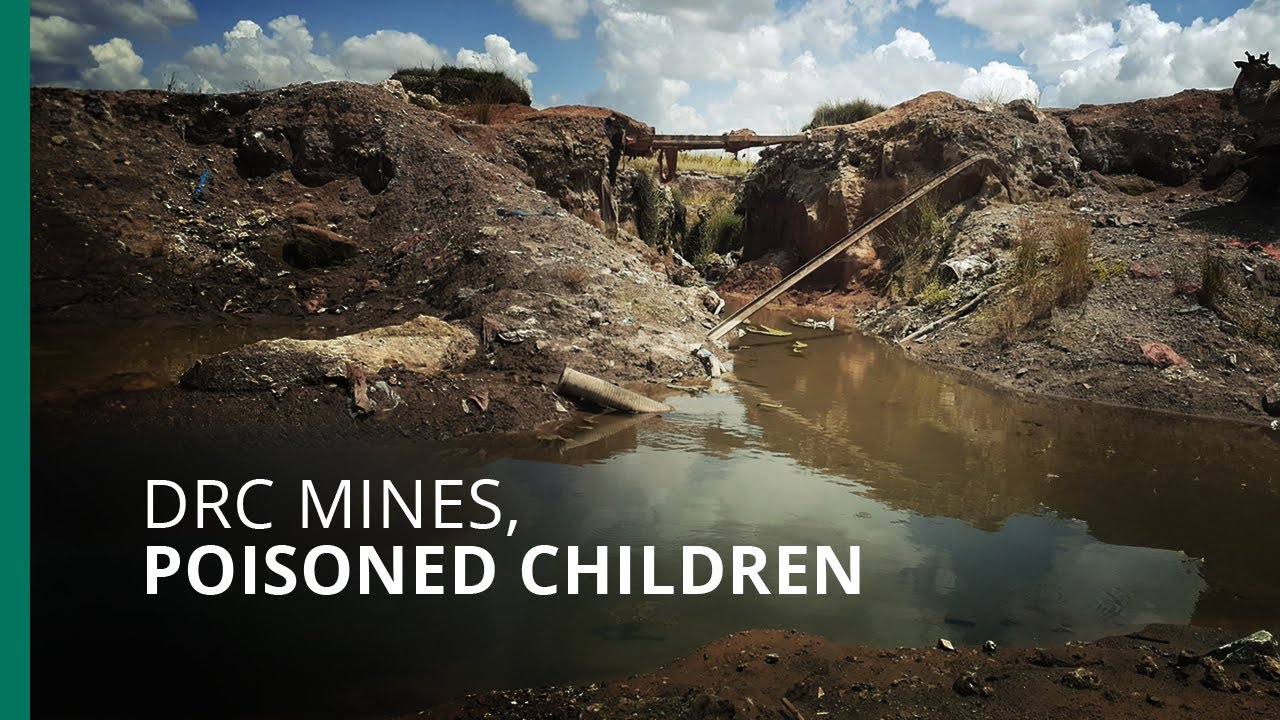
Watch On
In communities near mining operations, residents talk about how women and girls living near cobalt and copper mining sites have been experiencing gynecological health problems, including infections, menstrual irregularities, miscarriages and infertility. These risks are linked to prolonged contact with contaminated water, compounded by limited access to sanitation and healthcare.
In Chile’s Antofagasta region, cancer mortality is the highest in the country. Lung cancer rates there are nearly three times the national average. Physicians in the region also report rising cases of neurological and developmental disorders, which they link to early exposure to contaminated water and air.
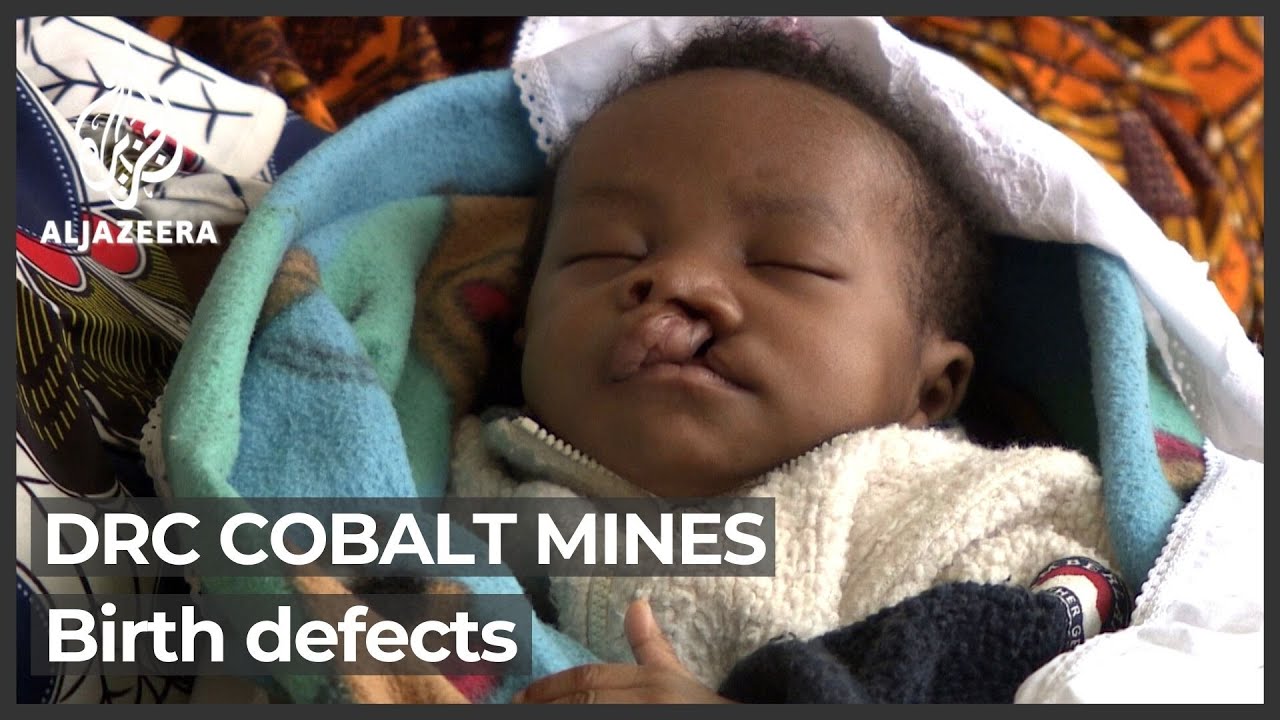
Watch On
Thousands of children are estimated to be employed in artisanal cobalt mines in the Democratic Republic of the Congo. In the informal mines, they may be exposed to cobalt dust and other hazardous materials without protective gear.
These health risks are heightened by weak systems for water, sanitation and healthcare. As of 2024, only about one-third of people in the Democratic Republic of the Congo had at least basic drinking water services.
Food costs of the energy transition
The water problems caused by critical minerals extraction also pose a major threat to local food systems. In Peru, zinc mining has contaminated the Cunas watershed. Runoff pollutes water used to irrigate crops and provide water for livestock.
In Bolivia’s Uyuni region, lithium mining has led to persistent water shortages that are making it increasingly difficult to grow quinoa, a staple crop central to local diets and economies. Across the wider “lithium triangle” of Argentina, Chile and Bolivia, mining has reduced water availability for crops and farm animals.
Similar patterns are evident in parts of the Democratic Republic of the Congo and Zambia. In both countries, polluted rivers have contributed to declining fish stocks and livestock illnesses, harming households that are already struggling to feed themselves.
Ways to protect mining communities
Innovation and technological advances have the potential to do good. But we believe a fair and sustainable energy and digital transition requires deliberate actions to avoid creating “sacrifice zones,” places where human and ecological well-being are traded away for technological breakthroughs.
One option is to create stronger international governance. Moving beyond voluntary guidelines toward binding international rules, such as treaties, enforceable supply chain due-diligence laws, mandatory environmental and human rights standards for mining operations, and potentially establishing a global mineral trust that would manage critical minerals as shared planetary assets, could improve water protection, pollution control and human rights across mineral supply chains.
Companies can also invest in less water-intensive mining technologies. Countries can tighten their wastewater controls and expand independent environmental monitoring and reporting.
Governance arrangements that give local and Indigenous communities a stronger voice, a fair share in the benefits and genuine co-governance of resources could further rebalance who has power and who bears risk.
On the consumption side, extending product lifespans, expanding recycling and encouraging less reliance on newly mined minerals would ease pressure on water‑stressed regions.
For the people who use these technologies, the social and environmental costs embedded in critical minerals supply chains are often out of sight and out of mind. Making these impacts visible can enable consumers to make informed choices and engage in greater scrutiny of corporate practices.
Critical minerals are essential to advancing sustainability. But if cleaner technologies are built in ways that result in polluted rivers, sick children and dispossessed communities, the transition will fall short of its promise.
This edited article is republished from The Conversation under a Creative Commons license. Read the original article.