





NEWYou can now listen to articles!
The first case of severe mpox (formerly monkeypox) has been identified in New York City, according to an advisory issued by the NYC Health Department.
One resident has tested positive for mpox clade I, one of the two main genetic groups (clades) of the mpox virus, which causes the illness.
“Clade I causes more severe symptoms and can be life-threatening,” Dr. Marc Siegel, senior medical analyst, told Digital. “It spreads via direct contact or sex, and kissing, and very close respiratory droplets, but not over longer distances by respiratory spread.”
MPOX STRAIN SURFACES IN US WITHOUT INTERNATIONAL TRAVEL, RAISING FEARS OF WIDER OUTBREAK
Clade II was the strain that caused a 2022 global outbreak, according to the Centers for Disease Control and Prevention. Survival rates for this type are more than 99.9%.
Clade I, which was responsible for the 2024 outbreak in the DRC and Africa, is known to cause more severe illness and deaths.
The first case of severe mpox (formerly monkeypox) has been identified in New York City, according to an advisory issued by the NYC Health Department. (iStock)
The New York City patient recently traveled out of the country, the advisory states. “This appears to have come here from travel and has not spread locally,” Siegel noted.
CLICK HERE FOR MORE HEALTH STORIES
There is no known local transmission of mpox clade I in New York City and the risk remains low for local residents, according to NYC Health Commissioner Dr. Alister Martin.
“The NYC Health Department recommends that New Yorkers who are at risk for mpox receive and complete the two-dose vaccine series that works to prevent mpox,” he said in a statement.
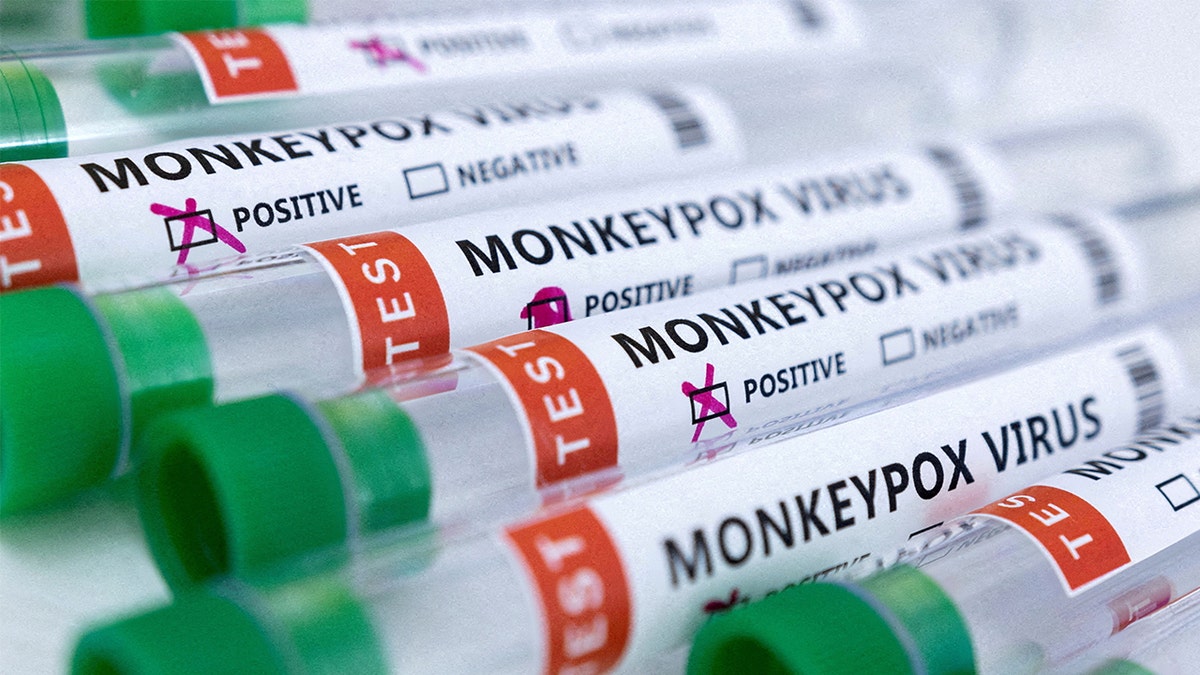
There is no known local transmission of mpox clade I in New York City and the risk remains low for local residents, according to the NYC health commissioner. (REUTERS/Dado Ruvic/Illustration)
To help prevent transmission, the CDC recommends vaccination for men who are gay, bisexual or have sex with men, are age 18 or older, and have other specific risks. Those who plan to travel to areas where clade I mpox is spreading should also seek the vaccine.
CLICK HERE TO SIGN UP FOR OUR HEALTH NEWSLETTER
People who may have been in close contact with an infected person should get the vaccine within 14 days.
As with other viral infections, those who are immunocompromised or very young are at the greatest risk of severe infection.
CLICK HERE TO DOWNLOAD THE APP
Vaccination can help reduce the chances of infection and also makes symptoms less severe, according to experts. The two-dose JYNNEOS vaccine is the most common type of protection. Those who have had mpox do not need to be vaccinated.
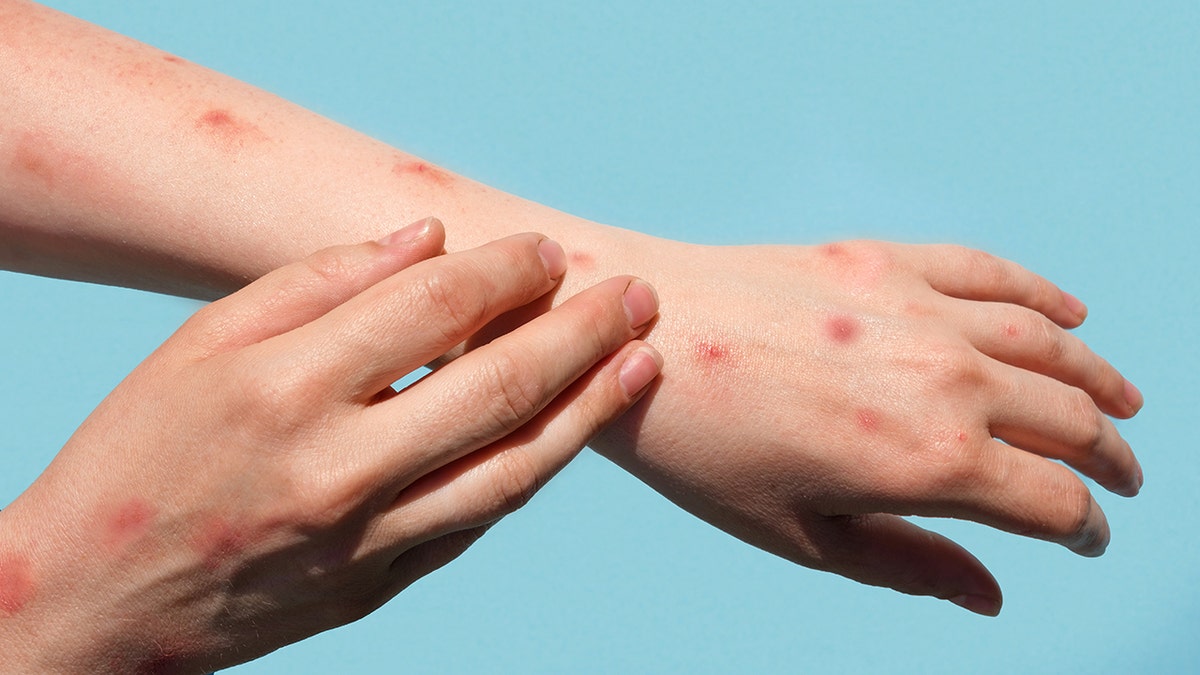
In rare cases, mpox can lead to eye infections, severe rash, painful skin lesions and neurological problems. (iStock)
Mpox symptoms include a sometimes painful, blistery rash on various parts of the body, fever, chills, exhaustion, muscle aches, headache, swollen lymph nodes and respiratory symptoms, according to the CDC. These symptoms usually emerge one to three weeks after exposure.
TEST YOURSELF WITH OUR LATEST LIFESTYLE QUIZ
In rare cases, mpox can lead to eye infections, severe rash, painful skin lesions and neurological problems.
Treatment for mpox involves supportive care to manage symptoms. In severe cases, patients may receive TPOXX (tecovirimat), an antiviral medication used to treat infections caused by viruses related to smallpox, including mpox, Siegel noted.