



For most of modern medical history, scientists have framed infectious disease as having two possible outcomes: recovery or death. You either get better, or you do not survive. But this binary has never fully captured reality.
For a substantial number of people, illness does not simply end — it lingers, reshaping and even permanently altering their life trajectories.
Vaccines are critical tools for avoiding these debilitating outcomes, not only because they help prevent individuals from getting sick, but because they also prevent the multitude of post-infectious conditions that can arise months or years later. By undermining the public’s confidence in vaccines and cutting research funding, the second Trump administration is not only increasing the risk of infections, but expanding the population left with chronic post-infectious disease — at the very moment science should be mobilized to prevent, diagnose, and treat both.
The COVID-19 pandemic forced the concept of post-infectious conditions into public view.
Long COVID — marked by persistent fatigue, exhaustion after exercise and effort, cognitive dysfunction (“brain fog“), headaches, and a host of other multisystemic symptoms — affects an estimated 10% to 20% of adults and children after their initial infections. For many, these symptoms are not mild annoyances but life-altering disabilities, disrupting their ability to work, attend school, or participate fully in daily life.
While long COVID may feel unprecedented, it is far from novel. What is new is our collective awareness that such a condition exists, and our opportunity to intervene.
History tells a consistent story: major infectious disease outbreaks are often followed by waves of chronic illness in a subset of survivors. After the 1889-1890 pandemic, often called “Russian influenza,” physicians documented prolonged post-viral syndromes that they termed “influenza exhaustion.” Affected patients reported months to years of fatigue, muscle pain, anxiety, sleep disturbances, depression, and neurologic symptoms. The phenomenon was so widespread that entire medical texts were devoted to describing it.
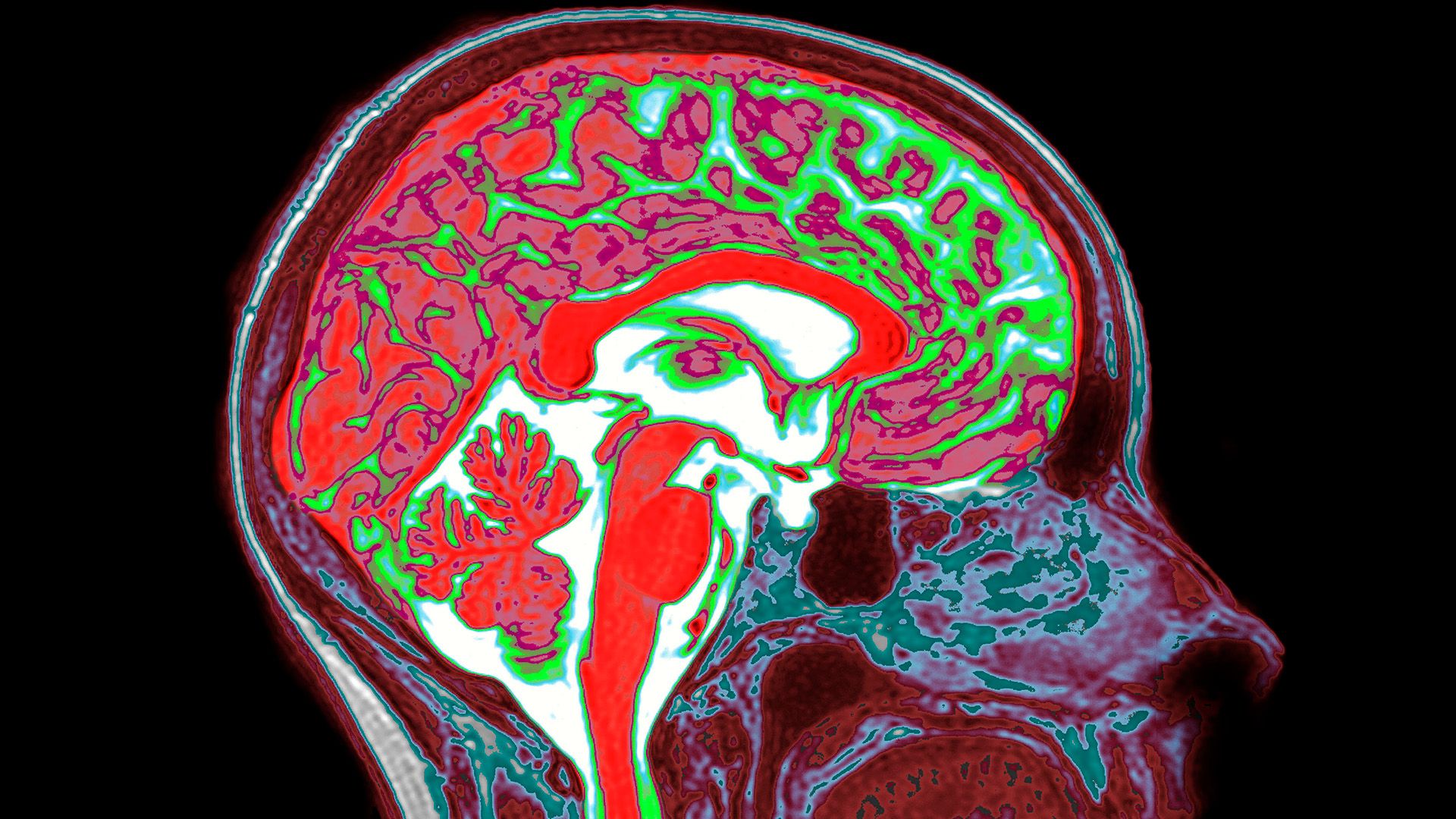
A few decades later, the 1918 H1N1 influenza pandemic left an even darker legacy. In its wake emerged encephalitis lethargica, a devastating post-infectious condition marked by encephalitis (brain inflammation) and catatonia, a condition that leaves a person unresponsive to the world around them. It also came with profound neurologic impairment and coma-like states in some of those affected.
Between 1919 and 1927, the British Ministry of Health recorded nearly 16,000 cases, with an estimated mortality rate approaching 50%. Of those who survived, only a small fraction fully recovered; many were left with lifelong disability. Children were disproportionately affected — in 1924 alone, more than 1,000 schoolchildren in England had developed the condition, two-thirds of whom never returned to their baseline health.
This pattern repeated throughout the 20th century. During the poliovirus epidemics that swept the Northern Hemisphere, most infected individuals experienced only mild illness, while others developed paralytic disease. But the story did not end with acute infection. Years or even decades later, some polio survivors, regardless of the initial severity of their infection, developed post-polio syndrome. This was marked by progressive muscle weakness, severe fatigue, debilitating pain, and, in some cases, paralysis. The unpredictability of who would be affected, and when, remains one of polio’s most unsettling features.
More recently, survivors of the 2002-2004 SARS outbreak experienced what is now known as “Long SARS,” with persistent pulmonary disease, muscle wasting, sleep disturbances, fatigue, and cognitive impairment lasting a year or more. SARS, a close relative of SARS-CoV-2, foreshadowed the post-viral syndrome that would follow COVID-19.
And after the 2014-2016 West African Ebola epidemic, many survivors reported chronic eye complications, musculoskeletal pain, neurocognitive deficits, and profound fatigue, despite having already survived a virus with a fatality rate exceeding 40%.
Across time, geography, and pathogens, the lesson is strikingly consistent: surviving an infection does not always mean recovering from it. Knowing that history repeats itself, it becomes clear that prevention is not just a tool for avoiding acute illness, but our most powerful strategy for preventing chronic disease. Simply put, vaccines are indispensable.
Vaccination does more than reduce hospitalizations and deaths. By preventing infection in the first place, vaccines can also prevent the downstream risk of long-term medical problems that we still cannot reliably predict, treat, or reverse. The only proven way to eliminate the risk of post-infectious chronic illness is to avoid the infection altogether.
Yet public confidence in this foundation has been steadily eroded. Conflicting messages from the Health and Human Services Secretary Robert F. Kennedy Jr., politicized health decisions, and policies that stray from evidence have left families — especially those with children — struggling to know whom to trust. This confusion does real harm. It weakens vaccine uptake, increases circulation of preventable diseases, and sets the stage for future waves of chronic illness.
Modern medicine did not become extraordinary by accident. It became extraordinary because scientists and doctors embraced data, rigorous study design, and prevention. Vaccines are among its greatest achievements — not only because they save lives today, but because they spare lives from being permanently altered tomorrow.
While any medical intervention carries a degree of risk, the risks associated with vaccines are minor, and their profound benefit on human health is unmatched.
We are at a pivotal moment, with an unprecedented ability to unify and advance the study of post-acute conditions. Modern technology and communication now make it possible to interrogate their biology in ways that were previously unimaginable. If we have learned anything from more than a century of pandemics, it is this: history does repeat itself. Abandoning vaccines and evidence-driven medicine will not make us freer or healthier. It will, quite simply, make us sicker.
This article is for informational purposes only and is not meant to offer medical advice.