





While excavating a Stone Age burial site in Germany, archaeologists stumbled upon a mysterious “earth tunnel” that someone made in the Middle Ages, thousands of years after the grave was dug, possibly to hide their furtive ritual practices.
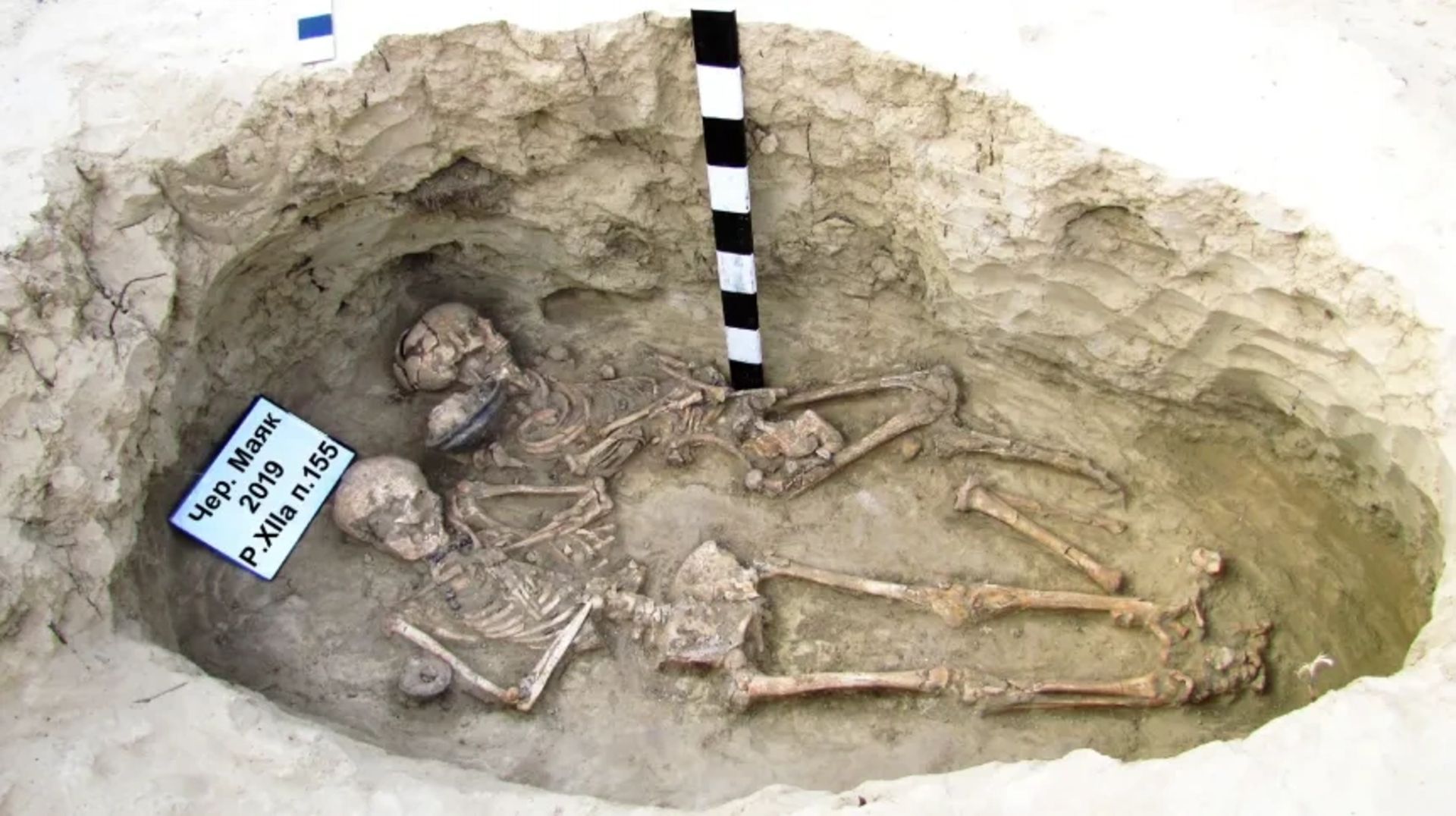
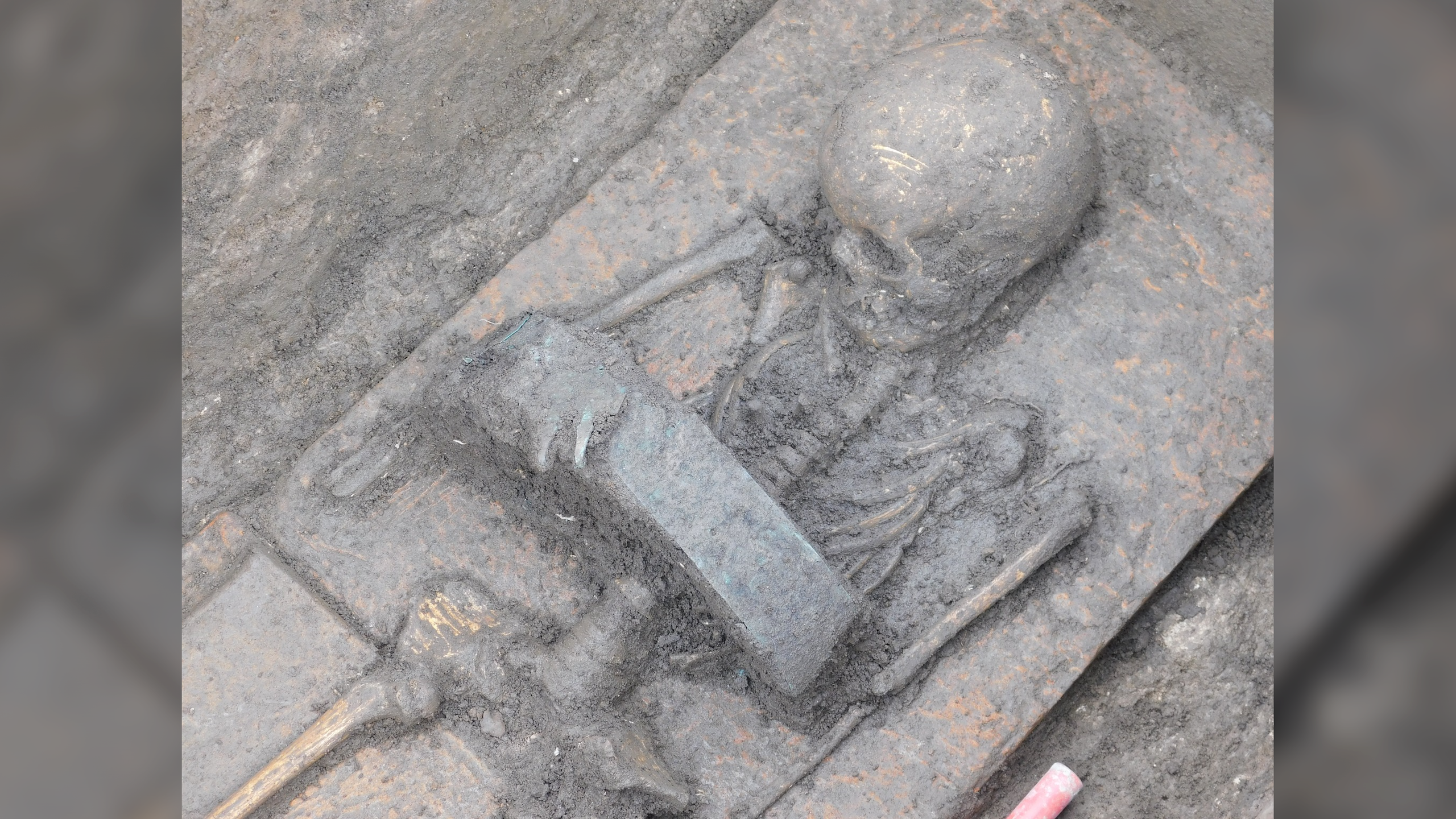
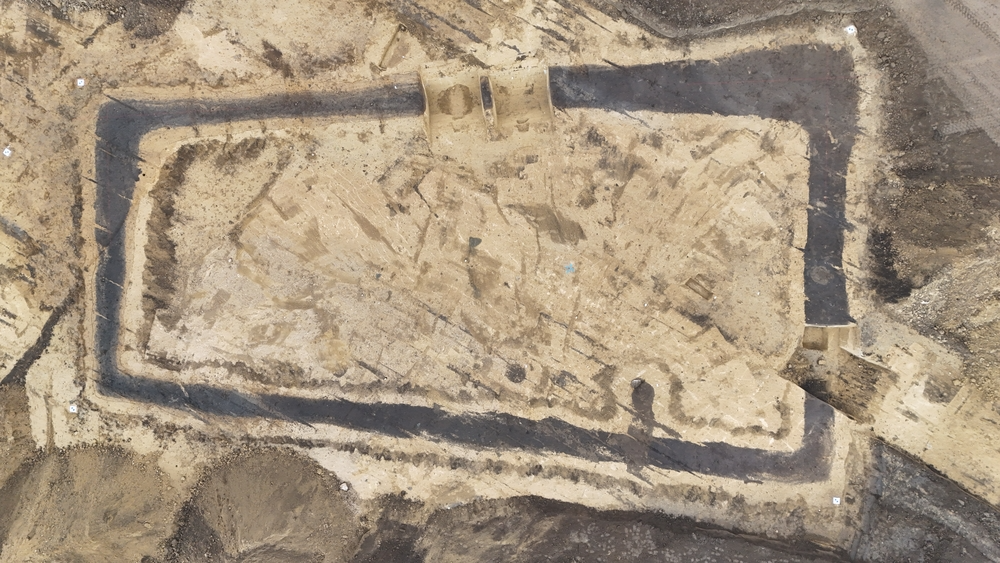
At the end of 2025, the German State Office for Heritage Management and Archaeology (LDA) of Saxony-Anhalt was surveying land near the village of Dornberg ahead of a construction project. Archaeologists initially uncovered a trapezoidal ditch from the fourth millennium B.C., several Neolithic burials from the third millennium B.C., and a Bronze Age burial mound from the second millennium B.C., according to a Jan. 29 translated statement.
According to the LDA, earth tunnels are subterranean systems with chamber-like extensions found in geographical regions with firm but easily workable soil. Hundreds of these systems have been discovered in Bavaria, and all were likely made in the Middle Ages. Archaeologists don’t think anyone ever lived in the underground chambers, but they aren’t sure what these tunnels were used for. Theories range from hiding places to spaces for cultic activity.
Most earth tunnels lack archaeological artifacts. But the newly discovered one contained a metal horseshoe, a fox skeleton, fragments of a globe-shaped ceramic pot, and a layer of charcoal in one of the narrow, curving passages. The entrance to the earth tunnel had been deliberately sealed at some point by a cluster of large stones, the archaeologists determined, perhaps to hide clandestine activity in the tunnel.
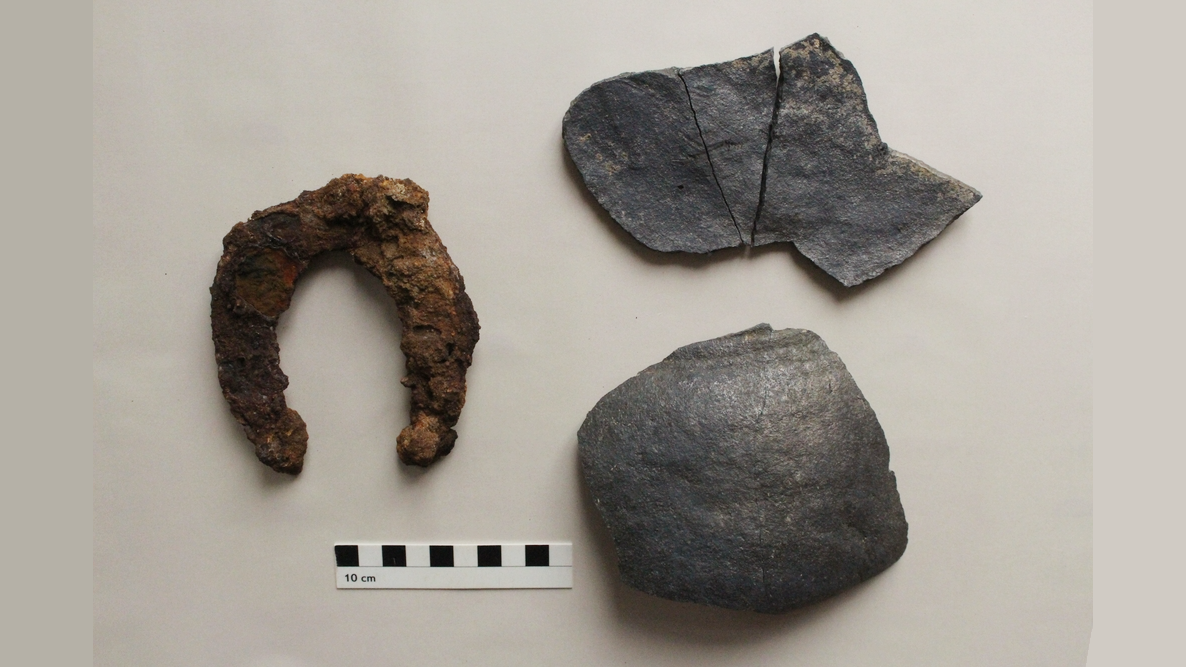

“The question arises as to how to interpret the findings,” LDA researchers wrote in the statement. Taken together, the artifacts suggest someone lit a short-lived fire in the tunnel and deposited some of their belongings. And because the Stone Age trapezoidal ditch was likely still recognizable from above ground even thousands of years later, it may have been known as a sacred space to the medieval person who made the tunnels.
“However, perhaps the site, due to its significance as a pagan grave, was generally avoided by the local population and therefore particularly well-suited as a hiding place,” LDA officials wrote.