






Today’s top story
The announcement comes off the back of a major overhaul of NASA’s Artemis program, which plans to return astronauts to the moon with the second mission in the program, Artemis II, launching as soon as April 1. The agency is now aiming for annual launches, potentially dropping SpaceX and Boeing from its mission plans, and targeting two lunar landings in 2028.
The new lunar base plans, which will use a fleet of drones and robotic landers to establish a nuclear power station on the moon’s surface by 2036, are ambitious to say the least, and motivated as much by a desire to stay ahead of China in the new space race as they are by any scientific purpose. Whether they’re realistic, or simple lunacy, remains to be seen.
The trend
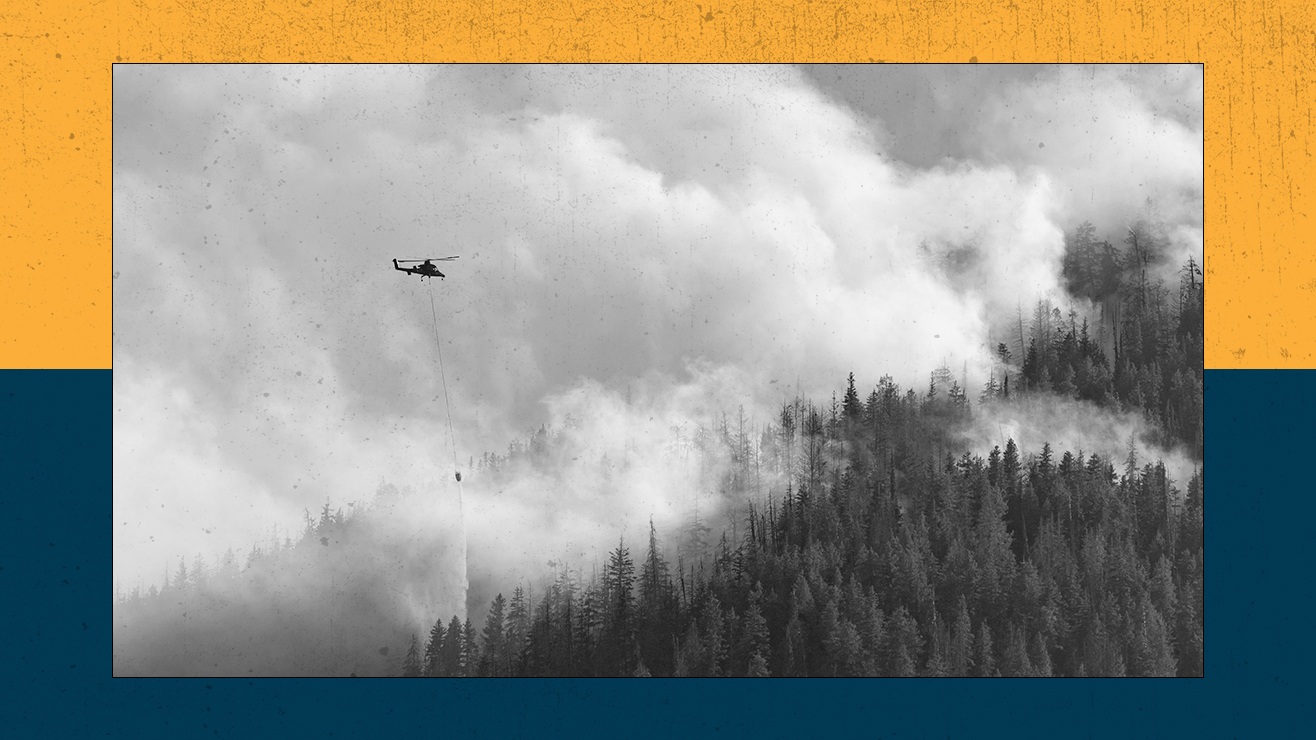

This year’s wildfire season is already looking pretty ominous, with fires breaking out unusually early and intensely across the central and western United States, in the wake of a record-breaking March heatwave.
Major blazes are burning through regions in Colorado, parts of the Great Plains and Nebraska — where one record-breaking fire burned more than 600,000 acres ( 240,000 hectares) in mere days.
The outbreaks, driven by a combination of factors including extreme heat, strong winds and low humidity, could be a troubling early warning of a dangerous wildfire season ahead. And the problem could be compounded by staffing shortages at federal disaster response agencies.
Three to read
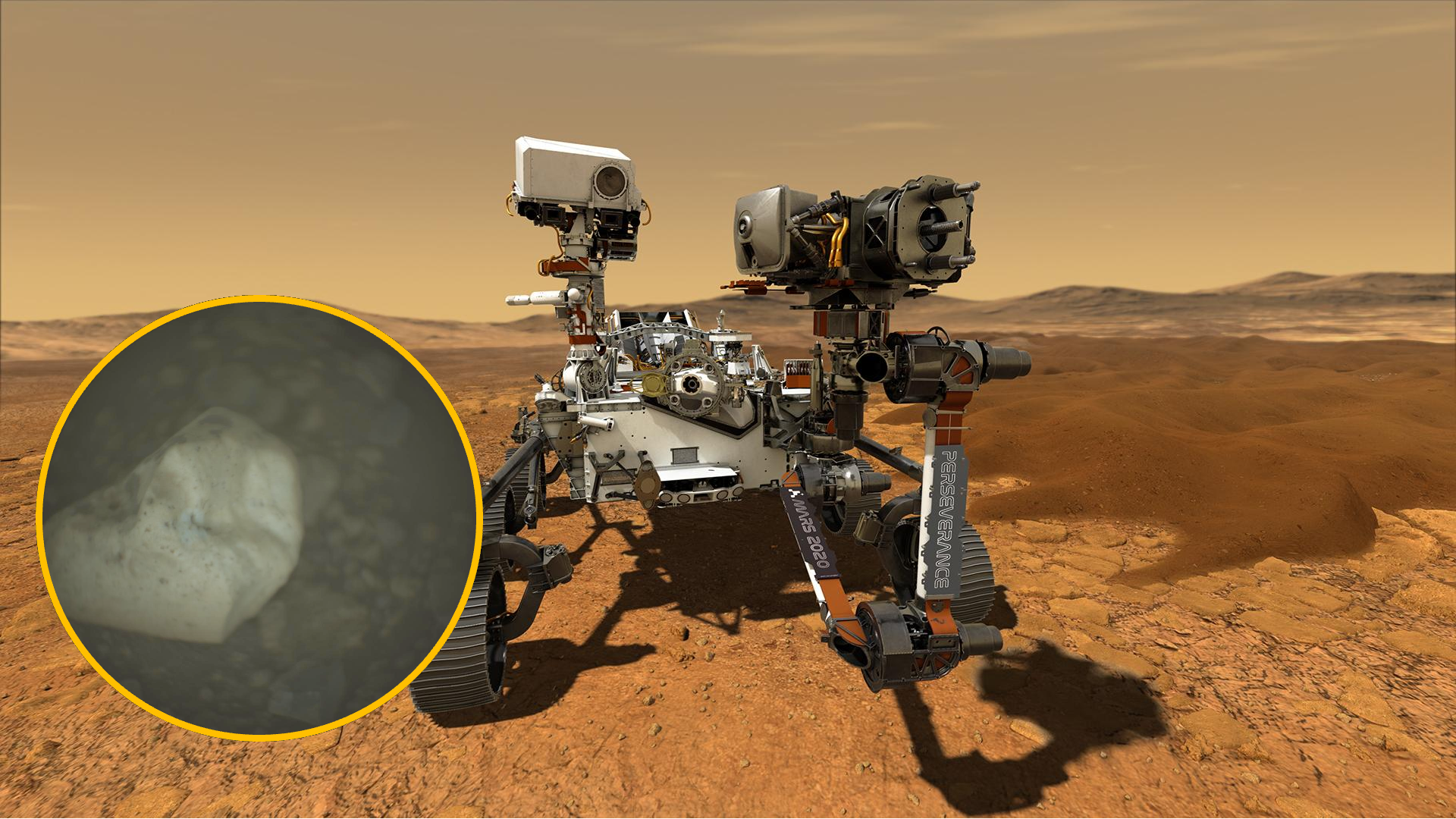
- Mars is hiding a secret clutch of gemstone-like crystals, including rubies and possibly sapphires [Live Science]
- Prominent researcher exits NASA, citing US attacks on science [Bloomberg]
- Iran war has already released a staggering amount of CO2 — and the destruction of schools, homes and buildings is the biggest source [Live Science]
Graph of the day
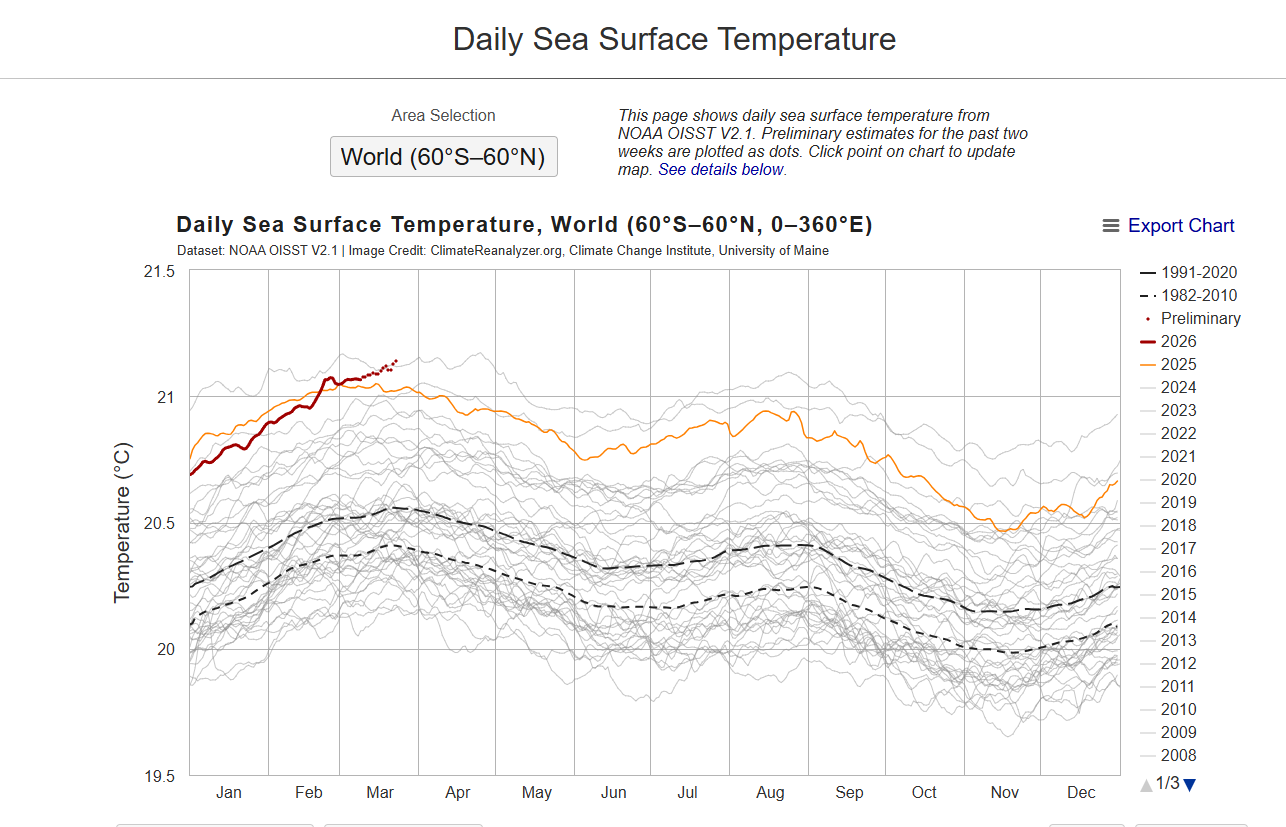

See that red line? That’s the globe’s sea surface temperatures so far this year, which are continuing to break daily records set during the unprecedented year of 2024. And that’s before the appearance of a possible “super El Niño” later this year, which could push global temperatures to unprecedented highs.
Say it, said it
Word of the day
Tharsis — The Greek-Latin transliteration of the Hebrew word Tarshish, which is referred to in the Hebrew Bible as a wealthy land at the western extremity of the known world. On Mars, Tharsis is a volcanically active region where a strange plume of subterranean rock could be causing the planet to spin faster.
Quote of the day
“America will never give up the Moon again.”
Jared Isaacman, NASA administrator, on U.S. plans to build a permanent moon base.
Fun and games
NASA has announced its loftiest lunar ambitions yet. But how much do you know about the natural satellite that will host the space agency’s hoped-for outpost? Take our quiz here.
Follow Live Science on social media
Want more science news? Follow our Live Science WhatsApp Channel for the latest discoveries as they happen. It’s the best way to get our expert reporting on the go, but if you don’t use WhatsApp we’re also on Facebook, X (formerly Twitter), Flipboard, Instagram, TikTok, YouTube, Bluesky and LinkedIn.