


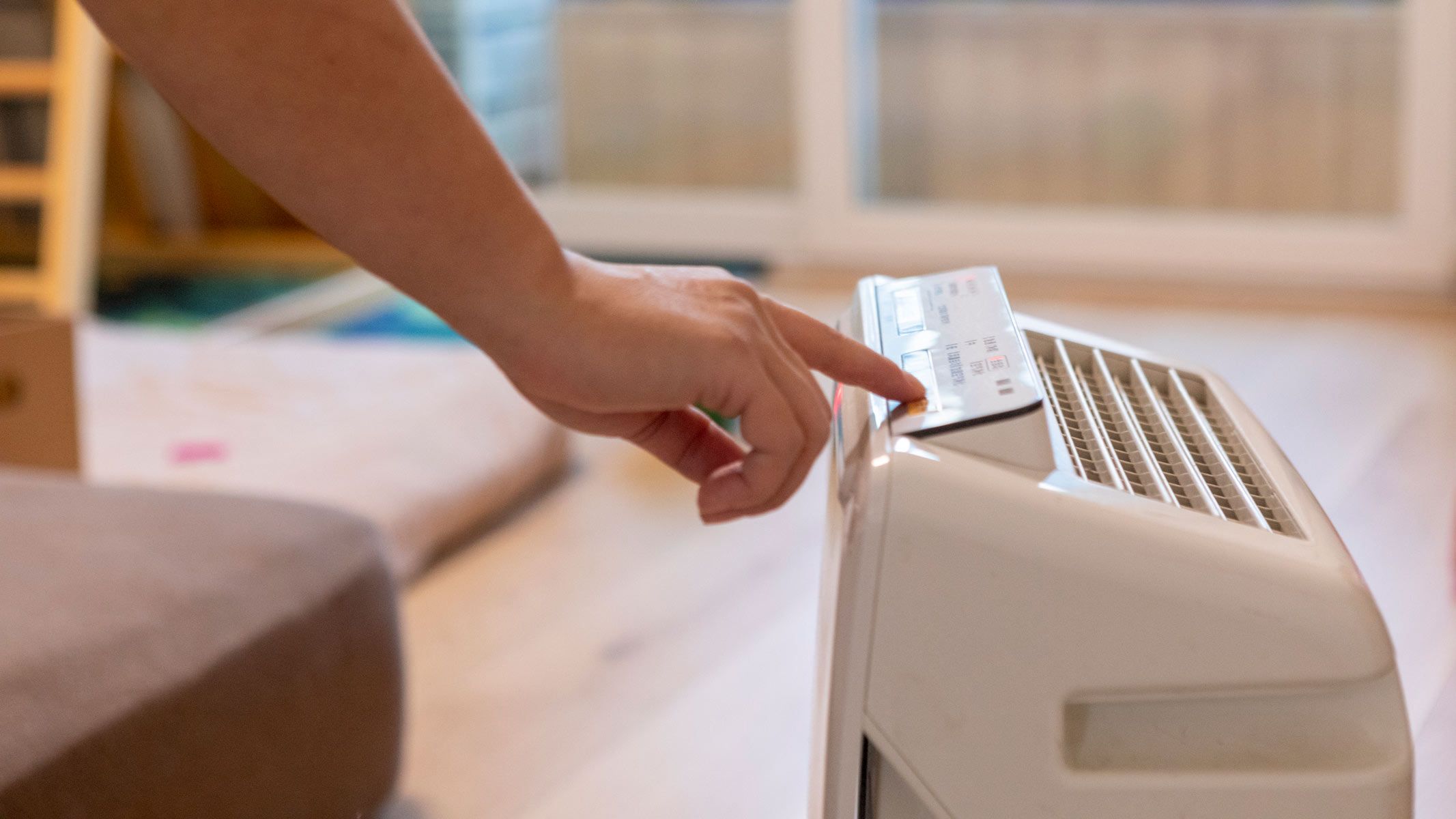


One of the best air purifiers is a worthwhile investment during hay fever season. They work by filtering the indoor air in your home, removing nasty particulates such as pollen. However, to ensure they can work effectively, there are certain things you need to do.
We spoke to Melanie Carver, chief mission officer of the Asthma and Allergy Foundation of America (AAFA), who offered some advice on the mistakes to avoid when using an air purifier to reduce hay fever symptoms.
Placing the air purifier next to an open window
For those with hay fever, an air purifier can make a big difference by reducing the amount of allergens in the home, including pollen. However, it’s important to ensure they are used correctly so they are most effective.
Article continues below
During hay fever season, sufferers are advised to keep their windows closed, to reduce the amount of pollen that can get into the home. While you don’t have to follow this advice, and may prefer to let some fresh air into your home, having an air purifier on while it’s near an open window can mean that it can’t do its job as effectively.
Melanie Carver, chief mission officer of the Asthma and Allergy Foundation of America (AAFA), explains: “When pollen counts are high, AAFA recommends keeping your windows closed. Placing an air purifier next to an open window will cause the device to filter outdoor air, meaning it will be less effective at cleaning the indoor air. Air purifiers have capacity limits and should only be used to filter air from appropriate-sized rooms.”

Not changing filters
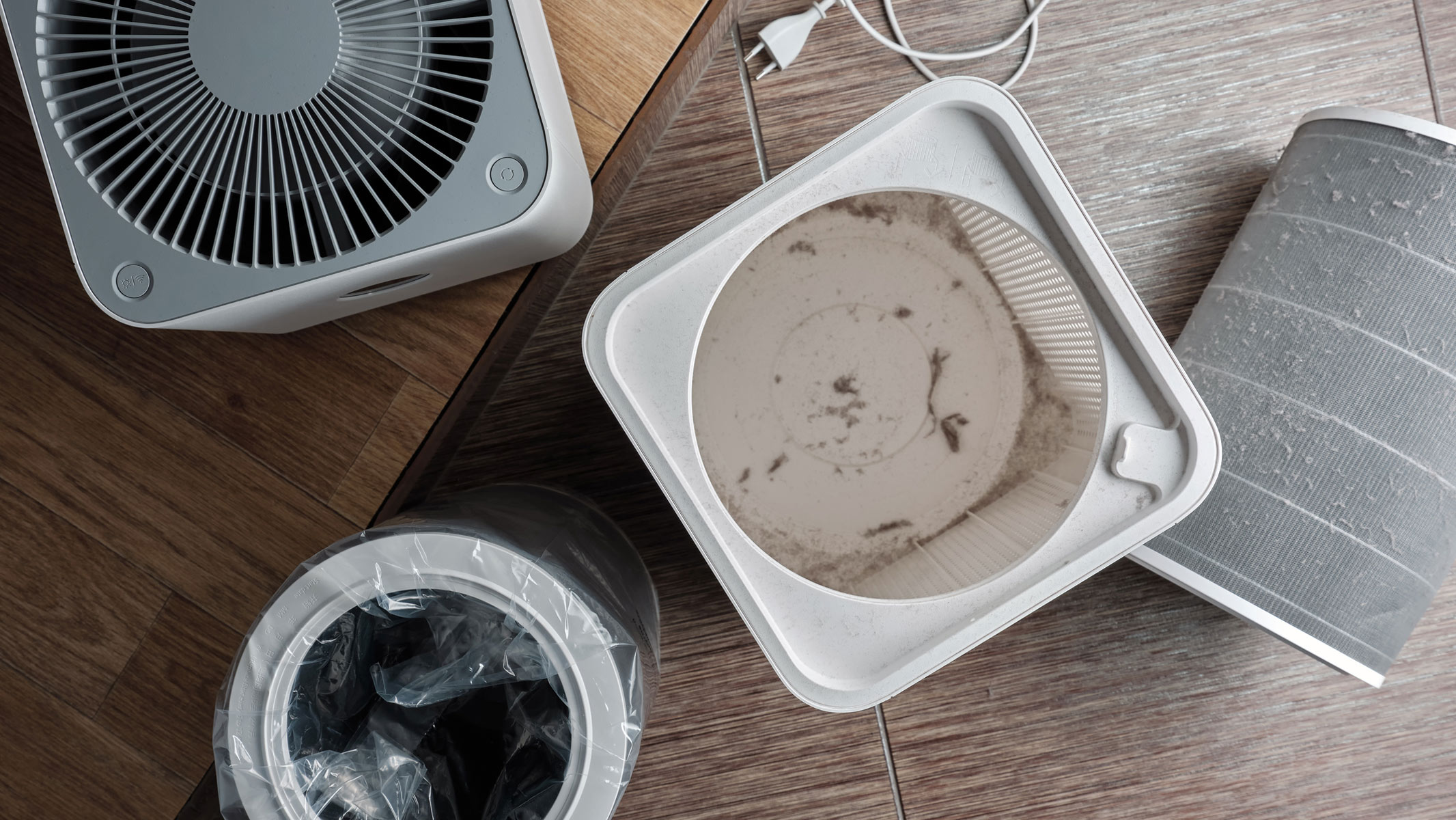
While air purifiers can do a great job of removing allergens from the home, it is important that essential maintenance is carried out on them regularly to make sure they are performing at their best. Part of this maintenance is changing the filters.
Each brand and model of air purifier will have its own recommendations on when to change the filter, and it’s important that these are followed. An ineffective filter can mean the air purifier isn’t catching as many of the allergens in your home as you think, and for hay fever sufferers, this can lead to more sneezing, itchy eyes and coughing than if the filter was effective.
“AAFA recommends changing the filter on your air purifier/air cleaner according to the manufacturer’s recommendations — usually once every 2 to 3 months,” said Melanie Carver. “A dirty air filter is less effective and may result in allergens being sent back into the air.”
Not running the purifier continuously
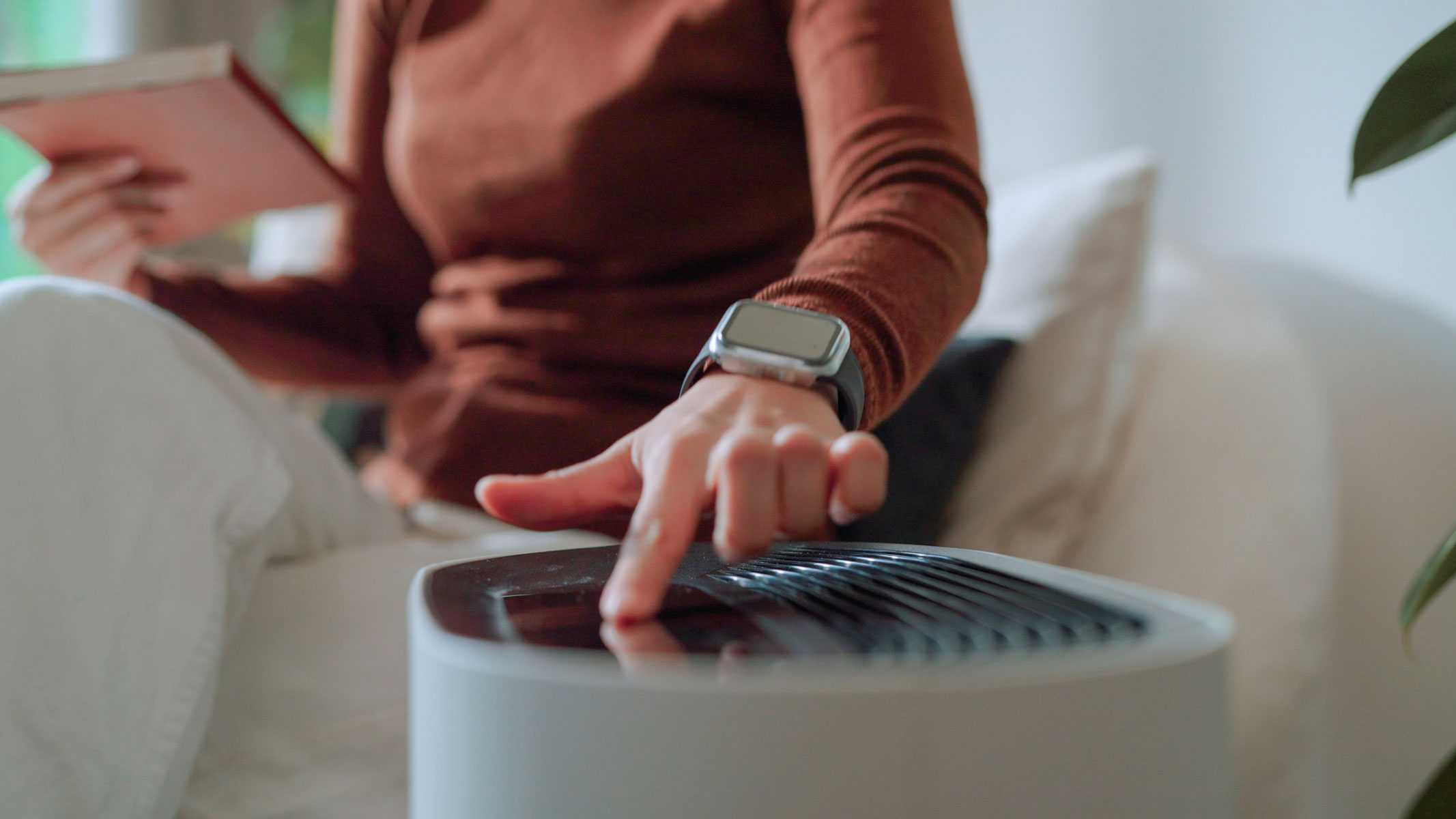

Air purifiers work best if you run them continuously. During hay fever season, this can be particularly useful as it means the air purifier can continue to circulate and filter the indoor air, constantly reducing the amount of pollen particulates within the home.
If they are only run for a few hours each day, they can not be as effective in ensuring the pollen level remains low. This is especially true if windows and doors are left open or pollen is brought into the home via clothes or on dog and cat fur, for example. By running them continuously, the pollen level will be managed much more effectively.
“Continuously running an air purifier helps remove pollen and other allergens from your indoor air. If you use a portable air purifier, you should place it in the room where you spend the most time. For example, in the bedroom while sleeping. Depending on the room size and the rating of the air purifier, it can take up to several hours to cycle through and filter a room’s air,” said Melanie Carver of the AAFA.
Placing it in a corner
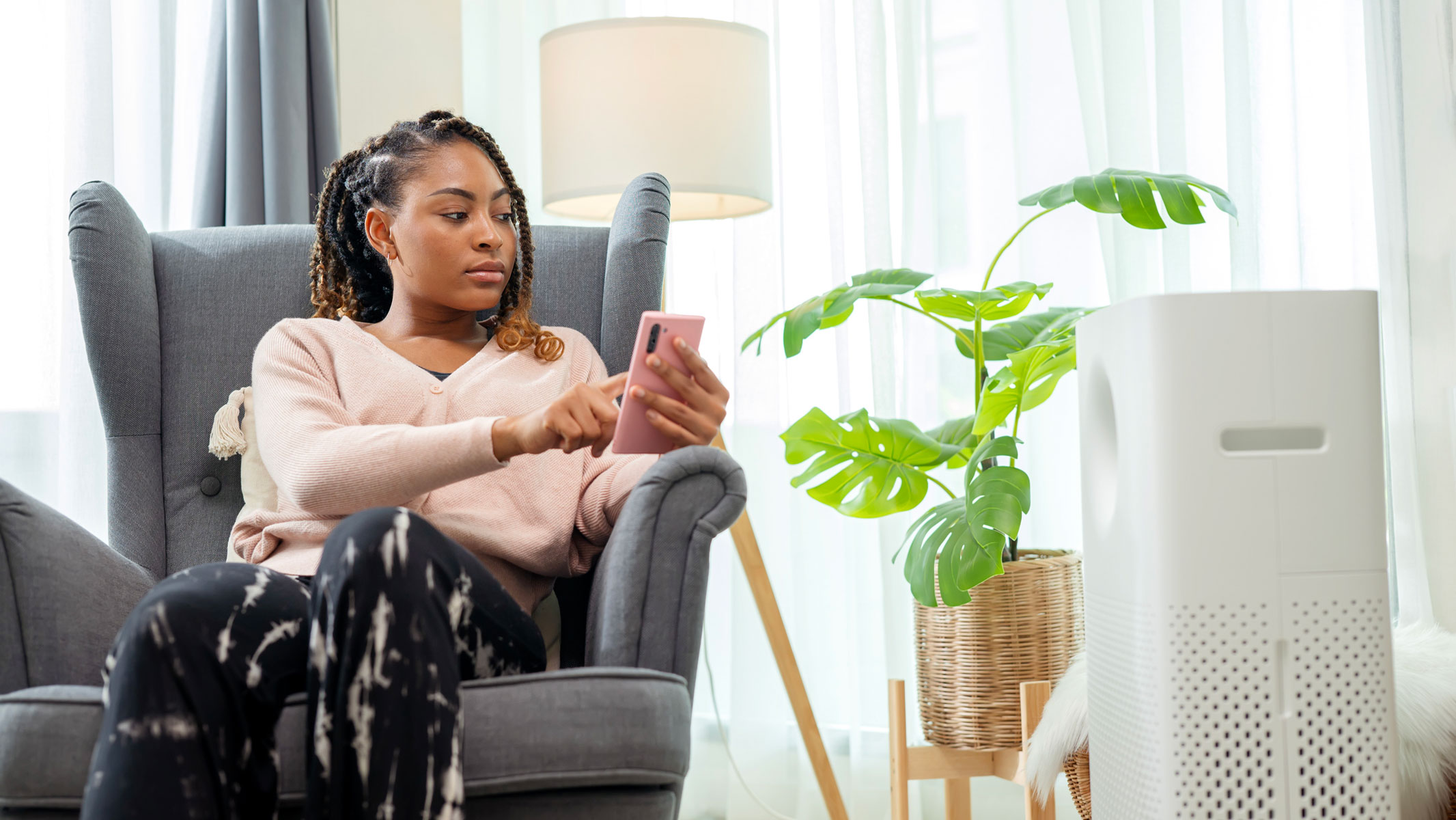
Air purifiers come in many shapes and sizes and can be effective for different-sized rooms. One top tip is to ensure you buy one that is suitable for the size of the room you need to purify. Another tip is to make sure you place it in a good location where it can circulate the air efficiently. Placing it behind or next to furniture, or in the corner of a room, can make it harder for the air purifier to circulate the air effectively, and to reduce the level of pollen within the space.
“AAFA recommends placing an air purifier in the room or rooms where you spend most of your time. For example, you should place an air purifier in your bedroom while sleeping to help reduce exposure to allergens,” said Melanie Carver.
“When choosing a location for your air cleaner, you want to put it somewhere that supports optimal air flow. Putting it behind a door, piece of large furniture or against a wall will obstruct the air flow. Choose an open location about 1 to 3 feet from obstructions and elevated up off the floor for better circulation.
“When using an air purifier, it is important to pay attention to the CADR rating. CADR stands for Clean Air Delivery Rate and indicates how effective a purifier is in removing air pollution from a room. Placing an air purifier in a room larger than its CADR rating will reduce its effectiveness. Additionally, air purifiers that earn the Asthma & Allergy Friendly® Certification meet strict scientific standards for reducing allergens and for ensuring that allergen reduction is the result of removal rather than just redistribution.”
Not cleaning other surfaces
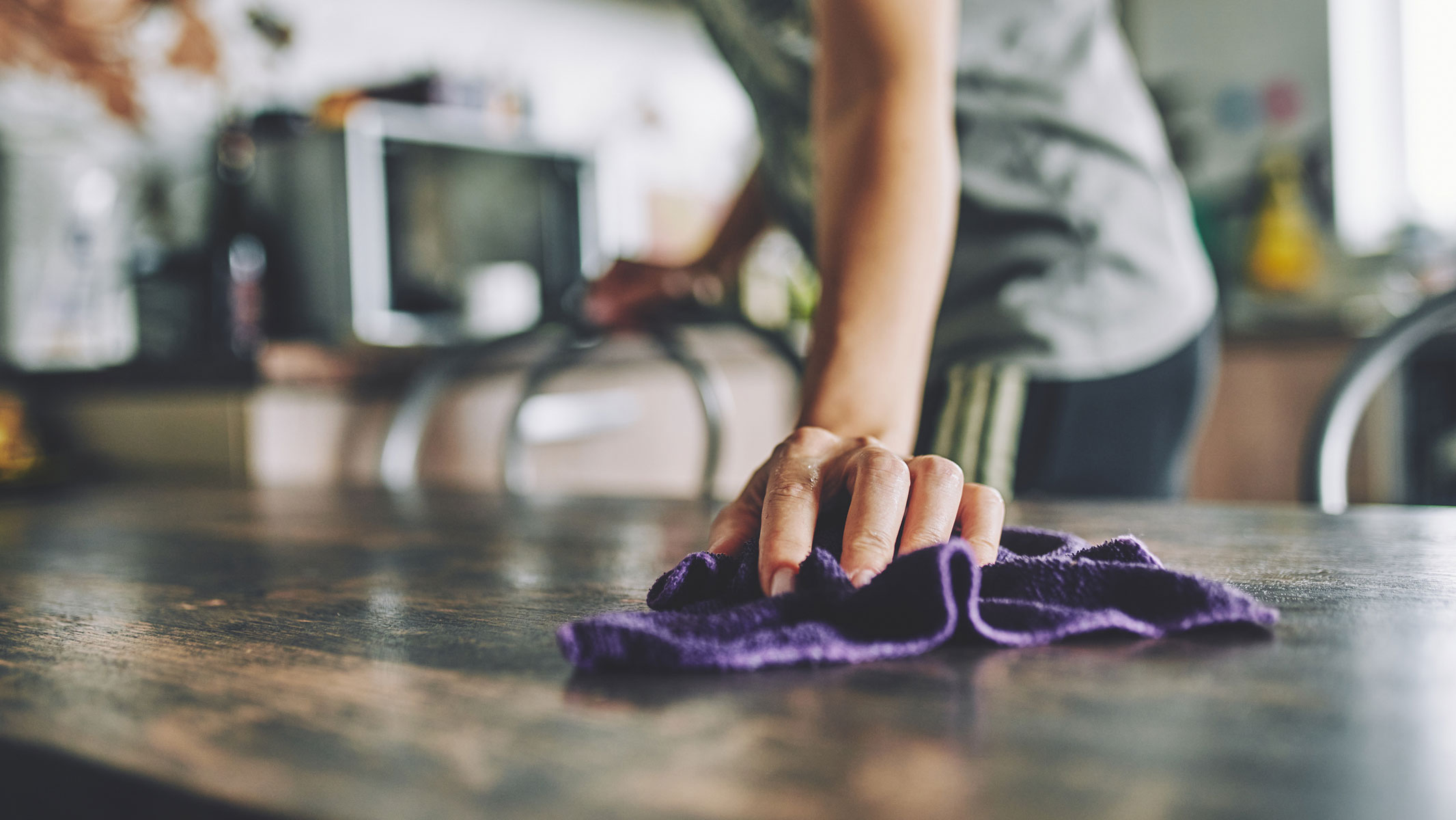
Yes, air purifiers can work well to remove allergens from the home, but the purchaser also has to take some responsibility in ensuring their home is kept up to a habitable standard.
Air purifiers work by filtering the air, so if surfaces are left dusty, there is more dust that can be moved around the home. This makes the air purifier work harder — it will be constantly battling to try and filter the air. Similarly, if surfaces are not kept clean, pollen particulates can attach themselves to surfaces, meaning no matter how hard the air purifier works to try and bring the level of pollen down within the home, it will always struggle to do so.
“Keeping surfaces clean helps reduce dust and pollen that may become airborne,” said Melanie Carver. “These are tiny particles that get picked up into the air by walking by, using a vacuum, blowing a fan or air cleaner or even cleaning. One of the best ways to manage allergies like pollen or dust mite allergy is to prevent, capture and remove allergens that may collect in your home. Keeping surfaces clean helps reduce how much work an air purifier needs to do to filter your home’s air — it will also prevent premature filter clogging and extend the life of your air filters/machine.”