




A new drug appeared to slash seizures up to 90% in children with a rare and devastating form of epilepsy called Dravet syndrome by tackling the underlying genetic mutation that causes the condition.
The findings are in an early-stage trial not designed to show efficacy, so it’s not yet clear whether the results will hold up in a larger trial. But if they do, it would be the first drug with the potential to alter the trajectory of the disease, which comes with neurodevelopmental delays and a high risk of sudden death.
The results of the clinical trial, published March 4 in The New England Journal of Medicine, showed that the drug, called zorevunersen, can safely be given to children with Dravet syndrome and that it reduces the number of seizures and improves their overall quality of life.
The main purpose of this study was to test the drug’s safety and find an optimal dose, but Cross’ team also investigated whether the treatment led to seizure reduction, neurodevelopmental improvements and quality of life.
“We saw improvements in all those domains, particularly at the higher doses,” told Live Science.
Tackling the root cause
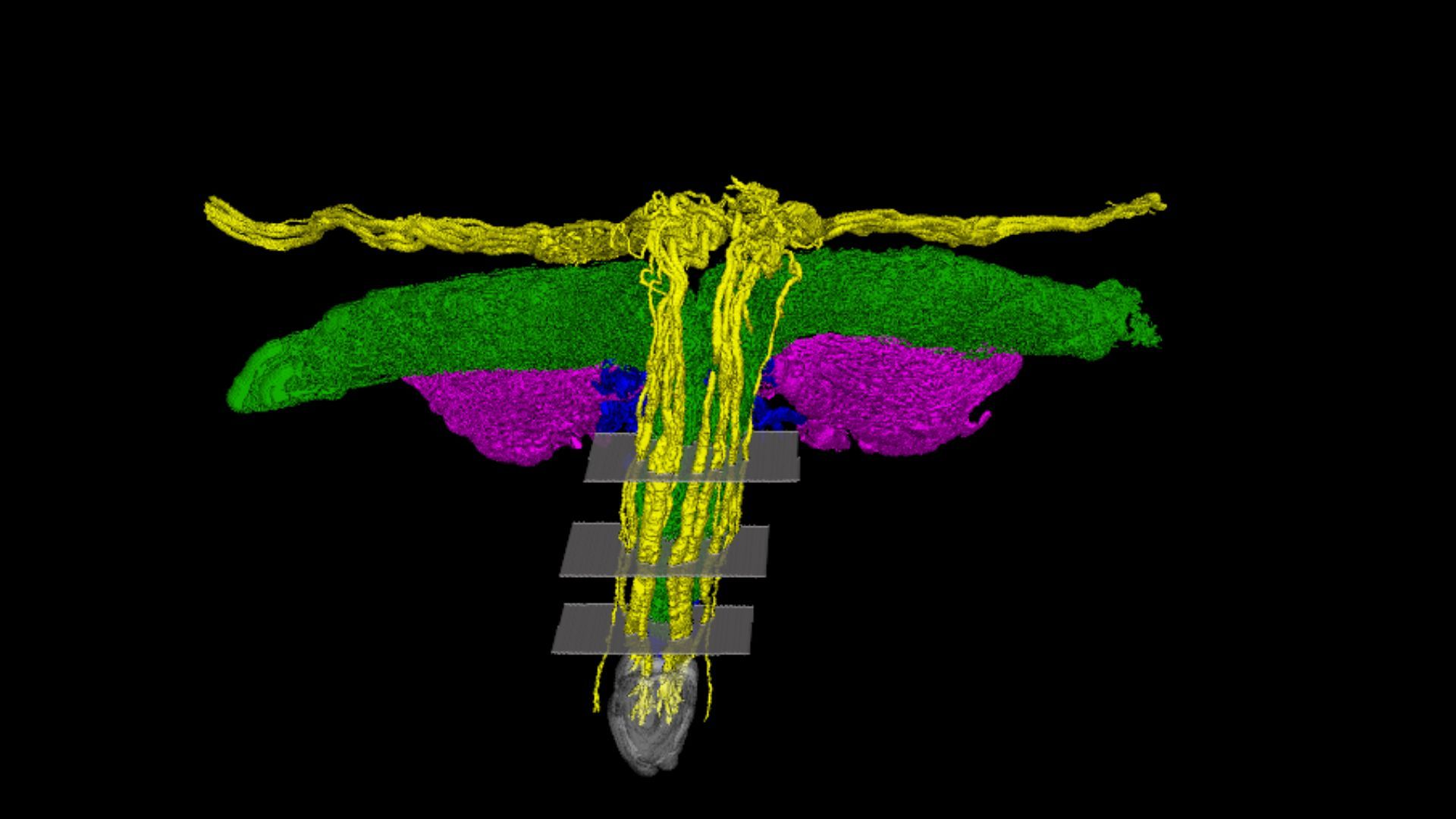
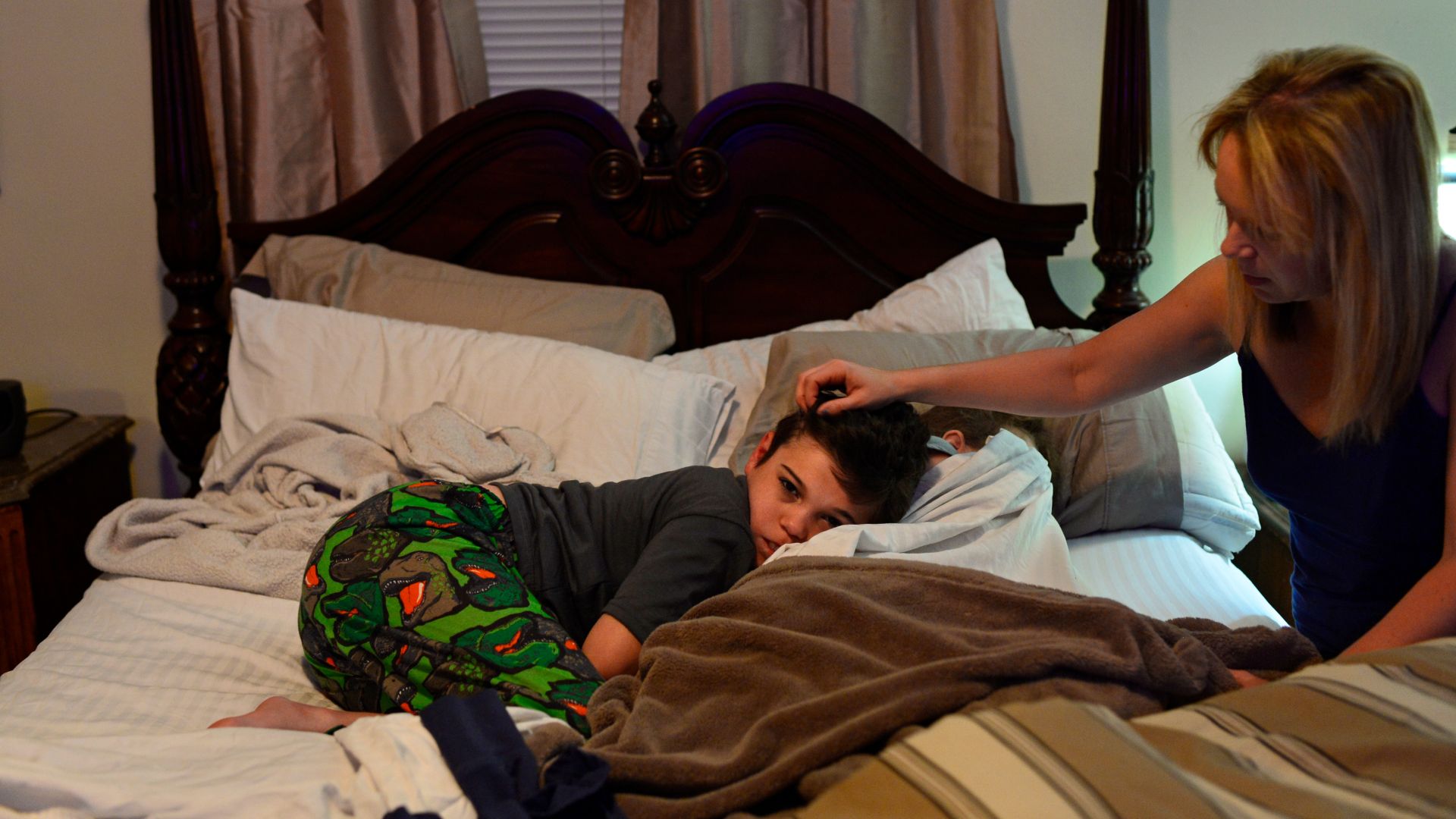
Besides frequent seizures, people with Dravet syndrome also have developmental delays, coordination problems, behavioral issues and other symptoms. And around half of the people who have Dravet’s will die suddenly and prematurely due to the disease. These symptoms are all caused by a problem with interneurons, a type of cell that relays messages in the central nervous system. Anti-epileptic drugs and implants can reduce the number of seizures somewhat, but do not improve developmental delays.
A gene called SCN1A controls the formation of sodium channels that are required for interneuron signaling. Most people have two copies of this gene, but in many people with Dravet syndrome, a genetic change stops one of these copies from working properly. Zorevunersen fixes this problem by increasing the amount of protein that the other, working copy of the SCN1A gene produces. The drug is a type of molecule called an antisense oligonucleotide, and it works by increasing messenger RNA that gives instructions for the working version of the SCN1A proteins.
To ensure that zorevunersen reaches the brain, it was given as a lumbar puncture — an injection in the spine that puts the drug into the cerebrospinal fluid, which bathes the brain. Although treatment required a visit to the clinic for every dose, the study showed that the effects last a few months.
A total of 81 children ages 2 to 18 took part in this early stage study at hospitals in the U.K. and the U.S. Cross and her colleagues were particularly interested in finding out what dose of zorevunersen would have the best results, so they tried a few different doses. Some got a single treatment, while others received a series of lumbar punctures a few months apart. After this, 75 of the study participants continued to receive zorevunersen treatment every four months. The participants were followed for a total of three years.
After 20 months of treatment, children who received the highest dose at the start of the trial had between 59% and 91% fewer seizures.
Several children in the study had mild side effects, such as a headache or vomiting from the lumbar puncture procedure, or increased levels of protein in the cerebral spinal fluid. But overall the trial showed that the drug was safe for children.
The study does have some limitations. It only studied a small group of children, and there was no placebo group.
In a larger trial that is already underway, researchers are studying an additional 170 children to find out if those who receive the treatment indeed show more improvement than a control group.
“We’re targeting the actual underlying cause of the problem,” Cross said, “and therefore, not only reducing seizures but improving other aspects of the disease.”
The trial is expected to be completed in October 2028, so even if the results are positive, it will be a few years until this treatment is available to all children with Dravet syndrome.