

February’s night sky has a lot to offer for anyone who enjoys looking up at the stars. From the changing phases of the moon to conjunctions and even a planetary lineup, there’s plenty to spot if you know when and where to look. We’ve put together a simple calendar of this month’s highlights so you can plan your stargazing sessions without missing anything.
We’ve also given product recommendations for each event — whether that’s with binoculars, a telescope or your camera. Matching the right gear to each event can make a surprising difference, helping you see details you might otherwise miss. With a little planning, the night sky becomes a lot easier to explore.
Feb. 01: Full Snow Moon
February kicks off with the bright, full Snow Moon. Although it’s an impressive sight with the naked eye, you can get an even closer look with binoculars or a telescope, and it’s also a great photography target.
Best seen with:
Binoculars: You’ll get a great view with a handheld pair of 10×42 or 10x50s, but for more impressive views with the very best stargazing binoculars, try a tripod-mounted pair of 15x70s.
Our pick: Celestron SkyMaster 15×70
Telescope: You don’t need a huge setup to see the full moon — a small telescope will do the job nicely. A 3- to 5-inch telescope will be enough, with a 6-inch-plus instrument producing even more detailed views.
Our pick: Celestron StarSense Explorer LT 114AZ
Camera: It’s the lens that matters most here — you’ll want a long telephoto lens where you can zoom in on the moon. Even better if you capture it with some type of landmark, mountain or building for scale.
Our pick: Canon RF 200-800mm f/6.3-9 IS USM
Feb. 15: Saturn/Neptune conjunction
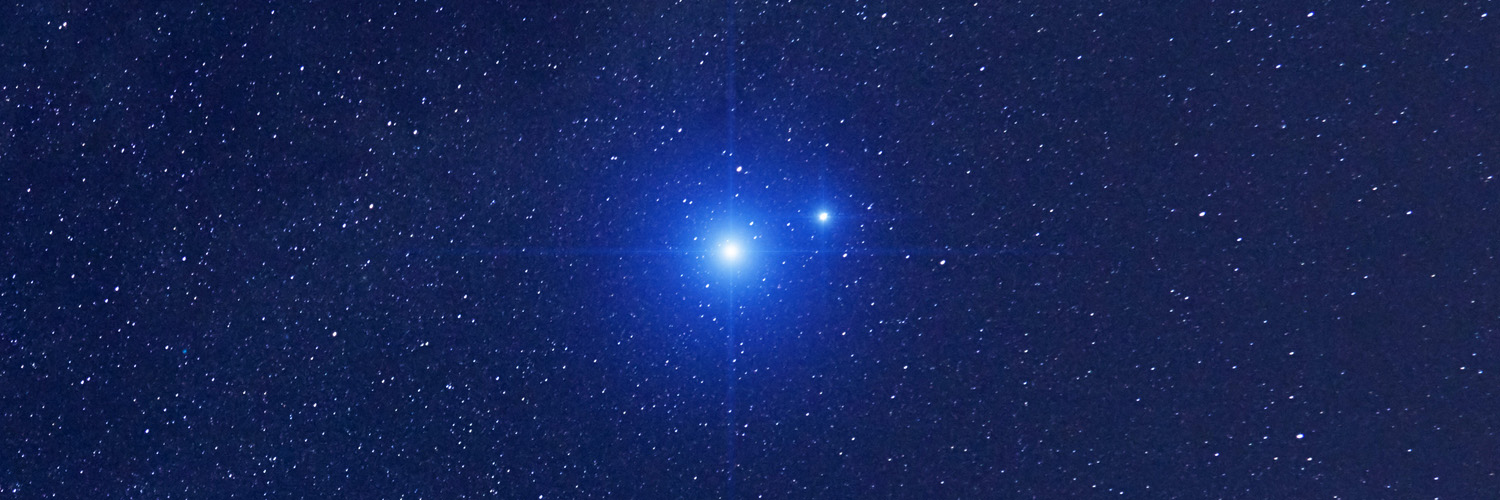

As Neptune is one of the trickier planets to see, and can’t be seen with the naked eye, a telescope is the best tool here.
If you want to see its clear blue tint, you’ll need at least a 6-8-inch aperture. You will be able to see it with a smaller scope, but it’ll likely just be a grey point that looks like all the other stars. Luckily, it’s almost the new moon, so the sky will be nice and dark to give you the best chance of seeing it.
Feb. 17: New moon

The new moon brings the darkest skies of the month, making this the best time for some deep-sky stargazing without the moon lighting up the sky.
If you live close to a dark-sky area, you can often see the Milky Way with the naked eye, but a telescope or pair of binoculars will showcase the best the night sky has to offer — Andromeda, the Orion Nebula and fainter galaxies will look stunning. It’s also the perfect time to head out with your astrophotography camera, either to capture landscape astrophotos or mount it to your telescope for some deep-sky astrophotography.
Best seen with:
Binoculars: As long as your binoculars have an objective lens diameter of 42mm or above, you’ll be able to get great views of the night sky. Magnification should be at least 10x, but go for a more powerful pair if you want to see Jupiter’s moons.
Our pick: Celestron Regal ED 10×42
Telescope: Clear, dark skies are an ideal time to put a smart telescope to work. If you’re more of an observational astronomer, you’d be better off with a more traditional telescope with an eyepiece, but a smart telescope lets you capture images of galaxies, nebulas and star clusters without the fuss and bother of mounting your camera to a telescope.
Our pick: Vaonis Vespera II
Camera: For long exposure astrophotography, the new moon week is the ideal time, especially if you want to photograph the Milky Way. As long as your camera performs well at high ISO levels and you use a wide lens with a fast aperture, you’ll get some beautiful shots.
Our pick: Nikon Z8
Feb. 19: Moon/Neptune/Saturn conjunction
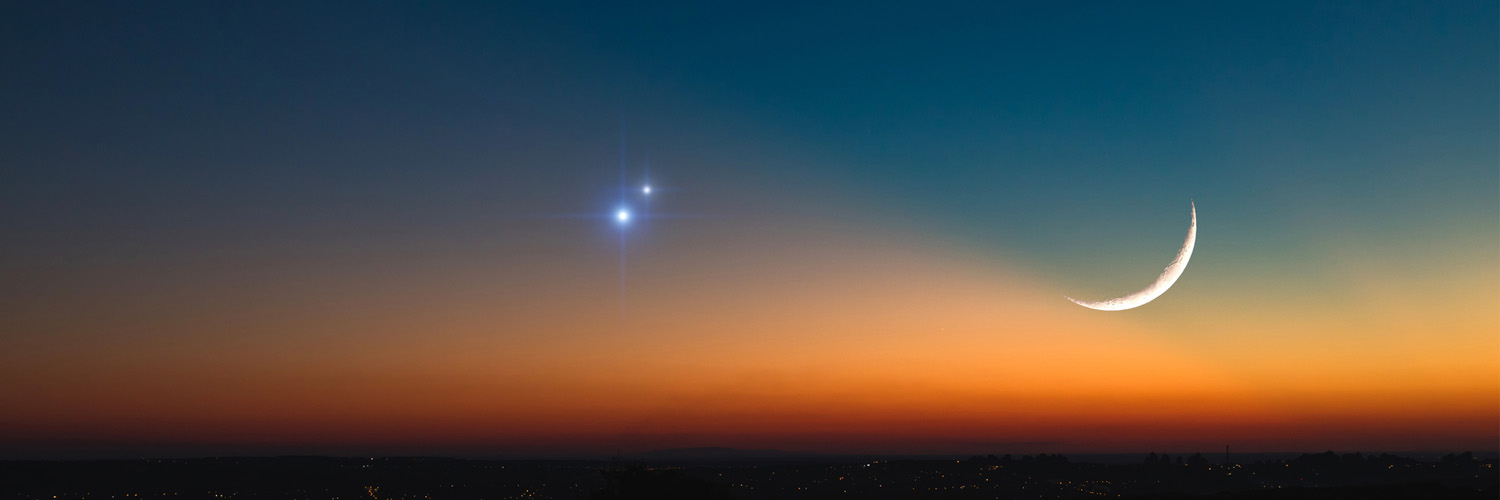
The slim crescent Moon is in conjunction with Neptune and Saturn in the early evening of Feb. 19 (around 6-7pm EST, so check your local time).
For any meaningful detail in the rings, or to be able to see Neptune at all, you’ll need a telescope. As we mentioned earlier, a larger telescope will be best for this.
Feb. 19: Moon/Mercury conjunction (and occultation)
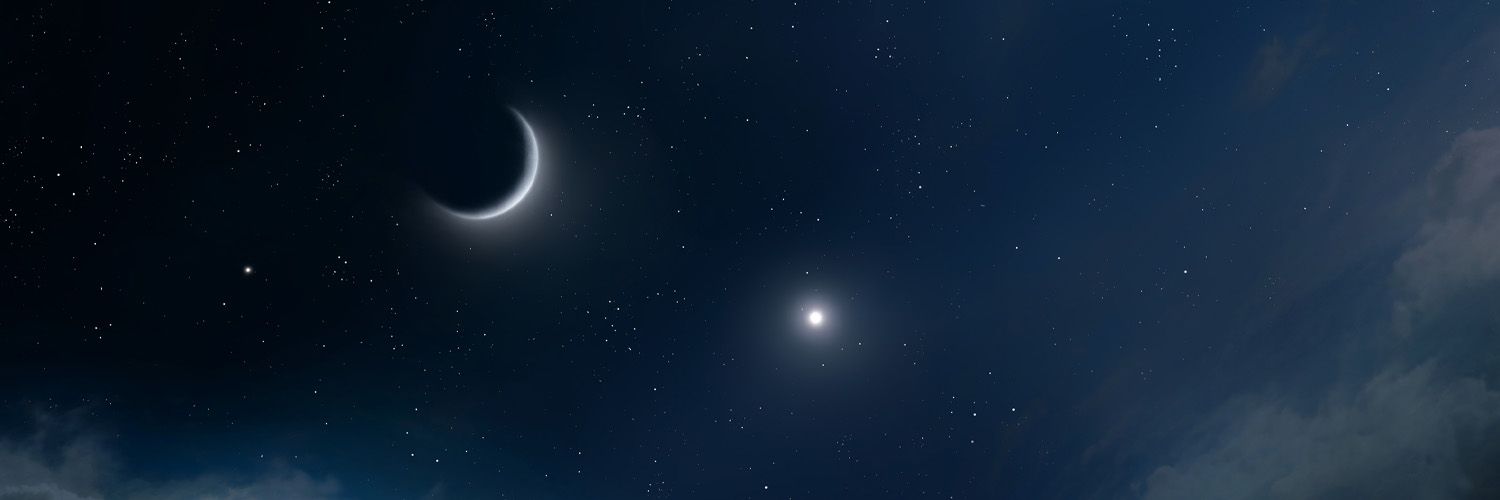
After sunset, the crescent moon will be in conjunction with Mercury low in the western sky. As Mercury is now at its greatest eastern elongation, this is the best time to see it. As the moon passes, Mercury will go behind the moon for a brief occultation.
You’ll likely need binoculars to see the slim 7% crescent moon — a 10×42 pair should do the job nicely.
Feb. 23: Moon/Pleiades occultation
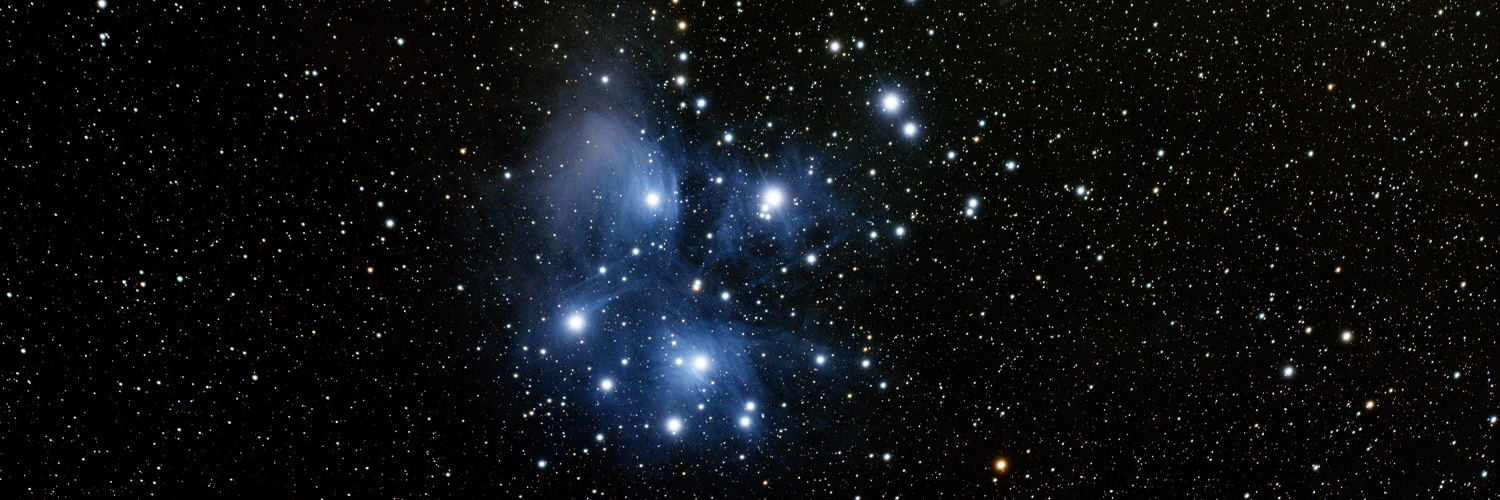
In the evening of Feb. 23, the moon will graze across the top of the Pleaides star cluster — a favorite among stargazers. Depending on your location, it’ll take place between around 22:00 and 00:15 ET.
There are numerous ways to see it, whether you just want to observe or you want to photograph or capture a time-lapse.
Best seen with:
Binoculars: To get the best view, mount a pair of astronomy binoculars on a tripod and enjoy the view as the moon moves across the Pleiades. You’ll want a pair with at least 15x magnification and a decent size exit pupil (4mm+).
Our pick: Celestron SkyMaster Pro 20×80
Telescope: Luckily, you don’t need a huge scope to see the Pleiades in all their glory — a small to medium-sized telescope with an 80-130mm aperture, along with a good eyepiece, will often provide a satisfying view without breaking the bank. If you want to go a step further and photograph the occultation, a smart telescope can take images or video time-lapses.
Our pick: Celestron Inspire 100AZ (observational)
DWARF 3 (smart telescope)
Camera: Realistically, any of the best astrophotography cameras or best beginner astro cameras will be fine here, but the trick will be to use a star tracker in order to photograph it. You’ll either need to use a long lens with a tripod and star tracker, or mount your camera onto your telescope (provided it has a motorized mount).
Our pick: Sky Watcher Star Adventurer Mini (star tracker)
Feb. 27: Moon/Jupiter conjunction
If you’re a night owl, the 79.5% moon will be in conjunction with Jupiter in the early hours of Feb. 27 (around 01:30 AM ET). You will be able to see it with the naked eye, but you’ll need powerful binoculars or a telescope to see Jupiter and its moons disappear and re-emerge again.
As the moon will be very bright on this night, you’ll either need a lunar filter, or need to shift your view so you don’t have the entire moon in the field of view.
Best seen with:
Binoculars: In order to see Jupiter’s moons, you’ll need a minimum of 15x magnification, and they’ll need to be tripod-mounted.
Our pick: Celestron Skymaster 25×100
Telescope: To see Jupiter and its moons in greater detail, you’ll want a scope with at least a 60-90mm aperture — or up to 8 inches if you want an even better view. What’s equally important here is to use appropriate magnification in a good-quality eyepiece if you want to see the bands and the Great Red Spot.
Our pick: Celestron NexStar 6SE
Feb. 28: Mercury, Venus, Jupiter, Saturn, Uranus and Neptune line up
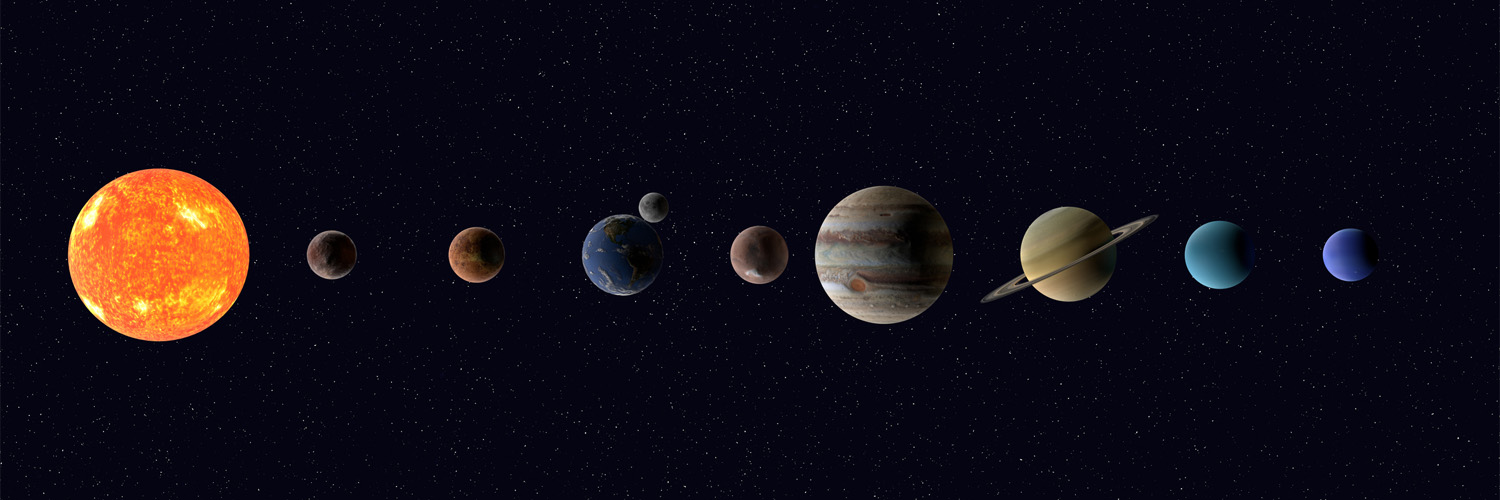
At the end of February, we’re treated to a planetary lineup consisting of Mercury, Venus, Jupiter, Saturn, Uranus and Neptune. The gear you should use depends on what you want to see and how much detail. You’ll be able to see Mercury, Venus, Jupiter and Saturn with just the naked eye, but using binoculars or a telescope will reward you with better observations.
Best seen with:
Binoculars: Use a pair of astronomy binoculars with a 15x (or higher) magnification if you also want to check out Jupiter’s moons. You might be able to locate Uranus and Neptune using a star map, but they’ll just look like any other star.
Our pick: Celestron SkyMaster Pro ED 15×70
Telescope: If you want to spot Saturn’s rings, you’ll need a telescope — anything from 3 to 6 inches will do — and if you want any meaningful details of Uranus or Neptune, you’ll need a bigger telescope (8-inch and above).
Our pick: Celestron Advanced VX 8 EdgeHD